ZENITH Maschinenfabrik GmbH

How to Calculate Hollow Concrete Block Production Costs: Key Cost Factors

2026-10-30 0 Leave me a message

For manufacturers planning to produce hollow concrete blocks, understanding the actual cost per unit is essential for setting product prices, evaluating operating expenses, and planning a new block manufacturing project.


The production cost of a hollow concrete block is not determined by cement and aggregates alone. Labor, electricity, equipment investment, maintenance, and production efficiency all contribute to the overall cost of a concrete block production line. A practical cost assessment therefore needs to consider the complete production process rather than focusing on a single expense.

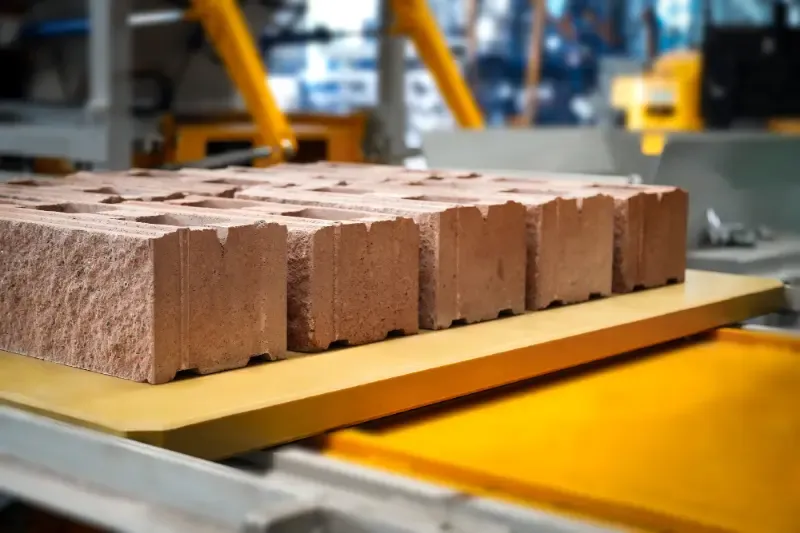
 Hollow Concrete Block Production

What Makes Up the Cost of Hollow Concrete Block Production?

A typical hollow concrete block production cost can be divided into several major categories:

* Cement and aggregates

* Labor

* Electricity and energy consumption

* Block making machine and production line investment

* Equipment maintenance and related operating costs


The proportion of each cost varies according to raw material prices, block specifications, mix design, production volume, local labor costs, and the level of automation used in the plant.


Among these factors, materials and labor are often major operating expenses. However, as block plants become increasingly automated, labor requirements and production efficiency can change significantly.


Cement and Aggregates: The Foundation of Block Production Costs

Cement acts as the primary binder in concrete block manufacturing, while sand, stone powder, crushed stone, and other aggregates form the main body of the block.


The material cost of a hollow concrete block depends on several variables, including local material prices, product dimensions, mix proportions, and the required strength grade. As a result, calculating material expenses based solely on the price of cement or aggregate does not provide an accurate picture of the actual production cost.


A basic calculation can be expressed as:Material Cost per Unit = Cement Consumption × Cement Price + Aggregate Consumption × Aggregate Price + Other Material Costs


An appropriate mix design can help manufacturers achieve the required block strength and dimensional stability while controlling material consumption.


For a concrete block production line, consistent batching and material distribution are also important because variations in the mix can affect both product quality and production stability.


Labor Costs: An Increasingly Important Operating Factor

Labor is another important component of hollow concrete block production costs.


In conventional production operations, workers may be involved in raw material feeding, machine operation, pallet handling, product transfer, stacking, finished-product handling, and production management.


As production volumes increase, labor expenses can have a direct impact on operating costs. In markets where labor costs are rising or skilled operators are difficult to recruit, simply adding more workers is not always an efficient way to increase production capacity.


This is one reason why modern block manufacturing plants are placing greater emphasis on automation.


Electricity and Energy Consumption in Block Manufacturing

Electricity is another cost that needs to be included when calculating the production cost of concrete blocks.


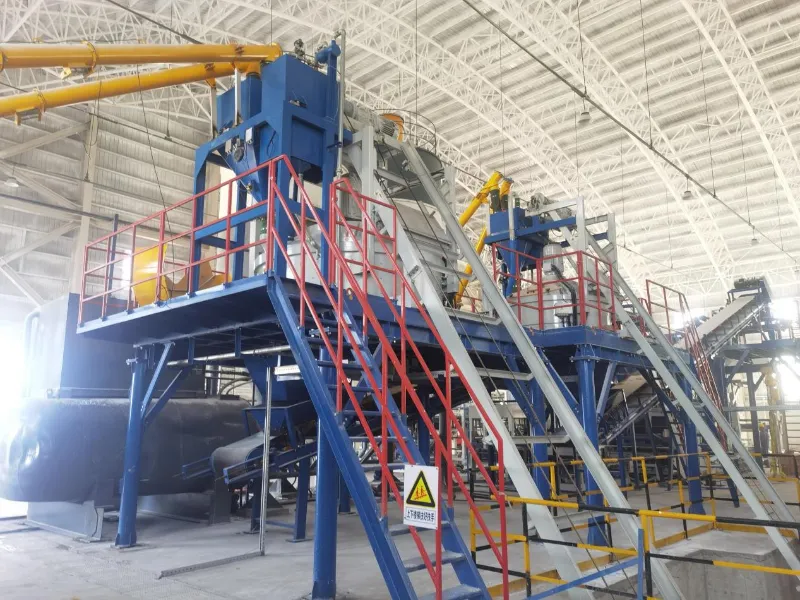
A typical automated block production line consumes electricity across several stages, including mixing, material feeding, block forming, conveying, and stacking. The actual energy consumption depends on the equipment configuration and operating conditions.


Effective energy management is not simply about selecting equipment with the lowest rated power. Production efficiency also matters.


When individual processes operate in a coordinated manner, the production line can reduce unnecessary idle time and improve equipment utilization. A stable automatic block making machine and well-coordinated production system can therefore contribute to more efficient overall operation.


Equipment Investment and Maintenance Costs

For a block manufacturing plant, equipment is normally one of the major initial capital investments.


The cost of a concrete block making machine or complete concrete block production line may be accompanied by installation and commissioning, plant infrastructure, molds, maintenance, and equipment depreciation.


When evaluating block making equipment, manufacturers therefore need to consider more than the initial equipment purchase. Relevant factors include:

* Production cost per unit

* Actual production efficiency

* Level of automation

* Product quality consistency

* Equipment service life

* Maintenance requirements

* Labor requirements

* Potential for future production expansion


A highly automated block making machine may require a higher initial investment, but its ability to reduce repetitive manual work, improve production continuity, and maintain consistent product quality can affect the overall operating economics of the plant.


How Automation Can Reduce Labor Requirements

Automation can change the way labor is used throughout a concrete block production line.


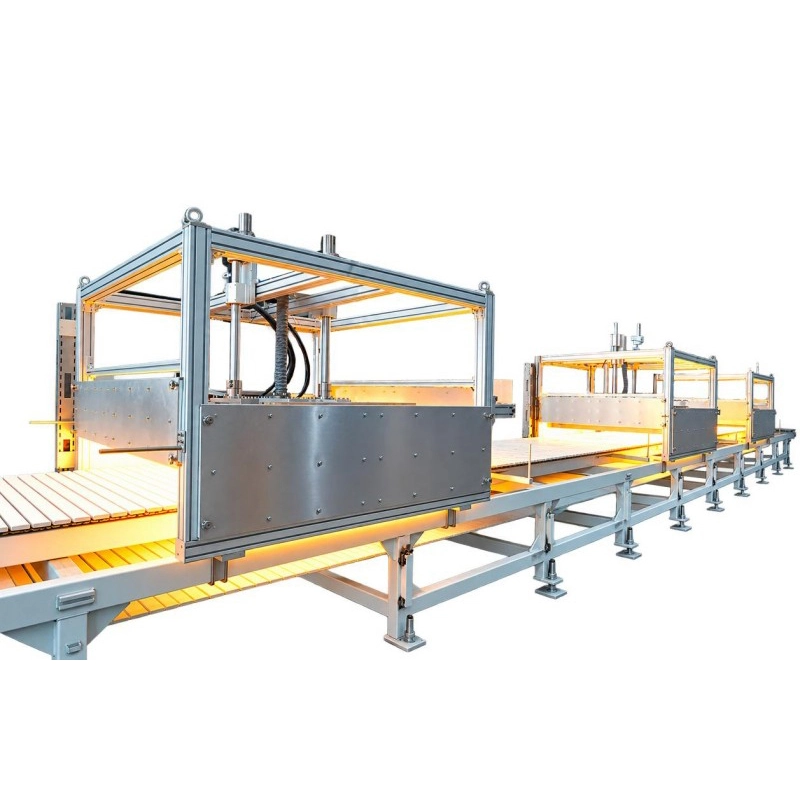
Instead of relying heavily on manual operations, an automated system can coordinate processes such as raw material mixing, concrete feeding, block forming, product conveying, and stacking. This allows production to run in a more continuous and controlled manner.


The impact becomes more significant as production volume increases. With a higher level of automation, fewer workers may be required for repetitive production tasks, allowing personnel to focus more on equipment operation, quality control, and production management.


For manufacturers operating at higher output levels, this can become an important factor when calculating the cost per block.


Choosing a Block Production Line Based on Overall Production Economics

When planning a hollow concrete block manufacturing project, production economics should be evaluated across the complete operation.

 Hollow Concrete Block Production

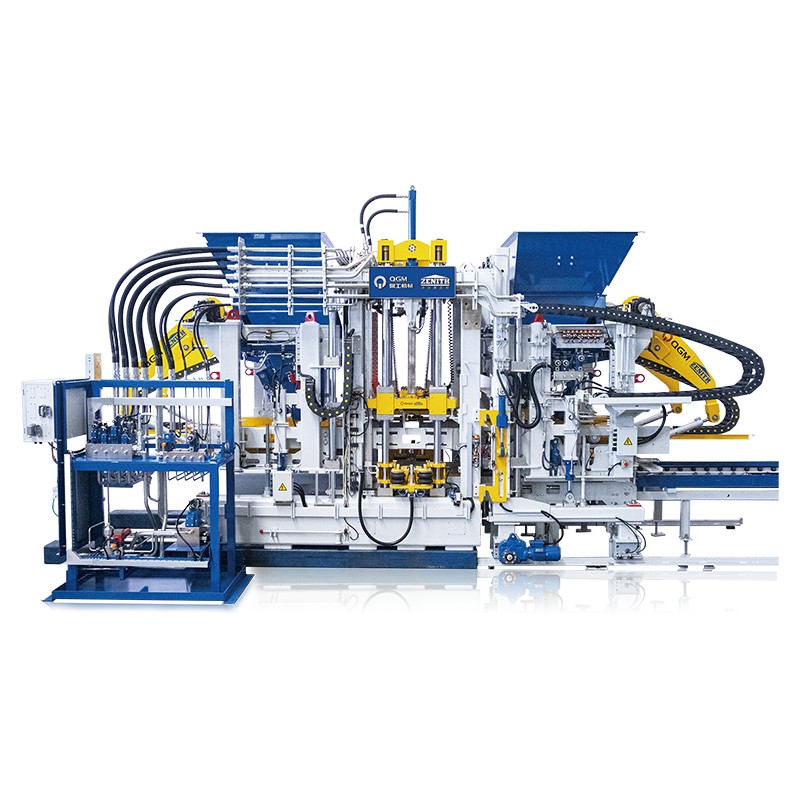
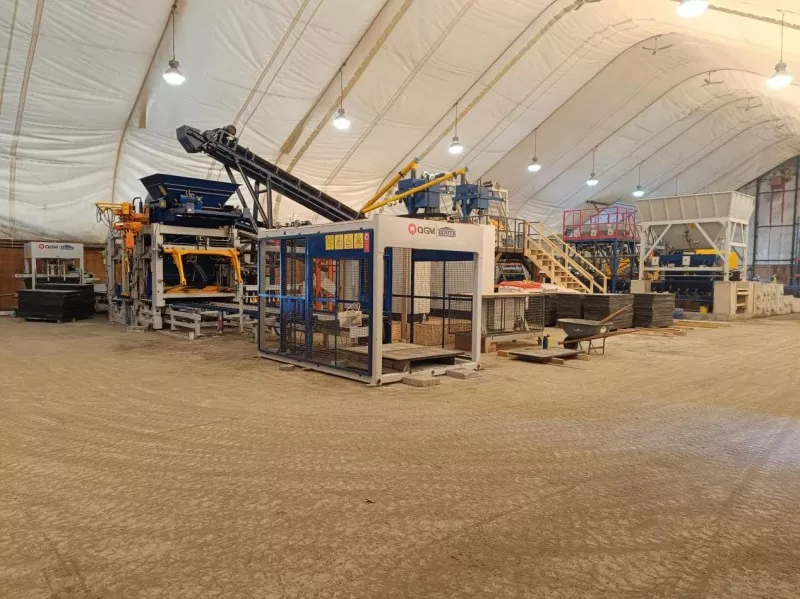
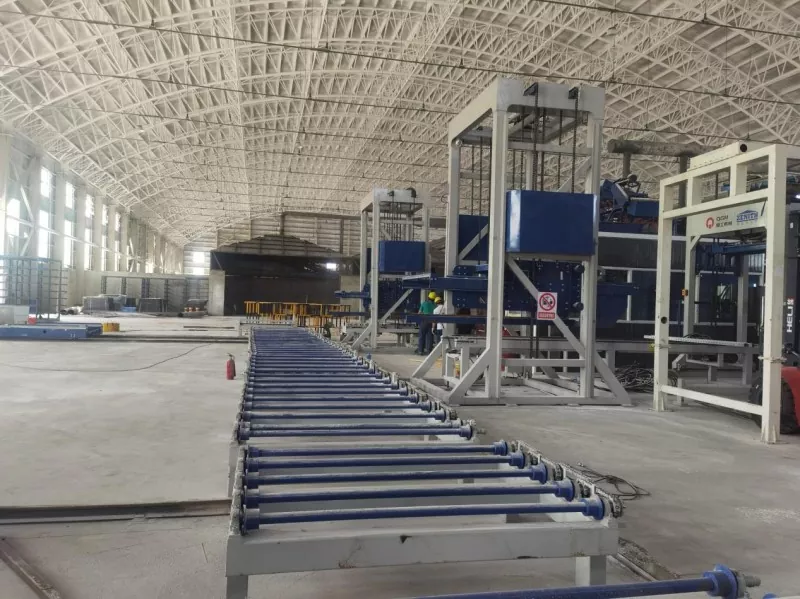
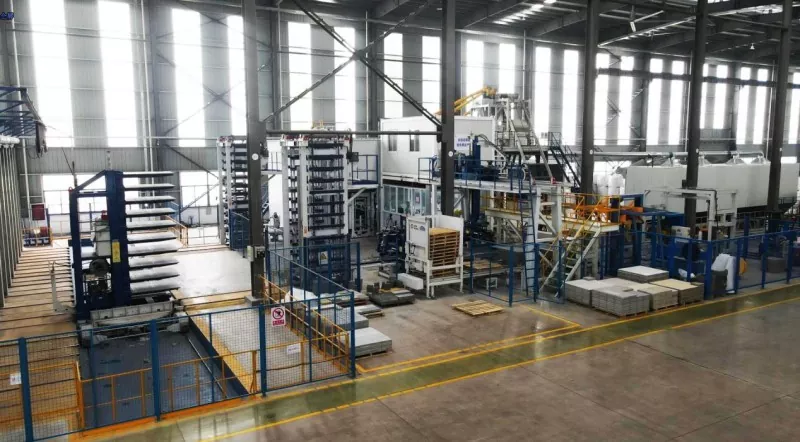
△ QGM Automatic Block Making Machines for Hollow Concrete Blocks

A practical calculation can include:Equipment Investment + Material Cost + Labor Cost + Electricity Cost + Maintenance Cost = Overall Production Cost


Manufacturers can then combine this figure with daily production, product selling price, equipment utilization, and market demand to evaluate the expected investment recovery period.


The right concrete block production line should therefore match the manufacturer's actual production requirements, product range, available labor, material conditions, and expected operating scale.


A More Efficient Approach to Hollow Concrete Block Manufacturing

The production cost of a hollow concrete block is the result of multiple interconnected factors rather than a single expense.


Cement and aggregates remain fundamental to the manufacturing process, while labor, electricity, equipment maintenance, and production efficiency also influence the final cost. As production becomes more automated, the relationship between equipment configuration, labor requirements, production continuity, and unit cost becomes increasingly important.


For manufacturers planning a new block plant or upgrading an existing facility, a properly configured automatic block making machine and coordinated concrete block production line can help reduce repetitive manual operations, improve equipment utilization, and support more stable production.


QGM provides automated and intelligent block manufacturing solutions for different production requirements, helping concrete products manufacturers improve production organization and manage operating costs more effectively.


FAQ

1. What are the main costs involved in hollow concrete block production?

The main costs include cement and aggregates, labor, electricity, equipment investment, maintenance, and other production-related expenses.


2. How is the material cost of a concrete block calculated?

Material cost can be calculated based on cement consumption, aggregate consumption, their respective prices, and any additional material costs.


3. Can automation reduce hollow concrete block production costs?

Automation can reduce the need for repetitive manual operations and improve production continuity. Its effect on overall costs depends on production volume, equipment configuration, labor costs, and operating conditions.


4. What should manufacturers consider when choosing a block making machine?

Key considerations include production efficiency, automation level, product quality consistency, maintenance requirements, equipment service life, labor requirements, and future production expansion.


5. How can manufacturers calculate the overall cost of a block production line?

A practical assessment should combine equipment investment, material costs, labor, electricity, and maintenance, together with production volume, product selling price, equipment utilization, and market demand.


Related News
Leave me a message
X
We use cookies to offer you a better browsing experience, analyze site traffic and personalize content. By using this site, you agree to our use of cookies. Privacy Policy
RejectAccept