We are glad to share with you about the results of our work, company news, and give you timely developments and personnel appointment and removal conditions.
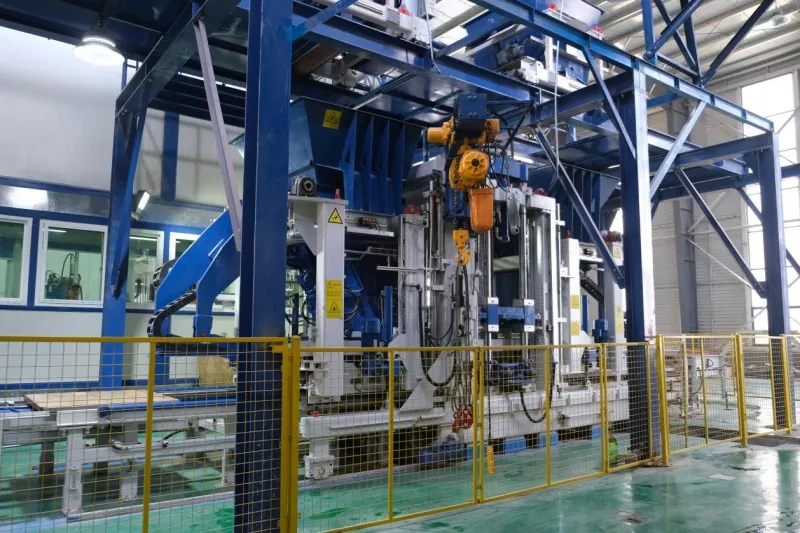
Modern concrete block manufacturing is no longer driven by mechanical performance alone. As manufacturers face increasing pressure to improve productivity, maintain consistent product quality, control operating costs, and reduce unplanned downtime, digital equipment management is becoming an important part of production strategy.
In today’s construction materials industry, concrete block quality is no longer evaluated only by visual appearance. Modern customers and construction standards increasingly focus on compressive strength, density consistency, dimensional accuracy, surface finish, and long-term durability.
In today’s construction materials industry, precision has become one of the most important factors determining the quality, durability, and market competitiveness of concrete products. Although concrete blocks appear simple in structure, their final performance depends on multiple technical factors, including dimensional accuracy, density consistency, forming stability, and production repeatability.
In today’s global construction industry, improving manufacturing efficiency has become a critical challenge for concrete product producers. With rapid urban development, infrastructure expansion, and residential construction growth, especially across Southeast Asia markets such as Indonesia, Vietnam, Thailand, Malaysia, and the Philippines, the demand for high-quality concrete products continues to increase.
For a concrete products manufacturer, investing in a new production line is about more than adding another machine. It is an opportunity to improve production capabilities, respond to changing market requirements, and build a stronger foundation for long-term growth.
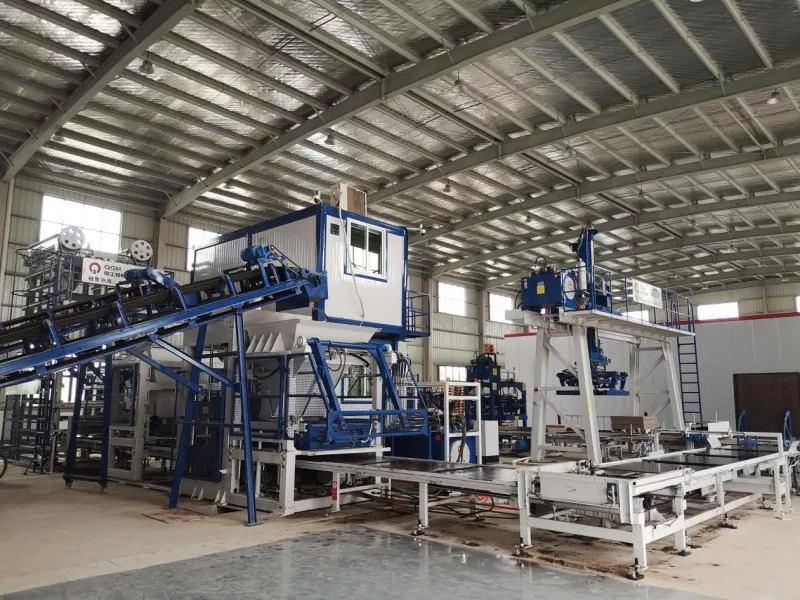
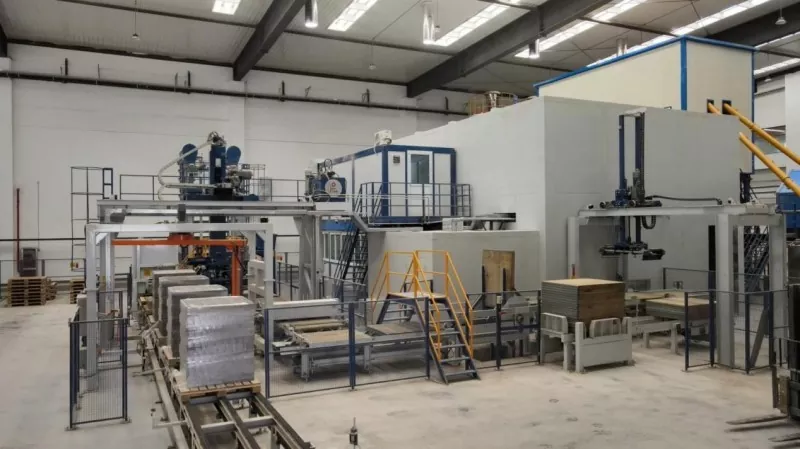
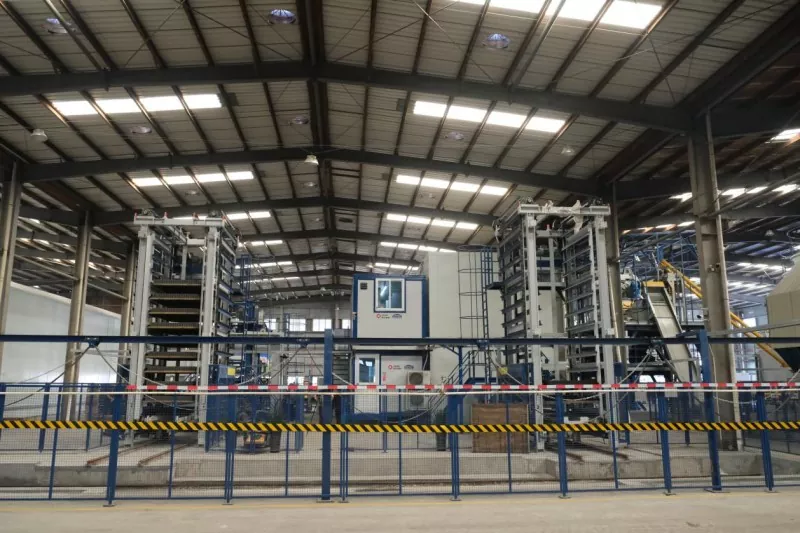
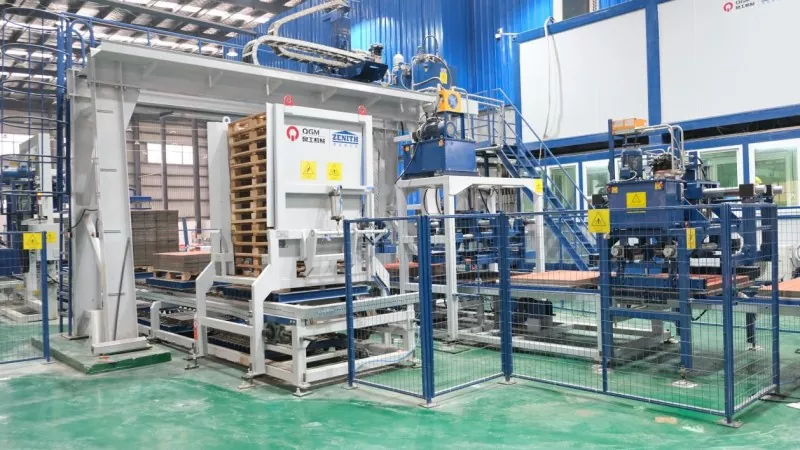
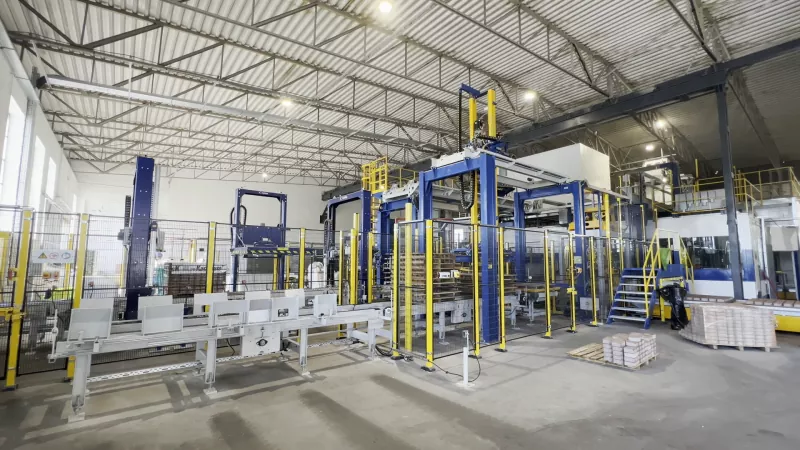
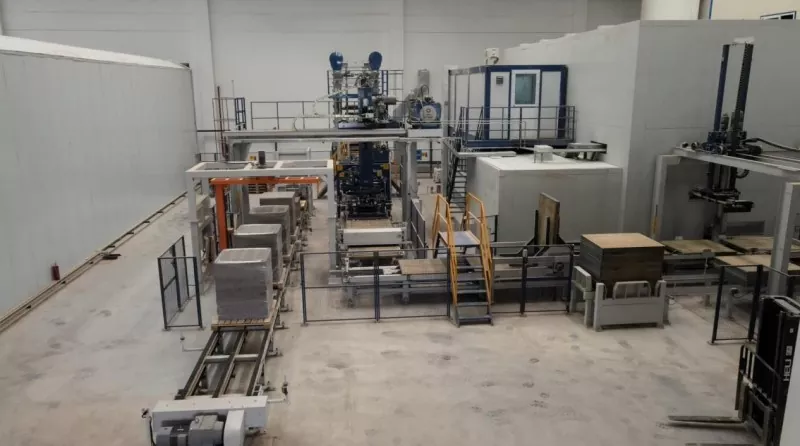
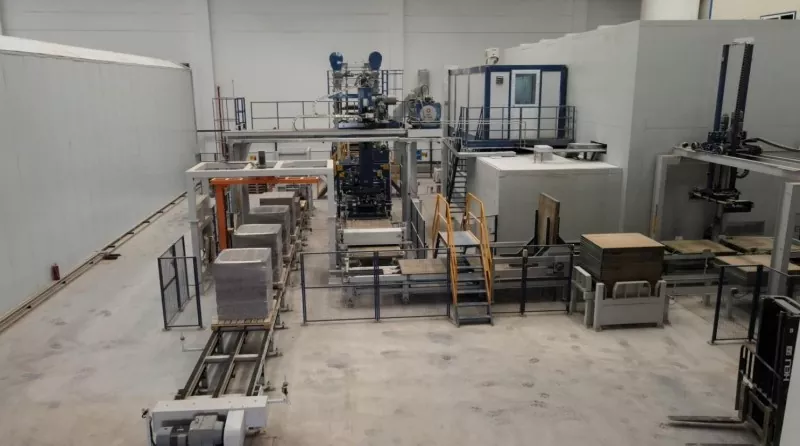
A German concrete products manufacturer with more than 30 years of operating experience has chosen QGM again after years of using a QGM block production line, purchasing another new production line to further expand and upgrade its manufacturing capabilities.
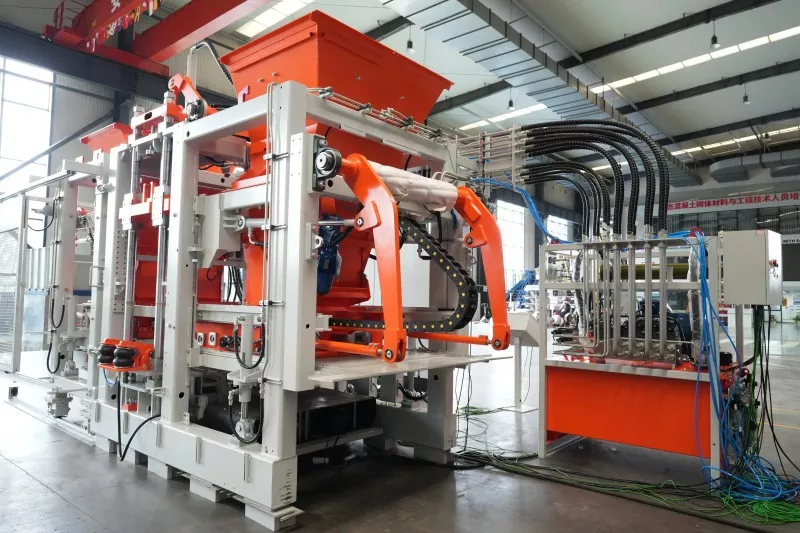
No matter whether you operate a block machine, a paving block machine, or a complete concrete block manufacturing plant, product consistency determines your competitiveness.
Choosing a block making machine manufacturer is not simply a matter of comparing machine specifications or production capacity. For contractors, concrete product manufacturers, infrastructure developers, and investors, the right equipment partner should be able to match the machine, production process, raw materials, automation level, and long-term service requirements to the actual project.
Across Southeast Asia, the Middle East, and Latin America, demand for premium concrete products is increasing alongside rapid infrastructure development. Contractors and project owners are no longer focused only on production volume—they also expect higher compressive strength, better dimensional consistency, lower water absorption, and longer service life for concrete blocks, paving products, and municipal precast elements.
With the rapid development of global urban infrastructure, the demand for high-quality paving products is continuously increasing. Modern construction projects require not only attractive surface finishes but also higher standards in strength, durability, dimensional accuracy, and production efficiency.
As global demand for high-quality concrete products continues to increase, manufacturers are under greater pressure to deliver blocks, pavers, and kerbstones with consistent dimensions, reliable strength, and excellent surface finish. Whether serving residential developments in Southeast Asia, municipal infrastructure projects in the Middle East, or commercial construction across Latin America, product precision has become one of the most important factors affecting production efficiency and customer satisfaction.
Many manufacturers believe that improving block quality starts with purchasing a more advanced machine. In reality, the performance of any paving block machine depends heavily on one fundamental factor—the concrete mix.
Southeast Asia is experiencing rapid urban expansion, infrastructure development, and large-scale redevelopment projects. Countries including Indonesia, Vietnam, Malaysia, Thailand, and the Philippines are investing heavily in transportation networks, residential communities, industrial parks, and urban renewal programs.
We use cookies to offer you a better browsing experience, analyze site traffic and personalize content. By using this site, you agree to our use of cookies.Privacy Policy