ZENITH Maschinenfabrik GmbH

How to Improve Precision in Concrete Block Manufacturing: A Complete Guide to Modern Block Machine Technology

2026-08-10 0 Leave me a message

As global demand for high-quality concrete products continues to increase, manufacturers are under greater pressure to deliver blocks, pavers, and kerbstones with consistent dimensions, reliable strength, and excellent surface finish. Whether serving residential developments in Southeast Asia, municipal infrastructure projects in the Middle East, or commercial construction across Latin America, product precision has become one of the most important factors affecting production efficiency and customer satisfaction.

Modern concrete block manufacturing is no longer defined solely by production capacity. Instead, success depends on how accurately every production cycle can reproduce the same product quality while reducing material waste and operating costs.

Today's advanced block machine combines intelligent automation, precision hydraulics, high-performance vibration technology, and digital monitoring into a complete manufacturing solution. Compared with conventional equipment, a modern paving block machine not only improves production consistency but also helps manufacturers maximize raw material utilization and maintain long-term operational stability.

This guide explains the key technologies behind precision block production, how they influence product quality, and what manufacturers should consider when selecting a concrete paving block machine for modern production requirements.


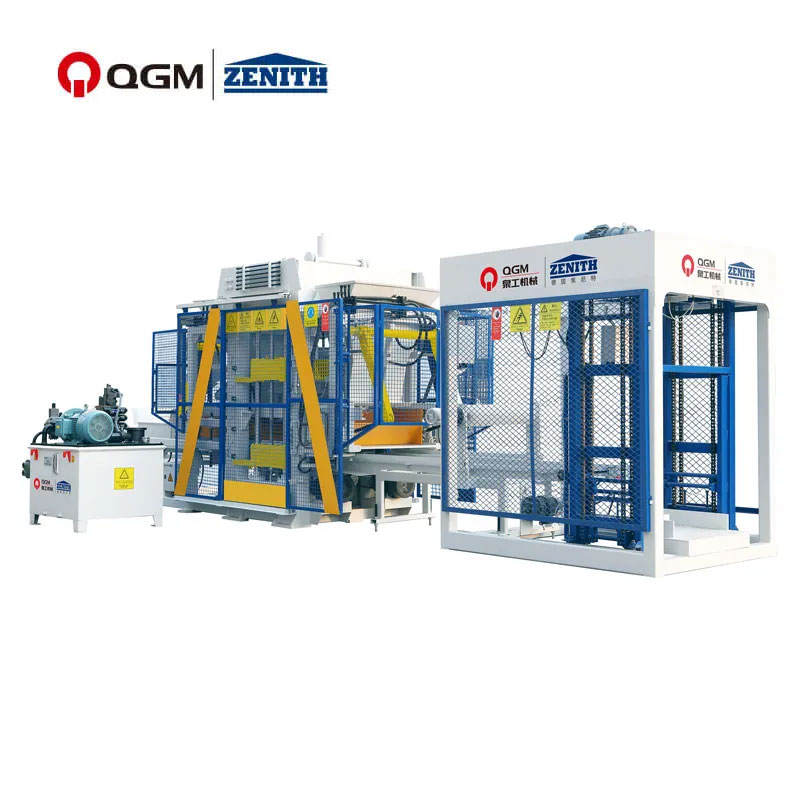
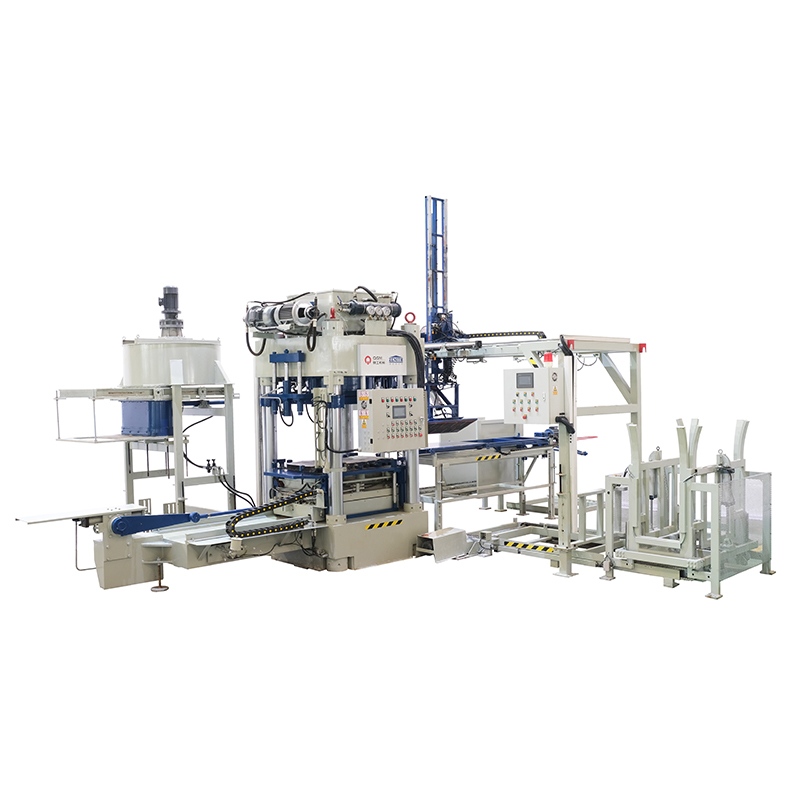
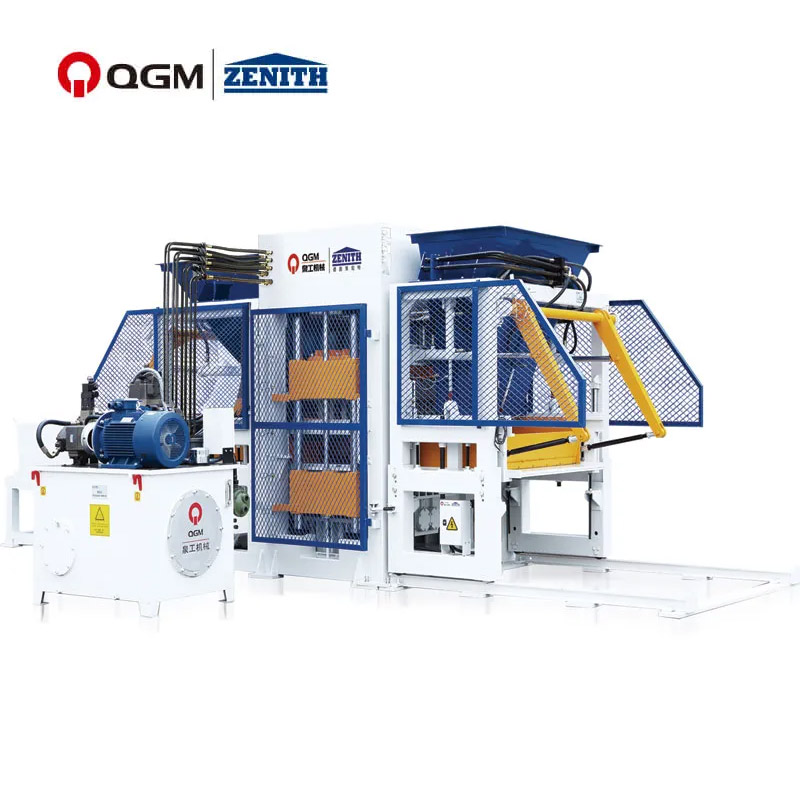
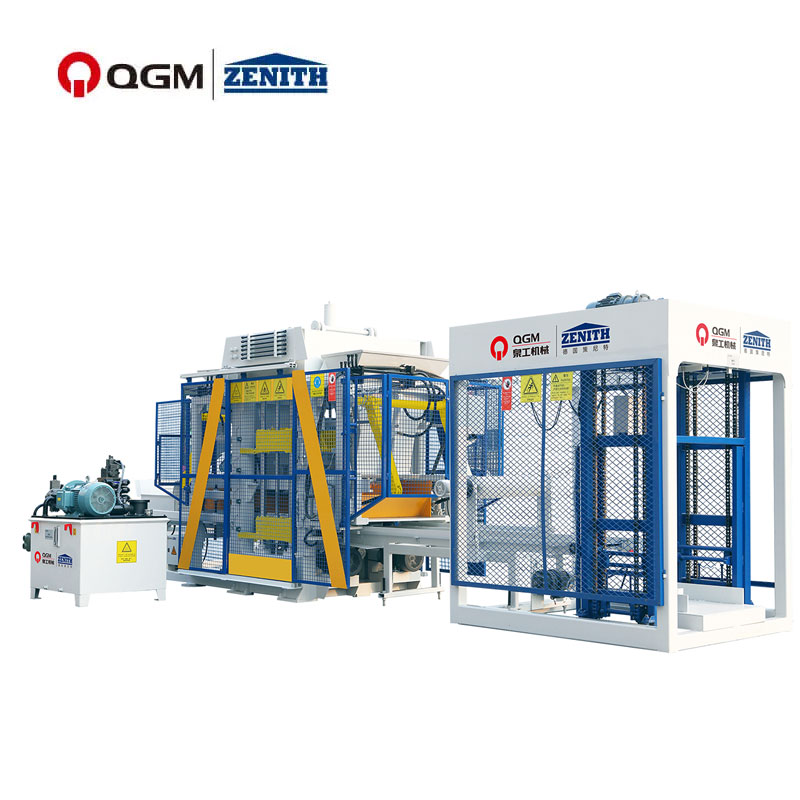
QGM automatic block machine

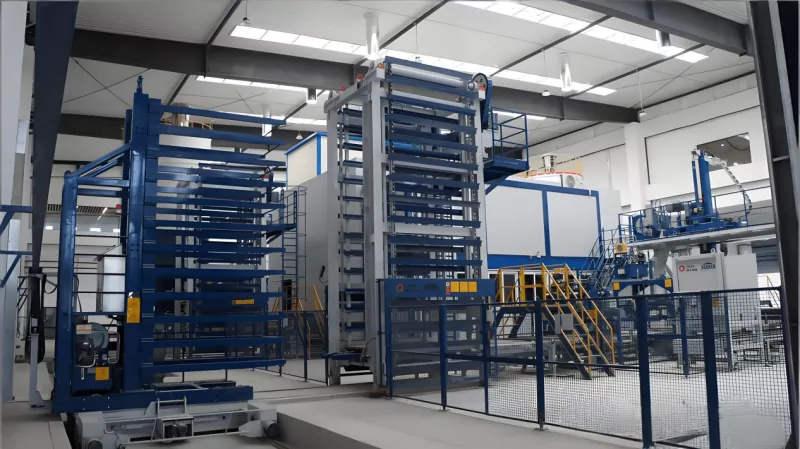
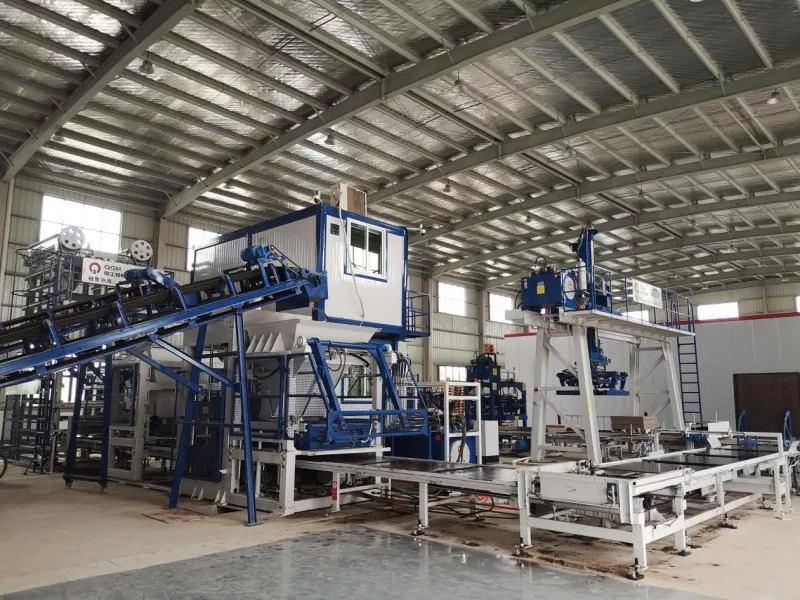
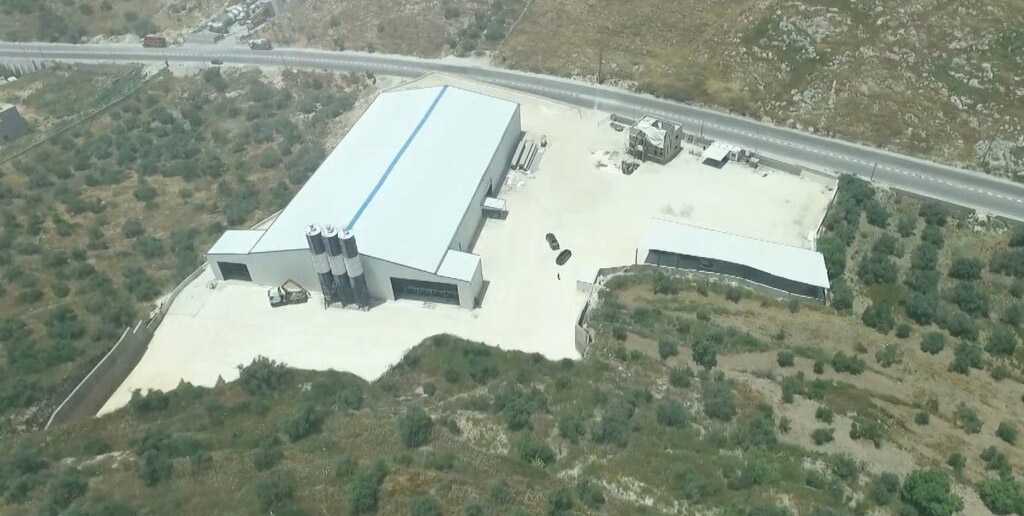
△QGM automatic block machine applications in global customer projects


Why Precision Has Become a Competitive Advantage in Concrete Block Manufacturing

Only a decade ago, many producers evaluated a block machine mainly by hourly output or mould capacity. While productivity remains important, today's construction industry places equal emphasis on product consistency.

Government infrastructure projects, commercial developments, and industrial construction all require concrete products that comply with strict dimensional and strength specifications. Even minor variations between production batches may lead to installation delays, increased mortar consumption, customer complaints, or costly rework.

As a result, manufacturers are shifting their focus from simply producing more blocks to producing every block with repeatable accuracy.


A modern paving block making machine should therefore deliver:

●Consistent product dimensions

●Stable compressive strength

●Uniform surface appearance

●Reliable production cycles

●Reduced rejection rates

●Better material efficiency

These advantages ultimately improve factory profitability while strengthening customer confidence in finished products.


Precision Begins Long Before Concrete Enters the Mould

Many people assume that block quality depends only on the forming process. In reality, precision starts with material preparation.

A successful concrete block manufacturing line relies on accurate batching, controlled moisture content, and homogeneous mixing before materials even reach the concrete paving block machine.

An integrated batching system helps maintain the correct proportion of:

●Cement

●Sand

●Stone aggregates

●Recycled materials

●Water

●Additives


Once accurately weighed, materials are transferred into high-efficiency mixers where uniform distribution ensures stable workability throughout production.

When raw materials remain consistent, the block machine can perform at its designed capability without unnecessary variation caused by segregation or moisture fluctuations.

For manufacturers processing recycled aggregates, quarry dust, or industrial solid waste, this level of material control becomes even more important for maintaining stable product quality.


Advanced Vibration Technology Determines Product Density

After material preparation, vibration becomes one of the most critical factors influencing concrete compaction.

Insufficient vibration often produces blocks with internal voids, inconsistent density, and reduced compressive strength. Excessive vibration, however, may cause material segregation or uneven product surfaces.

For this reason, modern paving block machines require vibration systems capable of delivering energy efficiently while maintaining uniform force distribution throughout the mould.

QGM integrates its proprietary Zenith ultra dynamic vibration system, which is specifically designed to improve vibration transmission and maximize concrete compaction.


Compared with conventional vibration structures, this system provides several important benefits:

●More balanced vibration energy

●Better concrete distribution inside the mould

●Higher product density

●Improved edge definition

●Lower cement consumption

●Greater production stability

The optimized vibration performance allows manufacturers to produce premium-quality blocks, pavers, and kerbstones while reducing unnecessary material costs.

This advantage becomes especially valuable in regions where cement prices remain high or recycled materials account for a significant proportion of the concrete mix.


Intelligent Automation Makes Every Production Cycle More Predictable

One of the biggest challenges in traditional concrete block manufacturing is production variability caused by manual operation.

Different operators often apply different machine settings, resulting in inconsistent vibration times, hydraulic pressure, feeding speed, or mould filling.

Modern automation significantly reduces these variables.

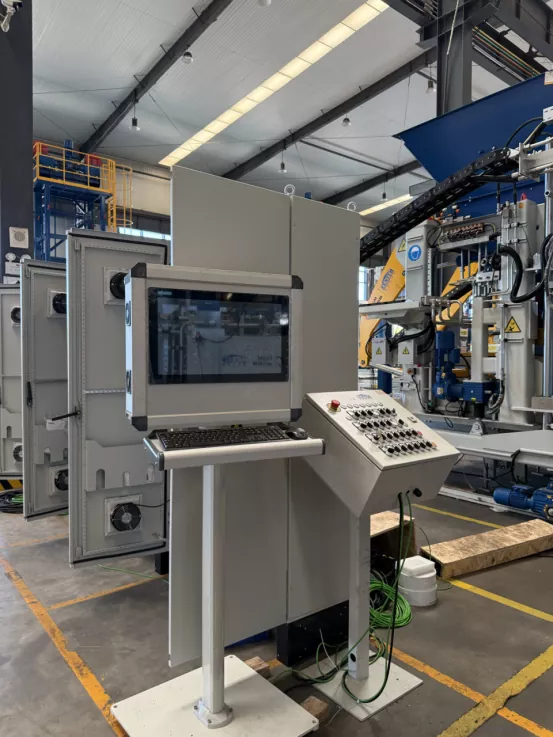
QGM equips its production equipment with the SIEMENS S7-1500 PLC, creating an intelligent control platform capable of coordinating every major production process.


SIEMENS S7-1500 PLC Intelligent Control System

△ SIEMENS S7-1500 PLC Intelligent Control System for QGM Smart Block Machine


The automation system continuously monitors:

●Material feeding

●Machine operation

●Hydraulic pressure

●Vibration performance

●Production cycle timing

●Equipment status

Operators can adjust production parameters through an intuitive touchscreen interface while the system records operating data in real time.


This intelligent control architecture provides several advantages:

●Improved production repeatability

●Reduced operator dependency

●Faster equipment diagnostics

●Stable product quality

●Lower production risks

For manufacturers operating multiple production shifts, automation ensures that every shift maintains the same production standards regardless of operator experience.


Modern Block Machines Deliver More Than Product Accuracy

Today's block machine is no longer a standalone forming unit.

Instead, it functions as the central component within a fully integrated production system that combines material handling, intelligent control, mould technology, hydraulic systems, and digital services.

QGM extends this concept further by integrating remote cloud-based equipment management into its production solutions.


Using its intelligent cloud platform, customers can:

●Monitor equipment performance remotely

●Analyze production data

●Receive remote technical support

●Download updated operating programs

●Diagnose machine faults online

●Optimize machine parameters through industrial big data analysis

This remote service capability is particularly valuable for customers across Southeast Asia, the Middle East, Africa, and Latin America, where production sites may be located far from service centers.

Instead of waiting for on-site technical assistance, many operational issues can be identified remotely, reducing downtime and improving equipment utilization.

For manufacturers investing in a concrete paving block machine, intelligent connectivity has become just as valuable as production capacity itself.


Stable Hydraulic Systems Keep Every Production Cycle Consistent

While vibration determines concrete compaction, the hydraulic system controls how accurately every movement is executed throughout the production cycle. For any modern block machine, stable hydraulic performance is essential for producing concrete products with consistent dimensions and density.


Pressure fluctuations can cause a variety of production problems, including:

●Uneven block height

●Inconsistent product density

●Surface defects

●Increased mould wear

●Lower production efficiency

For manufacturers producing large volumes of paving products, even small hydraulic variations can affect thousands of finished products every day.

QGM equips its production equipment with internationally recognized hydraulic components and precision proportional control technology, ensuring that every mould movement remains smooth, responsive, and repeatable.


The benefits include:

●Stable forming pressure throughout every cycle

●Faster response during mould movement

●Reduced mechanical vibration

●Higher production reliability

●Longer service life for key hydraulic components


Precision Mould Technology Directly Influences Finished Product Quality

Many manufacturers focus on machine specifications while overlooking one of the most important production factors—the mould.

In reality, even the most advanced paving block machine cannot produce high-quality products if the mould lacks precision or has excessive wear.


For modern concrete block manufacturing, mould accuracy determines:

●Product dimensions

●Surface appearance

●Corner definition

●Product repeatability

●Equipment operating stability

QGM manufactures precision-engineered moulds using advanced machining processes and heat-treatment technology to improve hardness, wear resistance, and long-term dimensional stability.


These moulds support the production of a wide range of concrete products, including:

●Hollow concrete blocks

●Solid concrete blocks

●Concrete paving blocks

●Interlocking pavers

●Kerbstones

●Retaining wall blocks

●Landscape products

●Grass pavers


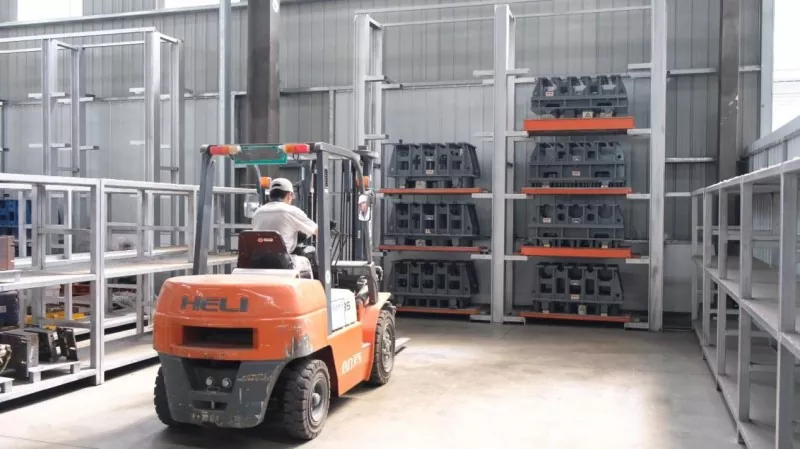
Another important advantage is QGM's quick mould change design.


QGM quick mould change design


Instead of requiring lengthy production interruptions, operators can replace moulds rapidly when switching between different products.

This provides several operational benefits:

●Faster product changeover

●Reduced downtime

●Greater production flexibility

●Higher equipment utilization

●Better responsiveness to market demand

For manufacturers producing multiple product types, fast mould replacement significantly improves overall factory productivity.


Why Manufacturers Worldwide Choose QGM

For over four decades, QGM has focused on delivering integrated solutions for modern concrete block manufacturing, rather than simply supplying individual machines.

Its equipment combines advanced mechanical engineering with intelligent automation to support efficient, reliable, and sustainable production.

Key technologies include:

●Zenith ultra dynamic vibration system

●Precision hydraulic control

●SIEMENS S7-1500 PLC automation platform

●Intelligent cloud service system

●Quick mould change technology

●High-performance mould engineering

●Remote diagnostics and technical support


These technologies help manufacturers achieve:

✔ Higher production consistency

✔ Better product precision

✔ Lower cement consumption

✔ Reduced equipment downtime

✔ Faster product changeover

✔ Improved factory productivity

Whether producing standard concrete blocks or operating a fully automated paving block machine production line, QGM provides complete manufacturing solutions designed for long-term industrial performance.


Conclusion

In today's highly competitive concrete block manufacturing industry, precision is no longer simply a quality benchmark—it is a key driver of productivity, cost efficiency, and long-term business success. From dimensional accuracy and uniform density to stable cycle times and reduced material waste, every aspect of production depends on how accurately a block machine performs throughout the manufacturing process.

Modern paving block machines and concrete paving block machines are no longer standalone pieces of equipment. They have evolved into intelligent production systems that combine advanced vibration technology, precision hydraulic control, digital automation, and high-performance mould engineering to deliver consistent, repeatable results across every production cycle.

QGM continues to push this evolution forward by integrating the Zenith ultra dynamic vibration system, SIEMENS S7-1500 PLC intelligent control, fast mould change technology, and cloud-based remote service into its complete range of block machines. These technologies help manufacturers improve product consistency, increase production efficiency, reduce operating costs, and maximize the utilization of recycled raw materials.

Whether you are expanding an existing concrete block manufacturing plant or investing in a new paving block making machine production line, choosing a reliable technology partner is just as important as selecting the right equipment. With more than 40 years of industry experience and projects operating across Southeast Asia, the Middle East, Latin America, Africa, and Europe, QGM provides complete solutions that support sustainable growth, intelligent manufacturing, and long-term operational success.

Looking for the right block machine for your project? Contact QGM today to discover how our advanced concrete block production solutions can help improve quality, efficiency, and profitability.


Block Production Applications

△Block Production Applications


FAQ

1. Why is precision important in concrete block manufacturing?

Precision ensures every concrete product maintains consistent dimensions, density, and compressive strength. This reduces installation problems, minimizes material waste, and improves overall construction quality.


2. How does the Zenith ultra dynamic vibration system improve block quality?

The Zenith ultra dynamic vibration system distributes vibration energy more evenly throughout the mould, helping achieve higher concrete density, improved compressive strength, smoother surfaces, and lower cement consumption.


3. What should I consider when choosing a paving block machine?

Besides production capacity, manufacturers should evaluate automation level, mould flexibility, hydraulic stability, raw material compatibility, remote service capability, and long-term operating costs before selecting a paving block making machine.


4. Can one block machine produce different concrete products?

Yes. Modern QGM equipment supports fast mould replacement, allowing one block machine to manufacture concrete blocks, concrete paving blocks, kerbstones, retaining wall blocks, grass pavers, and various landscape products with minimal downtime.


5. How does intelligent automation improve production efficiency?

By integrating the SIEMENS S7-1500 PLC with remote cloud services, manufacturers can monitor machine performance in real time, optimize production parameters, reduce unexpected downtime, and maintain stable product quality throughout the entire production process.

Related News
Leave me a message
X
We use cookies to offer you a better browsing experience, analyze site traffic and personalize content. By using this site, you agree to our use of cookies. Privacy Policy
RejectAccept