ZENITH Maschinenfabrik GmbH

Best Concrete Block Mix Design: Proportions & Ratios Guide

2026-07-10 0 Leave me a message

In the concrete block manufacturing industry, searching for a single "best mix design" is often a misguided pursuit. The reality is that no universal formula exists. Every production environment is unique, shaped by distinct local raw materials, specific equipment capabilities, and varying end-product specifications.

Instead of chasing a mythical perfect recipe, successful manufacturers focus on efficiency and performance. They understand that the ideal mixture isn't necessarily the one with the highest cement content. Rather, it is the formulation that delivers maximum density, structural stability, and compressive strength while minimizing resource consumption.


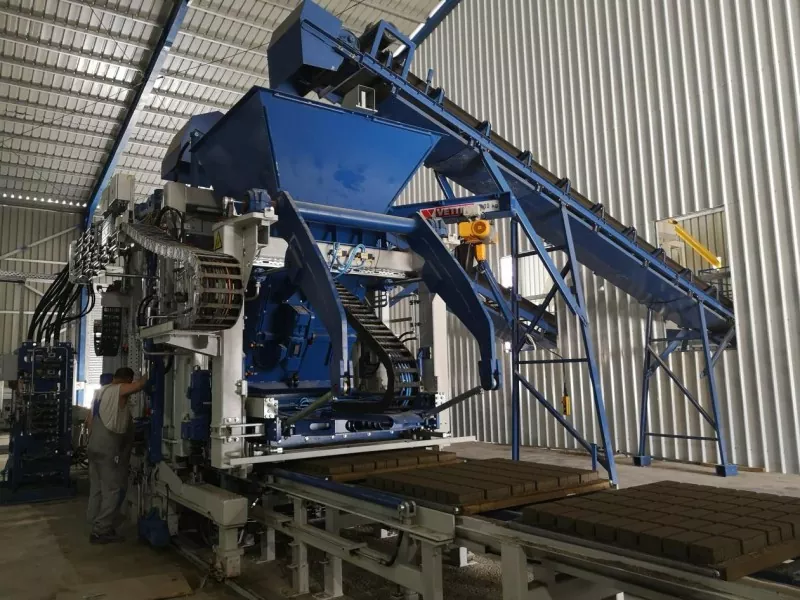
concrete block manufacturing


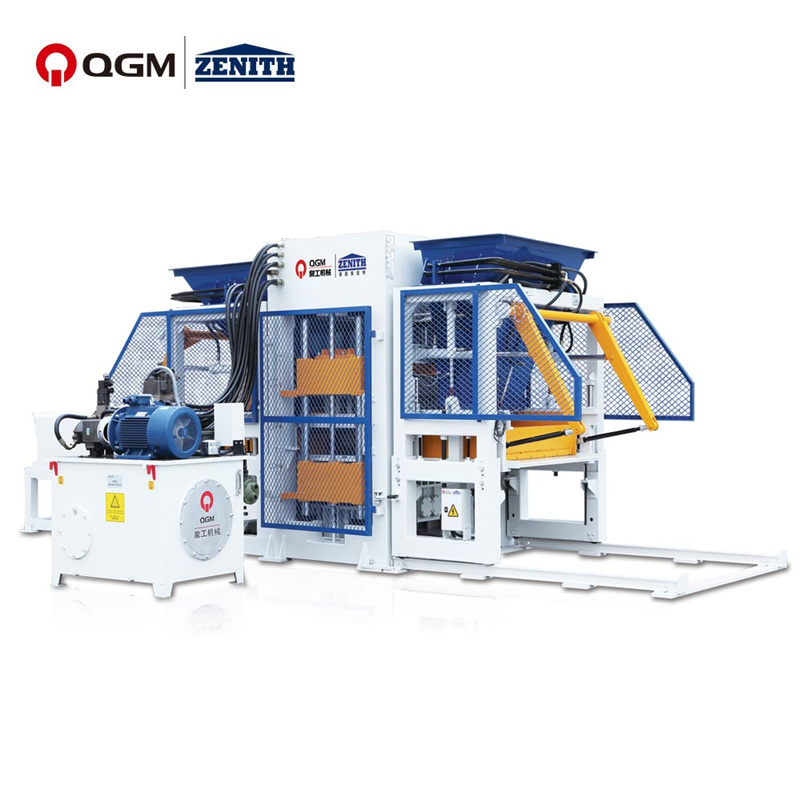
This is where QGM technology makes a significant difference. A superior mix design must seamlessly balance material characteristics with machine performance. By leveraging QGM advanced manufacturing solutions, producers can achieve this critical equilibrium, ensuring consistent product quality, streamlined production workflows, and long-term cost management.

1. Establish Clear Performance Targets First

The definition of an "optimal" mix is entirely dependent on the final application. Structural blocks, paving stones, and lightweight masonry units each demand distinct physical characteristics. Without specific performance benchmarks, any attempt at optimization will be inefficient.

Before formulating, clearly define these core parameters:

●Target compressive strength (e.g., ASTM or EN standards).

●Desired density and weight limitations.

●Required surface texture and long-term durability.

2. Maximize Density Through Aggregate Gradation

Aggregates serve as the structural skeleton of any concrete block. A poorly graded aggregate system creates excessive voids, which inevitably weakens the final product and forces manufacturers to overcompensate with expensive cement.

An optimized gradation strategy focuses on:

●Strategically blending coarse and fine particles.

●Minimizing internal void spaces.

●Enhancing particle interlocking for superior mechanical strength.

Pro Tip: Proper aggregate grading often yields greater strength improvements than simply adding more cement, resulting in significant cost reductions.


3. Strictly Control the Water-to-Cement Ratio

Water content is the most critical variable affecting both workability and ultimate strength. Excess water may make the mix easier to handle temporarily, but it ultimately compromises the structure by increasing porosity after curing.

Best practices for moisture management include:

●Utilizing the absolute minimum amount of water required for workability.

●Monitoring and maintaining consistent moisture levels in raw aggregates.

●Preventing batching fluctuations through automated systems.


4. Guarantee Homogeneous Mixing Distribution

Even the most scientifically formulated mix will fail if the blending process is flawed. Uneven distribution of cement paste and water leads to localized weak points and unpredictable block strength.

To ensure batch uniformity, operators should:

●Adhere to strictly calibrated mixing times.

●Maintain a consistent material feeding sequence.

●Avoid overloading the mixer beyond its designed capacity.


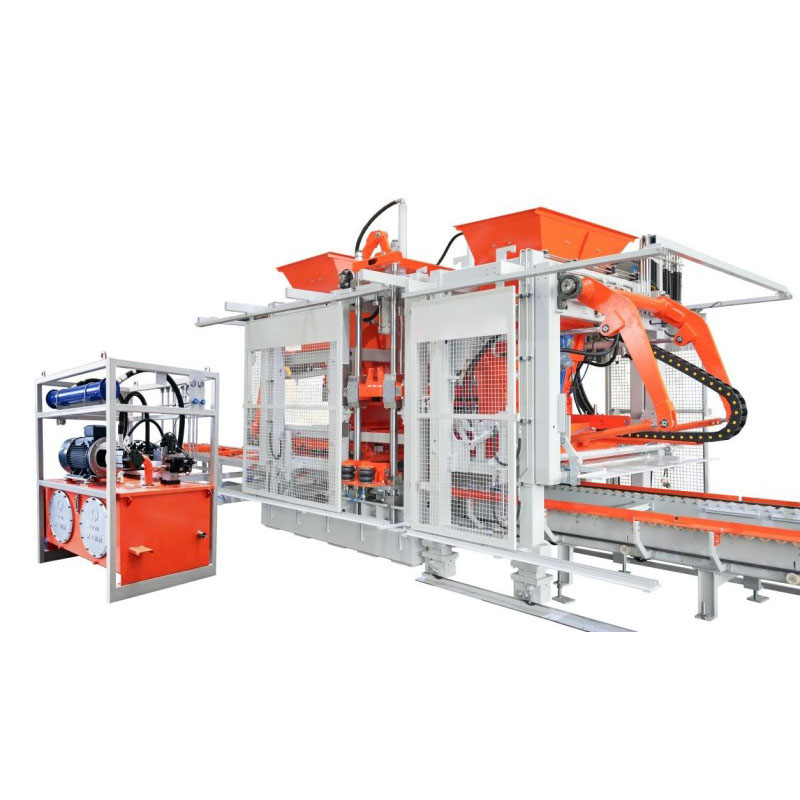
concrete block manufacturing


5. Synchronize Mix Design with QGM Vibration Technology

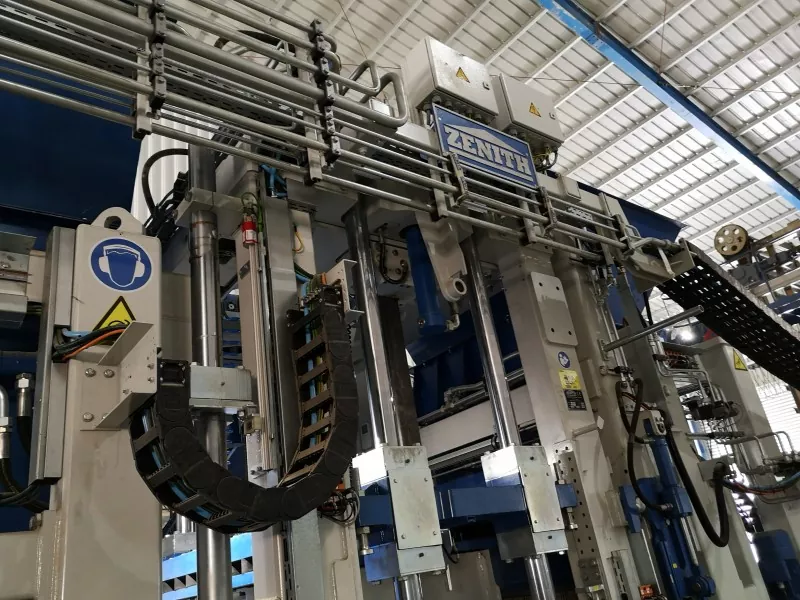
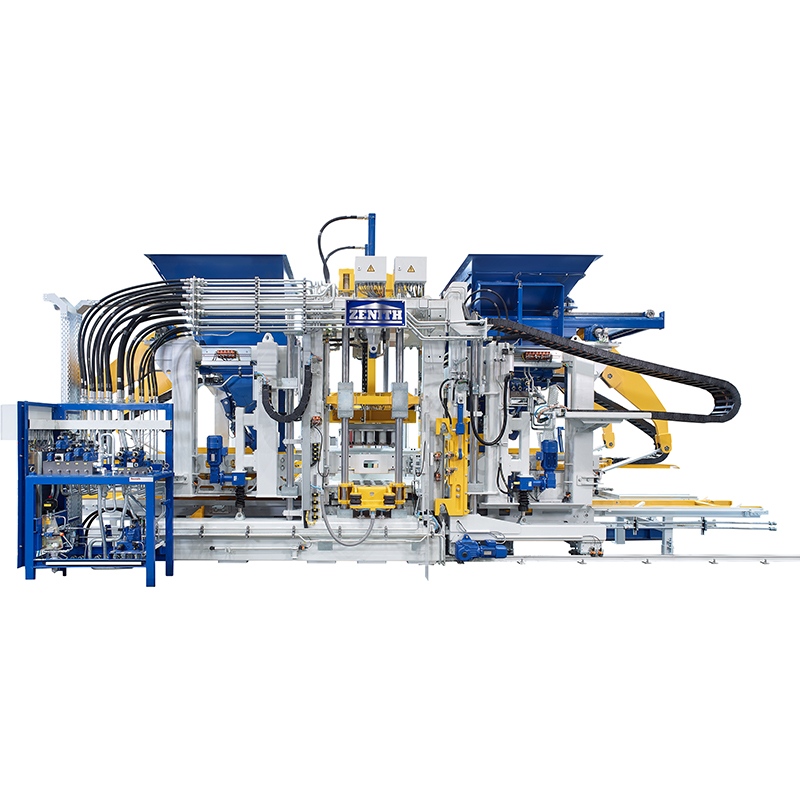
A mix design must be perfectly matched to the compaction capabilities of the block-making machine. This is where QGM technology provides a distinct competitive advantage. QGM utilizes an advanced Zenith ultra dynamic vibration system. This engineering innovation significantly reduces internal resistance during the vibration phase, ensuring uniform compaction while lowering overall cement consumption.

This powerful synergy between mix design and QGM machinery delivers:

●Superior compaction of zero-slump optimized mixes.

●Higher density output under identical energy inputs.

●Reduced reliance on high-cement formulations to achieve target strengths.

Quick Reference: The Core Pillars of Mix Optimization

Optimization Factor

Primary Objective

Key Action Item

Performance Targets

Align mix with end-use

Define strength & density requirements first

Aggregate Gradation

Minimize voids

Blend coarse/fine particles for interlocking

W/C Ratio Control

Reduce porosity

Use lowest workable water content consistently

Mixing Uniformity

Ensure predictable strength

Standardize feed sequence & mixing time

Vibration Synergy

Maximize compaction

QGM ultra-dynamic four-axis servo vibration


6. Ensure Stable Forming via Advanced Hydraulics

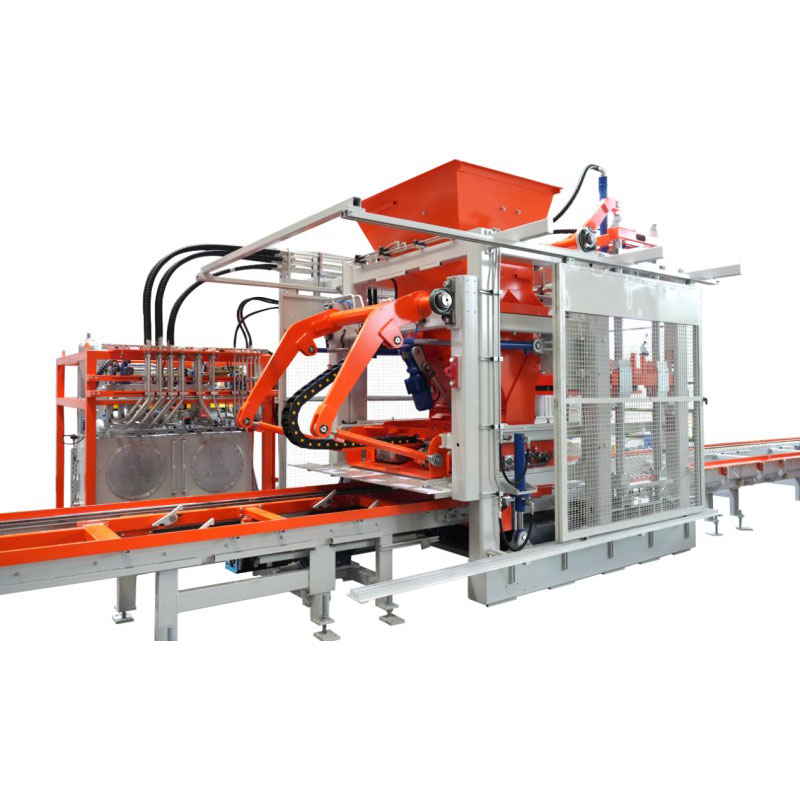
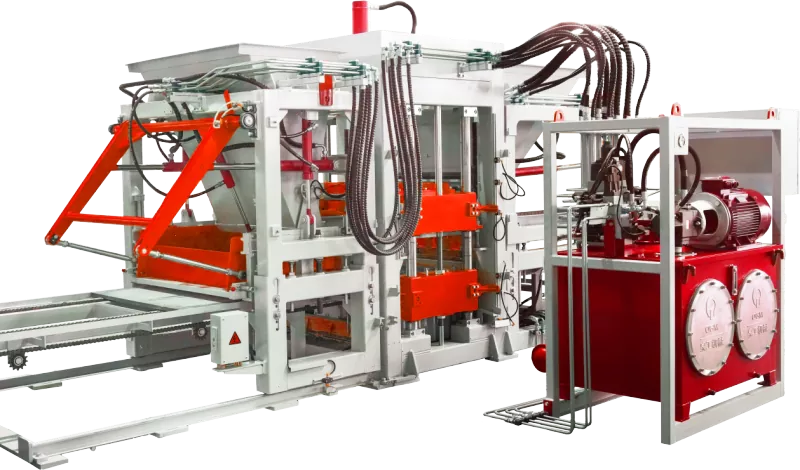
The true effectiveness of any mix design is dictated by consistent forming pressure during the molding phase. Fluctuations in hydraulic force can instantly compromise an otherwise perfect recipe. QGM machines feature a premium hydraulic configuration that integrates high-response proportional and directional valves sourced from Japan, paired with durable American hydraulic pumps. This robust setup guarantees precise pressure control, immense load-bearing capacity, and long-term operational stability, ensuring uniform compaction and minimizing production variability.


7. Leverage Intelligent Control for Process Consistency

Even the most scientifically balanced mix will fail if operational parameters fluctuate. Process consistency serves as the vital bridge between theoretical mix design and actual structural performance. QGM addresses this by integrating SIEMENS S7-1500PLC systems equipped with intuitive touch-screen interfaces and remote monitoring capabilities. This intelligent automation empowers operators to track real-time production data, fine-tune parameters with pinpoint accuracy, and maintain unwavering output quality across all shifts.


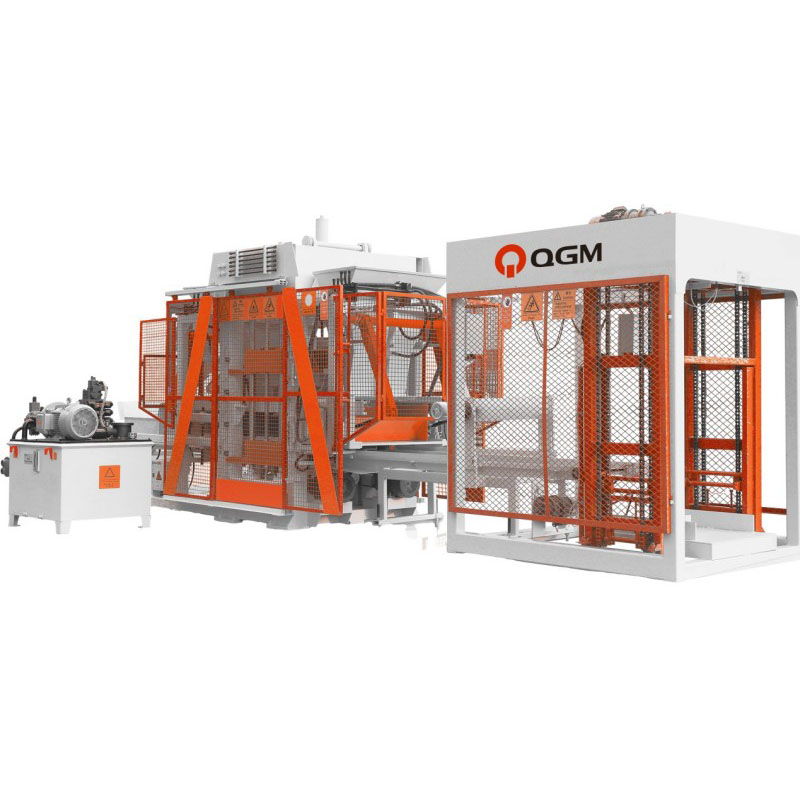
concrete block manufacturing


8. Translate Material Properties Through Precision Molds

Molds are the definitive interface where material properties are translated into physical products. Substandard tooling leads to dimensional drift and surface defects. QGM manufactures high-precision molds fully compatible with leading global brands such as MASA, HESS, ZENITH, POYATOS, BESSER, and TIGER. Produced strictly to original specifications and subjected to rigorous heat treatment for enhanced longevity, these molds guarantee accurate dimensions, smooth demolding cycles, and consistently pristine surface finishes.


9. Adopt a Continuous Testing and Refinement Strategy

There is no static "perfect mix." Raw material characteristics and environmental conditions are inherently dynamic, requiring continuous evaluation. Successful manufacturers must routinely monitor compressive strength, adjust proportions based on empirical test results, and maintain meticulous production records to adapt to changing variables.


From Formula to System Optimization: The QGM Advantage

True manufacturing optimization occurs when materials, machinery, and process control operate in absolute harmony. QGM embodies this integrated approach by combining advanced vibration systems, stable hydraulics, intelligent automation, and precision-engineered molds. This holistic synergy ensures that a well-designed mix consistently delivers high-strength, premium-quality concrete blocks without unnecessary cost inflation.

In modern manufacturing, competitive advantage is no longer achieved through sheer material consumption, but through precision engineering and disciplined execution. Ultimately, the "best mix" is not merely a ratio written on paper—it is a dynamic balance achieved through continuous optimization, technical mastery, and system-level thinking.

Core System Component

Function in Mix Optimization

The QGM Solution

Hydraulic System

Stabilizes forming pressure & compaction

Premium valves + High-performance pumps for precise control

Intelligent Controls

Maintains batch-to-batch consistency

SIEMENS S7-1500 PLC with real-time tracking

Precision Molds

Translates material properties accurately

OEM-compatible, heat-treated for durability

Vibration Tech

Maximizes density with optimized mixes

QGM ultra-dynamic four-axis servo vibration


Frequently Asked Questions (FAQ): Best Mix Design for Concrete Blocks

1. Does a one-size-fits-all mix design exist for concrete blocks?

No. The optimal mix is highly contextual and depends entirely on local raw materials, specific machine conditions, and end-product requirements.


2. How can I increase concrete block strength without adding more cement?

By optimizing aggregate gradation, maximizing mechanical compaction, and strictly controlling water ratios, you can significantly enhance strength while reducing costs.


3. What is the most crucial element of a concrete block mix design?

Aggregate gradation is widely considered the most influential factor, as it determines the internal density, particle interlocking, and overall structural integrity of the block.


4. How significantly does machine performance impact mix design?

It is absolutely crucial. Proper vibration frequency, stable hydraulics, and consistent automated control systems are essential to fully realize the potential of your mix design.


5. How frequently do you need to revise the mix design?

Regularly. Any changes in raw material moisture, aggregate grading, or ambient environmental conditions require ongoing adjustments to maintain peak performance.

Related News
Leave me a message
X
We use cookies to offer you a better browsing experience, analyze site traffic and personalize content. By using this site, you agree to our use of cookies.Privacy Policy
RejectAccept