ZENITH Maschinenfabrik GmbH

Essential Equipment for Small-Scale Concrete Block Production

2026-06-29 0 Leave me a message

Introduction: Compact Production Demands Full Engineering Rigor

Small-scale block manufacturing is commonly mistaken for a stripped-down, low-sophistication operation. The truth is quite the opposite. It is a concentrated production ecosystem that must obey the same physical and engineering laws governing massive industrial plants.


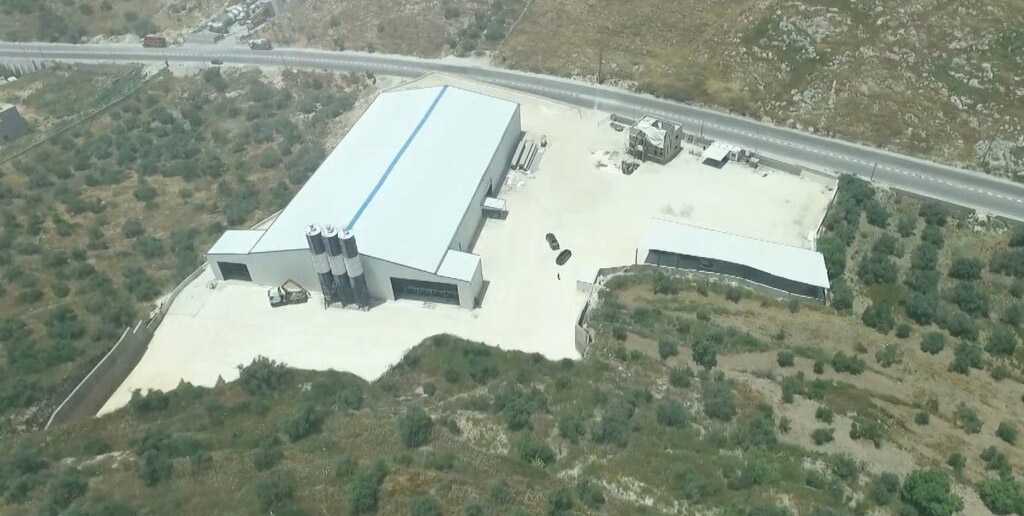
Small-Scale Concrete Block Production


The divergence is not in process architecture, but in throughput capacity, modular flexibility, and capital deployment. Even a modest footprint line must seamlessly weave together proportioning, blending, forming, and process governance into a unified operational chain.


1. Proportioning System: The Foundation of Repeatable Quality

Every finished block traces its lineage back to precise ingredient dosing. The proportioning system shoulders the responsibility of metering and dispensing raw materials — cement, aggregates, and water — in exact ratios prior to blending.

A foundational configuration generally comprises bulk storage silos or hoppers, load-cell weighing stations, and discharge chutes or belt conveyors. While mechanically straightforward, this stage exerts outsized influence over end-product integrity.

Erratic dosing produces erratic strength and erratic performance. For compact operations, measurement accuracy trumps throughput velocity every time.


2. Blending System: Engineering Composite Uniformity

Once proportioned, the constituent materials must achieve thorough homogenization. This phase is the decisive fork in the road: either the concrete emerges as a cohesive, predictable composite, or it fractures into a weak, variable matrix.

Compact facilities typically rely on pan-style mixers or space-efficient twin-shaft designs. Their mandate is threefold:

●Achieve even cement dispersion throughout the aggregate skeleton

●Lock in target moisture levels without drift

●Guard against particle stratification or segregation

A rigorously managed blending stage elevates forming predictability and suppresses surface and structural defects in cured blocks.


3. Block Forming Machine: The Operational Nucleus

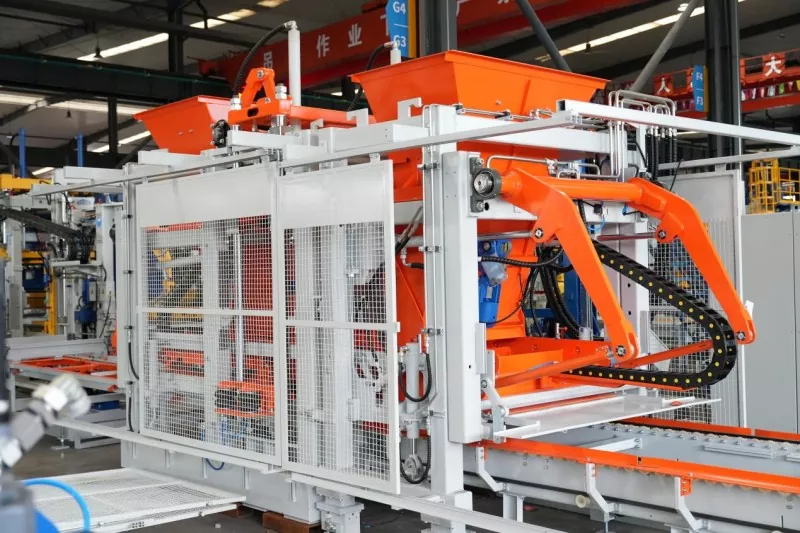
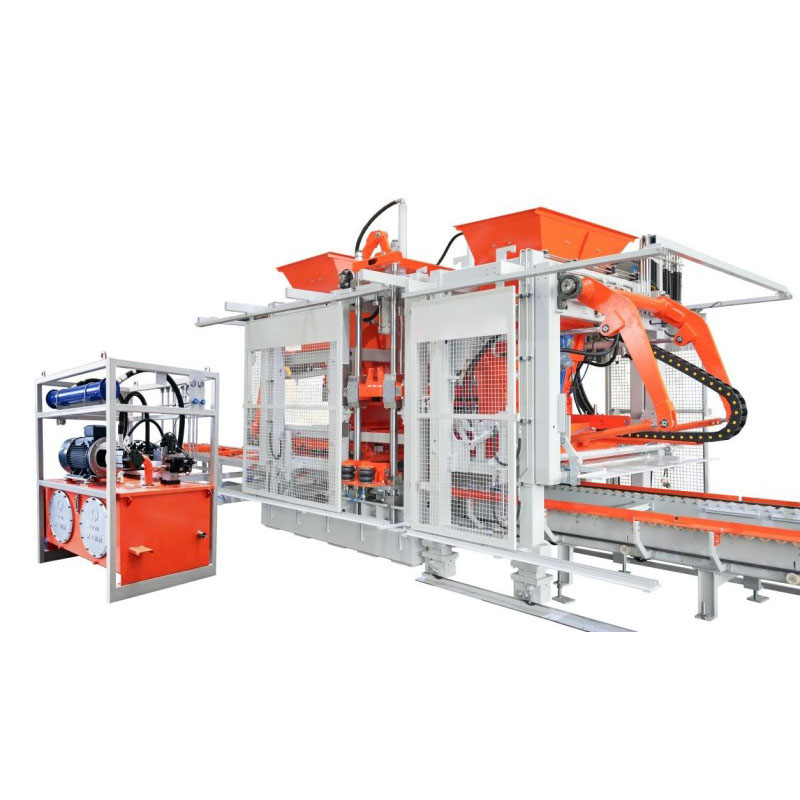
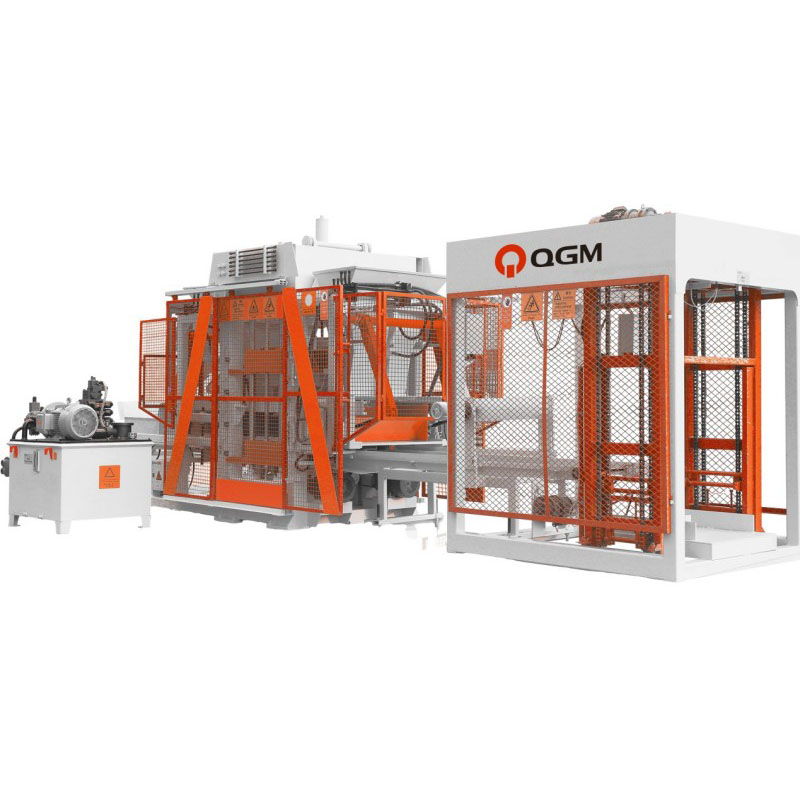
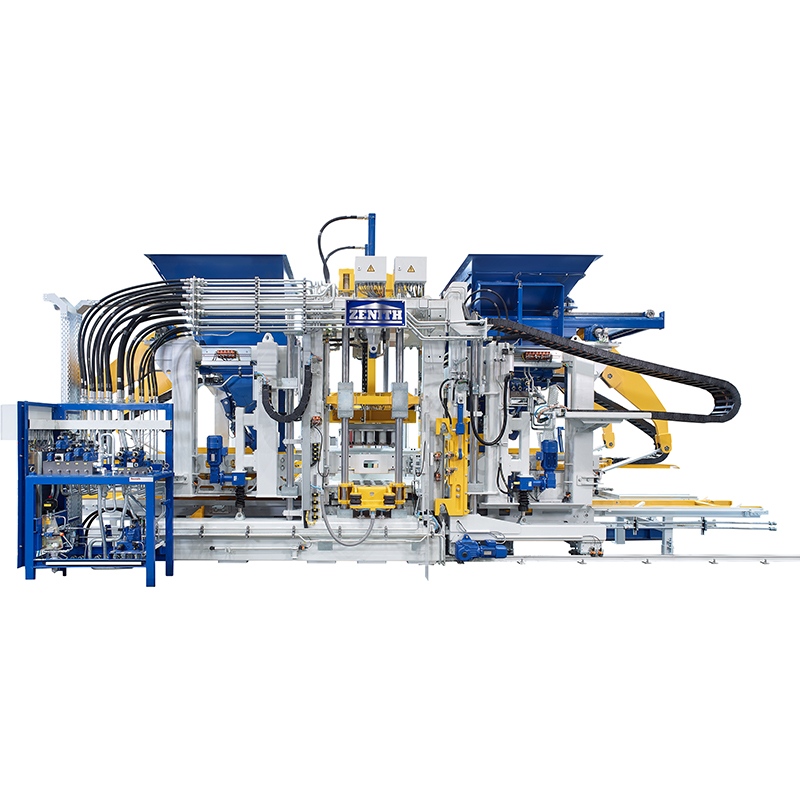
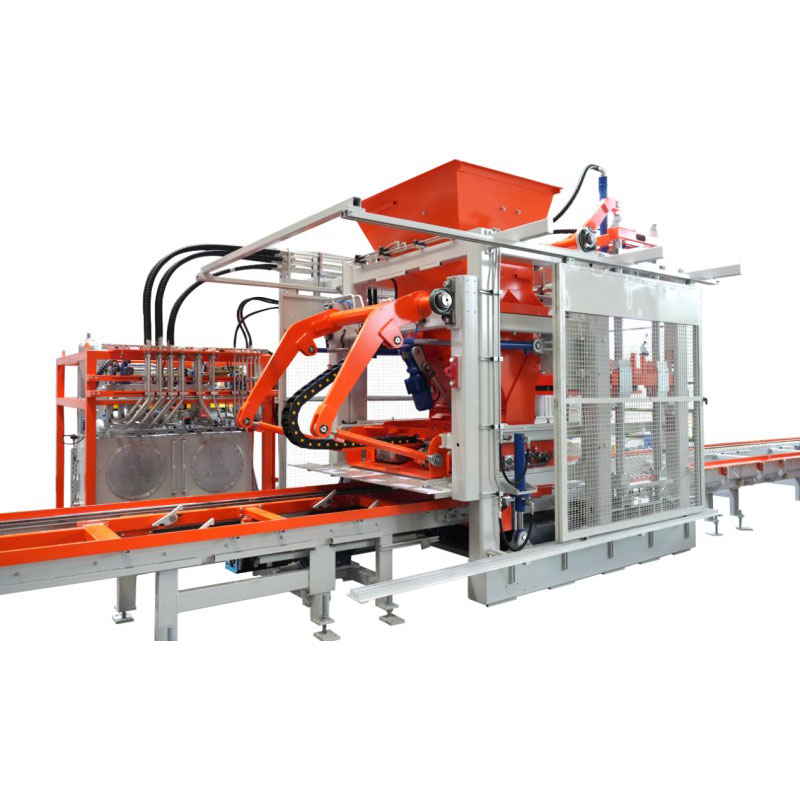
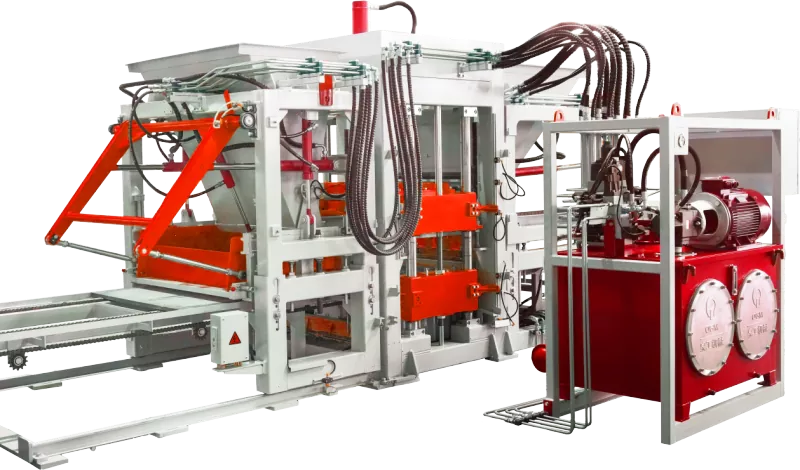
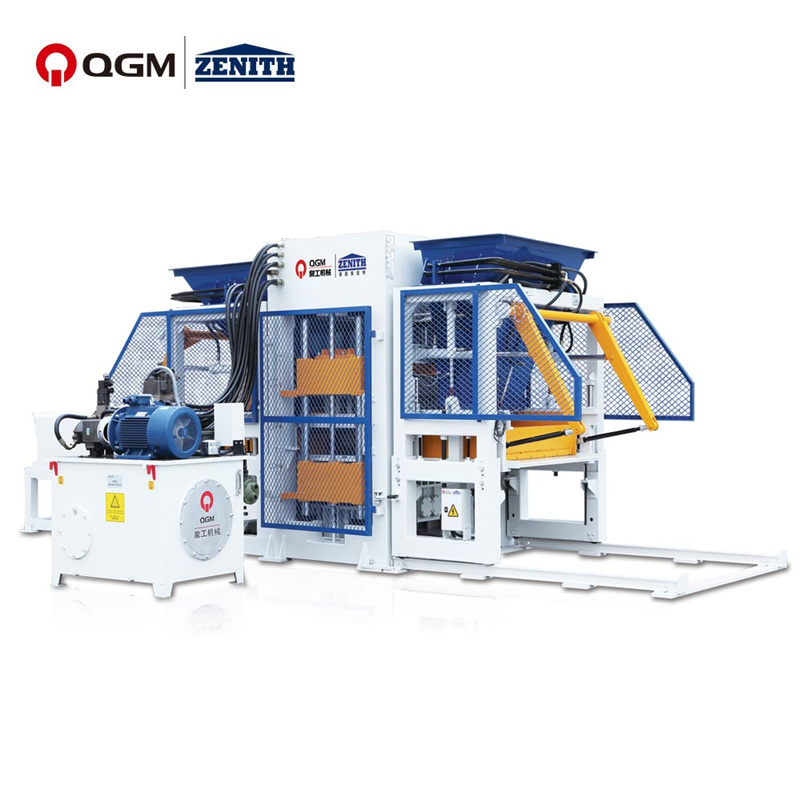
The forming machine stands as the pivotal asset in any production configuration. It dictates daily pallet counts, dimensional fidelity, and densification integrity.

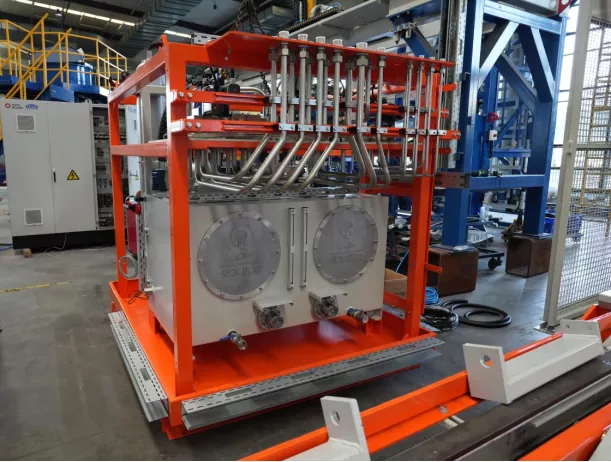
In contemporary architectures, hydraulic consistency is non-negotiable for repeatable forming. At QGM, the hydraulic circuit is architected around precision-regulated valving and a high-efficiency pump topology, delivering steady pressure delivery across thousands of repetitive pressing cycles. This pressure discipline curtails cycle-to-cycle variance and locks in uniform block density.

Forming stability carries particular weight in small-scale environments, where ambient conditions and feedstock characteristics may shift more frequently than in climate-controlled mega-facilities.


4. Vibration Subsystem: Mastering Density and Compressive Performance

Compaction is not a pressure-only phenomenon. Oscillation is indispensable for evacuating entrapped air and elevating internal matrix density.

QGM vibration platform employs a four-spindle oscillator bank with eccentric masses mounted outside the gearbox enclosure. This external-mass geometry attenuates internal mechanical drag and maximizes the fraction of vibrational energy that reaches the mold cavity.

The payoff: more homogeneous densification, elevated unit density, and meaningful cement savings through improved particle interlock.


5. Control System: Decoupling Quality from Operator Expertise

In compact factories, workforce technical depth can fluctuate widely. A dependable control layer insulates production quality from individual skill variability.

QGM embeds a programmable logic controller architecture with an intuitive human-machine interface. Floor personnel can dial in vibration dwell, pressing force, and cycle timing with confidence and precision.

This standardization elevates batch-to-batch reproducibility and sustains specification-grade output even when operating outside fully industrialized conditions.


6. Mould System: Where Microns Determine Market Acceptance

Moulds are the final arbiter of geometry and surface aesthetics. Sub-micron deviations in cavity dimensions or wall finish can trigger customer rejection or specification non-compliance.

QGM engineers moulds for cross-platform compatibility with globally dominant block equipment brands — MASA, HESS, ZENITH, POYATOS, BESSER, TIGER, and others. Each tool is machined to authentic OEM dimensional datasets and subsequently heat-treated to elevate surface hardness and frictional wear resistance.

The outcome is sustained geometric stability across extended production campaigns.


7. Ancillary Systems: The Unsung Workflow Enablers


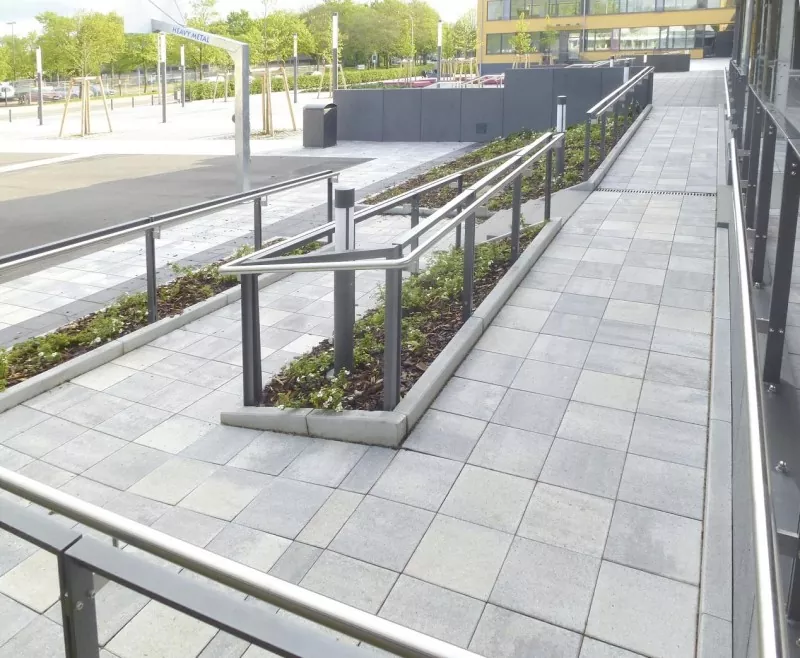
Small-Scale Concrete Block Production


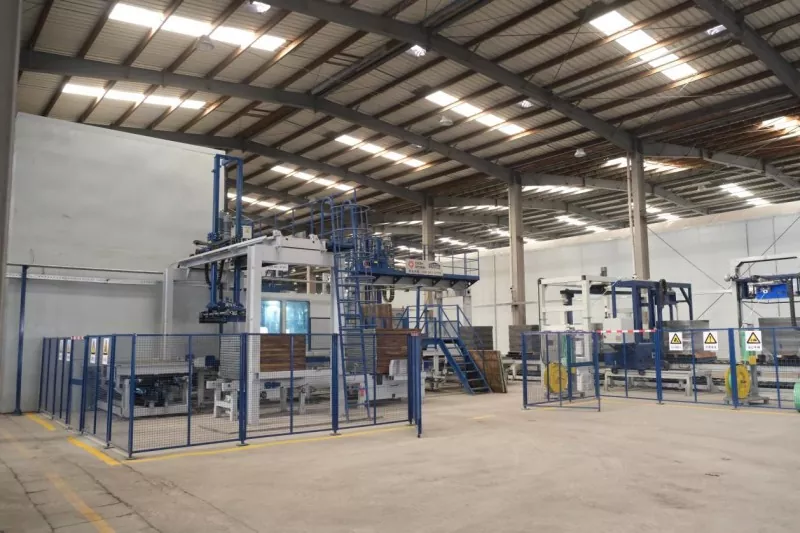
Beyond the core forming train, supporting infrastructure sustains operational rhythm:

●Bulk material conveying and elevating equipment

●Modular curing racks or automated stacking solutions

●Pallet management and rotation tooling

●Preventive maintenance kits and critical spare inventories

These elements do not touch the concrete directly, yet their absence or failure introduces friction, idle time, and throughput erosion.


FAQ: Small-Scale Block Production Equipment

1. What constitutes the bare-minimum equipment stack to launch production?

At minimum: a proportioning station, a mixer, a block forming machine, and a matched set of moulds. Ancillary infrastructure can be phased in as volume and complexity grow.


2. Is commercial-grade block quality achievable at small scale?

Unquestionably. Quality is a function of process discipline — proportioning accuracy, blending homogeneity, compaction consistency, and curing protocol — not facility square footage.


3. Must small producers invest in automation from day one?

Not obligatory. However, PLC-based governance delivers immediate stability dividends and insulates output from operator turnover or skill gaps.


4. How consequential is equipment selection for modest-scale operations?

Highly consequential. Machine stability is the primary determinant of uptime, reject rates, and multi-year return on invested capital.

Related News
Leave me a message
X
We use cookies to offer you a better browsing experience, analyze site traffic and personalize content. By using this site, you agree to our use of cookies.Privacy Policy
RejectAccept