ZENITH Maschinenfabrik GmbH

How to Reduce Concrete Block Production Costs Effectively

2026-06-26 0 Leave me a message

In the economics of concrete block production, the word "cheap" is frequently conflated with slashing upfront capital outlay. The reality is more nuanced. The genuinely lowest-cost manufacturing model is one that drives down per-unit expenditure across the entire asset lifecycle while preserving quality benchmarks that the market demands. This distinction cannot be overstated. A process that looks inexpensive on paper — yet triggers elevated scrap rates, burns through excess cement, or suffers chronic downtime — will inevitably destroy profitability.


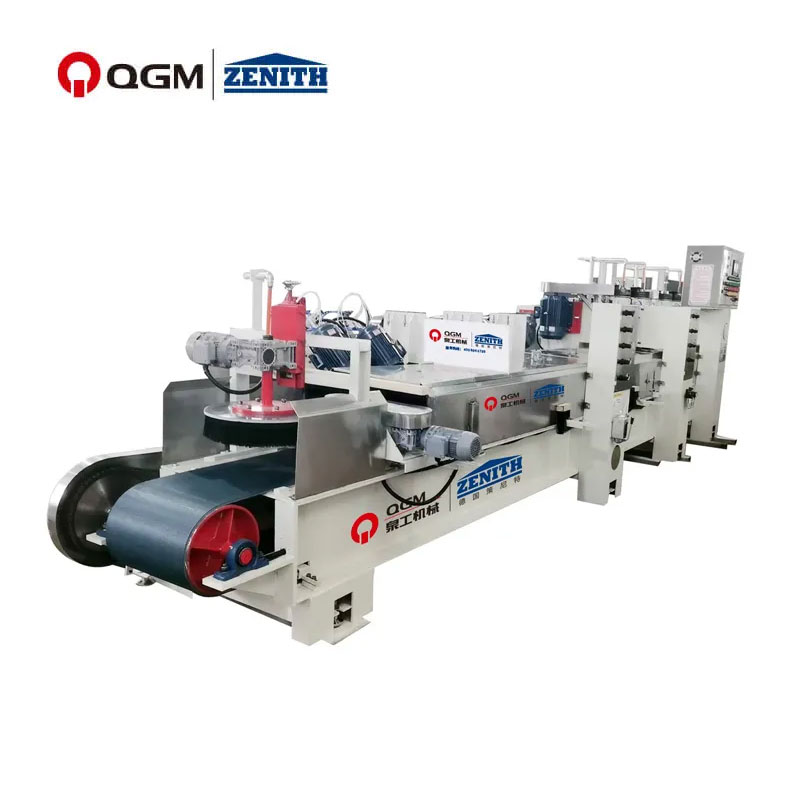
Concrete Block Production


The real question, then, is not where to cut spending, but how to extract greater output from every dollar, every kilowatt, and every labor hour invested.


1. Maximizing Value from Raw Material Inputs

Cement, aggregates, and water together swallow the lion's share of production budgets. Of the three, Portland cement carries the heaviest price tag per ton. That makes cement reduction — without sacrificing compressive strength — the single most impactful lever for cost compression.

A scientifically optimized mix design attacks this challenge at the particle level. When aggregate gradation is engineered to maximize packing density, interstitial voids shrink dramatically. Less binder is then required to fill those gaps and achieve equivalent structural performance.

Key takeaway: Trimming even a fractional percentage from the cement ratio, when multiplied across daily outputs measured in thousands of blocks, compounds into meaningful margin recovery.


2. Achieving Strength Through Compaction, Not Binder Overdose

A widespread but misguided tactic for boosting block strength is indiscriminately increasing cement dosage. This approach inflates both material bills and carbon footprint while delivering diminishing returns. Structural integrity stems not merely from binder volume, but from how thoroughly that binder-aggregate matrix is compacted.

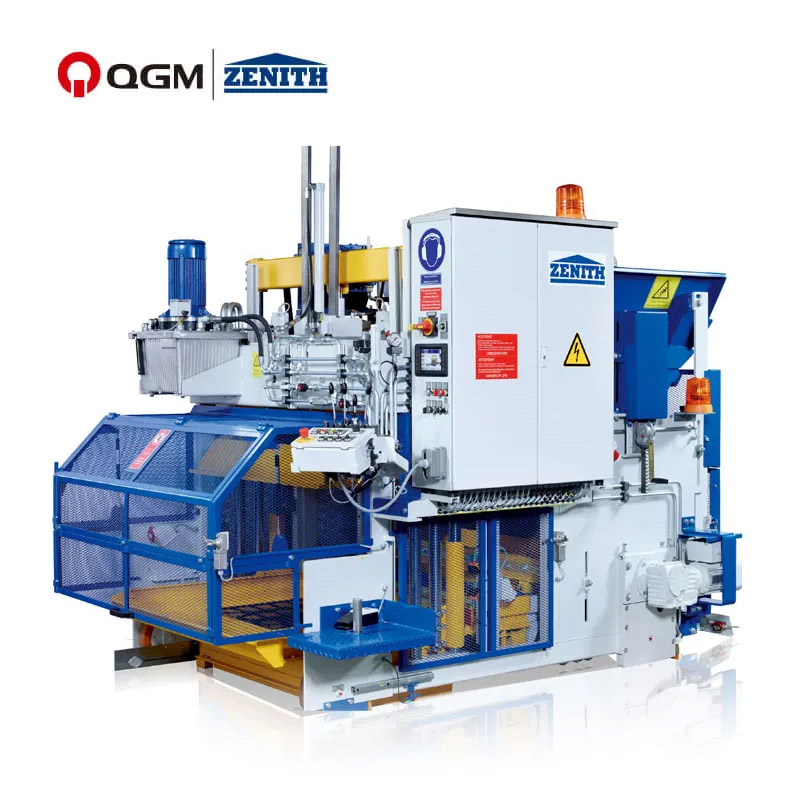
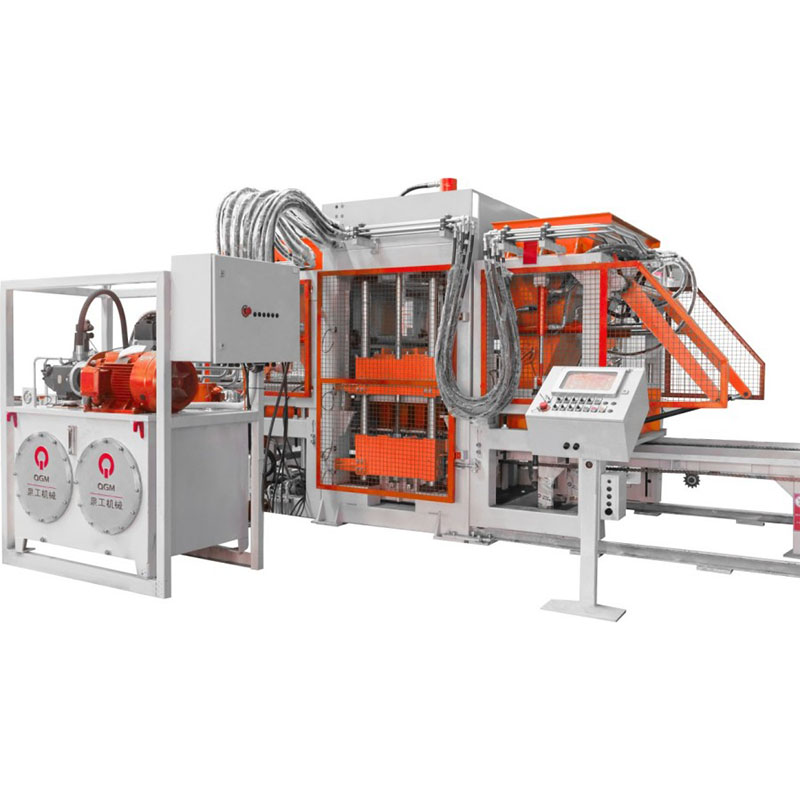
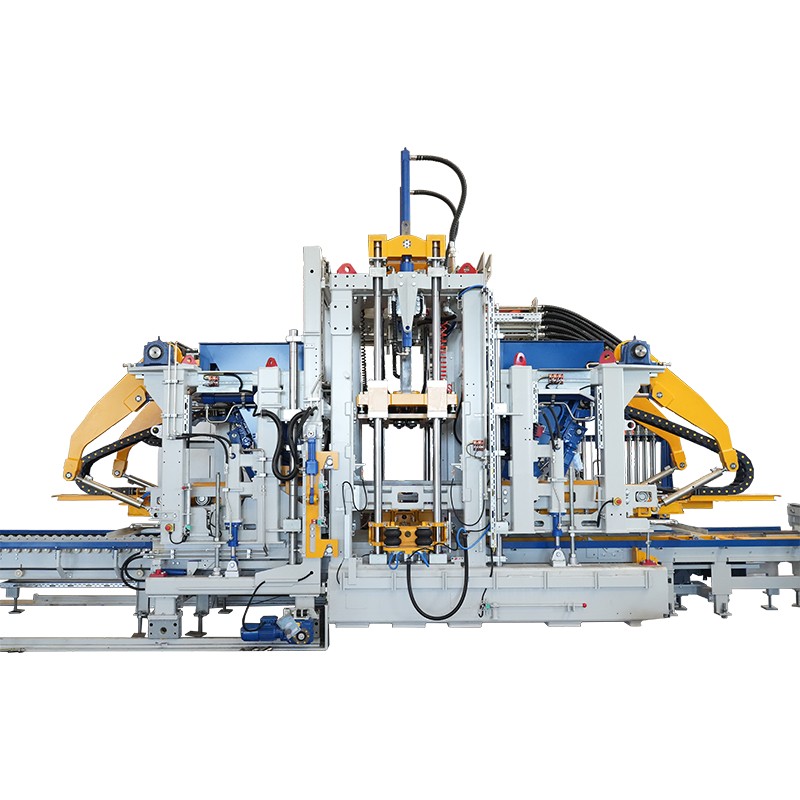
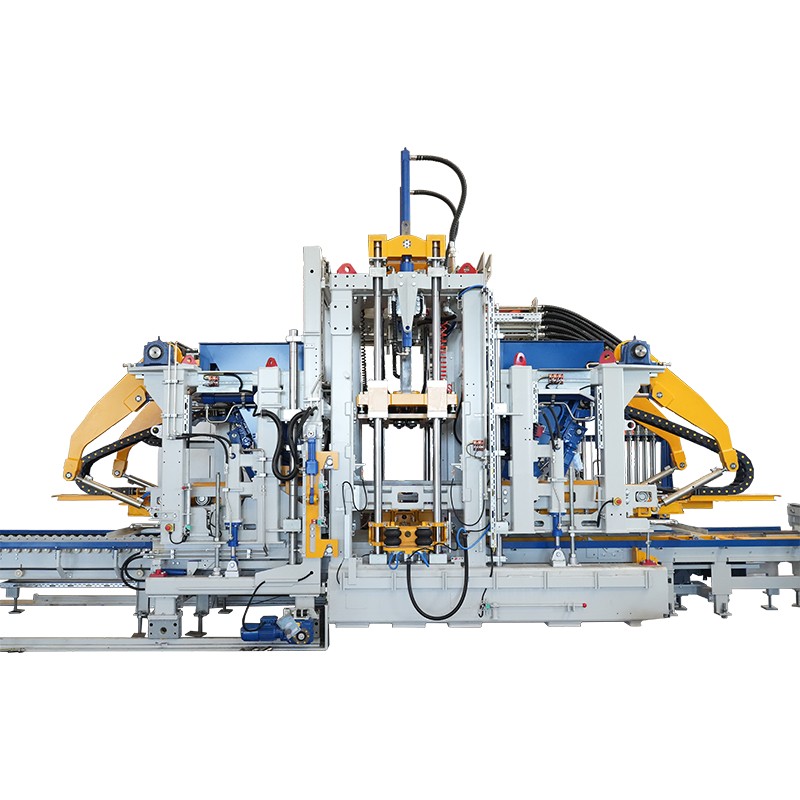
QGM deploys a four-spindle vibrator box with eccentric masses positioned external to the housing shell. This architecture slashes parasitic drag during oscillation, promotes homogeneous densification across the mold cavity, and enables cement savings without compromising strength targets — all while lifting cycle throughput.

By prioritizing compaction excellence over cement excess, producers fabricate higher-density units at lower binder cost per piece.


3. Deploying Automation to Compress Labor Overhead

Personnel costs represent another major P&L line item, especially in markets where hand-mixing and manual mold filling still dominate. While mechanization demands upfront capital, the long-term operational economics are overwhelmingly favorable.

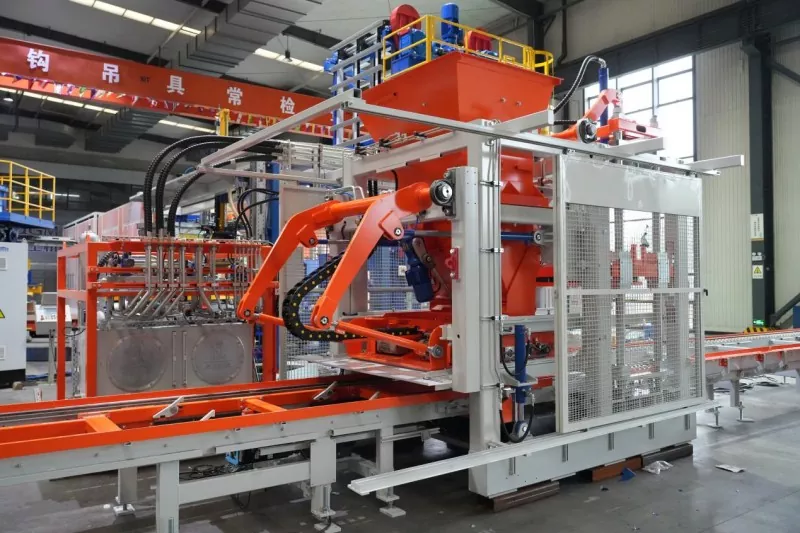
QGM integrates a SIEMENS S7-1500 programmable logic controller with an accessible touchscreen and remote connectivity. Through this digital backbone, a single operator can monitor the full production chain, fine-tune process variables in real time, and lock in uniform output with negligible hands-on intervention.

The dual benefit: reduced headcount dependency plus the elimination of human variability — a stealth cost driver that often goes unmeasured until defect audits reveal its true price.


4. Sustaining Hydraulic Performance and Energy Discipline

Hydraulic infrastructure governs mold indexing, pressing force delivery, and cycle repeatability. Suboptimal hydraulics bleed energy, generate inconsistent compaction, and accelerate wear-related maintenance.

QGM integrates the advanced Zenith Ultra-Dynamic system to redefine operational excellence. This innovative structural layout drastically minimizes parasitic drag during oscillation, ensuring uniform material densification. The result is a highly efficient production process that not only reduces cement consumption but also significantly boosts overall throughput.


5. Prolonging Mold Life and Cutting Replacement Cycles

Tooling wear is a cost factor that frequently escapes management attention. Yet frequent mold swaps inflate direct procurement spend and fracture production continuity.

QGM manufactures high-precision molds designed to seamlessly fit a wide range of internationally recognized block machine brands, including MASA, HESS, ZENITH, POYATOS, BESSER, TIGER, and others. Produced in strict accordance with original equipment specifications, these molds ensure accurate installation, smooth demolding performance, and consistent block dimensions throughout long-term production. To further enhance durability, each mold undergoes specialized heat-treatment processes that improve wear resistance, reduce maintenance requirements, and extend operational lifespan under demanding manufacturing conditions.

Extending mold longevity translates directly into lower amortized tooling cost and fewer disruptive changeouts.


6. Driving Waste Out Through Closed-Loop Process Governance

Waste manifests as rejected blocks, spilled material, or energy squandered through inefficiency — and every form erodes margin. Tight process governance is therefore non-negotiable.

Live monitoring arrays enable operators to catch deviations in vibration signature, hydraulic pressure, or material flow velocity before they snowball into scrap. Early correction preserves yield and protects profitability.

In strict economic terms, every unit of waste prevented is a unit of cost permanently removed.


7. Right-Sizing Production Scale to Market Reality

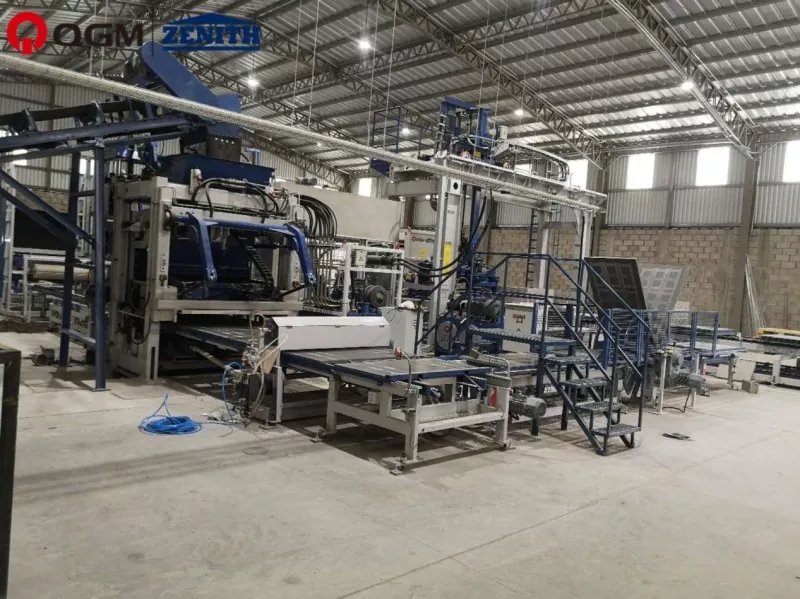
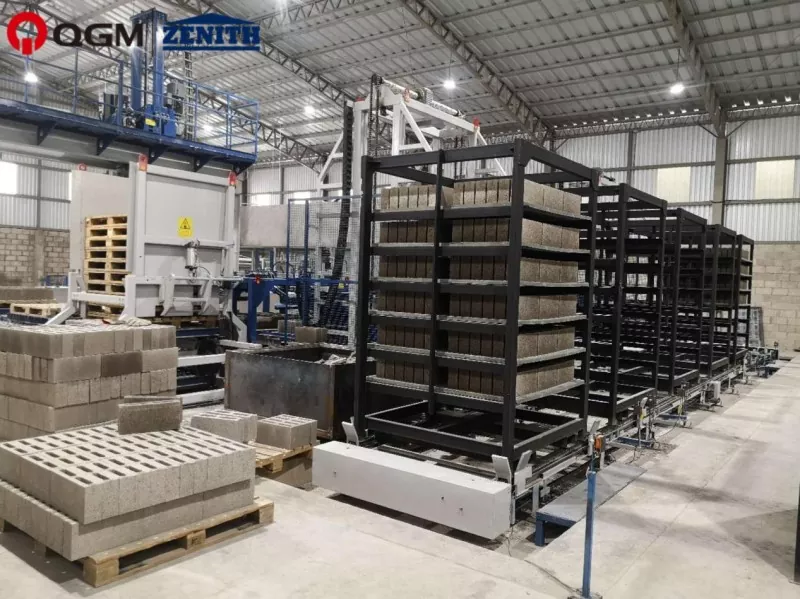
Counterintuitively, the lowest-cost path is rarely the smallest or most rudimentary setup. Manual low-capacity lines may require minimal initial outlay, but their unit economics typically suffer from labor intensity and throughput bottlenecks.


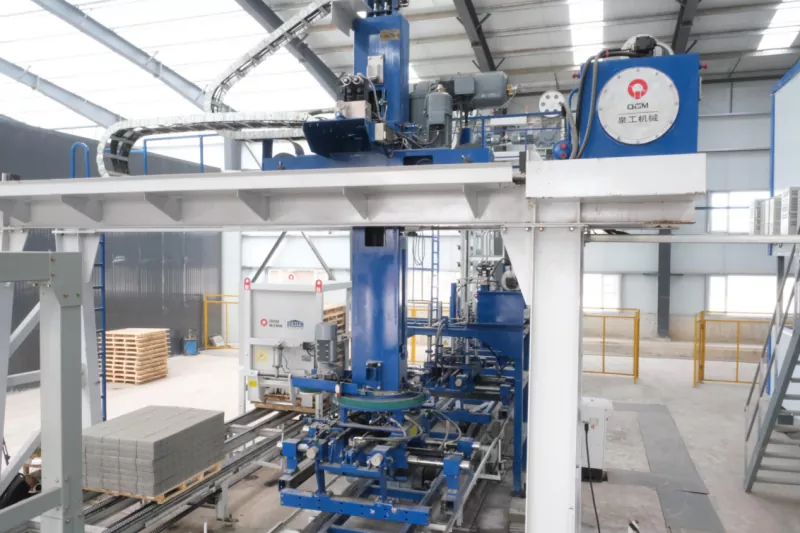
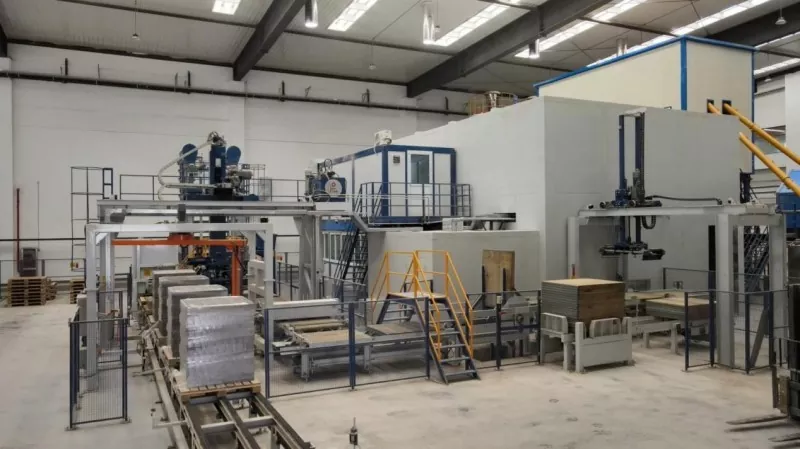
Concrete Block Production


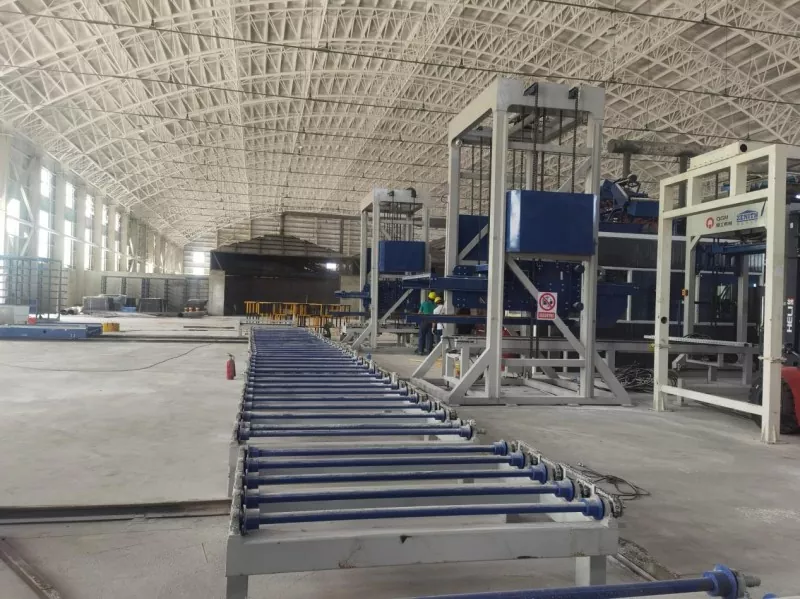
Conversely, a properly configured automated line — despite higher capex — can deliver lower cost-per-block through production scale, repeatable quality, and leaner waste profiles.

The optimal configuration hinges on forecasted volume, regional demand patterns, and available capital and labor resources.


FAQ: Cost Optimization in Block Production

1. Is reducing cement content always the most economical route?

Not automatically. Aggressive cement cuts can undermine strength and spike rejection rates, which ultimately inflates total cost. The goal is optimized reduction, not arbitrary elimination.


2. Can compact factories compete on production cost?

Absolutely. Through disciplined mix design, superior compaction, and targeted automation, smaller-scale operations can maintain competitive unit economics.


3. How critical is equipment quality to long-term cost control?

Pivotal. Premium machinery curtails downtime, elevates efficiency, and compresses maintenance spend over the equipment lifecycle.


4. Does automation universally lower production costs?

Over the medium to long term, yes. The initial investment is steeper, but automation systematically reduces labor outlay and tightens output consistency.

Related News
Leave me a message
X
We use cookies to offer you a better browsing experience, analyze site traffic and personalize content. By using this site, you agree to our use of cookies.Privacy Policy
RejectAccept