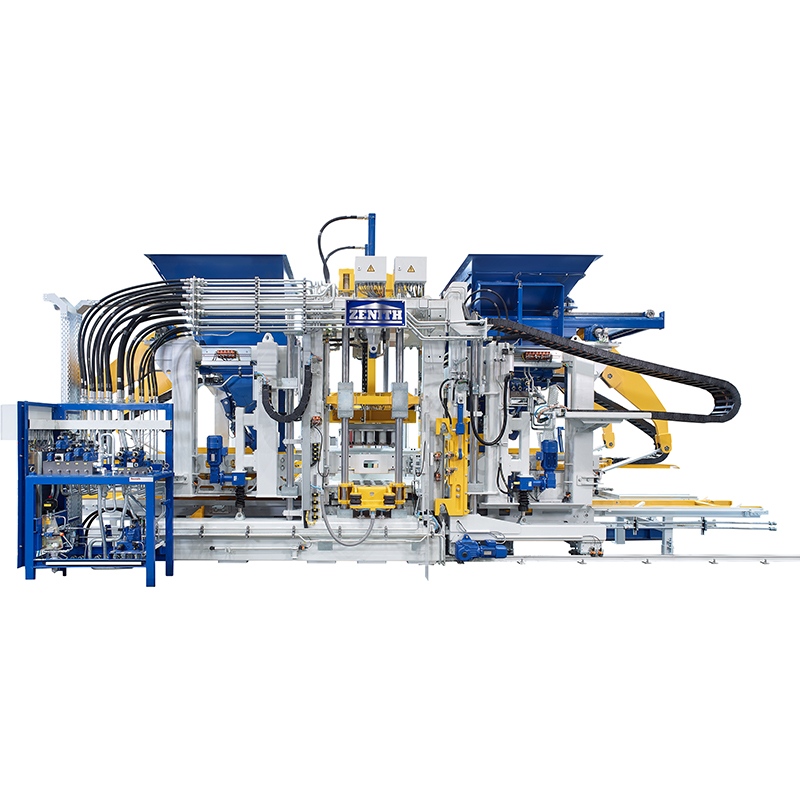
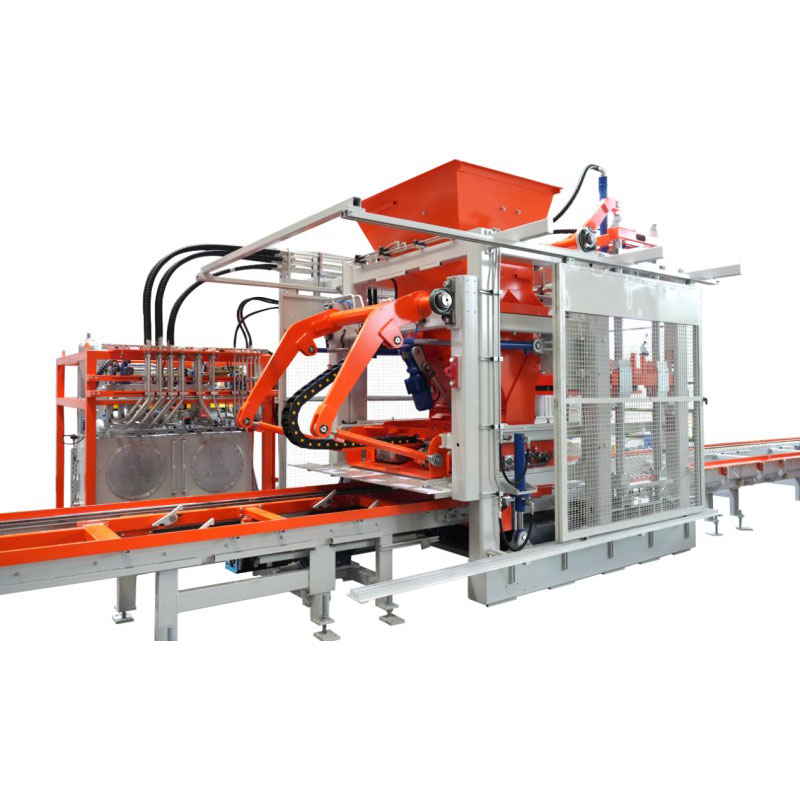
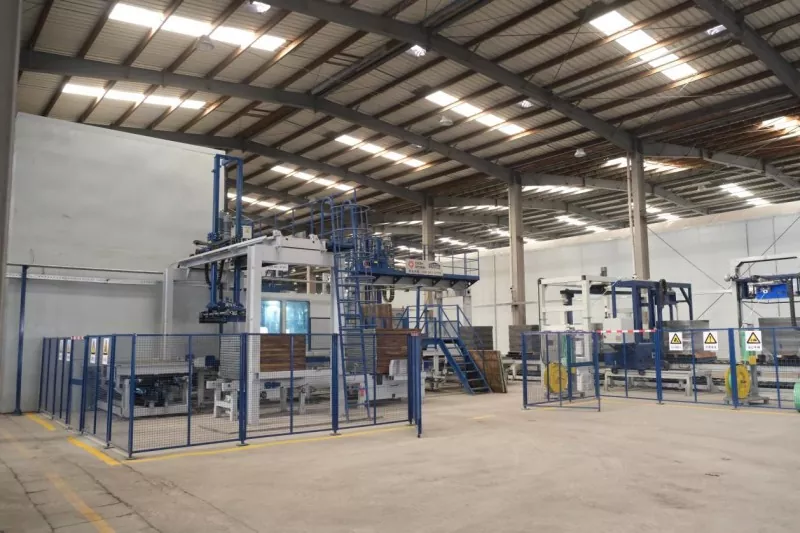
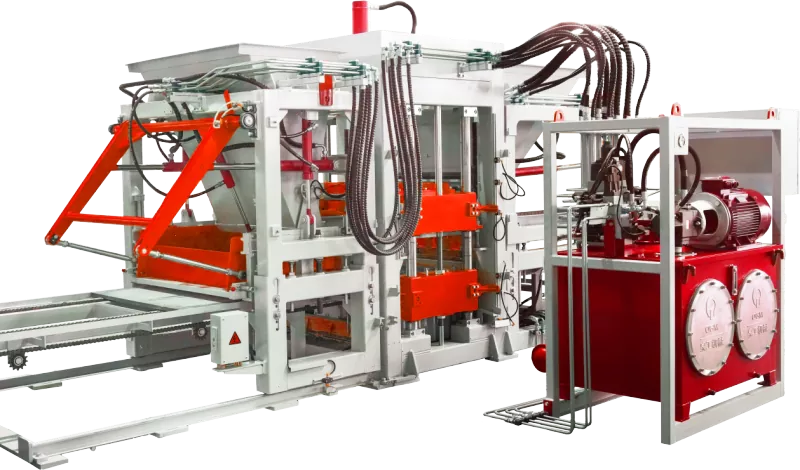
A common misconception in the construction material industry is that elevating concrete block quality necessitates heavy financial investment. In reality, the root causes of quality inconsistencies—such as low strength, surface defects, or dimensional inaccuracies—rarely stem from a lack of spending. Instead, they are typically the result of inefficient production workflows, unstable process parameters, and the suboptimal utilization of existing equipment.
By shifting the focus from "spending more" to "managing better," manufacturers can significantly enhance block strength, uniformity, and overall production efficiency without inflating operational costs. The secret lies in precision control, process stability, and advanced system integration.
Below, we explore how QGM (Quangong Machinery) leverages engineering excellence to solve these common production challenges.
Many manufacturers fall into the trap of believing that simply adding more cement will automatically guarantee higher block strength. While this might offer a temporary fix, it drastically inflates raw material costs and erodes profit margins.
The smarter, more sustainable approach is to optimize material efficiency through scientific mix design. Instead of increasing cement dosage, focus on the following:
Optimize Aggregate Grading: A well-graded mix ensures better particle packing, significantly reducing internal voids. This directly improves compressive strength without requiring extra cement.
Precise Water-Cement Ratio Control: Utilizing water-reducing agents (plasticizers) can improve workability while lowering the water content, leading to a denser and stronger final product.
Uniform Mixing: Ensuring the raw materials are thoroughly and consistently mixed is fundamental. Inconsistent mixing leads to weak spots and structural fragility.
Industry Insight: A balanced mix design not only meets strength standards (such as MU5 or MU7.5) but also enhances the durability and weather resistance of the blocks, making them suitable for diverse construction environments.
Compaction is the heartbeat of block manufacturing. It is the single most critical factor influencing density, durability, and dimensional accuracy. Poor or uneven compaction results in internal porosity, low density, and a higher risk of breakage during transport and construction.
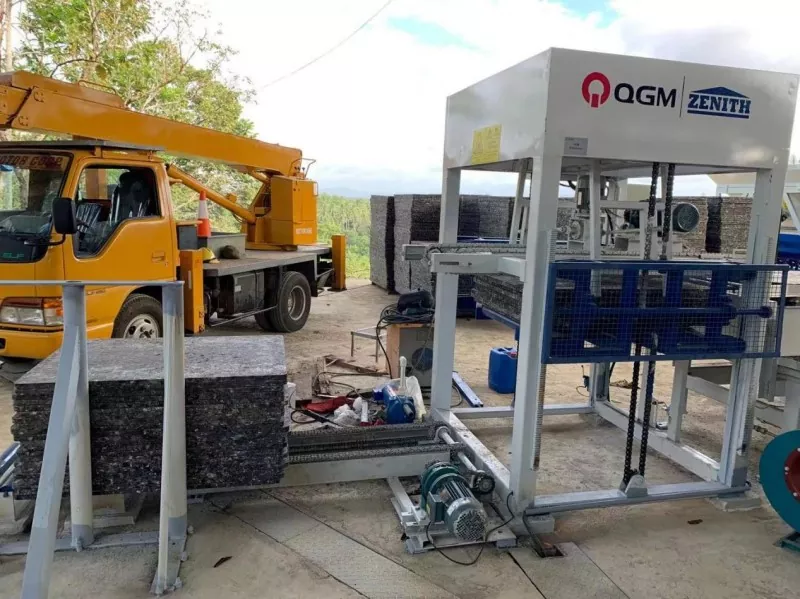
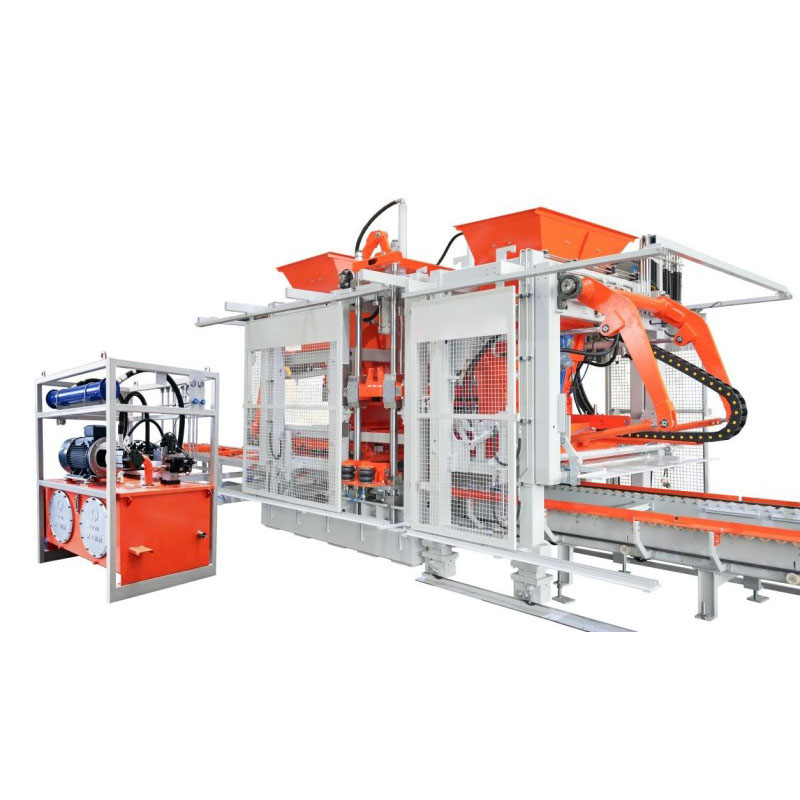
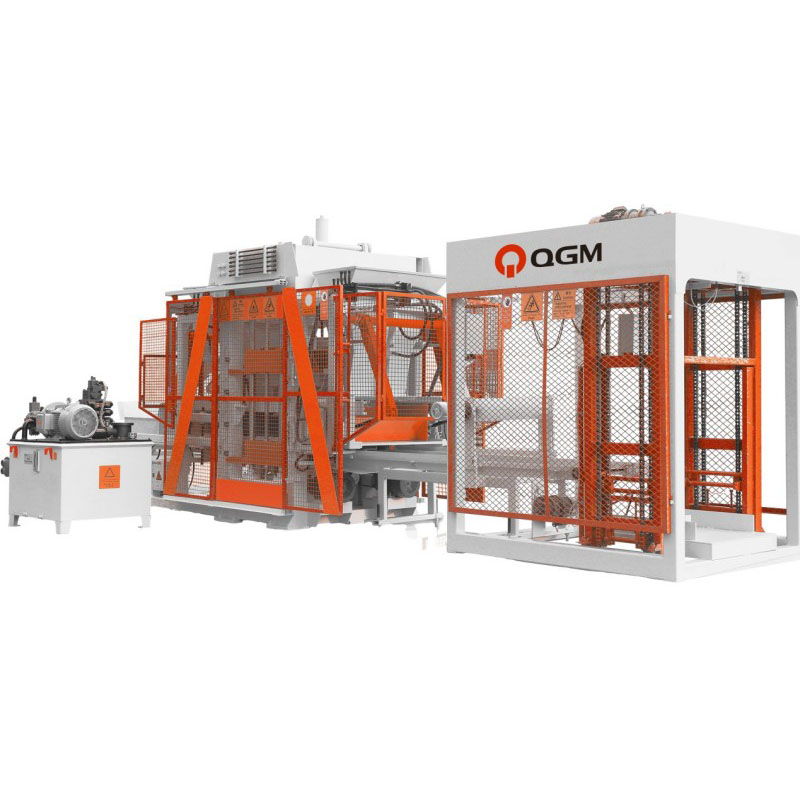
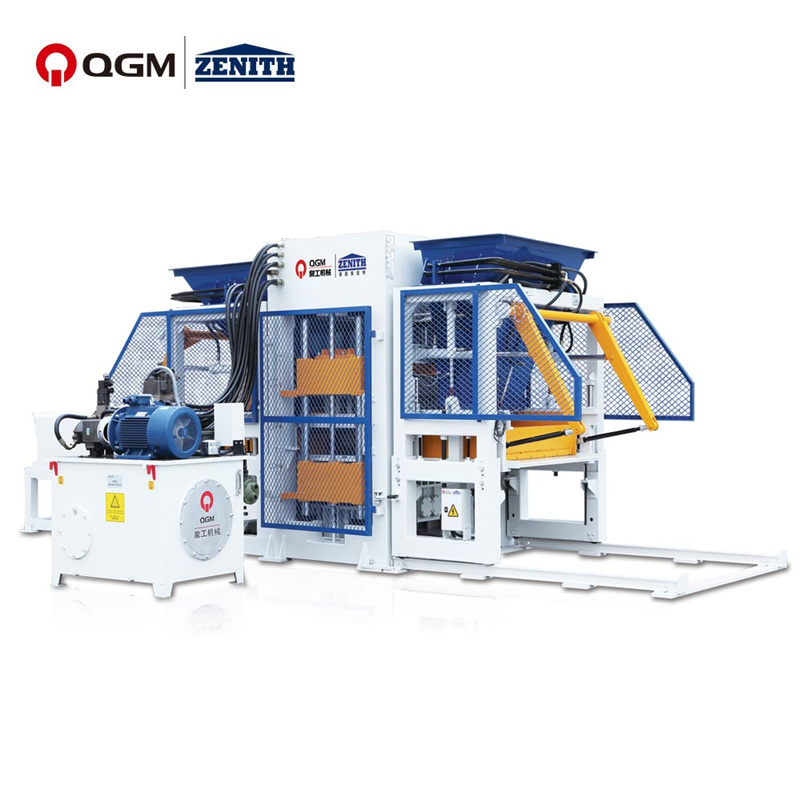
This is where QGM distinguishes itself with superior engineering. QGM machinery adopts a cutting-edge four-shaft vibration box design with eccentric blocks positioned outside the housing.
Reduced Resistance: The external eccentric block design minimizes vibration resistance, allowing for more efficient energy transfer.
Uniform Compaction: It ensures that vibration energy is distributed evenly across the mold, eliminating weak spots.
Cost Efficiency: By achieving optimal density through superior vibration rather than excess cement, manufacturers can lower their cement consumption while boosting overall output.
To maximize the performance of your compaction system, consider the following best practices:
|
Optimization Step |
Action Item |
Expected Outcome |
|
Parameter Tuning |
Adjust vibration frequency and amplitude based on the specific block type (solid vs. hollow). |
Prevents under-vibration (weak blocks) or over-vibration (segregation). |
|
Routine Maintenance |
Regularly inspect vibration components and hydraulic systems. |
Maintains consistent pressure and prevents unexpected downtime. |
|
Smart Monitoring |
Utilize automated control systems (like PLC) to monitor real-time data. |
Reduces human error and ensures every batch meets quality standards. |
By integrating precise mix designs with QGM advanced vibration technology, manufacturers can transform their production lines. The result is a robust, repeatable, and scalable system where quality is engineered into every stage of production, ensuring every block reflects measurable and reliable standards.
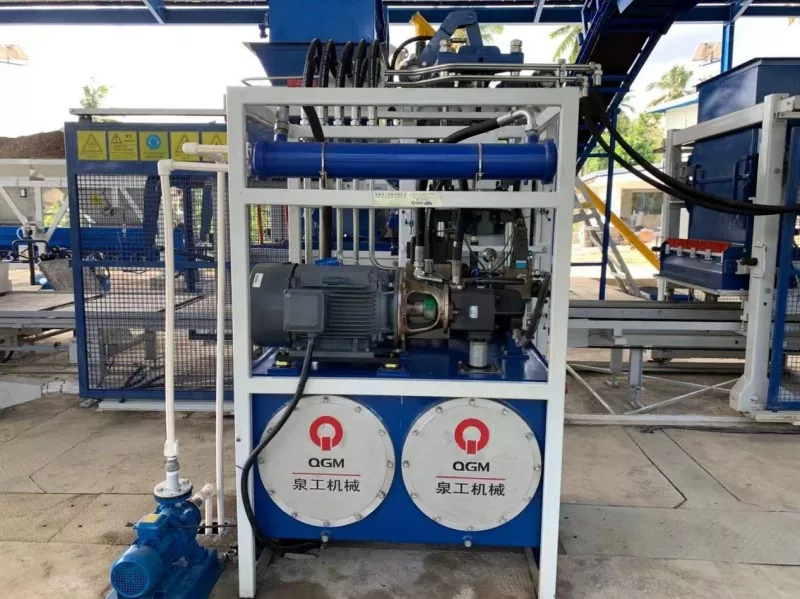
In any concrete block production line, the hydraulic system acts as the power center that coordinates pressure generation, mould movement, and machine synchronization. When hydraulic performance becomes unstable, manufacturers often experience fluctuating block density, dimensional inaccuracies, and reduced production efficiency.
Rather than viewing hydraulics as a supporting component, successful producers treat it as a critical quality-control mechanism.
●Hydraulic Stability
●Consistent Forming Pressure
●Uniform Material Compression
●Stable Block Density
●Reliable Product Quality
Even minor pressure variations during the forming process can create noticeable differences in compressive strength and block dimensions.
To ensure dependable operation, QGM utilizes a high-performance hydraulic architecture equipped with precision proportional valves, directional control technology, and heavy-duty pump systems designed for continuous industrial production.
|
Core Factors Affecting Hydraulic Performance |
|
|
Hydraulic Factor |
Impact on Production |
|
Pressure Stability |
Consistent block density |
|
Oil Cleanliness |
Reduced component wear |
|
Flow Control Accuracy |
Smooth machine operation |
|
Temperature Management |
Longer service life |
|
System Response Speed |
Improved cycle consistency |
✅️Monitor working pressure regularly
✅️ Inspect hydraulic pipelines and seals
✅️ Prevent oil contamination
✅️ Replace filters according to schedule
✅️ Check temperature fluctuations during operation
A well-maintained hydraulic system not only improves product consistency but also significantly reduces unplanned downtime and maintenance expenses.
Many block factories still rely heavily on operator experience when adjusting production parameters. While experienced personnel are valuable, manual decision-making often introduces inconsistencies between shifts, operators, and production batches.
This variability becomes increasingly problematic as production volume grows.
Modern manufacturers are therefore moving toward data-driven process control.
QGM integrates advanced SIEMENS PLC technology combined with touchscreen operation and remote management functionality, enabling production parameters to remain stable regardless of operator changes.
|
Traditional Operation vs Intelligent Control |
|
|
Production Method |
Result |
|
Manual Adjustment |
Variable quality |
|
Experience-Based Decisions |
Inconsistent output |
|
Intelligent PLC Control |
Repeatable production |
|
Real-Time Monitoring |
Faster optimization |
By replacing guesswork with measurable data, manufacturers can dramatically reduce production variability and improve operational efficiency.
●Continuous equipment status tracking
●Faster troubleshooting
●Improved production repeatability
●Reduced material waste
●Better process transparency
Industry Insight: Factories that rely on data-driven management often achieve greater quality consistency without increasing labor or material costs.
No matter how advanced a block machine may be, the final shape and appearance of the product are ultimately determined by the mould.
As moulds wear over time, dimensional accuracy gradually declines, resulting in:
●Uneven block geometry
●Surface imperfections
●Edge damage
●Increased rejection rates
For this reason, mould management should be viewed as a long-term quality investment rather than a maintenance expense.
QGM manufactures precision moulds compatible with leading international equipment platforms, including MASA, HESS, ZENITH, POYATOS, BESSER, and TIGER. Each mould is produced according to original engineering standards and undergoes specialized heat-treatment processes to maximize wear resistance and dimensional stability.
|
Mould Condition and Production Performance |
|
|
Mould Status |
Production Impact |
|
Excellent Condition |
Precise dimensions and smooth surfaces |
|
Moderate Wear |
Minor dimensional deviations |
|
Severe Wear |
Increased defects and scrap rates |
✅️ Inspect mould surfaces regularly
✅️ Monitor wear on critical contact areas
✅️ Replace damaged inserts promptly
✅️ Verify alignment before production starts
✅️ Maintain proper lubrication where required
A precision mould does far more than shape concrete—it ensures repeatability, protects production efficiency, and supports long-term profitability.
In highly competitive concrete product markets, consistent quality is rarely achieved through a single improvement. It is the result of hydraulic stability, intelligent automation, and precise mould management working together as one integrated production system.
Many manufacturers focus on increasing output while overlooking a more profitable opportunity: reducing avoidable losses.
In concrete block production, every rejected product represents wasted raw materials, unnecessary energy consumption, additional labor costs, and lost production capacity.
Rather than treating defects as isolated incidents, leading manufacturers view them as indicators of process instability.
|
Sources of Hidden Production Loss |
|
|
Production Issue |
Potential Consequence |
|
Inconsistent Feeding |
Density variation |
|
Irregular Mixing |
Strength fluctuations |
|
Operator Differences |
Quality inconsistency |
|
Process Deviations |
Increased rejection rates |
|
Unstable Parameters |
Material waste |
The objective is not simply to produce more blocks—it is to produce more acceptable blocks with fewer resources.
●Establish unified operating procedures
●Maintain fixed mixing cycles
●Standardize feeding volumes
●Reduce shift-to-shift variability
●Record and analyze production data
Factories that successfully control process variation often achieve measurable quality improvements without increasing operating expenses.
Even perfectly formed blocks can fail to achieve their designed strength if curing conditions are poorly managed.
Curing is the stage where cement hydration continues and structural integrity develops. Unfortunately, it is often one of the least monitored phases of production.
Proper curing influences:
● Compressive strength
●Durability
●Water absorption performance
●Surface appearance
●Long-term structural stability
|
Curing Optimization Matrix |
|
|
Curing Factor |
Impact on Quality |
|
Moisture Stability |
Improved hydration |
|
Temperature Control |
Consistent strength development |
|
Adequate Curing Time |
Higher final strength |
|
Controlled Handling |
Reduced cracking |
Freshly Formed Blocks → Controlled Moisture Environment → Stable Temperature Conditions→ Sufficient Curing Duration → Maximum Strength Development
Unlike equipment upgrades, curing improvements often require little or no additional investment, yet can generate substantial quality gains.
●Avoid premature transportation
●Maintain adequate humidity levels
●Standardize curing schedules
●Protect products from rapid moisture loss
Small adjustments during curing frequently produce larger improvements than expensive equipment modifications.
Many manufacturers attempt to solve quality problems by focusing on individual production stages.
They improve the mixer.
They replace a mould.
They adjust vibration settings.
Yet quality issues often persist.
The reason is simple:
Concrete block manufacturing is a system, not a collection of independent processes.
A weakness at any point can compromise the entire production chain.
This is why successful producers prioritize system-wide coordination rather than isolated improvements.
|
Critical Elements of System Stability |
|
|
Production Area |
Primary Objective |
|
Raw Materials |
Consistency |
|
Mixing |
Uniformity |
|
Hydraulics |
Pressure Stability |
|
Vibration |
Efficient Compaction |
|
PLC Control |
Process Repeatability |
|
Moulds |
Dimensional Accuracy |
|
Curing |
Strength Development |
When these components operate in harmony, quality becomes predictable rather than accidental.
The future of concrete block production is not built on higher spending.
It is built on higher efficiency.
Across the global construction materials industry, manufacturers are increasingly moving away from traditional "more input, more output" thinking and embracing intelligent production strategies that maximize resource utilization.
QGM supports this transformation through an integrated production philosophy that combines:
●Advanced vibration technology
●Stable hydraulic performance
●Intelligent PLC automation
●Precision-engineered mould systems
●Data-driven process management
Together, these technologies create a manufacturing environment where productivity, quality, and cost control reinforce one another rather than compete against one another.
Equipment Optimization → Process Stability → Data-Driven Decision Making → Lower Operating Costs → Higher Product Quality → Greater Market Competitiveness
Improving concrete block quality without increasing production costs is no longer an ambitious goal—it has become a practical necessity for modern manufacturers.
The companies achieving the strongest market performance are not always those investing the most capital. They are the organizations capable of controlling every stage of production with precision and consistency.
In today's competitive building materials industry, sustainable success comes from transforming production into a coordinated system where every resource, every machine, and every process contributes maximum value.
Ultimately, quality is not purchased through higher expenditure.
It is engineered through intelligent systems, disciplined management, and continuous optimization.
And that is where the next generation of concrete block manufacturing is headed.
Application Scenarios
Yes. Optimizing mix design, compaction, and curing can significantly improve strength without increasing cement usage.
Enhancing compaction efficiency and maintaining process consistency typically delivers the highest impact without additional cost.
Automation reduces human error, minimizes waste, and ensures consistent output, lowering overall operational costs.
Well-maintained molds ensure accurate dimensions and surface quality, reducing defects and improving efficiency.
Yes. Many improvements involve better control of existing conditions rather than additional equipment.