ZENITH Maschinenfabrik GmbH

How PLC Control Systems Improve the Efficiency of Modern Block Making Machines

2026-06-18 0 Leave me a message

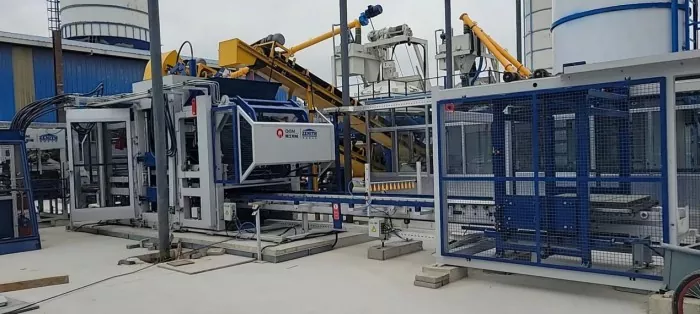
In the modern concrete block manufacturing sector, relying solely on machine durability is no longer sufficient to guarantee efficient and stable production. The defining factor that sets a traditional block machine apart from a state-of-the-art QGM block making machine is the intelligence embedded in its control system—specifically, the integration of cutting-edge PLC automation technology.


Modern Block Making Machines


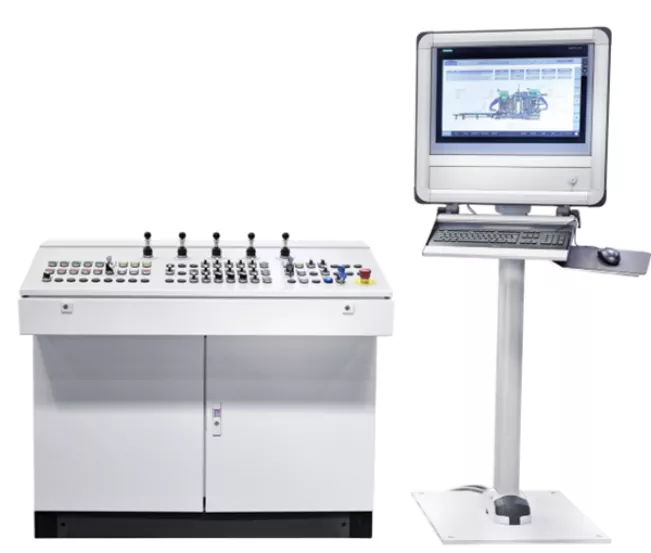
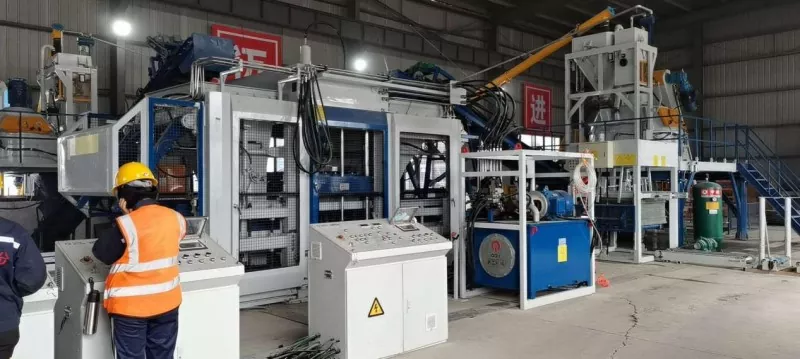
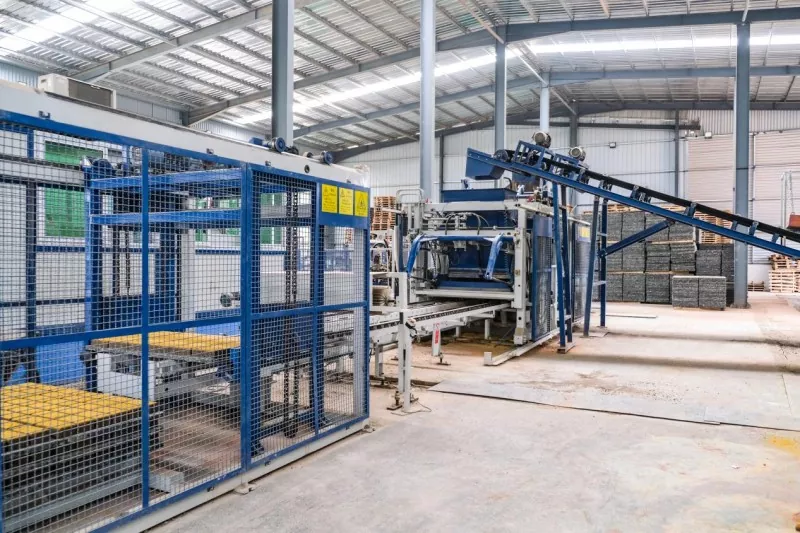
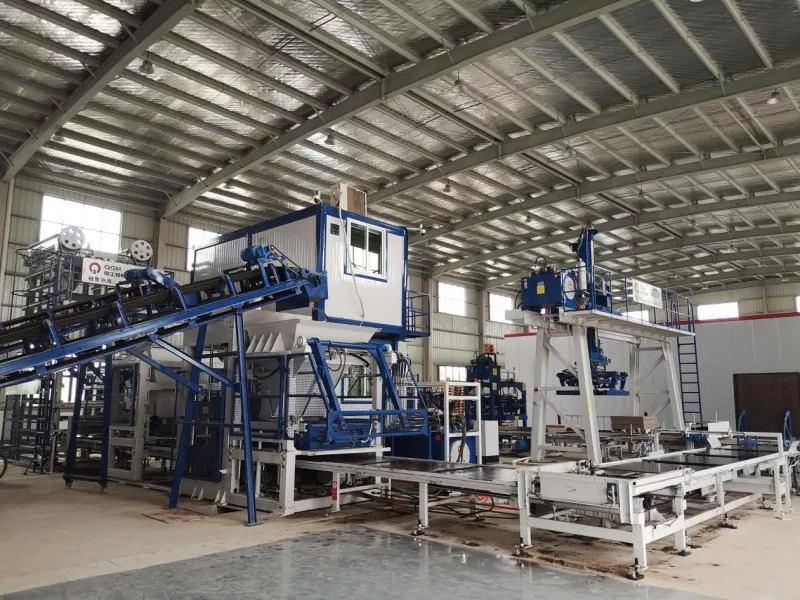
Far more than just a basic operating interface, a Programmable Logic Controller (PLC) acts as the central nervous system for the entire production line. It orchestrates every critical process with exceptional precision and consistency. From the initial material feeding and mold vibration to hydraulic pressing and pallet transfer, each stage operates in flawless synchronization. This advanced coordination is essential for sustaining high output levels and ensuring uniform, top-tier block quality.


1. PLC Applications in Automated Block Machine Systems

At its core, the PLC serves as the central nervous system of the QGM production line, seamlessly translating sophisticated programmed logic into precise, real-time mechanical actions. By continuously processing input signals from advanced sensors, the system generates accurate output commands to expertly regulate motors, valves, and actuators.

Within QGM block machines, this intelligent control translates into:

● Precision Cycle Synchronization: Perfectly coordinating the feeding, high-frequency vibration, and pressing phases.

● Dynamic Hydraulic Regulation: Accurately managing hydraulic pressure timing for optimal forming.

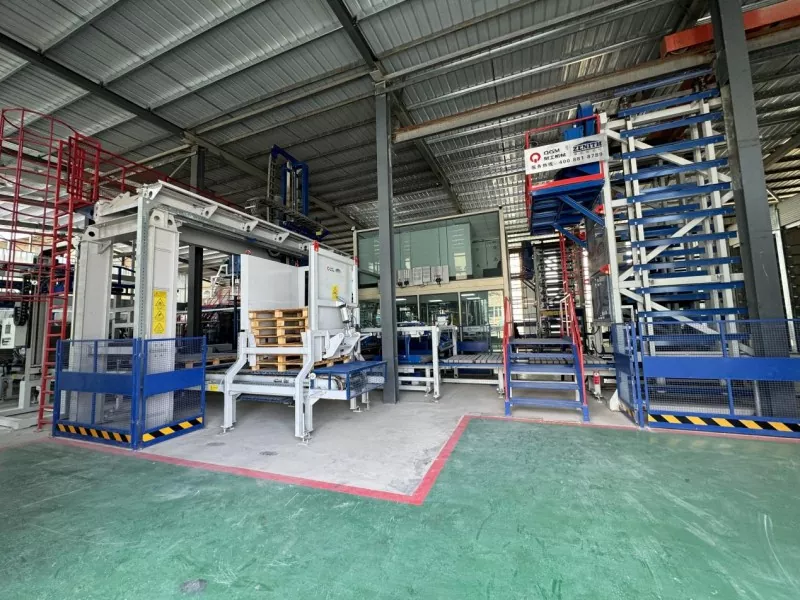
● Automated Material Handling: Controlling pallet movement and positioning with exact accuracy.

The ultimate result is a manufacturing process that is not only fully automated but also highly predictable and repeatable—two critical attributes that are indispensable for achieving superior quality in industrial-scale block production.


2. Integrated Real-Time Monitoring and Adaptive Process Control

A standout advantage of advanced PLC systems is their exceptional ability to process data instantaneously. In stark contrast to traditional manual or semi-automatic machinery, a QGM PLC-driven block machine can detect even the slightest deviations and autonomously adjust operational parameters in real time.

For example, the system ensures flawless production by:

● Auto-Calibrating Feed Rates: If material feeding becomes uneven, the system instantly recalibrates the timing to maintain balance.

● Stabilizing Vibration: Should vibration intensity fluctuate, corrective signals are issued immediately to restore optimal frequency.

● Preventing Hydraulic Defects: If hydraulic pressure deviates from the set standard, the system stabilizes the output proactively before any product defects can occur.

Note: This rapid, closed-loop feedback mechanism is absolutely crucial for maintaining uniform block density and superior product quality, especially within demanding high-speed production environments.


3. Precision Under Pressure: Unlocking the Power of Hydraulic Integration

The hydraulic system provides power , but the PLC determines how and when that force is applied.

In advanced configurations, the hydraulic station incorporates high-precision proportional and directional valves from Germany, paired with a durable pump manufactured in the United States. Under PLC control, these components enable:

● Fine-tuned pressure modulation

● Stable force application during mold pressing

● Smooth operation of feeding carts and lifting mechanisms

This integration ensures that hydraulic performance is not static, but dynamically optimized according to production conditions.


4. Achieving Flawless Compaction with QGM Adaptive Vibration Systems

While vibration is the cornerstone of compaction quality, its effectiveness is entirely dependent on precise timing and advanced control. QGM addresses this by engineering a robust four-shaft vibration box structure, featuring externally positioned eccentric blocks. This smart design significantly minimizes internal resistance during operation, ensuring smoother and more efficient performance.

When governed by QGM intelligent PLC system, critical vibration parameters—such as frequency, amplitude, and duration—are perfectly synchronized with the material feeding and pressing cycles.

This highly coordinated approach delivers tangible production benefits:

● Consistent Density: Achieves uniform compaction across every single block produced.

● Enhanced Integrity: Drastically reduces internal voids and air pockets for a solid, durable structure.

● Cost Efficiency: Lowers cement consumption without compromising the final compressive strength of the blocks.


5. Intuitive Human-Machine Interface: Simplifying Complex Operations

While the PLC serves as the brain handling complex logic, operators seamlessly interact with the system through a user-friendly, touch-based Human-Machine Interface (HMI). This advanced interface translates intricate technical parameters into accessible visual controls, empowering operators to:

● Adjust production settings effortlessly with minimal training

● Monitor comprehensive machine status in real time

● Identify and respond to system alerts with maximum efficiency

At QGM, the control architecture is engineered for peak performance, integrating a robust SIEMENS PLC with a highly intuitive touch panel and advanced remote monitoring capabilities. This powerful combination enables not only precise on-site control but also remote diagnostics and parameter optimization, significantly enhancing overall operational flexibility and production uptime.


Modern Block Making Machines


6. Ensuring Mold Compatibility and Process Stability

Even the most sophisticated control system must operate in perfect harmony with high-quality physical tooling to achieve optimal results.

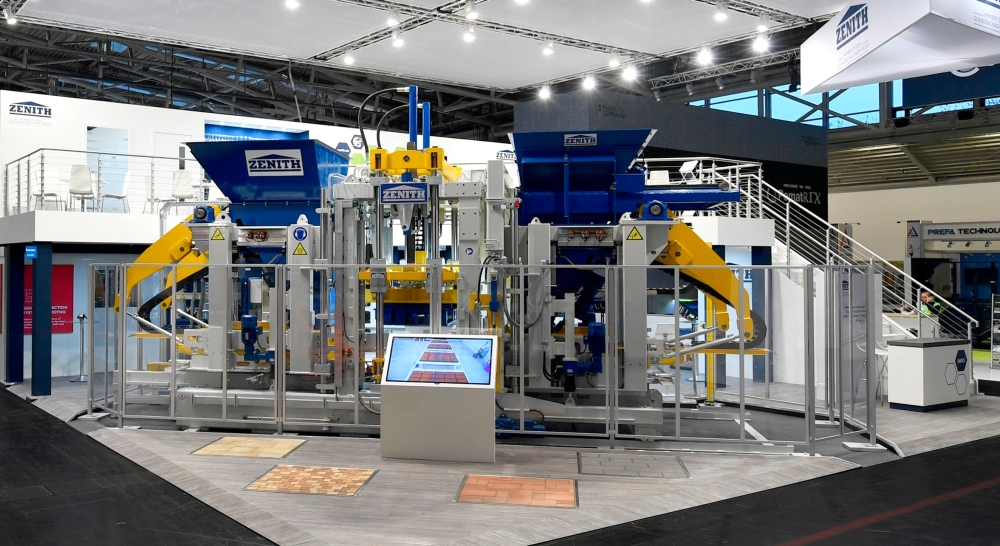
QGM engineers and manufactures molds that are fully compatible with leading industry brands, including MASA, HESS, ZENITH, POYATOS, BESSER, and TIGER. Produced strictly according to original specifications and subjected to advanced heat treatment processes, these molds feature exceptional wear resistance and durability. This ensures:

● Accurate Dimensional Consistency: Maintains precise block dimensions across every production cycle.

● Smooth Demolding: Guarantees a flawless release process, minimizing product damage.

● Reduced Mechanical Stress: Lowers operational strain on the machine, extending overall equipment lifespan.

When these precision-engineered molds are integrated with QGM PLC-controlled cycles, the result is a highly stable, efficient, and repeatable block forming process.


7. From Automation to Intelligence: The Evolution of QGM PLC Systems

Modern PLC systems are rapidly transcending the boundaries of basic automation. QGM is at the forefront of this evolution, steering block machine control toward data-driven intelligence by integrating cutting-edge features such as:

● Cloud-Based Connectivity: Enabling seamless remote monitoring and advanced cloud-based diagnostics.

● Performance Optimization: Leveraging historical data analysis to continuously refine production efficiency.

● Predictive Maintenance: Utilizing intelligent algorithms to issue proactive alerts before potential issues arise.

Note: This technological transition reflects a broader industrial shift toward smart manufacturing and Industry 4.0. In this new era, QGM machines do not merely execute tasks—they generate actionable insights to drive smarter, more autonomous production.


Conclusion: Precision Control as the Bedrock of Manufacturing Excellence

In the competitive realm of block manufacturing, unwavering consistency stands as the ultimate benchmark of quality. However, achieving this level of precision cannot rely solely on robust mechanical strength; it demands a foundation of precise, synchronized, and intelligent control.


Modern Block Making Machines


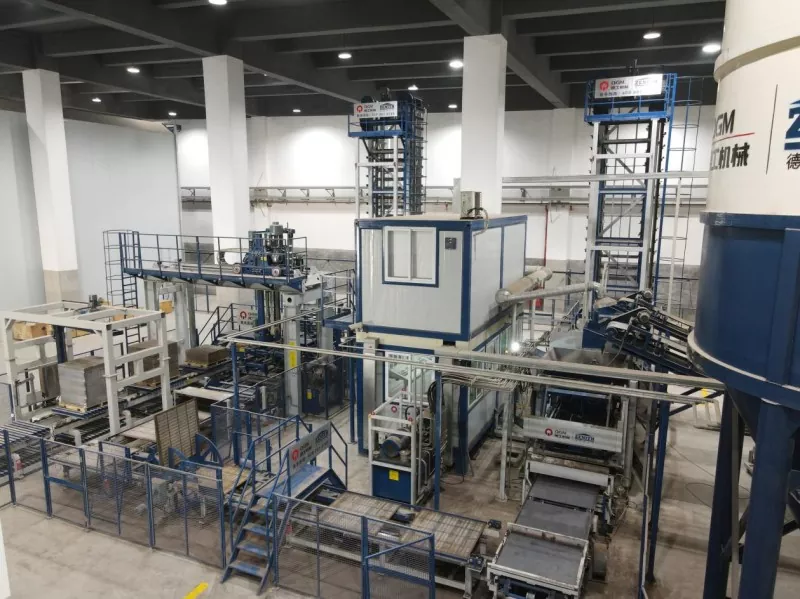
QGM delivers this critical advantage through advanced PLC systems that harmonize every core component—from hydraulics and vibration to material feeding and molding—into a single, unified operational framework. By transforming complex production variables into structured, repeatable sequences, QGM technology effectively minimizes variability while maximizing overall equipment efficiency.

Ultimately, a modern QGM paving block machine represents far more than standard industrial equipment. It stands as a sophisticated cyber-physical system where cutting-edge software logic and powerful mechanical execution seamlessly converge. This synergy defines the future of smart manufacturing—a future where operational reliability is meticulously engineered, efficiency is continuously optimized, and superior product quality is not just an aspiration, but an inevitable outcome.


Application scenarios of paving bricks

Application scenarios of paving bricks


FAQ

1. How Does a PLC Control System Work in a Block Machine?

In a QGM block machine, the PLC (Programmable Logic Controller) acts as the central "brain" of the entire production line. It is responsible for the precise automation and coordination of every critical operation, including material feeding, high-frequency vibration, hydraulic pressure regulation, and pallet movement. By managing these processes in perfect synchronization, the PLC ensures a highly stable, efficient, and consistent manufacturing cycle.


2. How Does a PLC System Improve Concrete Block Quality?

By leveraging real-time monitoring and precise parameter adjustments, a QGM PLC system effectively minimizes production variability. This ensures uniform compaction and optimal block strength across every production cycle.


3. How Do PLC Systems Reduce Downtime and Improve Block Machine Efficiency?

QGM PLC systems leverage advanced diagnostic tools and remote monitoring capabilities to detect potential anomalies at the earliest stage. This proactive approach empowers operators to implement preventive maintenance strategies, significantly reducing the risk of unexpected breakdowns and minimizing costly production downtime.


4. Is a PLC-Controlled Block Machine Easy to Operate?

Yes. QGM features state-of-the-art, intuitive touch-screen interfaces that significantly lower the learning curve. This user-centric design allows personnel with minimal technical background to operate the machinery with ease and confidence.

Related News
Leave me a message
X
We use cookies to offer you a better browsing experience, analyze site traffic and personalize content. By using this site, you agree to our use of cookies.Privacy Policy
RejectAccept