South Asia Block Making Machine Market: Growth Opportunities in Construction

2026-09-09 0 Leave me a message

As India, Pakistan, and Bangladesh continue to invest in infrastructure development, urban renewal, industrial parks, and residential construction, the South Asian building materials market is undergoing a structural transformation.

The growing number of road, bridge, port, water infrastructure, rail transit, and urban housing projects is driving demand for concrete blocks, paving blocks, permeable pavers, curbstones, and other precast concrete products.

At the same time, several South Asian countries have historically relied on imported construction machinery and building materials production equipment. Rising labor costs, shortages of skilled workers, and increasingly stringent environmental requirements are accelerating the transition from traditional manual brick production to mechanized and automated concrete block manufacturing.

For block making machine manufacturers, concrete products manufacturers, and building materials investors planning to enter the South Asian market, the key question is no longer simply how many blocks a machine can produce per hour. More importantly, can the equipment operate reliably under local conditions such as high temperatures, heavy dust, and pronounced rainy seasons? Can it maintain consistent production and help manufacturers reduce the cost per concrete product?

Against this backdrop, automatic block making machines, fully automatic concrete block production lines, and intelligent precast concrete manufacturing equipment are becoming increasingly attractive investment options for building materials manufacturers across South Asia.


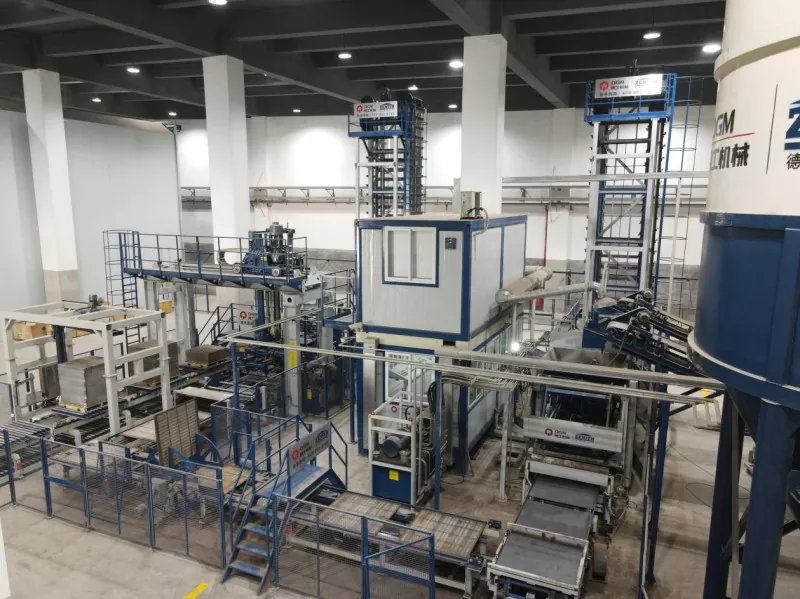
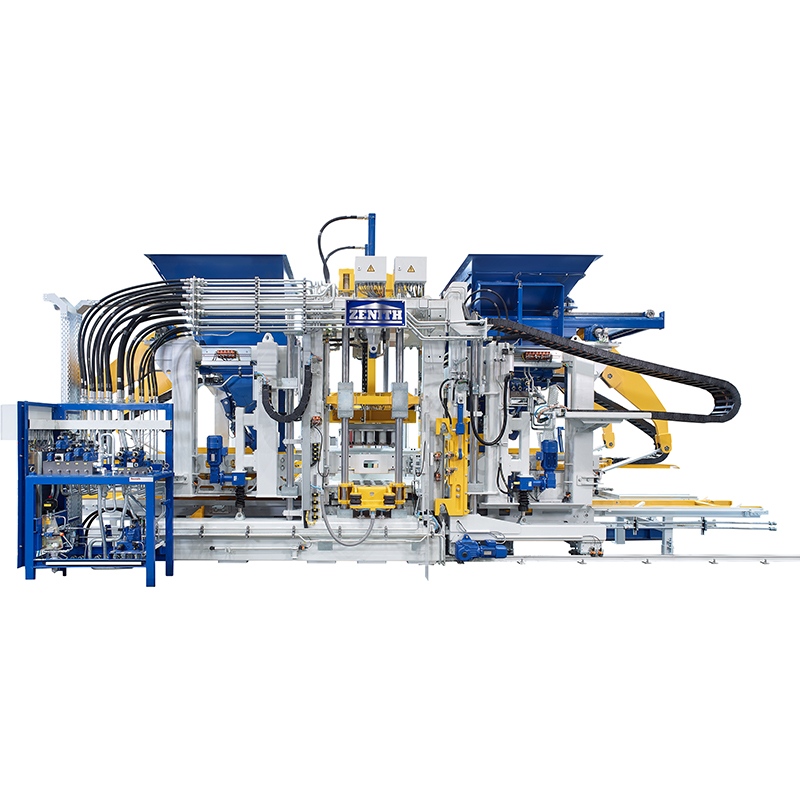
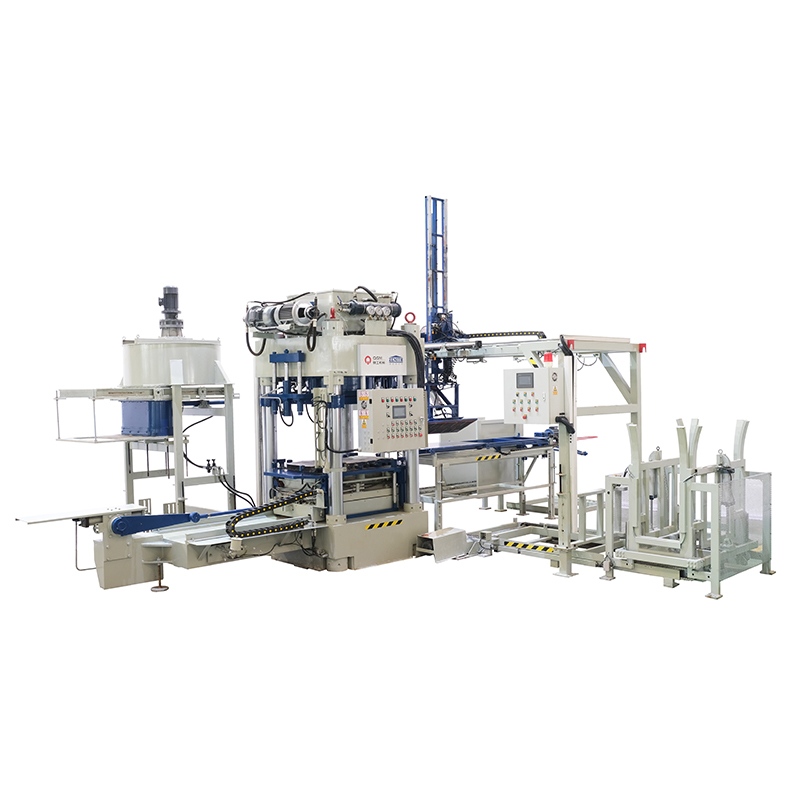
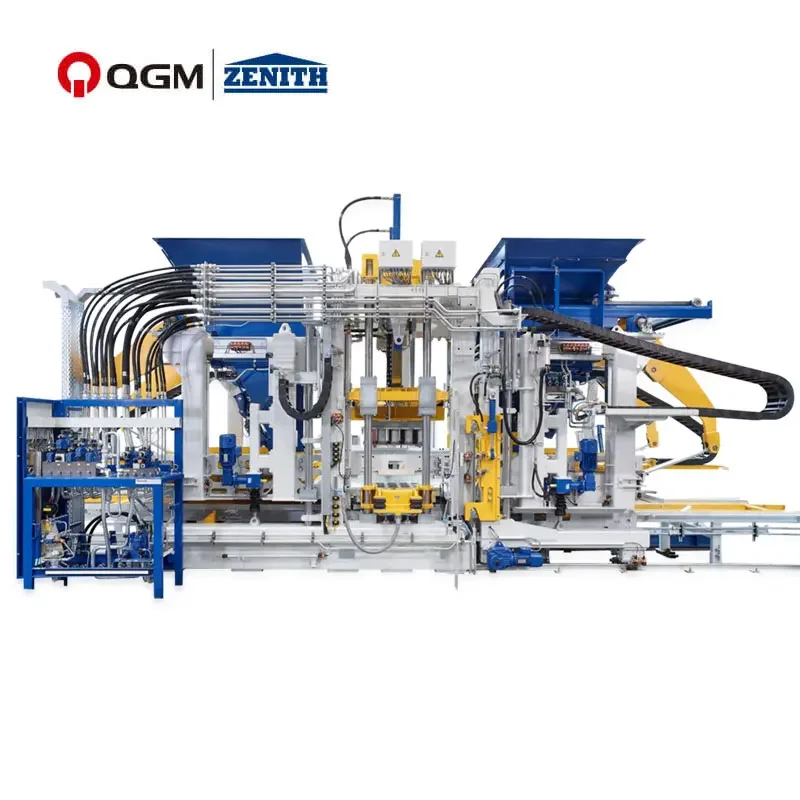
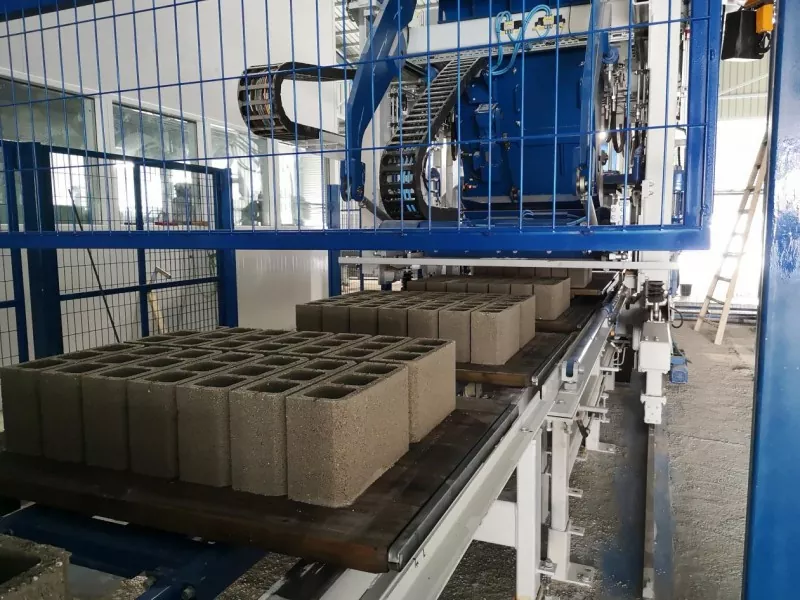
QGM Fully Automatic Block Making Machines

△QGM Fully Automatic Block Making Machines for Efficient Concrete Block Production


1. Growing Construction Activity in South Asia Is Driving Demand for Block Making Equipment

From a regional perspective, India remains the largest economy and one of the most important construction markets in South Asia. Investments in highways, urban rail transit, water infrastructure, affordable housing, and industrial infrastructure are creating sustained demand for concrete blocks and paving products.

Pakistan's infrastructure development, energy projects, and mineral resource development are also generating demand for roads, industrial facilities, residential construction, and supporting building materials. As large-scale projects move forward, local manufacturers are increasingly looking for reliable ways to supply standardized concrete products.

Bangladesh, meanwhile, is experiencing strong growth driven by urbanization and industrialization. Infrastructure development in Dhaka and other major cities, port upgrades, industrial parks, and flood-control projects are creating continued demand for concrete blocks, paving products, and other precast concrete products.

These changes are driving a noticeable transformation among local block manufacturers: production is gradually shifting from labor-intensive manual brickmaking toward standardized, mechanized, and continuous concrete product manufacturing.

For block making machine manufacturers, this means that opportunities in South Asia are not limited to new block plants. There is also significant potential in equipment upgrades, production line modernization, and automation retrofits for existing building materials manufacturers.


2. South Asian Operating Conditions Place Higher Demands on Block Making Machines

The South Asian market offers significant growth potential, but equipment cannot simply be configured in the same way as machinery designed for Europe, China, or other regions. Local climate and operating conditions present several specific challenges.

(1) High Temperatures Test Continuous Machine Operation

Some areas of India, Pakistan, and Bangladesh experience high ambient temperatures during the summer. For a continuously operating concrete block production line, high temperatures can increase the thermal load on hydraulic systems, motors, electrical control cabinets, and other critical components.

Therefore, when designing and configuring block making equipment for South Asian markets, manufacturers need to consider heat dissipation and operating conditions from the beginning.

Key components such as hydraulic systems, electrical control systems, and motors should be appropriately configured according to local ambient temperatures and production requirements.

For a fully automatic production line designed for long hours of continuous operation, overall equipment reliability is often more important than short-term peak production capacity.

(2) Dusty Environments Require Effective Protection and Filtration

Many aggregate yards, building material plants, and construction sites across South Asia operate in relatively dusty environments.

Concrete block production itself involves cement, sand, aggregates, fly ash, and other powder or granular raw materials. Where dust extraction and plant enclosure conditions are limited, airborne particles can enter electrical components, hydraulic systems, and mechanical moving parts.

For long-term operation in South Asian markets, a concrete block machine should therefore pay particular attention to:

●Dust protection for electrical control cabinets

●Protection of motors and hydraulic systems

●Air filtration and ventilation

●Sealing of critical moving components

●Dust control around material handling areas

●Routine cleaning and preventive maintenance

●These factors can have a direct impact on equipment reliability and production uptime.

(3) Seasonal Rainfall Creates Additional Requirements for Corrosion and Water Protection

Many parts of South Asia experience pronounced monsoon seasons. Extended periods of rainfall can affect not only construction projects but also raw material storage, concrete product curing, equipment operation, and logistics.

In outdoor or semi-open production environments, prolonged exposure to high humidity and rain can increase the risk of corrosion affecting steel structures, electrical connections, and mechanical components.

Therefore, when planning a block making plant in South Asia, manufacturers should consider equipment protection, aggregate and cement storage, product curing areas, drainage systems, and production organization during the rainy season as part of the overall plant design.


3. Why Are South Asian Block Manufacturers Increasingly Turning to Automation?

As the South Asian construction market develops, labor structures are also changing.

Traditional block plants can rely heavily on manual labor for material handling, product transfer, stacking, and other operations. However, rising labor costs and shortages of experienced workers are placing increasing pressure on labor-intensive production models.

For concrete products manufacturers with high daily production requirements, relying heavily on manual labor for batching, molding, handling, and stacking can result in higher operating costs while making production consistency and product quality more dependent on operator experience.

This is one of the key reasons why fully automatic block making machines are becoming an increasingly important equipment choice for medium-sized and large block plants.

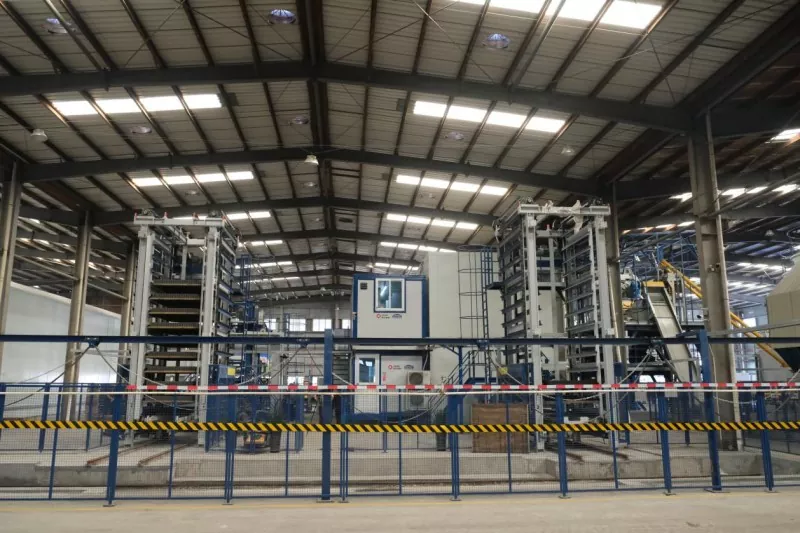
A complete automated production line can connect multiple production stages, including:

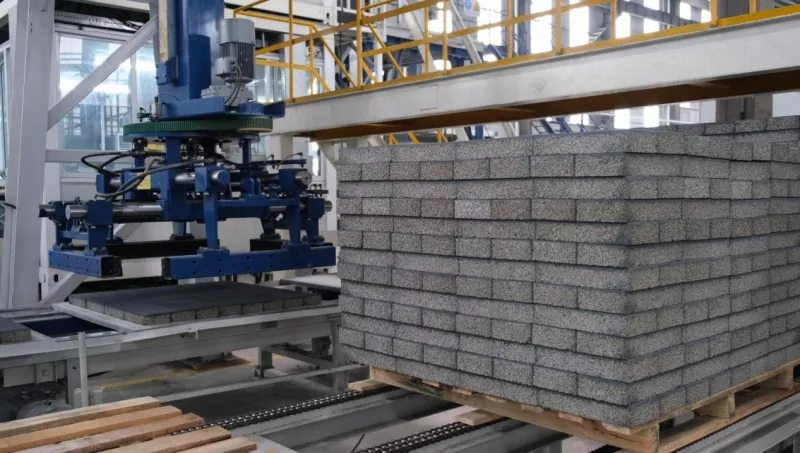
Raw Material Batching → Mixing → Material Feeding → Block Molding → Pallet Circulation → Product Conveying → Stacking → Finished Product Handling

With PLC-based control and automated production systems, manufacturers can reduce unnecessary manual intervention while maintaining a more consistent production cycle.

For South Asian building materials manufacturers, automation is not simply about reducing the number of workers. It can help businesses:

●Increase production output per operating hour

●Reduce production fluctuations caused by manual operation

●Improve dimensional accuracy and product consistency

●Reduce safety risks associated with manual material handling

●Improve production data management

●Create room for future production capacity expansion

As a result, the level of automation is likely to move from an optional feature to an increasingly important consideration when medium-sized and large block manufacturers invest in new equipment.


4. From Conventional Concrete Blocks to a Wider Range of Precast Products

Traditional construction markets have mainly focused on standard concrete blocks. However, the continued development of urban roads, residential landscaping, industrial parks, municipal infrastructure, and water-management projects is creating demand for a wider range of precast concrete products.

As a result, the requirements for block making machines are also evolving from single-product production toward greater product flexibility.

A concrete block machine with flexible mold compatibility can manufacture different products simply by changing molds, helping manufacturers reduce their dependence on a single product category.

The greater the production flexibility, the better a block plant can respond to changing market demand.

For example, during periods of strong residential construction, a manufacturer can increase production of concrete masonry units. When road and municipal infrastructure projects increase, the same production system can be configured to manufacture more paving blocks and curbstones.

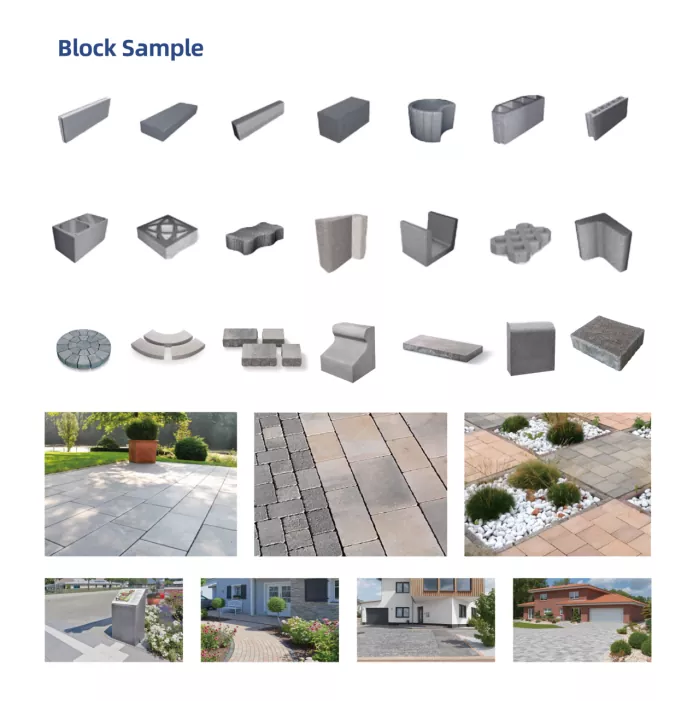
Common products include:

●Solid concrete blocks

●Hollow concrete blocks

●Concrete paving blocks

●Permeable pavers

●Curbstones

●Slope protection blocks

●Landscaping products

●Other customized precast concrete products


Common products


This flexibility allows manufacturers to serve multiple construction segments with one production platform.


5. India, Pakistan, and Bangladesh Have Different Block Machine Market Requirements

Although India, Pakistan, and Bangladesh are all important South Asian markets, block making machine manufacturers should not adopt exactly the same market strategy in all three countries.

India: Strong Market Potential with Increasing Demand for Localization

India is one of the most important long-term markets for concrete block production equipment in South Asia.

Its large-scale infrastructure development, residential construction, and urbanization are creating extensive opportunities for concrete products manufacturers. At the same time, the Indian market places increasing importance on local manufacturing, local supply chains, and service capabilities.

For block making machine manufacturers, competition in India is therefore not determined solely by machine price or technical specifications. Local service capabilities, spare parts availability, technical support, project execution, and long-term cooperation are equally important.

For large block plants and concrete products manufacturers, fully automatic production lines, intelligent control systems, and efficient production management are likely to become increasingly attractive.

Pakistan: Opportunities Remain for Imported Equipment and Cost-Effective Solutions

Pakistan has relatively limited domestic manufacturing capacity for some types of construction machinery and building materials production equipment, making imported equipment an important part of the local market.

As infrastructure, energy, and large-scale development projects progress, demand for standardized concrete products could continue to increase.

When selecting a block making machine, local buyers typically consider a combination of factors, including:

●Equipment investment

●Production capacity

●Durability

●Maintenance costs

●Spare parts availability

●Technical support

For companies entering the Pakistani market, simply offering the highest level of automation may not always be the optimal strategy.

Providing different automation levels and investment options based on project scale can help equipment manufacturers serve a broader range of customers.

Bangladesh: Urban Development Supports Demand for Small- and Medium-Capacity Block Machines

Bangladesh's market is strongly influenced by urban development, municipal projects, and industrial infrastructure.

Because project scale, available factory space, and investment budgets can vary significantly, small- and medium-capacity concrete block making machines can have substantial application potential.

At the same time, the country's extended rainy season makes corrosion protection, water resistance, raw material storage, and factory drainage important considerations.

Equipment suppliers therefore need to provide more than just a block molding machine. Proper production site planning and equipment operating conditions can also contribute significantly to long-term production performance.


6. Block Machine Buyers in South Asia Should Look Beyond Equipment Price

One of the most common mistakes in overseas equipment purchasing is assuming that the machine with the lowest purchase price is automatically the best investment.

In South Asian markets, the actual cost of operating a block production line extends far beyond the initial equipment price.

Transportation, installation, commissioning, labor, electricity, molds, spare parts, maintenance, and unplanned downtime can all influence the final production cost.

When comparing different block making machines and concrete block production lines, buyers should consider the total cost of ownership over the equipment's service life.

Cost Factor

Key Questions for Buyers

Equipment investment

Is it a standalone machine or a complete production line? What configuration is included?

Energy consumption

What is the electricity consumption per unit of production?

Labor

How many operators are required?

Molds

What is the mold service life and replacement cost?

Spare parts

Are spare parts readily available and reasonably priced?

Maintenance

How easy is routine maintenance?

Downtime

How quickly can production resume after a failure?

Technical service

Are installation, training, and technical support provided?

Service life

How reliable is the machine over long-term operation?

Product flexibility

Can different products be manufactured through mold changes?


From this perspective, investing in a concrete block machine means investing in long-term production capability.

A lower purchase price does not necessarily mean a lower production cost, and a premium machine is not necessarily the right solution for every project.

The right equipment should strike a balance between investment budget, production capacity, operating costs, equipment reliability, and future expansion potential.


7. Smart Manufacturing and Sustainable Production Will Shape the Future of the South Asian Block Machine Market

South Asia's construction industry is expected to continue developing under the combined influence of urbanization and infrastructure investment. Several trends are likely to shape the regional market for block making equipment.

(1) Greater Adoption of Automated Production Lines

As labor costs rise and experienced operators become more difficult to recruit, automated production will become an increasingly important way for medium-sized and large block plants to improve competitiveness.

(2) Intelligent Control Will Evolve from Efficiency Improvement to Production Management

Future intelligent block making machines will go beyond automated operation.

Through PLC control, production data collection, fault diagnosis, and equipment condition monitoring, manufacturers can gain greater visibility into production performance and equipment status.

(3) Product Diversification Will Create Additional Revenue Opportunities

Beyond conventional concrete blocks, products such as paving blocks, permeable pavers, landscaping products, curbstones, and slope protection blocks can provide South Asian manufacturers with additional market opportunities.

(4)Energy Efficiency and Resource Recycling Will Receive Greater Attention

As the construction industry places more emphasis on sustainable production and resource efficiency, suitable industrial by-products such as fly ash, mine tailings, construction waste, and other recycled materials may create new opportunities for concrete product manufacturing.

This means that future block machine manufacturers will need capabilities beyond supplying molding equipment. Expertise in raw material evaluation, product development, production line configuration, automation, and intelligent manufacturing will become increasingly important.


Conclusion: The Core Opportunity in South Asia Is Stable Production, Not Simply Higher Output

The growth of the South Asian construction market is creating new demand for concrete blocks and precast concrete products. However, converting this market potential into sustainable business returns depends heavily on whether production equipment can adapt to actual local conditions.

For South Asian block manufacturers, equipment selection is gradually moving beyond simple comparisons of purchase price and production capacity.

Instead, manufacturers need to evaluate operating-condition adaptability, automation level, product flexibility, energy efficiency, maintenance costs, spare parts availability, and long-term technical support.

India's infrastructure and mining development, Pakistan's infrastructure and resource projects, and Bangladesh's urbanization and industrial development can all create long-term opportunities for concrete block production equipment.

For equipment manufacturers seeking to enter South Asia, the real opportunity is not simply to promote a single machine model, but to provide complete solutions that can adapt to different investment levels, product requirements, production capacities, and local operating conditions.

For overseas investors planning to establish or upgrade a block plant, choosing a block making machine that is suitable for the local market, capable of reliable long-term operation, and ready for future expansion is more important than simply choosing the lowest-priced machine.

Plan Your Concrete Block Production Project with QGM

If you are planning a new concrete block production line in India, Pakistan, Bangladesh, or another South Asian market, or if you are looking to upgrade an existing block plant, QGM can provide customized equipment configurations and production line solutions based on your target capacity, product types, raw materials, factory conditions, and automation requirements.

Contact QGM to explore the right automatic block making machine and complete concrete product manufacturing solution for your project—and build a production system designed for reliable performance, efficient operation, and long-term business growth.


FAQ: Block Making Machines for the South Asian Market

1. What type of block making machine is suitable for the South Asian market?

The right block making machine depends on factors such as target production capacity, concrete product types, available raw materials, factory conditions, labor availability, investment budget, and required automation level. For medium-sized and large block plants, fully automatic concrete block production lines can provide higher production efficiency and greater consistency.

2. What concrete products can be manufactured with a block making machine?

Depending on the machine configuration and molds, a concrete block machine can produce solid concrete blocks, hollow blocks, paving blocks, permeable pavers, curbstones, slope protection blocks, landscaping products, and other precast concrete products.

3. What should South Asian buyers consider when choosing a concrete block machine?

Beyond purchase price and production capacity, buyers should evaluate equipment reliability, energy consumption, labor requirements, mold costs, spare parts availability, maintenance requirements, after-sales service, technical support, and long-term total cost of ownership.

4. Can automatic block making machines operate in hot, dusty, and rainy environments?

Yes, but the production line should be appropriately configured for local operating conditions. For South Asian projects, factors such as heat dissipation, dust protection, electrical cabinet protection, corrosion resistance, drainage, raw material storage, and preventive maintenance should be considered during equipment selection and plant planning.

5. Can one block making machine produce different types of concrete products?

Yes. A block making machine with flexible mold compatibility can manufacture different concrete products by changing molds. This allows manufacturers to respond to changing demand for concrete blocks, paving blocks, permeable pavers, curbstones, slope protection products, and other precast concrete products without necessarily investing in a completely separate production system.

Related News
Leave me a message
X
We use cookies to offer you a better browsing experience, analyze site traffic and personalize content. By using this site, you agree to our use of cookies.Privacy Policy