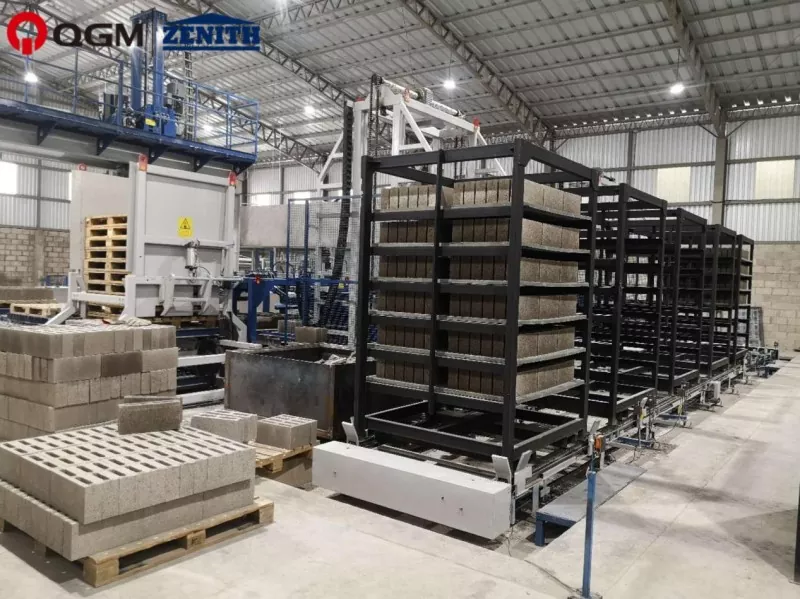
A stable concrete block production line is essential for maintaining high productivity, reducing operating costs, and ensuring consistent product quality. However, during long-term operation, even advanced automatic block machines may experience performance issues caused by mechanical wear, improper adjustment, insufficient maintenance, or unexpected material conditions.
For block manufacturers, equipment downtime does not only interrupt production—it can also increase labor costs, waste raw materials, and affect customer delivery schedules.
Therefore, understanding common problems of a block making machine and applying effective troubleshooting methods is critical for improving equipment reliability and extending service life.
This guide explains the most common issues found in concrete block machines, including possible causes, recommended solutions, and preventive maintenance methods.
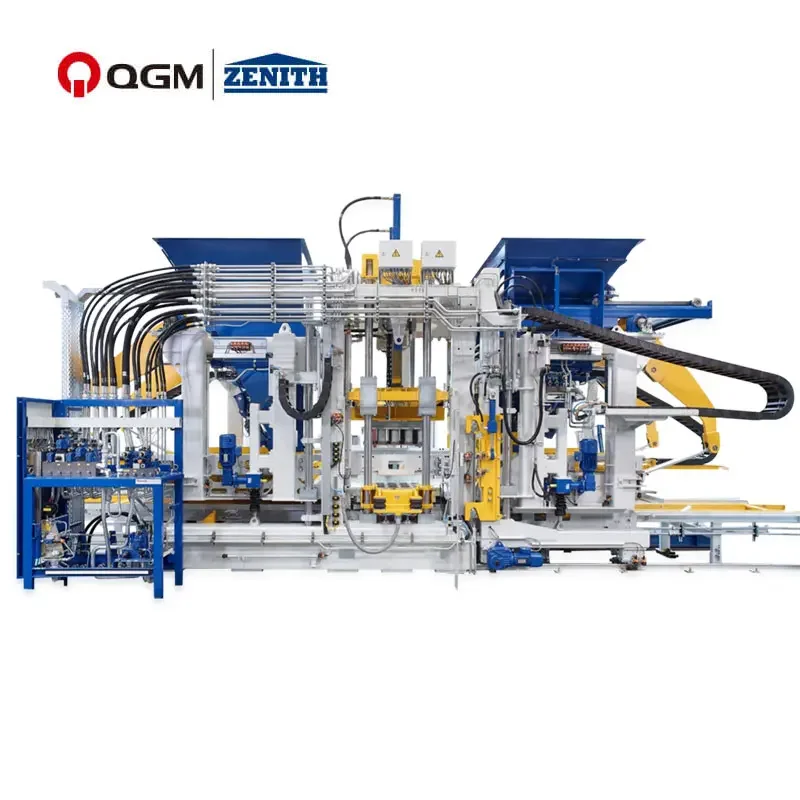
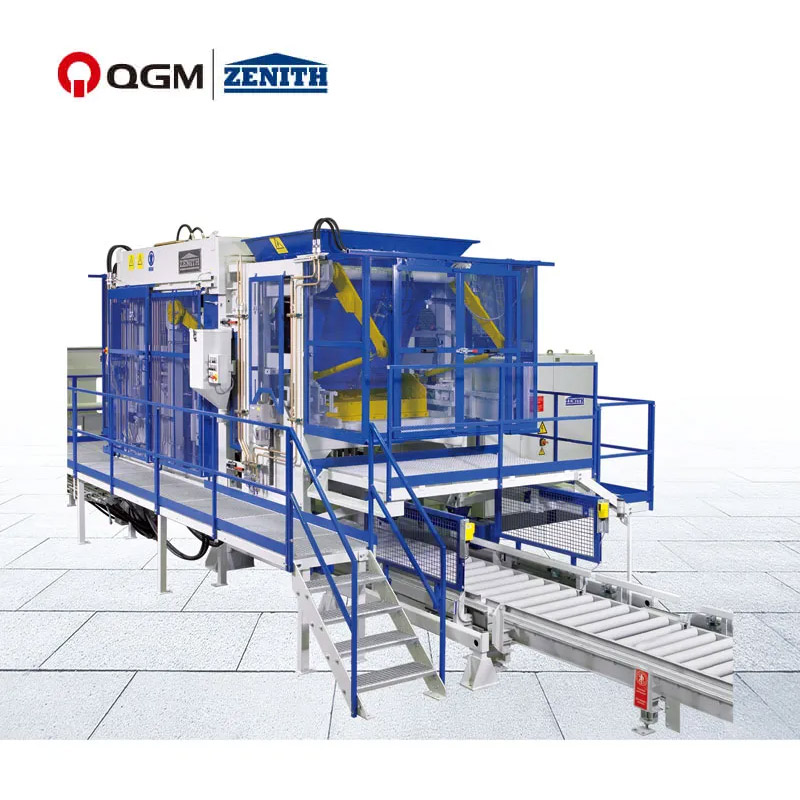
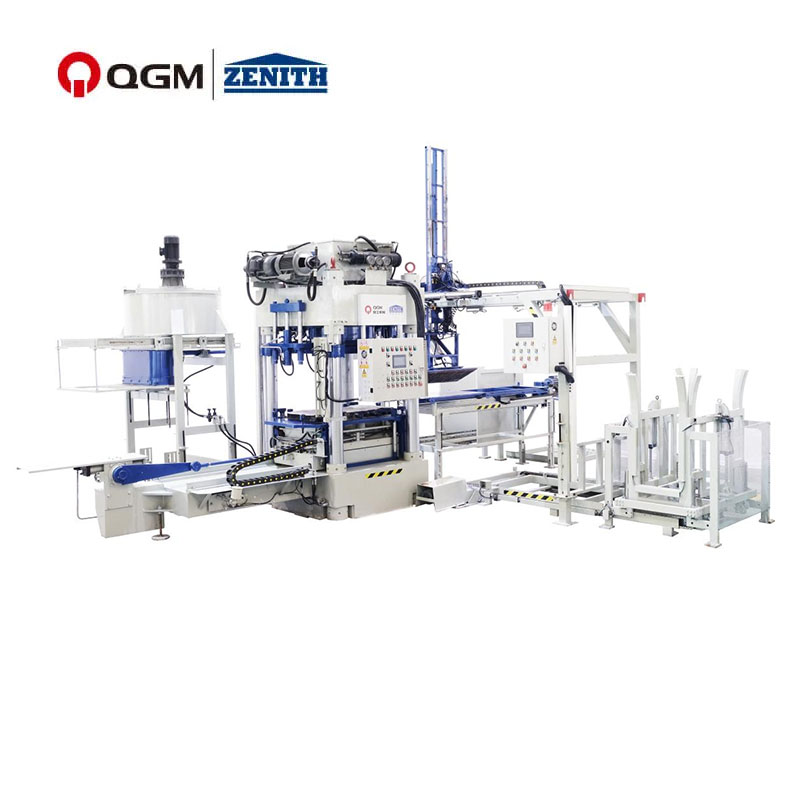
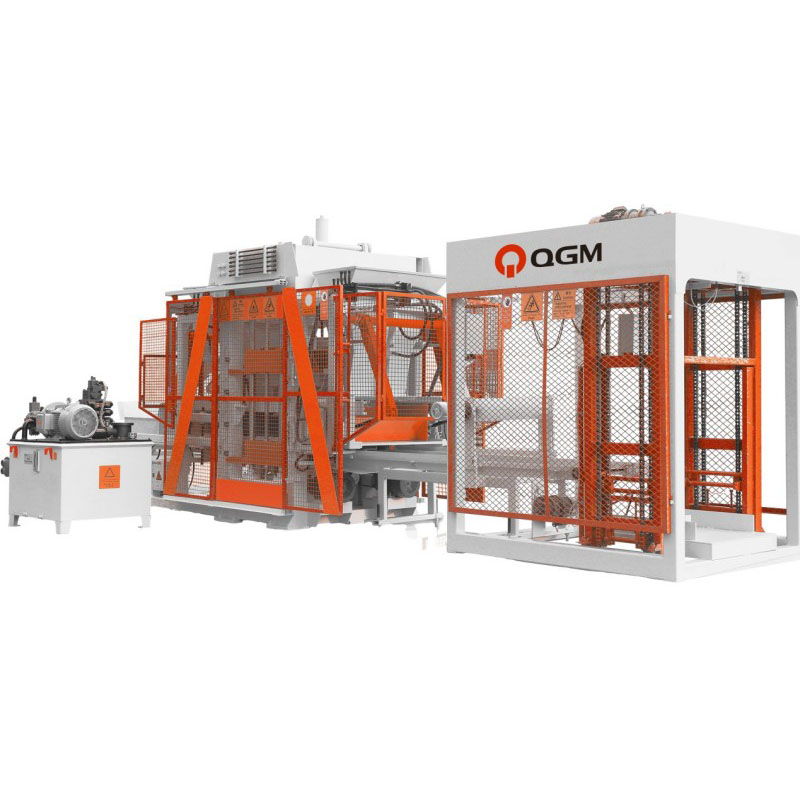
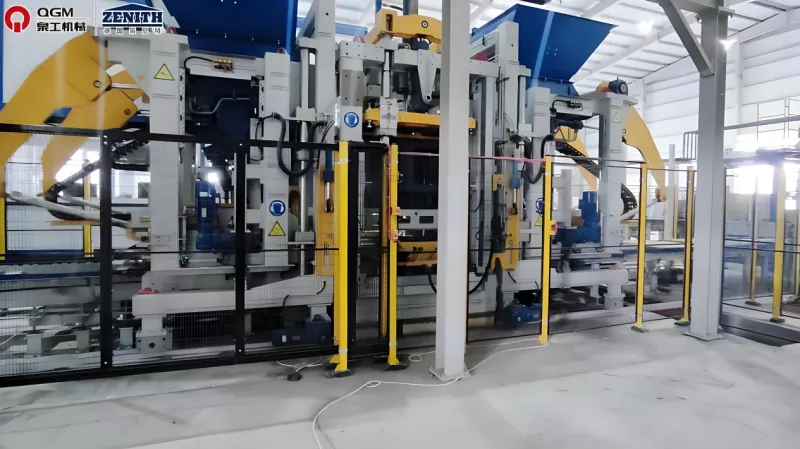
△QGM Automatic Block Making Machine Solutions for Global Concrete Product Manufacturers
1. Rotary Turntable Cannot Rotate Normally
Problem Description
During operation of the cement block machine, the rotary turntable stops rotating while the slewing mechanism remains functional.
Possible Causes
Common reasons include:
●Damaged or weakened automatic latch spring;
●Excessive wear of the automatic latch head;
●Incorrect positioning between latch components and turntable structure.
Recommended Solutions
●Stop the machine immediately for safety inspection;
●Check the automatic locking mechanism;
●Replace damaged springs or severely worn latch components;
●Test the turntable operation before restarting production.
Preventive Maintenance
Regular inspection of locking components can prevent unexpected production interruptions and improve the reliability of the automatic block production line.
2. Block Machine Suddenly Stops or Becomes Jammed
Problem Description
The concrete block production line suddenly stops during forming, causing production interruption.
Possible Causes
Typical causes include:
●Excessive material filling inside the mold cavity;
●Foreign objects entering mold holes;
●Overloading during the forming cycle.
Recommended Solutions
●Activate the emergency stop function;
●Remove excess material or foreign objects;
●Inspect mold conditions;
●Adjust feeding depth parameters to avoid repeated overload.
Preventive Maintenance
Proper material control and regular mold inspection help maintain stable operation of the block making machine.
3. Block Height Is Below Required Specification
Problem Description
The formed concrete blocks are thinner than the required dimensions.
This issue can affect product quality, strength consistency, and customer acceptance.
Possible Causes
Main causes include:
●Insufficient lubrication of moving components;
●Wear of thrust plates;
●Incorrect eccentric shaft adjustment;
●Mechanical clearance deviation.
Recommended Solutions
●Check the lubrication system;
●Replace worn thrust plates;
●Adjust eccentric shaft position;
●Calibrate forming parameters.
Production Impact
Precise mechanical adjustment is essential for maintaining dimensional accuracy in a modern concrete block machine.
4. Abnormal Vibration During Machine Operation
Problem Description
The rotary system produces abnormal vibration during production.
Possible Causes
The main reasons may include:
●Excessive mechanical clearance;
●Damaged rolling components;
●Improper connection between automatic latch and turntable;
●Mold rollers blocked or worn.
Recommended Solutions
●Check and adjust mechanical clearance;
●Maintain the gap between latch components and turntable within the recommended range;
●Inspect mold rollers;
●Replace damaged parts when necessary.
Preventive Maintenance
Regular mechanical inspection reduces vibration-related failures and improves the working life of the block production equipment.
5. Abnormal Vibration During Brick Pressing Process
Problem Description
Strong vibration appears around the crankshaft and drive shaft during pressing.
Possible Causes
The main reason is usually:
●Severe wear of gear rings;
●Uneven gear engagement under high forming pressure;
●Increased mechanical impact during pressing.
Recommended Solutions
●Stop operation and inspect the transmission system;
●Check gear ring wear condition;
●Repair or replace damaged components;
●Restore accurate gear engagement.
A stable transmission system ensures consistent pressing force and improves the forming quality of concrete products.
6. Block Thickness Exceeds Standard Size
Problem Description
The produced blocks are thicker than the required specification.
Possible Causes
Potential causes include:
●Excessive wear of piston top plate;
●Bearing wear inside the forming system;
●Incorrect clearance between pressure components and rotating disc;
●Severe mold bottom surface wear.
Recommended Solutions
●Inspect piston plates and bearings;
●Adjust eccentric shaft position;
●Control mechanical clearance accurately;
●Repair or replace worn molds.
Importance of Mold Precision
The mold directly influences product dimensions, surface quality, and production consistency. High-precision molds are a key factor for professional concrete block manufacturing.
Preventive Maintenance: The Key to Long-Term Block Machine Performance
A professional maintenance program should include:
Maintenance Item
Recommended Action
Lubrication System
Regular inspection and oil replacement
Hydraulic System
Check pressure stability and leakage
Mold System
Monitor wear and dimensional accuracy
Vibration System
Inspect vibration performance
Electrical Control
Check PLC and sensor operation
Through regular inspection and preventive maintenance, manufacturers can:
●Reduce unexpected downtime;
●Improve production efficiency;
●Extend equipment service life;
●Maintain consistent concrete product quality.
Through regular inspection and preventive maintenance, manufacturers can:
●Reduce unexpected downtime;
●Improve production efficiency;
●Extend equipment service life;
●Maintain consistent concrete product quality.
Improve Block Production Reliability with QGM Solutions
As an experienced block machine manufacturer, QGM understands that equipment reliability is not only determined by machine performance but also by intelligent design, manufacturing quality, and long-term service support.
QGM automatic block machines integrate advanced technologies including intelligent control systems, precision hydraulic systems, efficient vibration technology, and digital management solutions to help customers achieve stable and efficient concrete block production.
Whether you are upgrading an existing production line or planning a new automatic block production line, QGM provides professional equipment solutions and technical support.
If you are looking for a reliable concrete block machine manufacturer or need assistance with block production equipment selection, optimization, and maintenance, contact us for professional support and customized solutions.
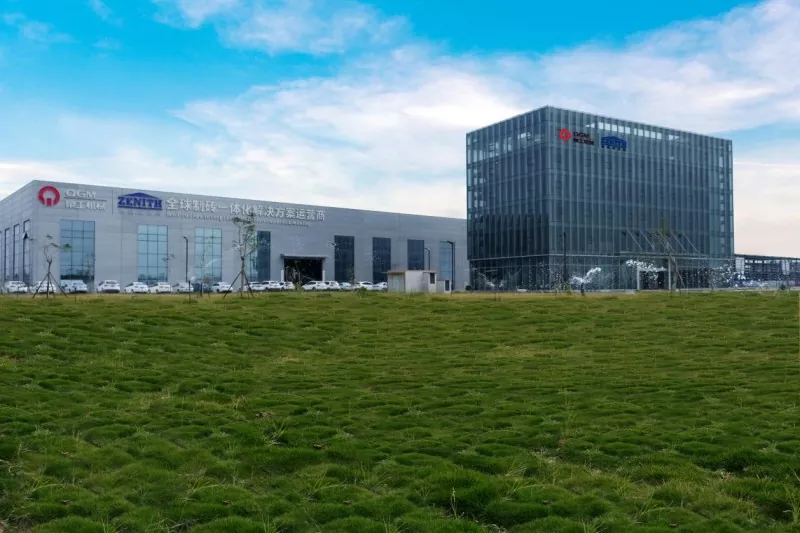
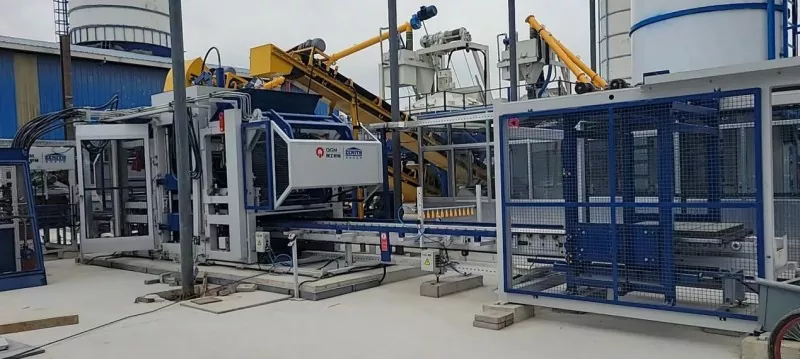
△Welcome to QGM: Your Global Partner for Automatic Block Machine Solutions
FAQ
1. What are the most common problems in a concrete block production line?
Common problems include machine jamming, abnormal vibration, incorrect block dimensions, hydraulic instability, and mold wear. Regular inspection and preventive maintenance can significantly reduce these failures.
2. Why does my block making machine produce blocks with incorrect thickness?
Incorrect block thickness is usually caused by mechanical wear, improper lubrication, incorrect eccentric shaft adjustment, or mold surface damage. Proper calibration and maintenance can restore production accuracy.
3. How can I reduce downtime of an automatic block machine?
Downtime can be reduced through preventive maintenance, regular lubrication, mold inspection, electrical system checks, and timely replacement of worn components.
4. What maintenance does a concrete block machine need?
A concrete block machine requires regular maintenance of the hydraulic system, vibration system, molds, transmission components, sensors, and PLC control system to ensure stable production.
5. How do I choose a reliable block machine manufacturer?
A reliable block machine manufacturer should provide high-quality equipment, technical support, spare parts supply, preventive maintenance guidance, and complete concrete block production solutions.
We use cookies to offer you a better browsing experience, analyze site traffic and personalize content. By using this site, you agree to our use of cookies.Privacy Policy