For many concrete product manufacturers across Southeast Asia, improving block quality is often associated with higher spending on raw materials, labor, or equipment upgrades. In reality, some of the most effective quality improvements come from optimizing existing resources rather than increasing operational budgets.
Whether operating a small production facility or a fully automated paving block machine line, manufacturers can achieve stronger products, lower rejection rates, and more stable production performance through better process management and equipment utilization.
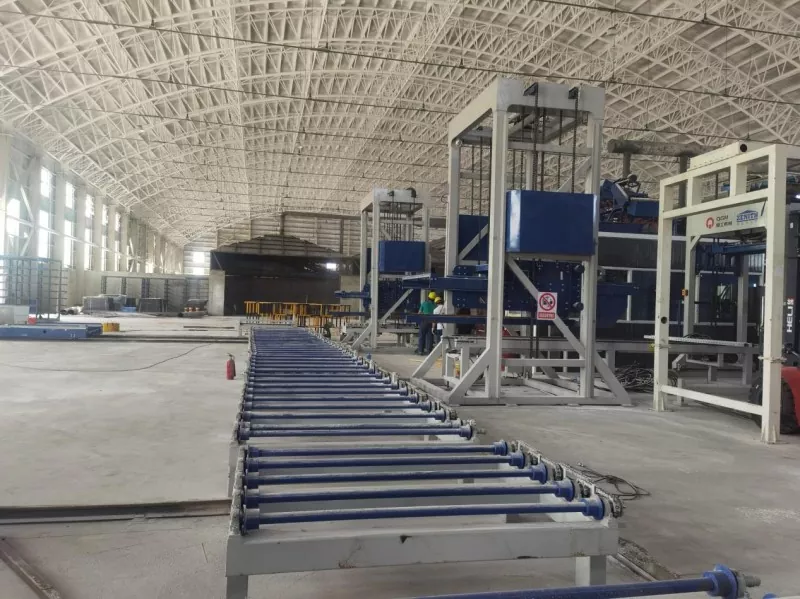
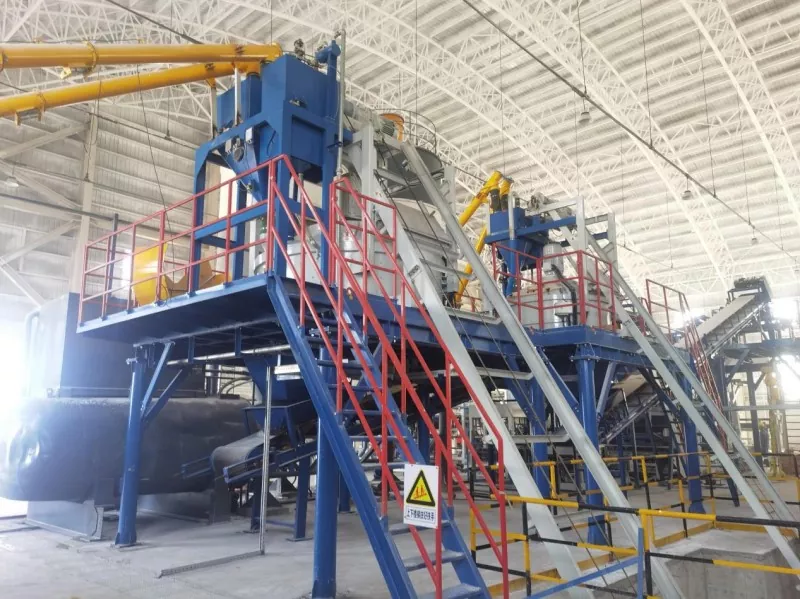
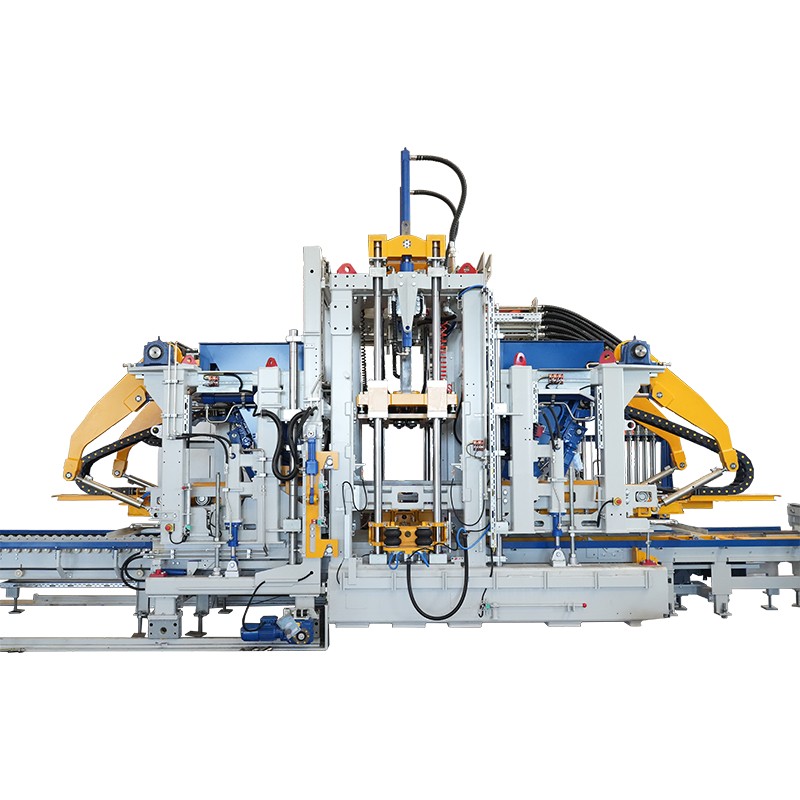
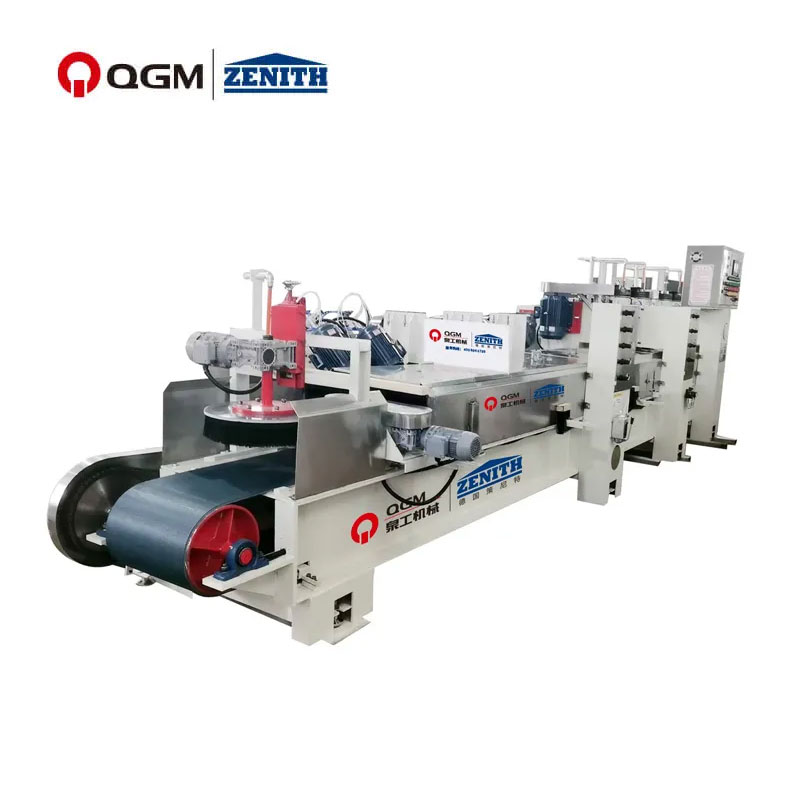
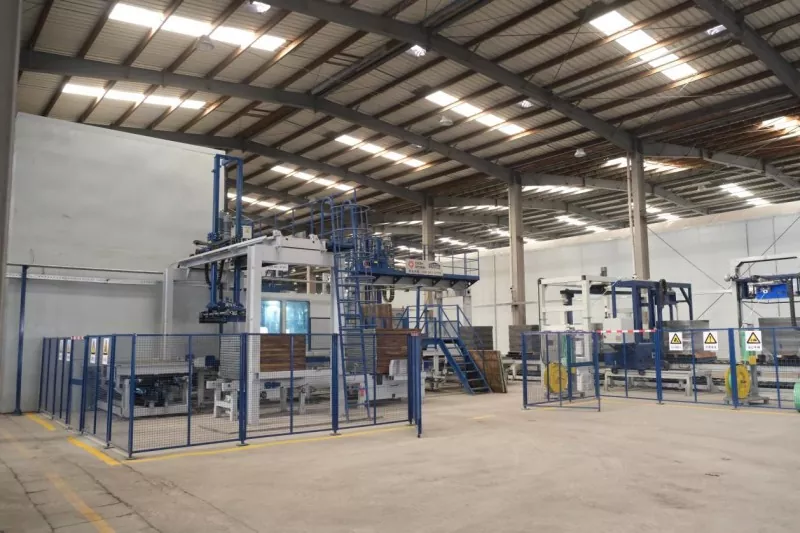
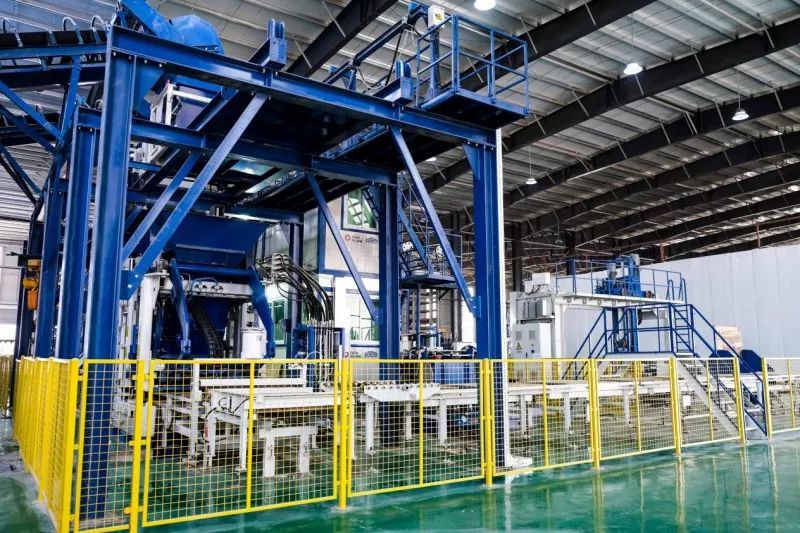
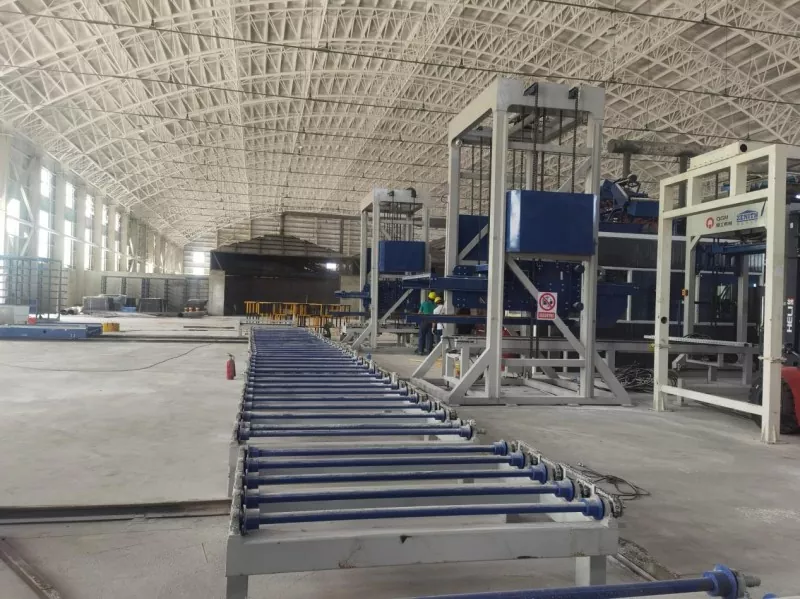
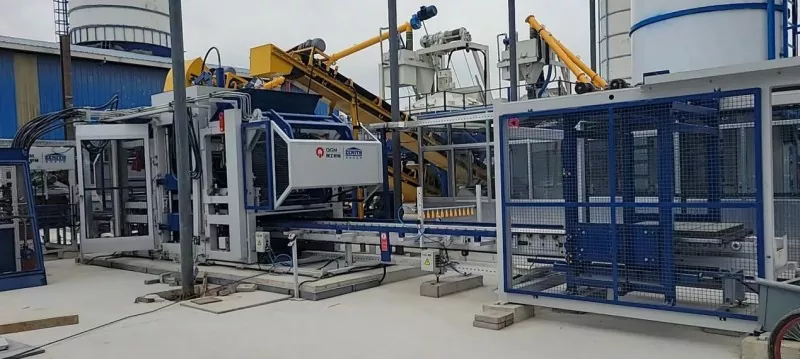
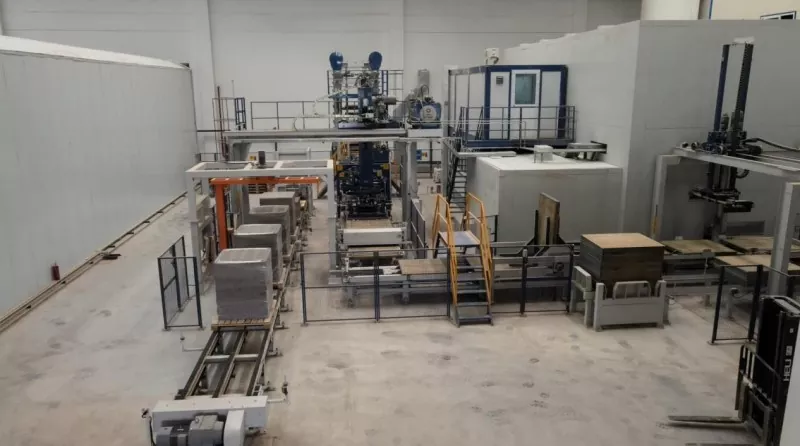
△QGM automatic block machines used in customer projects
The key is not spending more—it is producing smarter.
Before investing additional capital, manufacturers should first identify where quality losses occur within the production process.
In many cases, quality issues are linked to:
●Inconsistent raw materials
●Unstable machine settings
●Uneven compaction
●Poor production discipline
●Inadequate curing management
Addressing these areas often delivers faster results than simply increasing material consumption.
One of the most common misconceptions in block production is that higher cement content automatically results in stronger products.
While increasing cement may improve strength under certain conditions, it also raises production costs and may reduce overall profitability.
Manufacturers can often achieve better results by improving the efficiency of the mix design itself.
Recommended actions include:
✔ Optimizing aggregate particle distribution
✔ Maintaining accurate moisture control
✔ Ensuring consistent mixing performance
✔ Monitoring water-to-cement ratios carefully
A well-balanced mix creates a denser internal structure, helping improve compressive strength without increasing cement consumption.
For facilities operating a cement paving block machine, mix optimization is frequently one of the fastest methods of improving product quality while maintaining cost control.
△QGM automatic block machines used in customer projects
Compaction quality has a direct influence on block strength, durability, and appearance.
Even when raw materials are properly prepared, poor vibration performance can lead to internal voids, inconsistent density, and higher rejection rates.
✖ Insufficient vibration resulting in weak compaction
✖ Excessive vibration causing material segregation
✖ Failure to adjust settings for different products
Vibration settings should be optimized according to product specifications and production requirements.
QGM integrates advanced Zenith vibration technology to maximize compaction efficiency and ensure more even material distribution throughout the mold. This helps manufacturers produce denser concrete products, improve quality consistency, and reduce cement consumption, resulting in lower production costs and higher profitability.
For manufacturers operating a concrete paving block making machine, proper vibration management often contributes significantly to both product quality and production efficiency.
Hydraulic systems play a critical role in controlling forming pressure, mold movement, and machine synchronization.
Pressure instability can create noticeable differences in product dimensions and density, particularly during long production runs.
● Hydraulic pressure consistency
● Oil leakage
● Component wear
● System response time
QGM hydraulic systems integrate Japanese proportional and directional control valves with reliable American hydraulic pumps, delivering accurate pressure control and dependable long-term operation.
Routine hydraulic inspections are often less expensive than correcting large batches of defective products.
As production volumes increase, maintaining consistency through manual adjustments becomes increasingly difficult.
Different operators may apply different settings, resulting in quality variations between shifts.
Modern control systems allow manufacturers to standardize production and reduce unnecessary adjustments.
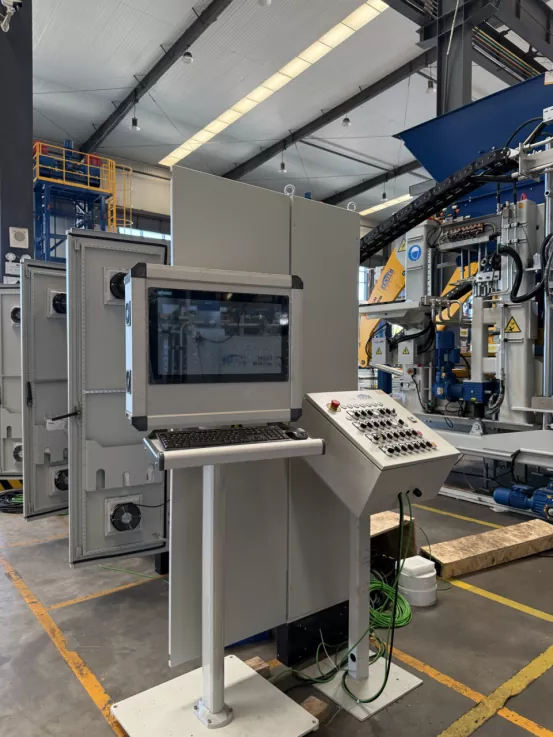
QGM integrates SIEMENS PLC technology, touchscreen operation, and remote monitoring capabilities that help operators:
●Monitor machine performance in real time
●Adjust operating parameters more accurately
●Improve production repeatability
●Reduce operator-dependent variability
△QGM smart block machine integrates the SIEMENS intelligent control system
Factories utilizing a modern paver block machine often experience greater production consistency after implementing automated process management.
Molds directly influence the final dimensions, surface quality, and appearance of concrete products.
Even minor mold wear can gradually increase defect rates and reduce customer satisfaction.
● Dimension deviations
● Surface imperfections
● Uneven edges
● Increased product rejection
✔ Inspect molds regularly
✔ Verify mold alignment before production
✔ Replace worn wear parts promptly
✔ Maintain preventive maintenance records
QGM manufactures precision-engineered molds designed for durability and dimensional accuracy, with heat-treated components that support extended service life.
Quality improvement and cost reduction often go hand in hand.
Every rejected block represents wasted materials, labor, production time, and energy consumption.
● Material feeding consistency
● Mixing procedures
● Machine setup standards
● Shift-to-shift production practices
Manufacturers operating a paving block making machine can often reduce overall production costs simply by minimizing process variation and improving operating discipline.
Operational Insight: Reducing waste is one of the most effective ways to improve profitability without additional investment.
Curing is one of the most overlooked stages in concrete block production.
Even perfectly molded products can fail to reach their design strength if curing conditions are not properly controlled.
✖ Premature product handling
✖ Inconsistent curing duration
✖ Excessive exposure to sunlight or rain
✖ Poor moisture retention
●Standardize curing cycles
●Maintain stable humidity conditions
●Control storage environments
●Train staff on proper product handling procedures
Many facilities operating a cement paving block making machine achieve noticeable quality improvements simply by improving curing discipline rather than increasing production costs.
Successful manufacturers rarely optimize one production stage in isolation.
Instead, they focus on improving how every process works together.
✔ Consistent raw materials
✔ Stable machine operation
✔ Coordinated production flow
✔ Effective quality control
✔ Standardized curing practices
For factories operating a concrete paving block machine, system-wide optimization often delivers greater benefits than isolated equipment upgrades.
When every stage operates in harmony, quality becomes more predictable and production becomes more efficient.
The most successful manufacturers understand that higher quality does not always require higher spending.
In today's competitive construction materials market, profitability increasingly depends on how efficiently resources are managed rather than how much money is invested.
QGM supports this approach through integrated production solutions that combine advanced vibration technology, precision hydraulic systems, intelligent automation, and high-performance mold engineering. These technologies help manufacturers improve quality, reduce waste, and optimize production efficiency without unnecessary operating expenses.
As construction standards continue to rise throughout Southeast Asia, manufacturers that focus on process optimization, production consistency, and operational discipline will be better positioned to strengthen profitability and expand market share.
Ultimately, superior concrete block quality is not achieved by consuming more resources. It is achieved by maximizing the value of every material, every machine cycle, and every stage of the production process.
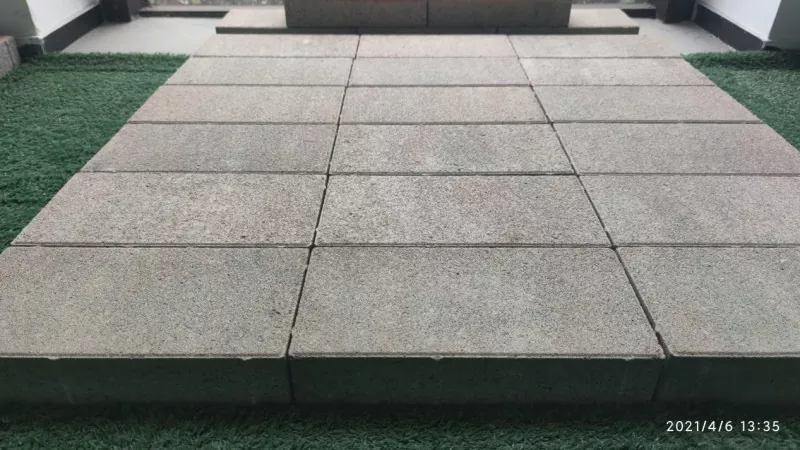
△Application Scenarios
Yes. Block strength is influenced by multiple factors beyond cement content. Improving aggregate grading, maintaining the correct water-to-cement ratio, optimizing compaction performance, and applying proper curing practices can all contribute to higher strength levels. In many cases, process optimization delivers better results than simply adding more cement.
Enhancing compaction quality is often one of the most effective and affordable improvements. When vibration settings are properly adjusted and equipment operates consistently, block density and structural integrity can improve significantly. At the same time, maintaining stable production procedures helps reduce product variation and rejection rates.
Automated control systems help standardize production by reducing unnecessary manual adjustments and minimizing operator-related variations. By improving process accuracy, manufacturers can reduce material waste, lower defect rates, and maintain more consistent output. QGM intelligent control solutions also provide real-time monitoring that supports more efficient plant management and operational decision-making.
Molds directly influence the final shape, dimensions, and surface appearance of concrete products. Even minor mold wear can gradually affect product consistency and increase the number of defective blocks. Regular inspections and timely maintenance help maintain dimensional accuracy, reduce waste, and support stable long-term production performance.
In many cases, yes. Significant improvements can often be achieved by managing existing curing conditions more effectively. Standardizing curing time, protecting products from extreme weather conditions, and maintaining appropriate moisture levels can enhance final strength and durability without requiring major capital investment.
One of the most overlooked costs is production inconsistency. Variations in raw materials, machine settings, operating methods, or curing conditions can generate defective products, rework, and unnecessary material consumption. Reducing process variation often improves both quality and profitability at the same time.
Before investing in new equipment, manufacturers should evaluate whether existing resources are being fully utilized. In many factories, improvements in operating procedures, maintenance practices, and process control can generate substantial quality gains without additional capital expenditure. Equipment upgrades become more effective when supported by a stable and well-managed production system.