In today's construction materials industry, increasing production output is one of the fastest ways to improve profitability. However, many manufacturers mistakenly believe that higher capacity can only be achieved by purchasing new equipment.
In reality, many factories are operating below their actual potential. By optimizing production processes, improving equipment utilization, and strengthening operational management, manufacturers can significantly increase daily output while maintaining product quality and controlling costs.
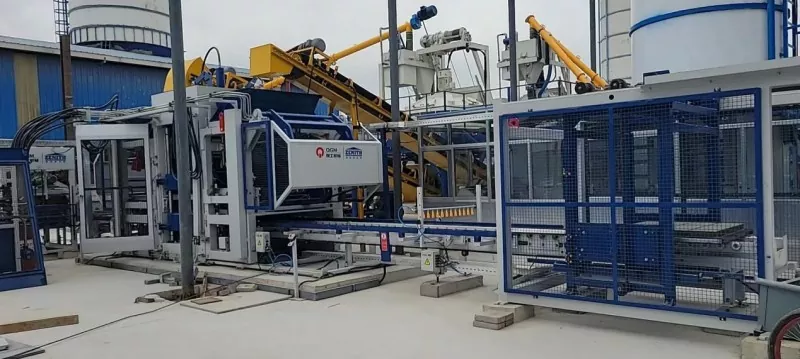
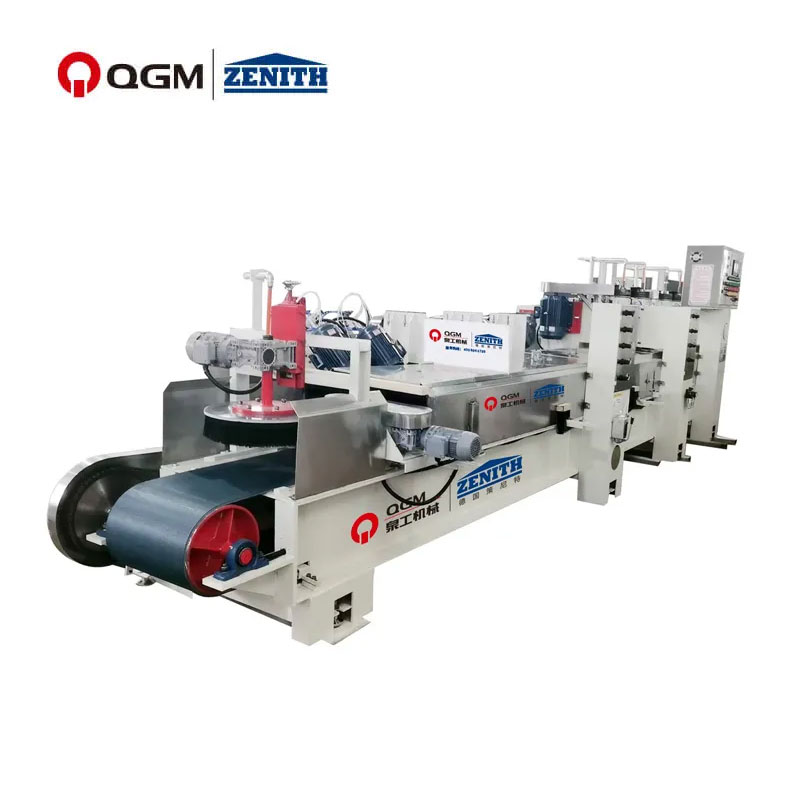
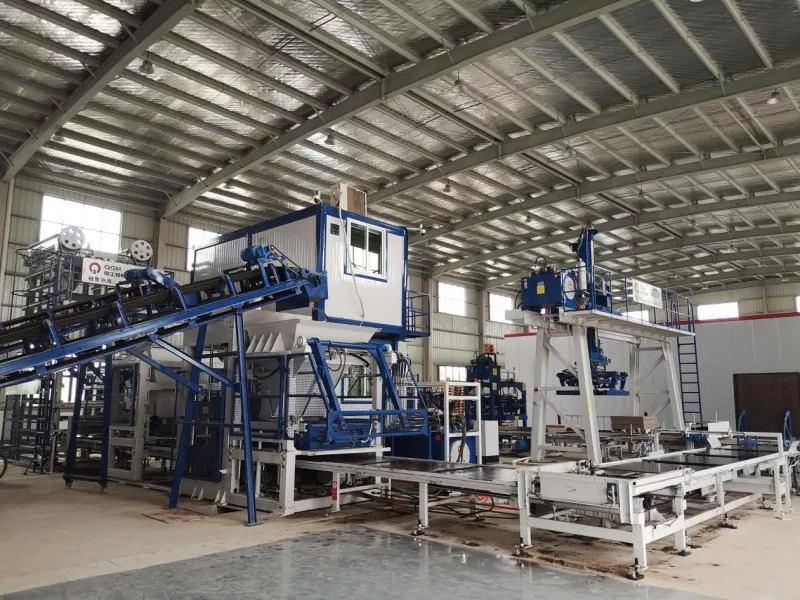
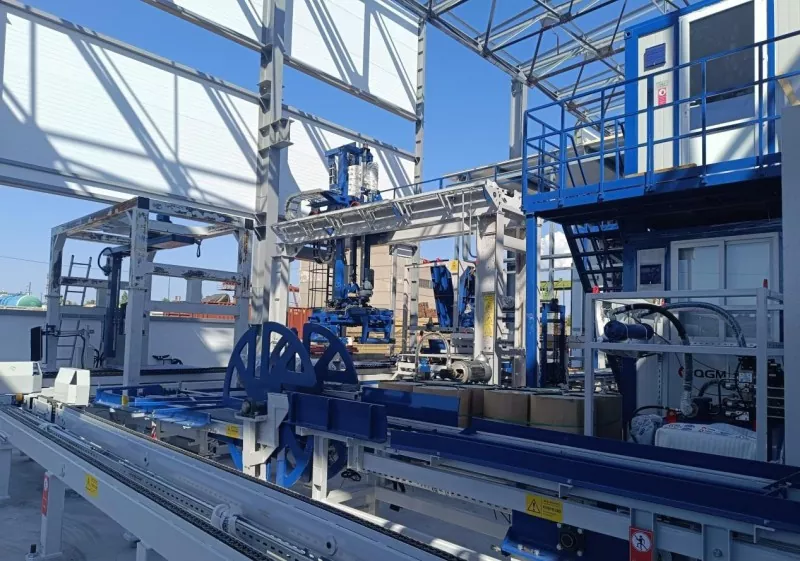
△QGM automatic block machines used in customer projects
Whether operating a standard paving block machine or a fully automated production line, the greatest productivity gains often come from improving how existing resources are used.
Before investing in new machinery, manufacturers should first evaluate the following key areas:
|
Production Area |
Impact on Output |
Investment Required |
|
Material Preparation |
High |
Low |
|
Vibration Performance |
High |
Low |
|
Hydraulic Efficiency |
Medium-High |
Low |
|
Automation & Control |
High |
Medium |
|
Mold Management |
Medium-High |
Low |
|
Operator Efficiency |
Medium |
Low |
|
Maintenance Planning |
High |
Low |
Key Takeaway: Many productivity improvements can be achieved through optimization rather than equipment replacement.
Production speed is heavily influenced by material consistency.
Variations in moisture content, aggregate size distribution, or batching accuracy often lead to production interruptions, rejected products, and unnecessary machine adjustments.
✅ Standardize batching procedures
✅ Monitor moisture content regularly
✅ Improve aggregate storage management
✅ Verify mixing quality before production
QGM supports stable production through advanced batching solutions such as multi-bin aggregate systems and high-efficiency planetary mixers that help ensure uniform material distribution throughout the production cycle.
For plants operating a concrete paving block machine, consistent material preparation is often the foundation of higher throughput.
Many factories attempt to improve product quality by increasing machine cycle times.
In reality, improving compaction efficiency often delivers better results while maintaining high production rates.
❌ Uneven compaction
❌ Excessive vibration duration
❌ Material segregation
❌ Inconsistent product density
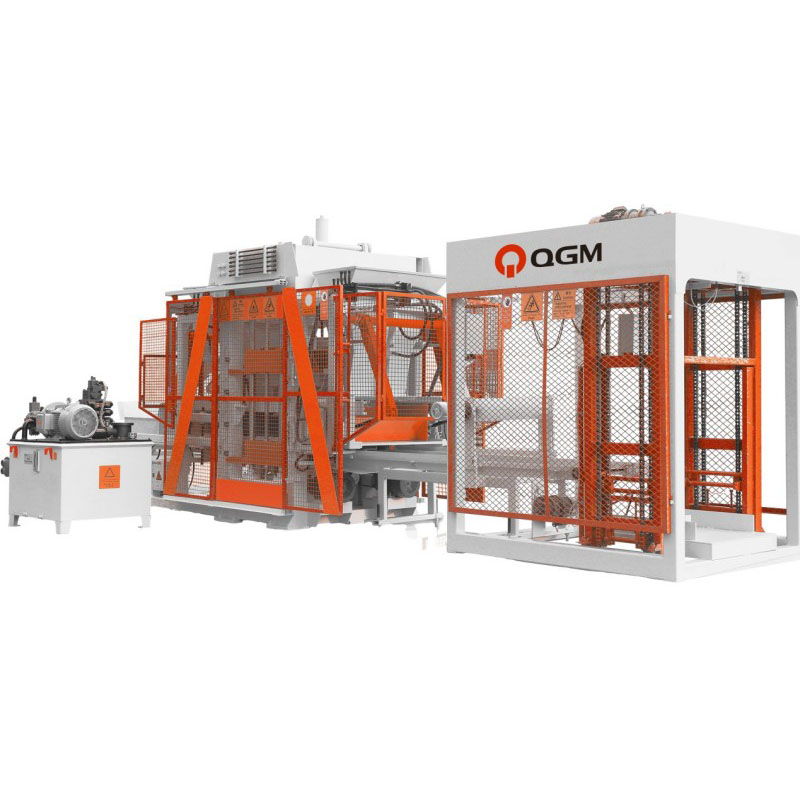
QGM utilizes a four-shaft vibration system with externally mounted eccentric weights.
✔ Improved vibration energy transfer
✔ More uniform block density
✔ Reduced cement consumption
✔ Shorter and more efficient production cycles
Manufacturers using a cement paving block machine can often improve both quality and output by optimizing vibration performance rather than increasing production time.
A block machine can only operate at maximum capacity when hydraulic performance remains stable throughout production.
● Irregular cycle times
● Product dimension variations
● Increased machine wear
● Unexpected downtime
✔ Inspect hydraulic oil condition
✔ Verify operating pressure
✔ Check valve responsiveness
✔ Monitor pump performance
QGM hydraulic systems combine Japanese proportional control valves with durable American hydraulic pumps to provide accurate pressure control and long-term operational reliability.
Well-maintained hydraulic systems often support measurable productivity improvements without additional equipment investment.
Modern manufacturing is increasingly data-oriented.
Instead of relying solely on operator experience, successful factories use production data to identify inefficiencies and optimize performance.
● Real-time machine monitoring
● Faster parameter adjustments
● Reduced operator dependency
● Improved production consistency
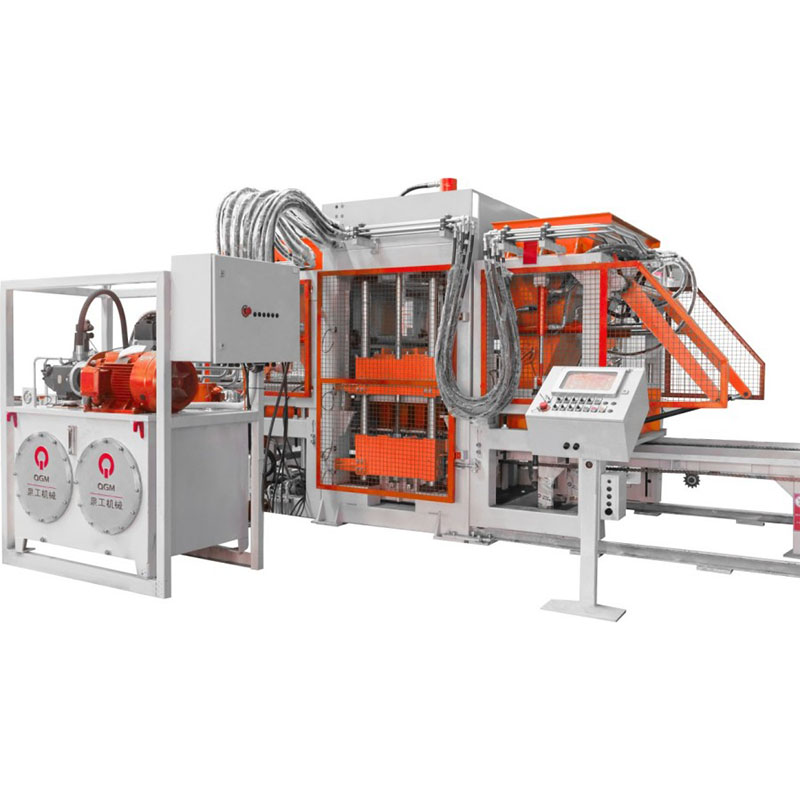
QGM integrates SIEMENS PLC technology with touchscreen operation and remote monitoring capabilities, allowing plant managers to maintain greater visibility across the production process.
△QGM smart block machine with SIEMENS S7-1500 PLC intelligent control system
For operators of a paver block machine, data-driven management often becomes a key factor in achieving stable long-term productivity.
Many manufacturers focus on the machine itself while overlooking mold performance.
However, molds directly affect cycle efficiency, product quality, and rejection rates.
⚠ Increasing dimensional variation
⚠ Surface quality defects
⚠ Longer machine setup times
⚠ Frequent production interruptions
● Inspect molds regularly
● Verify alignment before production
● Replace wear parts proactively
● Maintain mold service records
QGM manufactures precision-engineered molds compatible with multiple international machine platforms, utilizing heat-treatment processes to enhance durability and dimensional stability.
For a high-output paving block making machine, mold quality can have a direct impact on overall plant efficiency.
Unplanned downtime remains one of the biggest obstacles to higher production output.
Many breakdowns are preventable when maintenance is performed before failures occur.
|
Areas Requiring Routine Attention |
|
|
Component |
Inspection Priority |
|
Vibration System |
High |
|
Hydraulic Units |
High |
|
Molds |
High |
|
Sensors & Controls |
Medium |
|
Conveying Equipment |
Medium |
Implement maintenance schedules based on operating hours rather than waiting for equipment failures.
Even advanced machinery depends on skilled operators.
Well-trained personnel can identify abnormalities earlier, optimize machine settings more effectively, and reduce unnecessary production interruptions.
✔ Follow standardized operating procedures
✔ Understand machine performance indicators
✔ Respond quickly to process deviations
✔ Coordinate efficiently across production stages
QGM provides both remote and on-site technical support to help customers strengthen operational capabilities and improve production efficiency.
One of the most common misconceptions in concrete products manufacturing is that production increases come from a single improvement.
In reality, higher output is usually achieved through multiple small optimizations working together.
●Stable raw material preparation
●Efficient vibration performance
●Reliable hydraulic operation
●Intelligent automation
●Precision mold management
●Preventive maintenance
●Skilled workforce development
Factories operating a modern concrete paving block making machine often discover that coordinated process improvements generate greater productivity gains than purchasing additional equipment.
Similarly, manufacturers using a cement paving block making machine can improve profitability by increasing machine utilization rather than expanding production assets.
Increasing production capacity does not always require a larger budget.
The most successful manufacturers focus on maximizing the value of existing equipment, reducing operational waste, and improving process consistency across the entire production line.
QGM supports this approach through integrated production solutions that combine advanced vibration technology, precision hydraulic systems, intelligent PLC controls, and high-performance molds, helping manufacturers unlock the full potential of their equipment.
As competition continues to increase across Southeast Asia's construction materials sector, the factories that achieve sustainable growth will be those that optimize every stage of production—not simply those that invest the most.
Ultimately, true productivity is not measured by machine size or investment level. It is measured by how efficiently a factory transforms materials, technology, and expertise into consistent, profitable output.
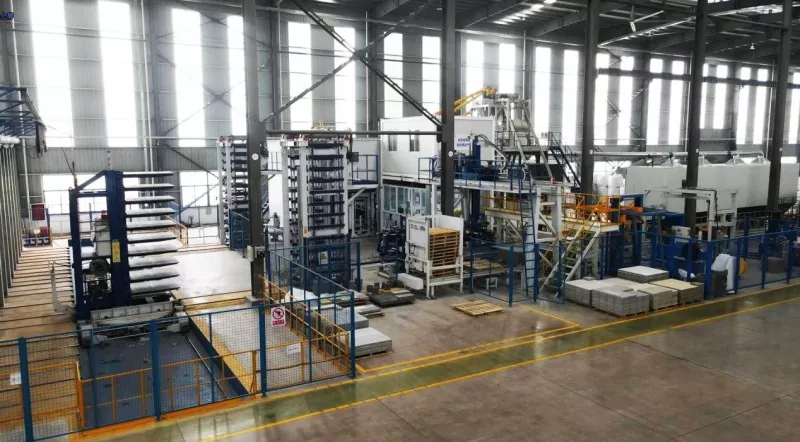
△Application Scenarios
Not necessarily. Higher output does not automatically mean lower quality. When critical production factors such as vibration efficiency, hydraulic pressure stability, and mold accuracy are properly managed, manufacturers can shorten cycle times while maintaining consistent product specifications. In many cases, optimized machine performance can even improve block uniformity and reduce rejection rates.
Regular inspection is essential for sustaining productivity and product consistency. Manufacturers should routinely check molds for wear, dimensional accuracy, alignment, and surface condition. Heat-treated molds generally offer longer service life, but preventive maintenance remains important to avoid unexpected production interruptions and quality deviations.
No. Remote monitoring can provide valuable operational advantages for facilities of all sizes. Even smaller plants can use real-time data to identify performance issues, track machine conditions, and make timely production adjustments. By improving visibility across the production process, manufacturers can reduce downtime and improve overall equipment utilization.