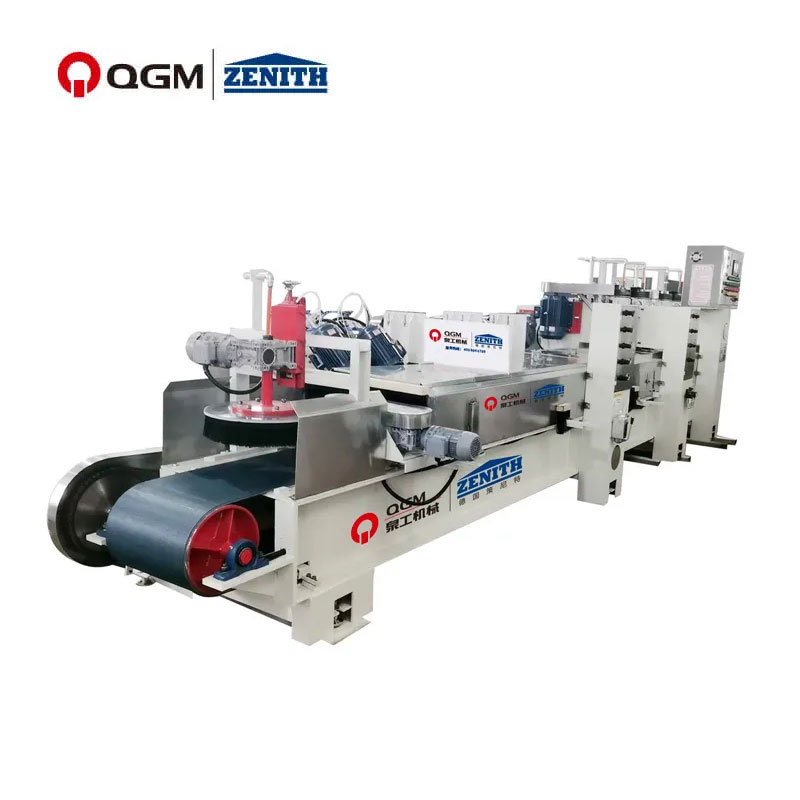
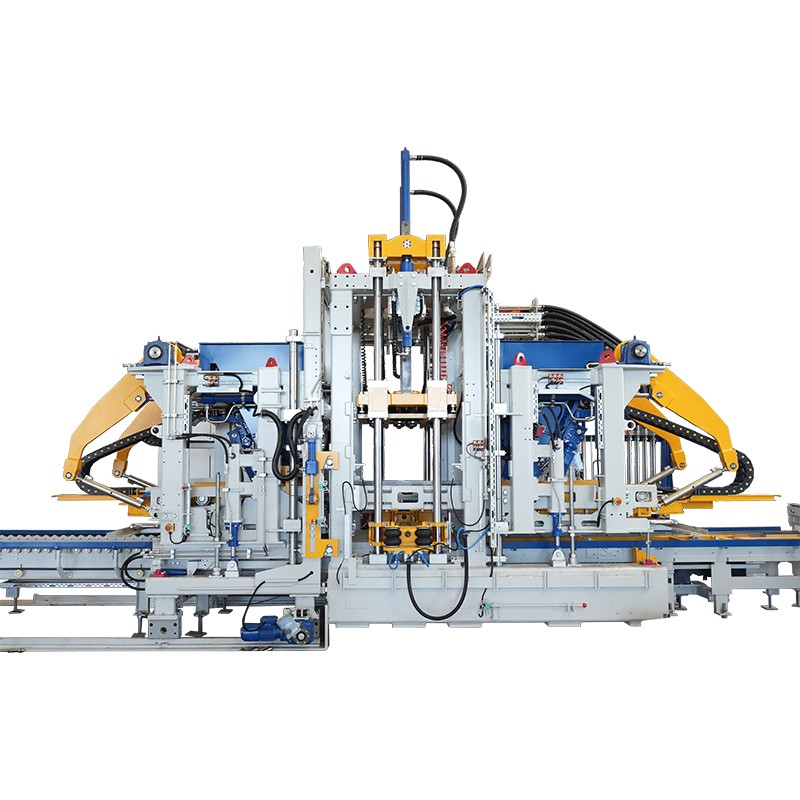
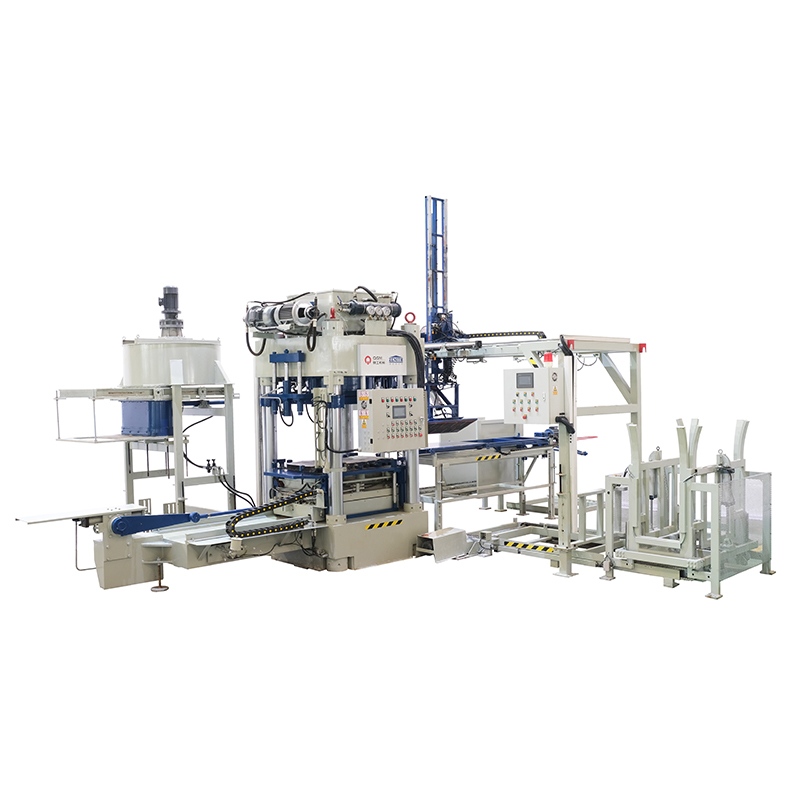
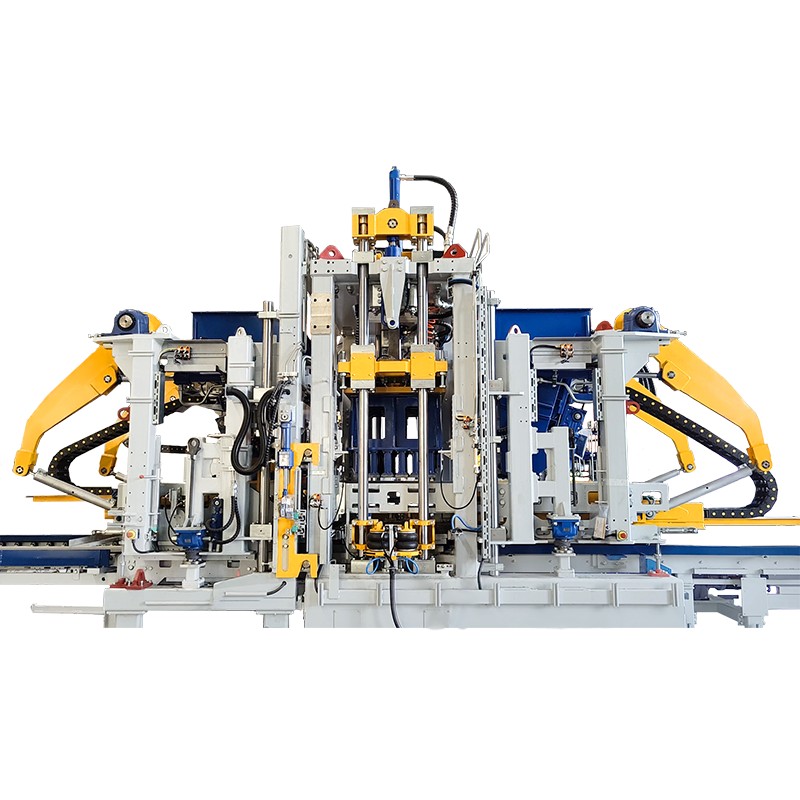
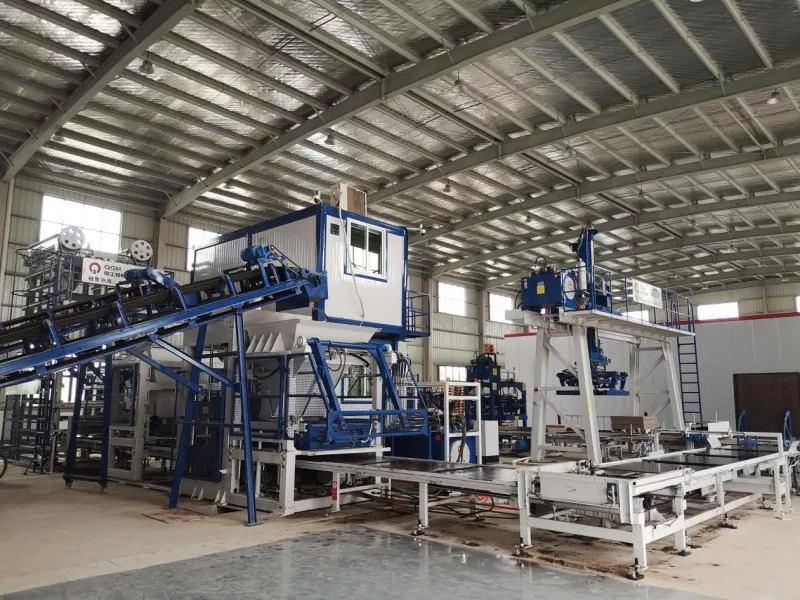
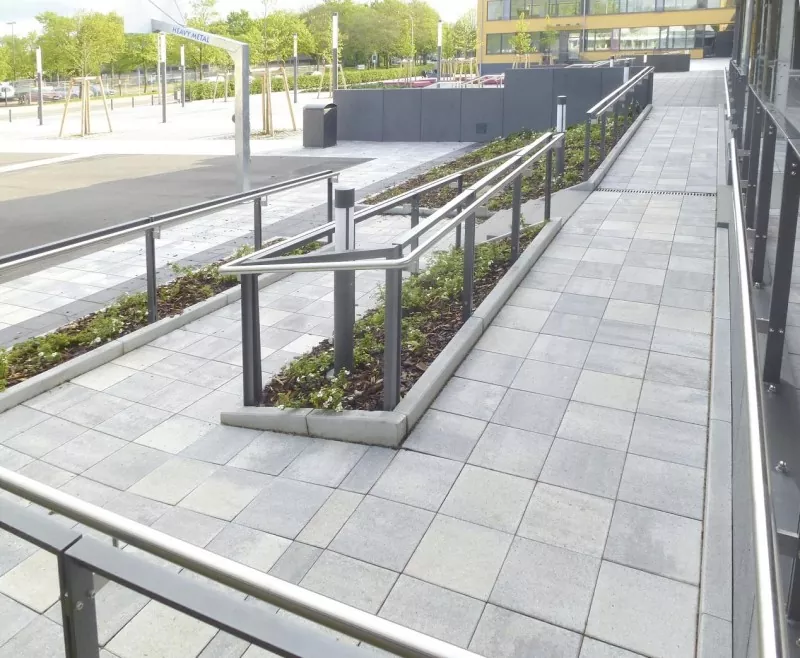
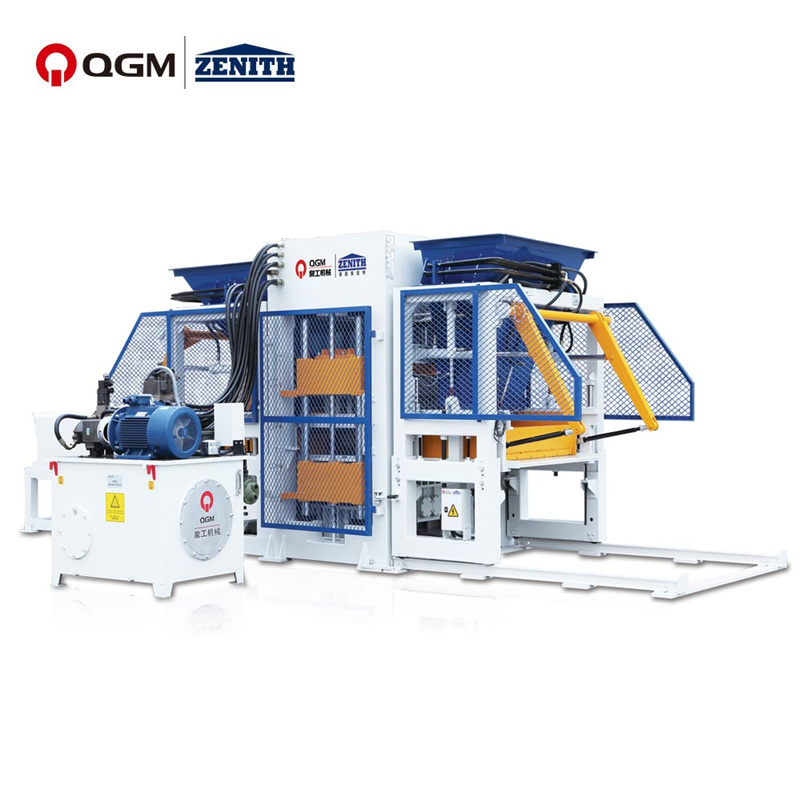
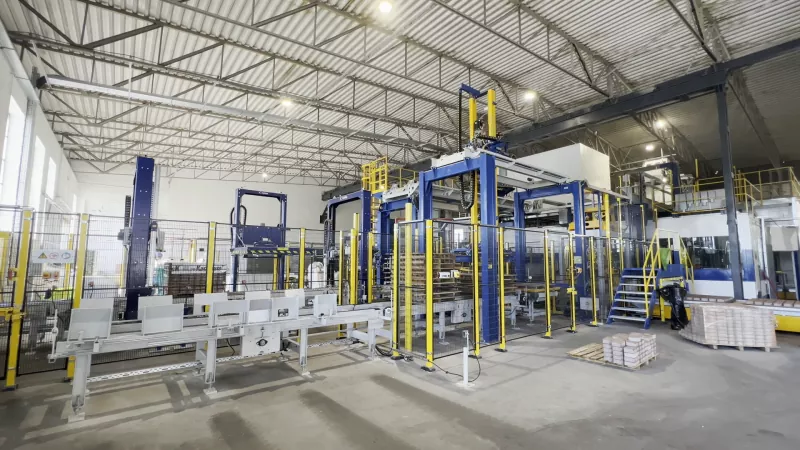
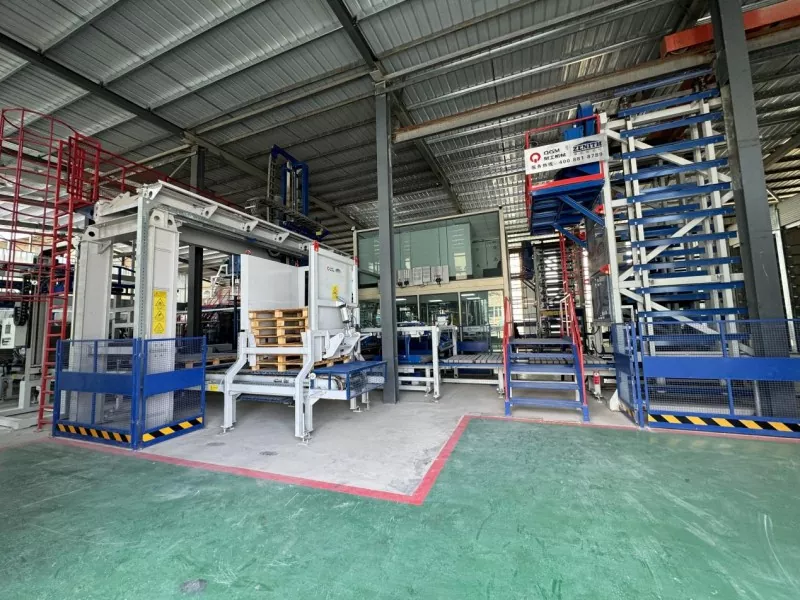
A block machine is one of the most crucial pieces of equipment in modern construction material manufacturing. To ensure stable performance, high output quality, and long service life, regular maintenance is essential. At Zenith, our factory has more than two decades of expertise in the design and production of advanced block machines, and we understand how proper maintenance can significantly reduce downtime and improve operational efficiency.
Why Maintenance Is Crucial for a Block Machine
Routine maintenance of a block machine directly impacts its efficiency and lifespan. The constant vibration, compression, and mechanical movement within the machine lead to gradual wear of mechanical parts, hydraulics, and electronic systems. Neglecting maintenance can result in uneven block quality, reduced productivity, and costly repairs. Our engineers at Zenith have developed a comprehensive preventive maintenance system that allows operators to identify and resolve minor issues before they escalate.
Daily, Weekly, and Monthly Maintenance Tasks
Maintenance of a block machine should be planned systematically. Daily inspections focus on cleaning and lubrication, weekly checks involve functional calibration, and monthly routines cover hydraulic and electrical testing. Below is a detailed maintenance guide that our factory recommends for ensuring continuous, safe, and efficient operation of the block machine.
Maintenance Frequency
Main Task
Description
Purpose
Daily
Lubricate moving parts
Apply oil or grease to bearings, vibrators, and guiding rails
Reduce friction and wear
Daily
Clean mold and surface
Remove concrete residue and dust from the mold cavity
Ensure consistent block quality
Weekly
Check hydraulic oil level
Inspect oil quality and refill as needed
Maintain stable pressure and performance
Weekly
Inspect electrical connections
Tighten terminals and test safety switches
Prevent power failures and malfunctions
Monthly
Examine hydraulic filters
Clean or replace filters depending on oil condition
Protect the hydraulic system from contamination
Monthly
Test vibration system
Check amplitude and frequency of vibrators
Guarantee uniform compaction of concrete
Quarterly
Inspect gearbox and belts
Check for tension, wear, and alignment
Ensure smooth power transmission
Annually
Full performance audit
Conduct a comprehensive mechanical and electrical evaluation
Prolong equipment lifespan and reliability
Hydraulic and Electrical System Care
The hydraulic system is the heart of every block machine. Our team emphasizes regular monitoring of hydraulic oil viscosity, cleanliness, and temperature. Using the correct oil grade recommended by Zenith is essential for maintaining consistent pressure and smooth operation. In our factory, each block machine is equipped with high-efficiency filters to protect sensitive components from contaminants.
Electrical systems, including PLC control units and sensors, must also be inspected. Operators should test all emergency stop buttons and safety interlocks regularly. Our engineers recommend recording all system checks in a maintenance log to track performance trends and detect irregularities early.
Mechanical Components and Lubrication
Proper lubrication minimizes friction between high-speed moving parts such as bearings, shafts, and guide columns. In our Zenith production line, we provide automatic lubrication systems for easier maintenance and reduced labor intensity. Always use recommended industrial-grade lubricants and apply them at specific intervals as shown in the user manual. Over-lubrication should be avoided to prevent oil contamination on block molds.
In addition, our factory advises periodic realignment of mechanical assemblies. Misaligned components can cause vibration imbalances that affect block uniformity. Precision alignment ensures stable operation and better mold accuracy.
Operator Training and Maintenance Records
Well-trained operators contribute to better machine care and consistent product quality. Our technical team offers training programs that teach preventive maintenance, troubleshooting, and safe operating procedures. Every block machine from Zenith includes a maintenance checklist that should be completed daily. Maintaining accurate records helps our engineers analyze performance data and recommend future upgrades.
FAQs: What Are the Maintenance Requirements for a Block Machine?
Q1: What Are the Maintenance Requirements for a Block Machine?
A1: Maintenance involves daily cleaning, lubrication, and checking oil levels, along with weekly inspections of hydraulic and electrical systems. Our factory advises a complete technical inspection every 12 months to maintain stability and extend service life.
Q2: How often should I replace the hydraulic oil in a block machine?
A2: Hydraulic oil should typically be replaced every 2,000–2,500 operating hours. However, our experience at Zenith shows that replacement frequency also depends on working conditions, oil quality, and filter maintenance.
Q3: Can I perform block machine maintenance without professional help?
A3: Basic maintenance tasks such as cleaning, lubrication, and visual inspections can be done by trained operators. However, our factory recommends contacting certified Zenith technicians for complex procedures like hydraulic calibration, vibration tuning, and electrical diagnostics to ensure safety and precision.
Conclusion
Regular and structured maintenance is essential for any block machine to deliver consistent performance, reduce downtime, and extend operational life. Our commitment at Zenith is to support every client with reliable equipment, professional guidance, and long-term service solutions. With proper care, your production line will continue to run smoothly, ensuring that every concrete block meets the highest quality standards.
We use cookies to offer you a better browsing experience, analyze site traffic and personalize content. By using this site, you agree to our use of cookies.Privacy Policy