ZENITH Maschinenfabrik GmbH

​How to Improve Concrete Block Quality Without Increasing Production Costs

2026-10-08 0 Leave me a message
Producing high-quality concrete blocks does not always require higher material costs or major equipment investment.


In many block manufacturing plants, quality problems are caused by inconsistent raw materials, unstable production parameters, inefficient compaction, worn molds, or poor process coordination rather than a lack of investment. When these factors are properly controlled, manufacturers can often improve block strength, dimensional accuracy, surface finish, and production consistency while keeping operating costs under control.


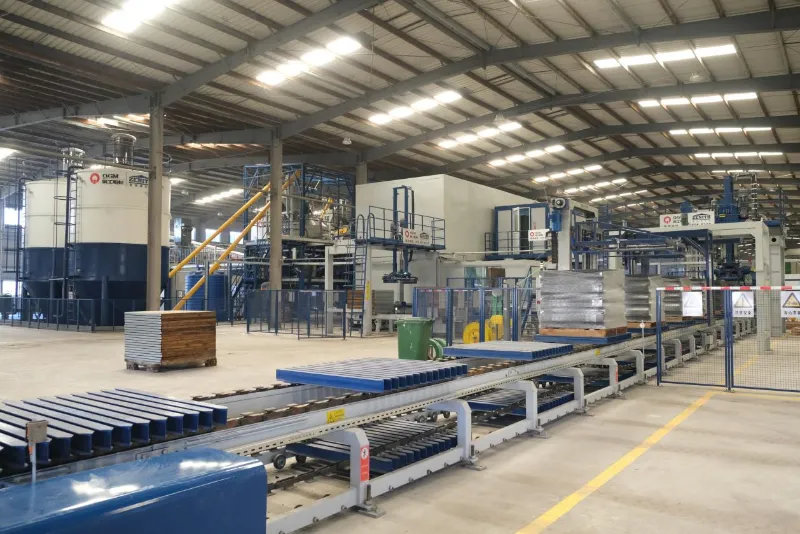
For producers using a block making machine or an automated concrete block production line, the key is to optimize the entire manufacturing process rather than focus on a single production parameter.


From mix design and material feeding to vibration, hydraulic control, molding, and curing, every stage influences the quality of the finished concrete product.

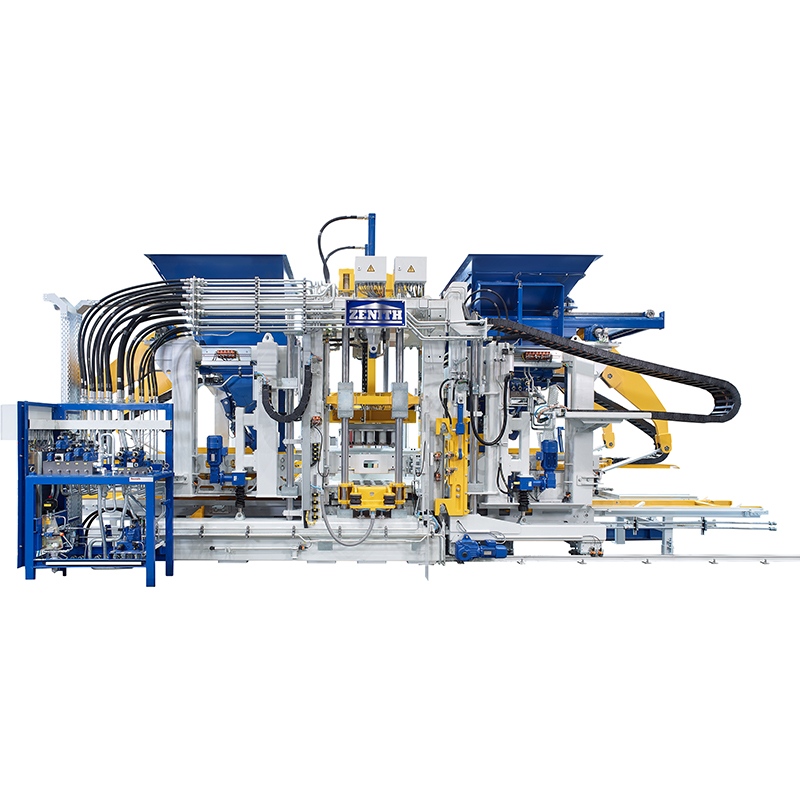
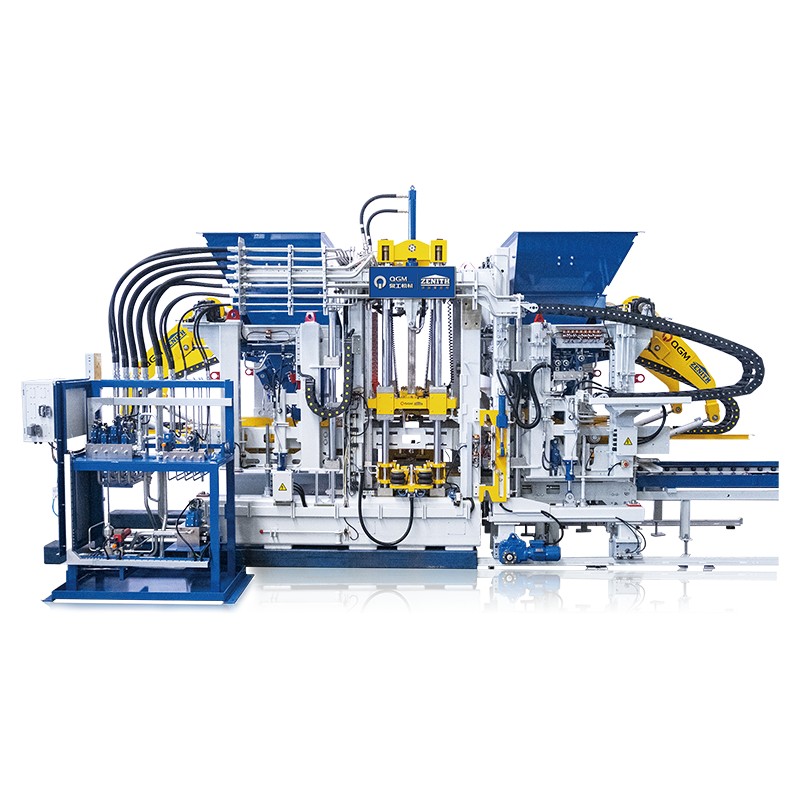
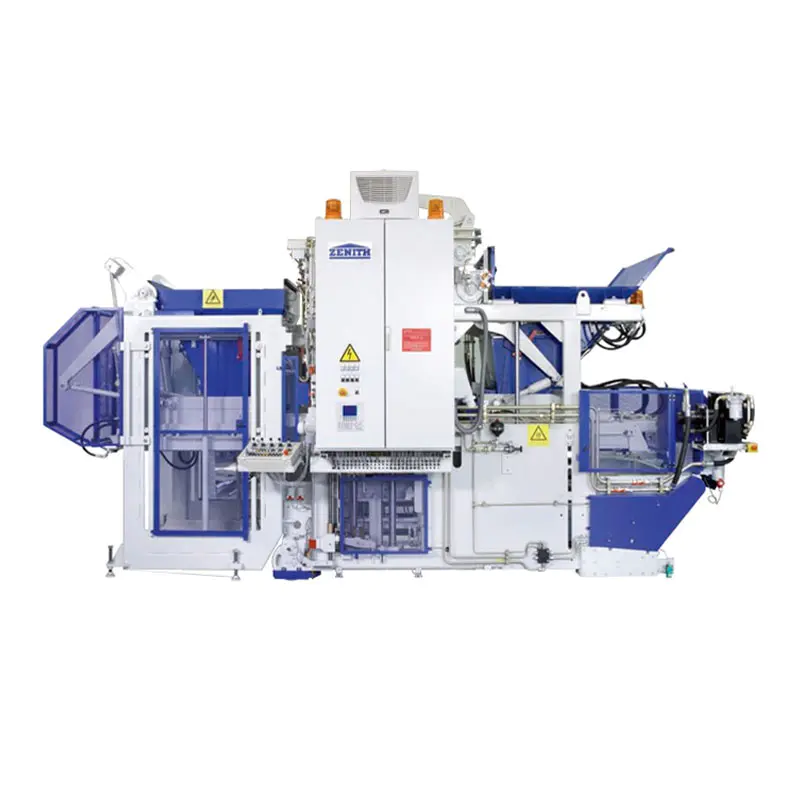
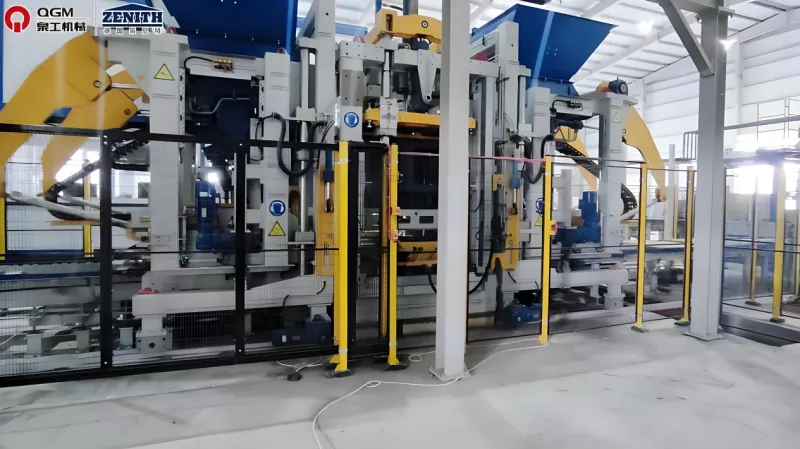
QGM Fully Automatic Block Making Machine for Efficient Concrete Block Production

△QGM Fully Automatic Block Making Machine for Efficient Concrete Block Production

Understanding the Key Factors Behind Concrete Block Quality

Concrete block quality is determined by several interconnected factors. The raw material mix must be properly proportioned, the material must be evenly distributed, and the molding process must provide sufficient and consistent compaction.


At the same time, the hydraulic and control systems need to operate reliably, while molds must maintain their dimensional accuracy throughout their service life.


This means that improving block quality is less about simply adding more cement or increasing production costs and more about achieving stable and repeatable production conditions.


A well-designed production process can help manufacturers make better use of the materials, energy, and equipment they already have.


Optimize the Concrete Mix Before Increasing Cement Content

Cement is an important component of concrete blocks, but using more cement is not necessarily the most cost-effective way to improve strength.


A better approach is to optimize the overall mix design.


Important factors include:

* Aggregate grading and particle distribution

* Water-to-cement ratio

* Moisture content of aggregates

* Material proportions

* Mixing uniformity


A properly graded aggregate mix allows particles to pack together more efficiently, reducing internal voids in the concrete matrix. This can contribute to higher density and compressive strength without simply increasing cement consumption.


Moisture control is equally important.

If the raw materials contain inconsistent moisture levels, the actual water content of the mix can change from batch to batch. This may affect workability, compaction, block density, and final strength.


For this reason, consistent material preparation and accurate batching should be considered the foundation of stable concrete block production.


Improve Compaction Through Controlled Vibration

Compaction is one of the most important stages in the production of concrete blocks.


During molding, vibration helps distribute the concrete mixture throughout the mold and remove unwanted air voids. Insufficient compaction can result in low density, weak areas, dimensional inconsistencies, and poor surface quality.


However, more vibration does not automatically mean better blocks.


Excessive vibration can also affect material distribution and production stability. The objective is to achieve the appropriate vibration performance for the specific product and mix design.


Modern automatic block making machines can use controlled vibration systems to provide more consistent compaction.


For example, advanced vibration configurations can help distribute vibration more effectively across the mold while reducing unnecessary mechanical resistance. When properly adjusted, vibration parameters such as frequency, amplitude, and cycle time can be matched to different concrete products.


Regular inspection of vibration components is also important. Worn or improperly adjusted components can gradually affect compaction consistency and increase quality variation.


Maintain Stable Hydraulic Pressure During Molding

The hydraulic system plays a critical role in an automated block production line.


It controls functions such as mold movement, forming pressure, and synchronization between different machine operations. If hydraulic pressure fluctuates during production, the resulting blocks may show variations in density, dimensions, or overall appearance.


Stable hydraulic performance therefore contributes directly to production consistency.


Manufacturers should pay particular attention to:

* Hydraulic pressure stability

* Valve performance

* Pump condition

* Hydraulic oil condition

* Leakage prevention

* System inspection and maintenance


A properly maintained hydraulic system allows the concrete block making machine to perform forming operations consistently from one production cycle to the next.


This is particularly important for plants producing multiple concrete block sizes or products, where stable machine operation helps reduce parameter variation during product changeovers.


Use Intelligent Control to Reduce Production Variation

Human operation can introduce unavoidable differences between operators, shifts, and production batches.


An operator may adjust a parameter slightly differently from another operator. Over time, these small variations can affect product consistency and increase the amount of trial and error required during production.


Intelligent machine control provides a way to standardize these operations.


Modern block production equipment can integrate PLC-based control systems, touchscreen interfaces, automatic parameter management, and remote monitoring functions.


These systems can help operators:

* Monitor machine operating conditions

* Manage production parameters

* Standardize production cycles

* Identify abnormal machine conditions

* Reduce manual adjustment

* Improve repeatability between production batches


For manufacturers producing concrete paving blocks, solid blocks, hollow blocks, curbstones, or other precast concrete products, consistent production parameters can help maintain uniform product quality across different shifts and production runs.

Keep Molds Accurate to Maintain Product Quality

The mold is the direct interface between the block making machine and the finished product.


Its condition has a direct influence on block dimensions, shape, surface quality, and edge definition.


Even when the machine itself is operating correctly, a worn or damaged mold can result in:

* Dimensional deviations

* Uneven surfaces

* Poor edge definition

* Product deformation

* Increased rejection rates


For this reason, mold maintenance should be treated as an important part of quality control.Regular inspections can help identify wear before it begins to affect finished products. Mold components should be replaced when necessary, while alignment and positioning should be checked to ensure accurate forming.


High-quality molds manufactured to precise specifications can also improve service life and production consistency.

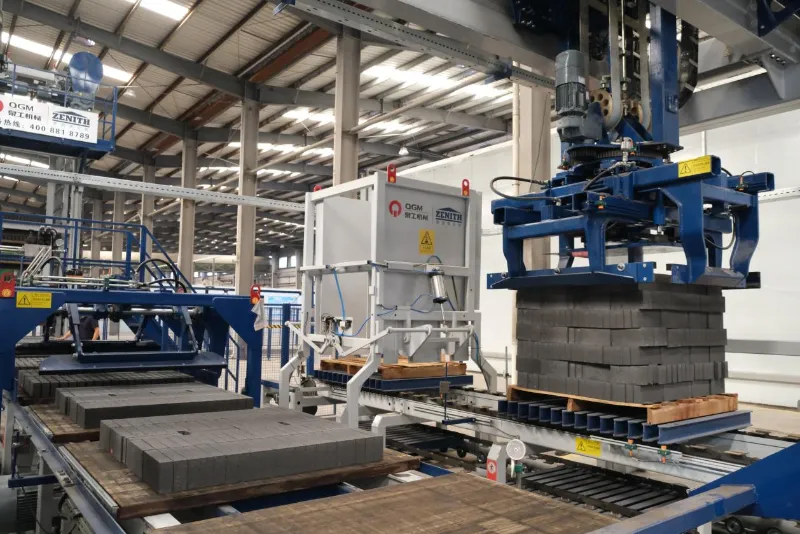
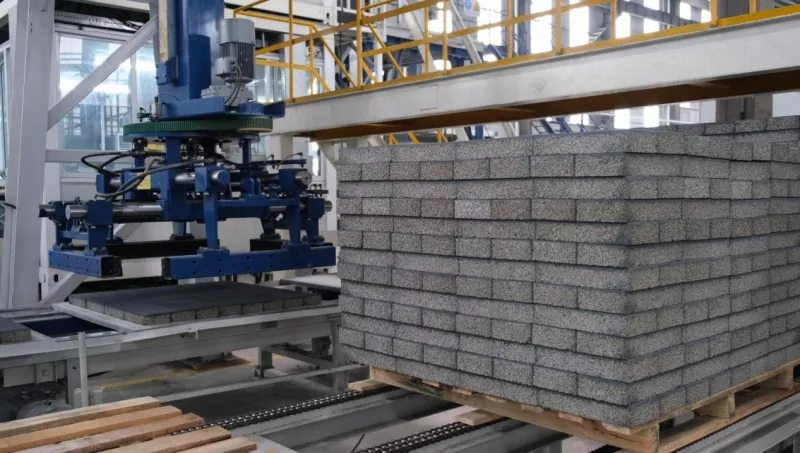
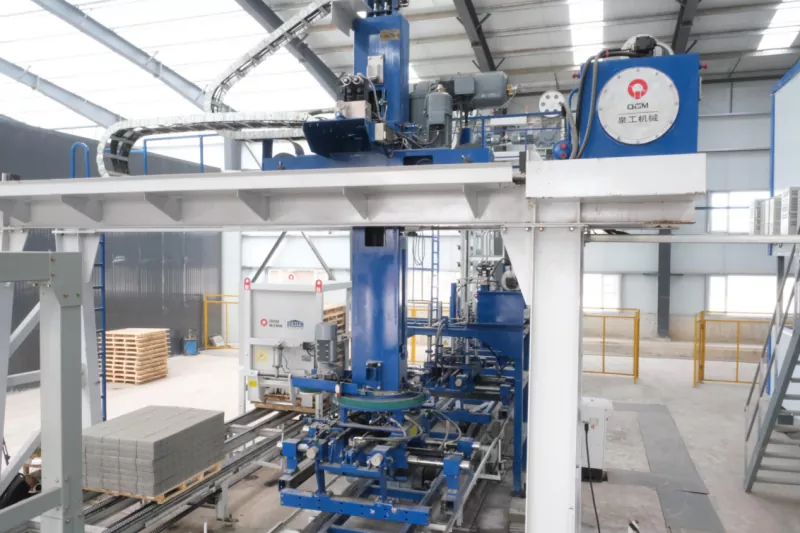
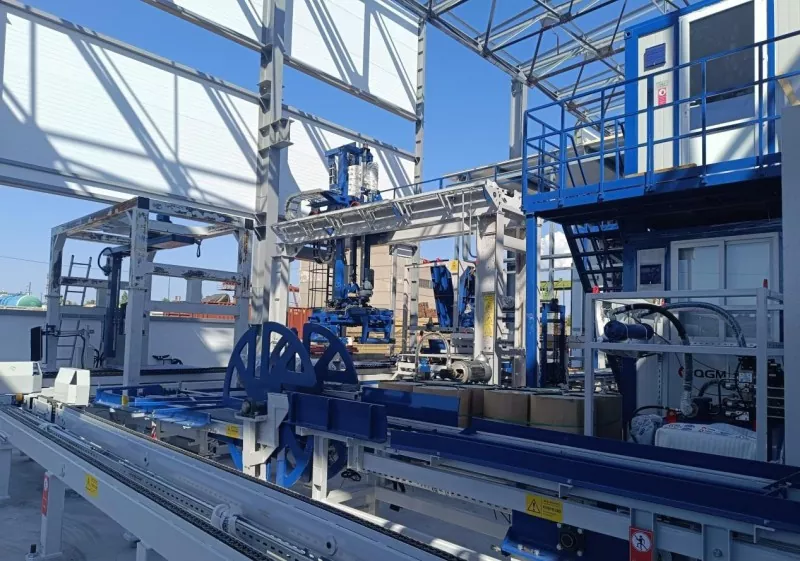
QGM Fully Automated Palletizing System for Concrete Block Production

△QGM Fully Automated Palletizing System for Concrete Block Production

For plants operating an automatic concrete block production line, maintaining mold accuracy is particularly important because high production volumes can accelerate wear.


Reduce Production Waste Through Process Consistency

Quality improvement and cost control are closely connected.


Every defective block represents more than wasted concrete. It can also represent lost production time, labor, energy, handling capacity, and curing space.


Reducing rejection rates is therefore one of the most practical ways to improve production economics without increasing product costs.


Manufacturers can focus on several areas:

Consistent Material Feeding

Stable material feeding helps maintain uniform filling and reduces variation between molding cycles.


Consistent Mixing

A homogeneous concrete mixture helps ensure that each production batch has similar characteristics.


Standardized Operating Procedures

Clear operating procedures reduce differences between operators and production shifts.


Stable Machine Parameters

Maintaining appropriate molding, vibration, and hydraulic parameters helps reduce variation in finished products.


The objective is simple:Make every production cycle as repeatable as possible.The more consistent the process becomes, the fewer resources are lost to defective products and rework.


Improve Curing Conditions to Develop Final Strength

The molding process determines the initial shape and density of a concrete block, but curing has a major influence on its final performance.


Poor curing conditions can prevent concrete products from developing their intended strength and durability, even when the preceding production stages are properly controlled.


Curing conditions should therefore be managed consistently.


Depending on the production process and product requirements, manufacturers should pay attention to:

* Temperature

* Moisture

* Curing duration

* Handling time

* Environmental conditions


In many cases, improving curing does not require significant additional investment.


Better scheduling, more consistent environmental control, and standardized handling procedures can already improve curing performance.


For a complete concrete block production line, curing should therefore be considered part of the overall quality management process rather than an isolated final step.


Integrate the Entire Block Production Process

The most effective quality improvements rarely come from changing just one machine parameter.


Concrete block manufacturing is a connected production process.


The quality of the raw materials affects mixing.

Mixing affects material uniformity.

Material uniformity affects compaction.

Compaction affects block density and strength.

Hydraulic and control systems affect molding consistency.

Mold condition affects dimensions and surface finish.

Curing affects final strength and durability.


A weakness at any stage can influence the finished product.This approach can often deliver meaningful quality improvements without requiring major capital expenditure.


How Modern Block Making Machines Support Quality Optimization

Equipment design also plays an important role in maintaining stable production.


Modern block making machines can integrate several technologies that support quality and process consistency, including controlled vibration systems, stable hydraulic circuits, PLC-based automation, precision molds, and equipment monitoring.


These technologies are designed to reduce unnecessary variation during production.


For example, a controlled vibration system can provide more consistent compaction, while an automated control system can help maintain repeatable operating parameters. A stable hydraulic system can support consistent molding pressure, while precision molds help maintain product dimensions.


The value of these technologies is not simply higher automation.It is the ability to create a more predictable production environment.


For manufacturers, predictable production means fewer rejected blocks, less material waste, more stable product quality, and better utilization of existing equipment.


Quality Improvement Starts with Better Process Control

Improving concrete block quality without increasing production costs does not mean cutting corners.


It means making better use of existing materials, machinery, labor, and production capacity.


Instead of increasing cement consumption, manufacturers can optimize aggregate grading and moisture control.


Instead of simply increasing vibration intensity, they can optimize vibration parameters.


Instead of replacing an entire hydraulic system, they can focus on pressure stability and preventive maintenance.


Instead of relying entirely on operator experience, they can use automation and standardized machine parameters.


Instead of accepting mold-related defects as unavoidable, they can establish regular inspection and replacement procedures.


In this way, quality improvement becomes a process optimization exercise rather than a cost-increasing exercise.


QGM: Supporting More Consistent Concrete Block Production

QGM applies this approach to the development of advanced block making machines and automated concrete block production systems.


By combining controlled vibration technology, hydraulic systems, intelligent machine control, and precision-engineered molds, the equipment is designed to help manufacturers establish stable and repeatable production processes.


The focus is not simply on producing more blocks.


It is on helping manufacturers achieve the right balance between product quality, production efficiency, equipment reliability, and operating cost.


For concrete products manufacturers competing in demanding global markets, this balance is becoming increasingly important.


From Cost Control to Smarter Block Manufacturing

High-quality concrete blocks do not necessarily require higher production costs.


In many cases, better results can be achieved by improving the way existing resources are controlled and coordinated.


A stable mix design reduces unnecessary material consumption.

Effective compaction improves density.

Reliable hydraulic performance supports consistent molding.

Intelligent control reduces operator-related variation.

Precision molds maintain product dimensions.

Consistent curing supports final product performance.


When these elements work together, quality becomes the natural result of a well-controlled production process.


For modern concrete products manufacturers, the future of block manufacturing is not simply about producing more—it is about producing more consistently, efficiently, and intelligently.


The real competitive advantage lies in turning every kilogram of raw material, every production cycle, and every machine operating hour into greater value.


FAQ

1. Can concrete block strength be improved without using more cement?

Yes. Improving aggregate grading, moisture control, mixing uniformity, compaction, and curing can contribute to higher block strength without simply increasing cement consumption.


2. How does vibration affect concrete block quality?

Vibration helps compact the concrete mixture and reduce internal voids. Properly controlled vibration can improve block density, strength, and consistency, while excessive or insufficient vibration may negatively affect production quality.


3. How can automation improve concrete block production?

Automation helps standardize production parameters, reduce operator-related variation, monitor equipment conditions, and improve repeatability between production cycles. This can help reduce defects and production waste.


4. Why is mold maintenance important for a block making machine?

The mold directly determines the dimensions, shape, and surface finish of the finished block. Regular inspection and timely replacement of worn components can reduce dimensional deviations, defects, and rejection rates.


5. Can concrete block quality be improved without major equipment investment?

In many cases, yes. Optimizing mix design, production parameters, machine maintenance, mold condition, operating procedures, and curing conditions can improve quality without requiring major capital investment. The key is to improve process consistency and make better use of existing equipment and resources.


Related News
Leave me a message
X
We use cookies to offer you a better browsing experience, analyze site traffic and personalize content. By using this site, you agree to our use of cookies. Privacy Policy
RejectAccept