A block machine is a long-term industrial asset. Its actual value depends on how consistently it performs after installation, how quickly technical problems can be resolved, and whether essential spare parts and engineering support remain available throughout its service life.
For this reason, selecting the right manufacturer should be approached as a total-value assessment, rather than a simple price comparison.A practical evaluation should focus on five areas: proven equipment performance, application suitability, service capability, spare parts support, and manufacturing experience.
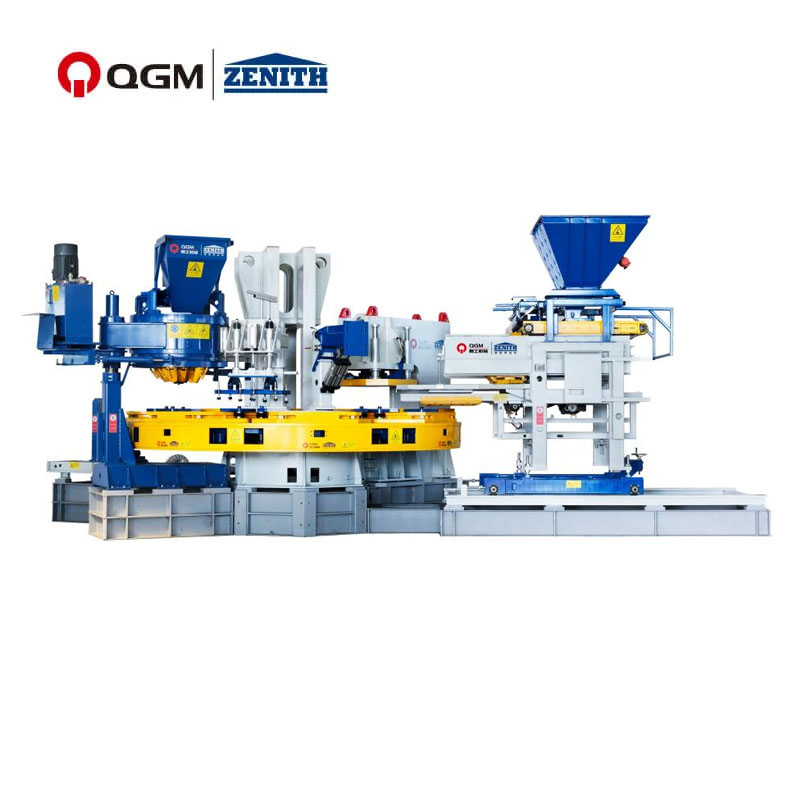
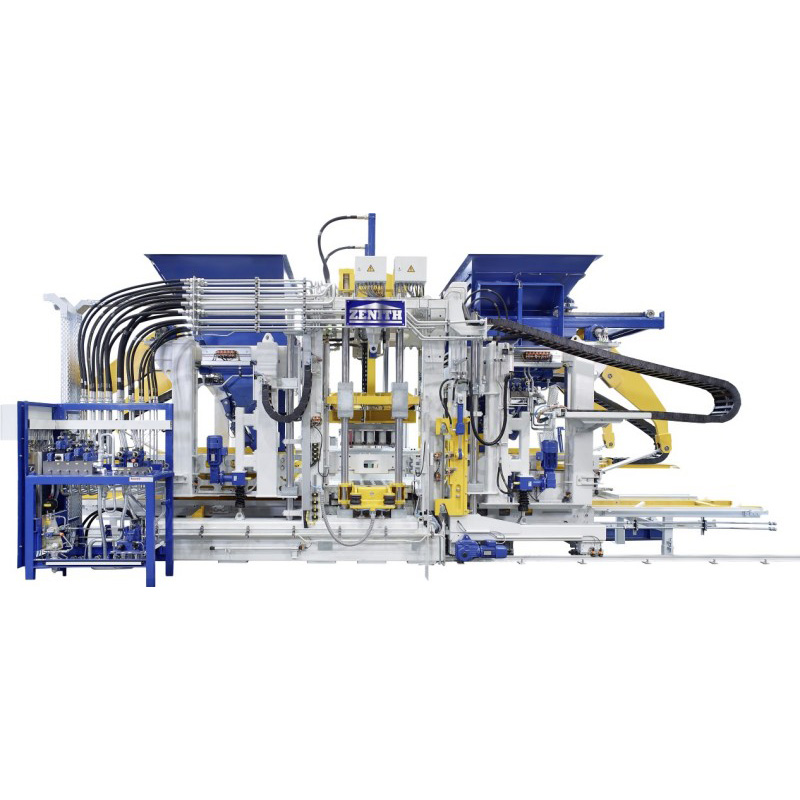
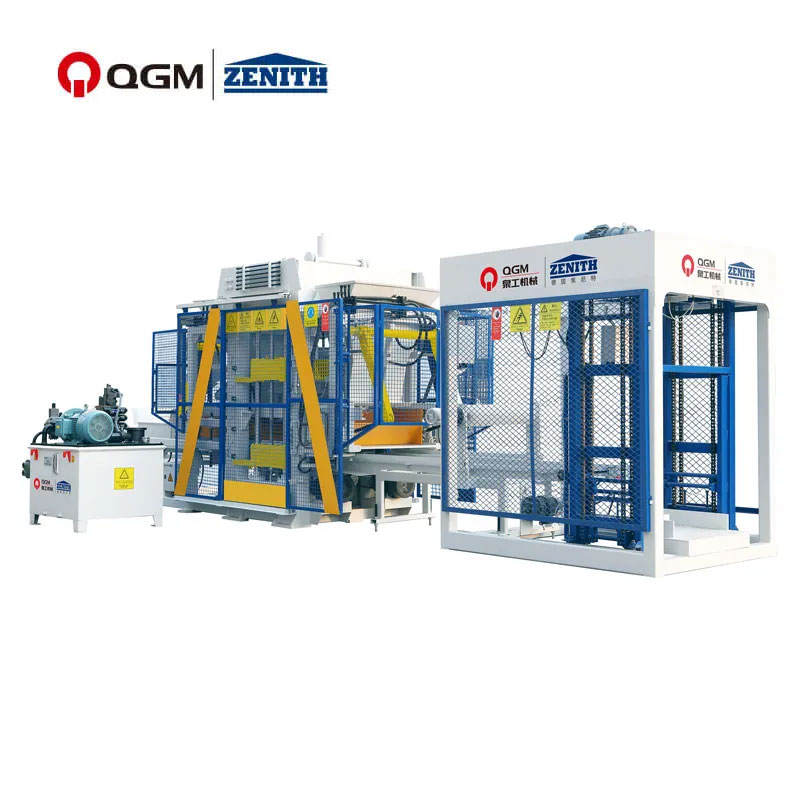
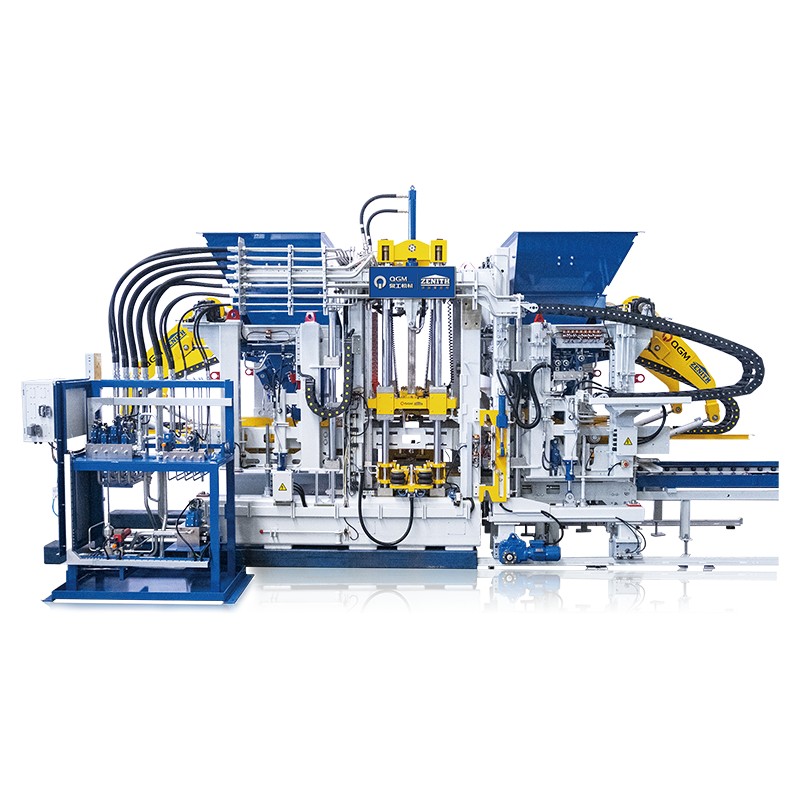
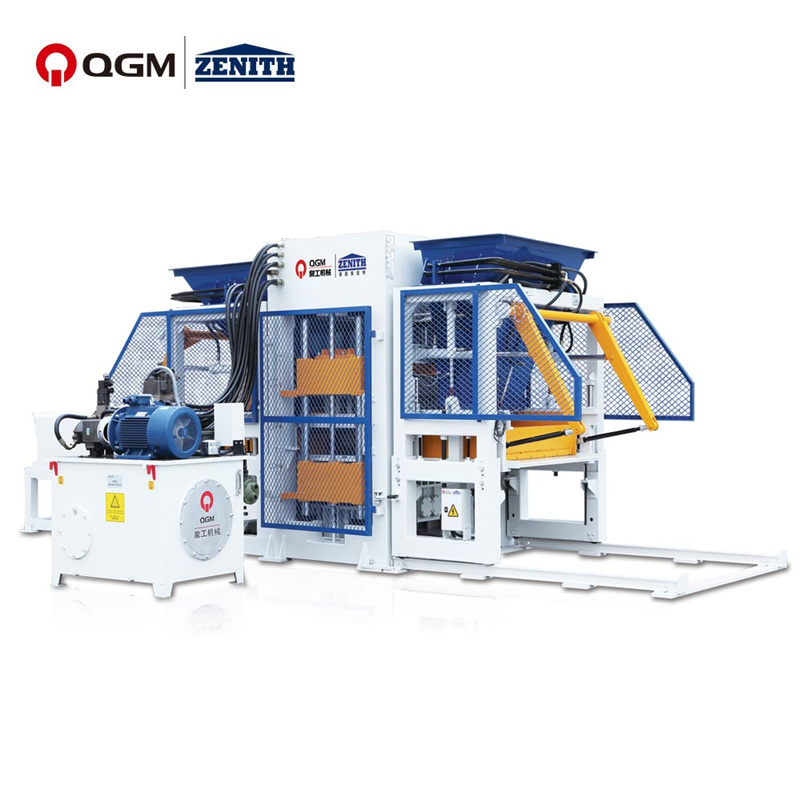
△QGM Fully Automatic Block Making Machine for Concrete Block Production
A qualified manufacturer should do more than produce and ship machinery.
The supplier should understand the complete production process, from raw material preparation and concrete mixing to molding, curing, handling, and finished-product management.
This broader understanding allows the manufacturer to recommend an equipment configuration that matches the customer's actual production objectives.
Before selecting a supplier, consider the following questions:
●Does the manufacturer have proven operating projects?
●Can the machine match your target products and raw materials?
●What technical services are available after installation?
●How are spare parts supplied?
●Does the company have experience with similar international projects?
●Can the supplier support future production expansion?
These questions can reveal the difference between an equipment vendor and an experienced block machine manufacturer.
Specifications are useful for creating an initial shortlist, but they should not be the final basis for purchasing equipment.
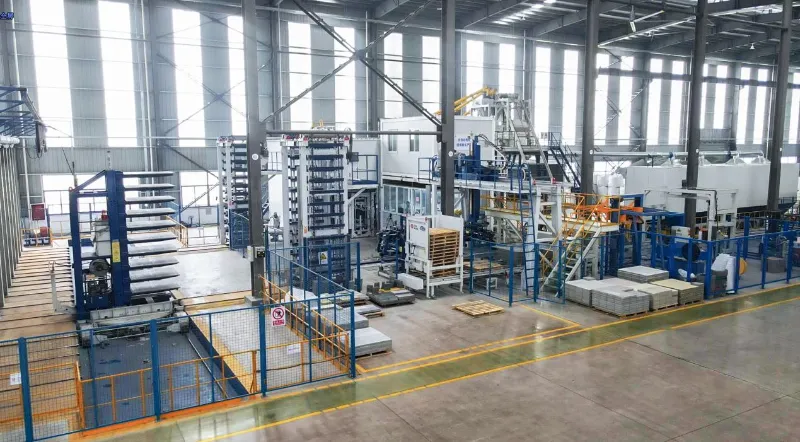
A better approach is to verify machine performance through real production projects.
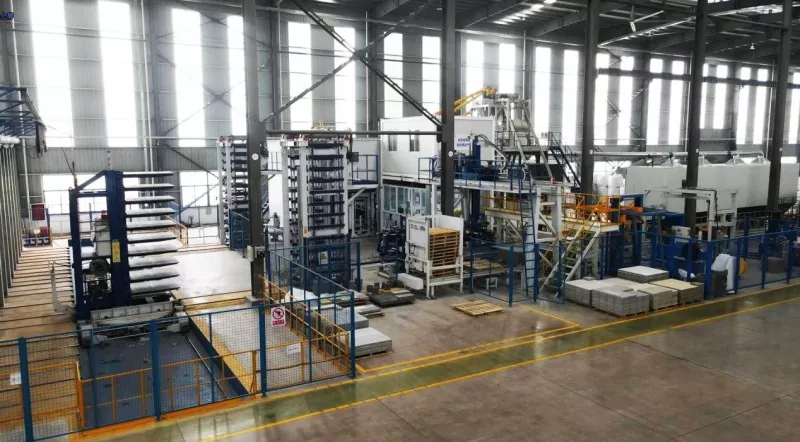
An operating automatic block making machine can show how the equipment behaves under continuous production conditions, something that a catalog or factory demonstration cannot fully demonstrate.
If an existing customer project is available, pay attention to:
●Production cycle stability
●Machine operating noise and vibration
●Product dimensional consistency
●Surface quality of finished blocks
●Mold condition
●Equipment cleanliness and maintenance
●Automation and operator workflow
●Overall production continuity
It is also useful to speak with the plant operator or owner.Instead of asking only whether they are satisfied with the machine, ask more practical questions:
●How long has the machine been operating?
●What products are currently being manufactured?
●How does the manufacturer respond when technical problems occur?
●How easy is it to obtain replacement parts?
●Has production capacity remained stable over time?
These answers can provide valuable information about the actual ownership experience.
A manufacturer with projects in your region may also have a better understanding of local operating conditions.
Climate, aggregate characteristics, electrical standards, labor availability, product specifications, and maintenance practices can all affect equipment configuration.
For international buyers, regional project experience is therefore an important part of supplier evaluation.
Not every concrete product factory needs the same type of machine.
A supplier should first understand the application before recommending equipment.
For example, a manufacturer producing standard hollow blocks may have different requirements from a plant specializing in interlocking paving blocks, kerbstones, permeable pavers, or customized concrete products.
The selection of an automatic block making machine should therefore consider:
Determine which products you intend to manufacture and whether different molds will be required.
Define the required daily or annual output rather than selecting equipment based solely on its maximum theoretical capacity.
Aggregate size, moisture content, cement ratio, recycled materials, and other raw material characteristics can influence the production process.
Consider the desired level of automation for batching, molding, pallet handling, curing, product stacking, and packaging.
If production is expected to increase, the equipment configuration should allow reasonable opportunities for capacity expansion.
A professional block making machine supplier should be able to connect these requirements with an appropriate equipment configuration.The goal is not to purchase the biggest machine available.The goal is to build a production system that fits the business.
After-sales service is often overlooked during equipment purchasing because the machine is new and production problems seem far away.
In reality, service capability should be evaluated before the purchase agreement is signed.
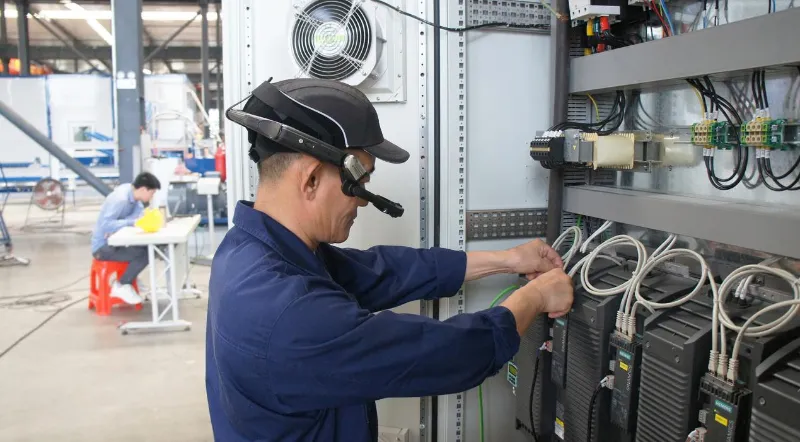
△QGM AR-Assisted Technology for Block Machine Maintenance
Correct installation establishes the operating foundation for the entire production line.
Professional commissioning can include system inspection, parameter configuration, test production, and performance verification.
A modern concrete block machine may incorporate sophisticated hydraulic, electrical, vibration, and control systems.
Operators should understand not only how to start and stop the machine, but also how to identify abnormal conditions and perform routine inspections.
When an equipment issue occurs, rapid diagnosis can make a significant difference.
Remote technical support, video communication, equipment information, and experienced engineers can help identify problems and determine the appropriate corrective action.
For overseas customers, this type of support can be particularly valuable.
A production line does not stop only because of major mechanical failures.Wear components and relatively inexpensive parts can also affect production continuity when replacement parts are unavailable.
Depending on the machine configuration, spare parts may include:
●Hydraulic seals
●Filters
●Sensors
●Bearings
●Valves
●Electrical components
●Switches
●Mold components
When evaluating a block making machine manufacturer, ask about:
●Genuine spare parts availability
●Recommended critical spare parts
●Delivery procedures
●Replacement intervals
●Technical identification of components
●Long-term parts support
For high-output concrete block production lines, customers may also consider keeping selected critical components in inventory.This approach can reduce the impact of unexpected failures and improve equipment availability.
The cheapest machine quotation does not necessarily represent the lowest investment cost.A more meaningful comparison considers Total Cost of Ownership (TCO).
TCO may include:
Purchase Price + Installation + Energy + Maintenance + Spare Parts + Mold Costs + Downtime + Technical Support
For example, a machine with a lower purchase price may become more expensive if it requires frequent maintenance, consumes more energy, or has long spare parts lead times.
Conversely, a well-engineered machine with professional technical support may provide better economic value over a longer operating period.
When comparing suppliers, buyers should therefore evaluate:
●Expected production stability
●Equipment service life
●Maintenance requirements
●Energy efficiency
●Spare parts availability
●Technical response
●Upgrade possibilities
This provides a more realistic picture of the investment.
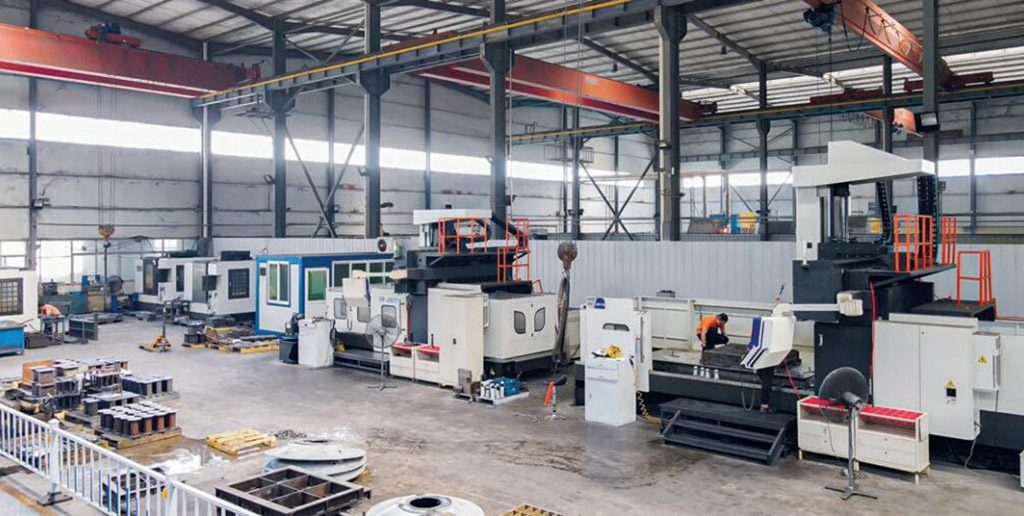
A company that sells block machines is not necessarily a company with strong block-machine engineering capabilities.
For major production projects, buyers should understand how the equipment is actually designed and manufactured.Important areas include:
●Mechanical engineering
●Hydraulic systems
●Vibration technology
●Electrical controls
●Automation
●Mold technology
●Production line integration
●Quality control
Manufacturing capability becomes particularly important when customers require customized equipment or complete concrete block production lines.
A manufacturer with its own engineering and manufacturing resources can generally coordinate equipment configuration and project requirements more effectively.
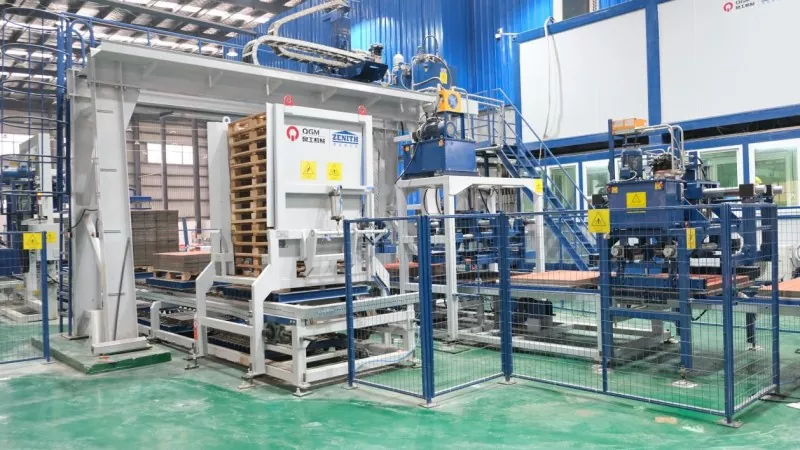
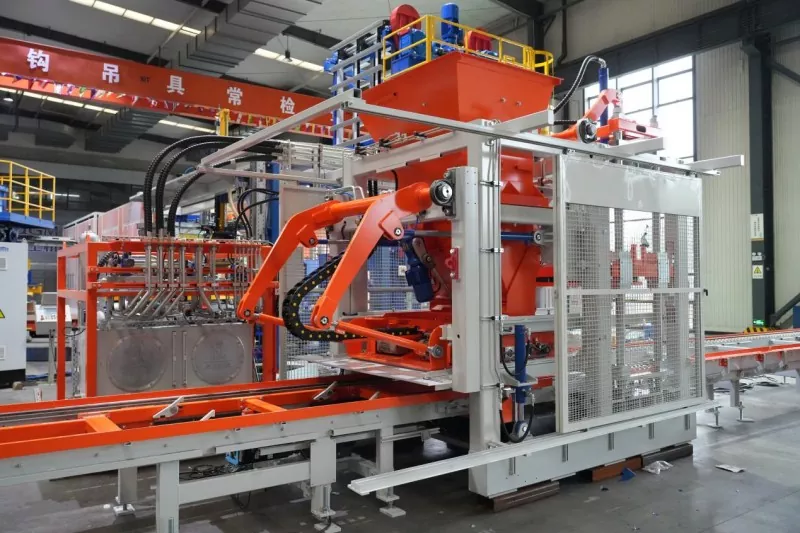
QGM has more than 40 years of experience in block machinery manufacturing and concrete product technology.Rather than focusing solely on individual machines, QGM provides integrated solutions covering automatic block making machines, concrete block machines, paving block production equipment, and complete concrete block production lines.
Its project support can cover:
●Production requirement analysis
●Equipment selection
●Production line planning
●Manufacturing
●Installation
●Commissioning
●Operator training
●Spare parts
●Technical assistance
●After-sales service
QGM's equipment and solutions have been supplied to customers in more than 150 countries and regions, providing experience across different products, raw materials, production requirements, and operating environments.
This international experience helps QGM develop equipment solutions according to actual project conditions rather than relying solely on standardized configurations.
Before making a final purchasing decision, buyers can use this simple evaluation framework:
|
Evaluation Factor |
What to Verify |
|
Machine Performance |
Operating projects and production stability |
|
Application Fit |
Products, capacity, raw materials and molds |
|
Service |
Installation, commissioning and training |
|
Technical Support |
Response channels and troubleshooting capability |
|
Spare Parts |
Availability and delivery process |
|
Manufacturing |
Engineering, production and quality control |
|
Experience |
Similar projects and international references |
|
Lifecycle Value |
Maintenance, downtime and long-term operating cost |
This method makes supplier comparison more objective and reduces the risk of selecting equipment based solely on an attractive initial quotation.
The purchase of a block making machine should be viewed as the beginning of an equipment lifecycle, not the end of a sales transaction.
Reliable production depends on the interaction between machine design, raw materials, operating procedures, maintenance, spare parts, and technical support.A manufacturer that can support these areas provides greater value than a supplier that simply delivers equipment.
For companies investing in concrete product manufacturing, the cost of a block making machine should not be evaluated based solely on its initial purchase price. Buyers should also consider production efficiency, equipment reliability, spare parts availability, after-sales service, technical support, maintenance requirements, and the expected service life of the equipment.
The key question is therefore not simply, “How much does the block making machine cost?” but rather, “What long-term production value and technical support can the manufacturer provide throughout the equipment lifecycle?” Evaluating these factors together gives buyers a clearer understanding of the total cost of ownership and helps reduce investment risk when selecting a block making machine manufacturer.
Planning a new automatic block making machine or upgrading an existing concrete block production line?
QGM can help evaluate your production requirements, product range, raw materials, target capacity, automation level, and operating conditions to develop a suitable block making solution.
With more than 40 years of industry experience and international project expertise, QGM provides support from equipment selection and production line design to installation, commissioning, training, spare parts, and after-sales service.
Contact QGM today to discuss your project and find the right block making machine solution for your market.
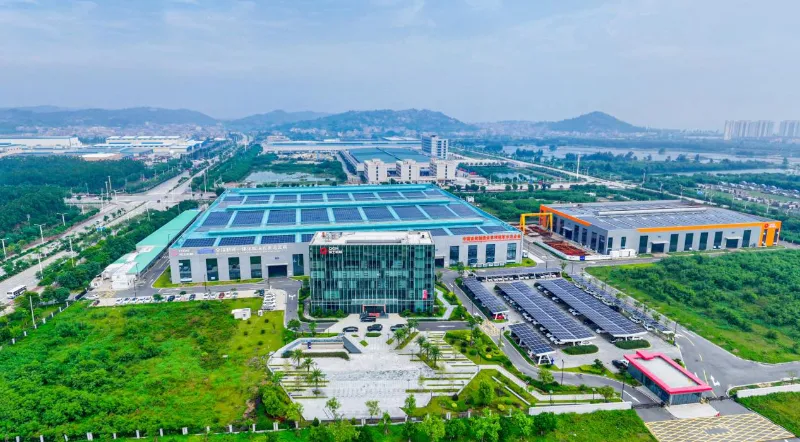
△QGM: Advanced Block Making Technology for Global Concrete Production
Compare manufacturers based on real project experience, machine quality, application suitability, technical support, spare parts availability, manufacturing capabilities, and total cost of ownership rather than purchase price alone.
Check production stability, cycle consistency, finished product quality, equipment condition, maintenance practices, operator workflow, and the manufacturer's response to technical issues.
Installation, commissioning, training, troubleshooting, maintenance, and spare parts support can directly affect equipment availability and production continuity throughout the machine's service life.
Preventive maintenance, operator training, timely technical support, and appropriate inventories of critical spare parts can help reduce the impact of unexpected equipment failures.
Purchase price is only one part of the investment. Energy consumption, maintenance, spare parts, mold replacement, downtime, and technical support can significantly influence the actual cost of operating the machine over its service life.
-