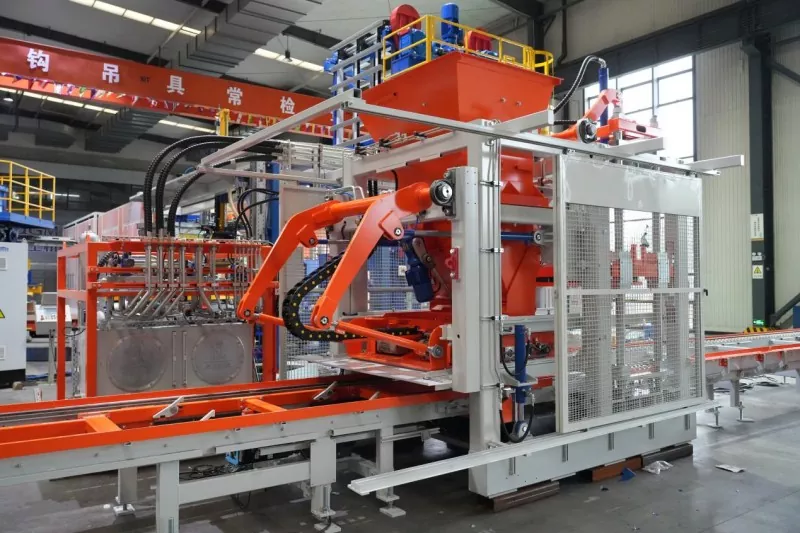
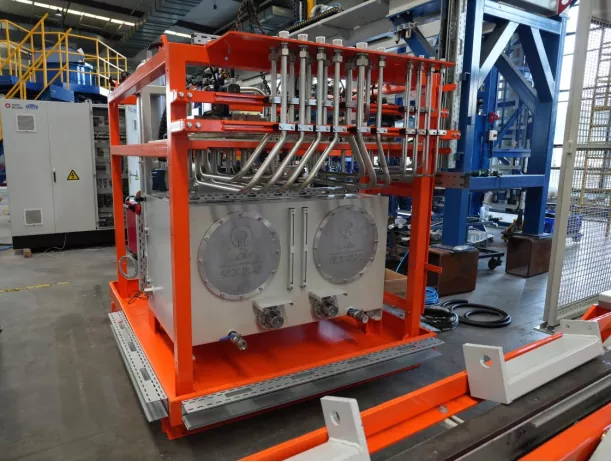
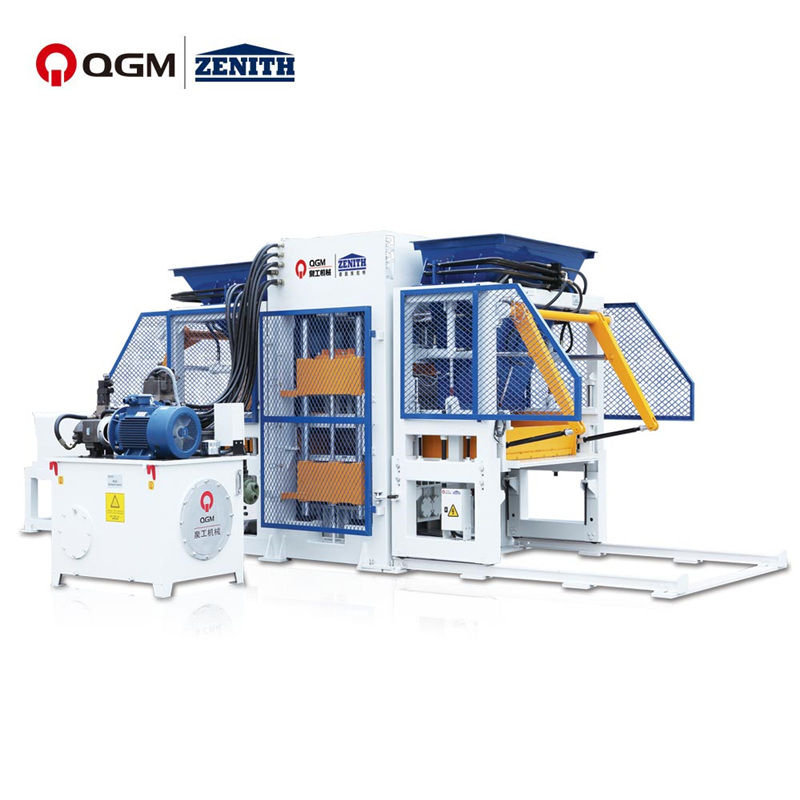
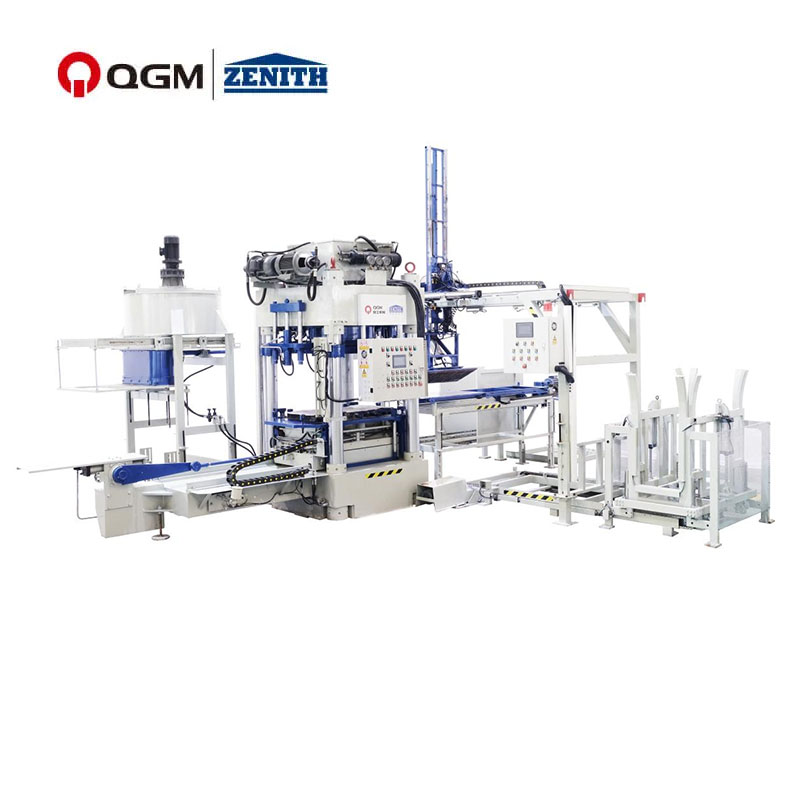
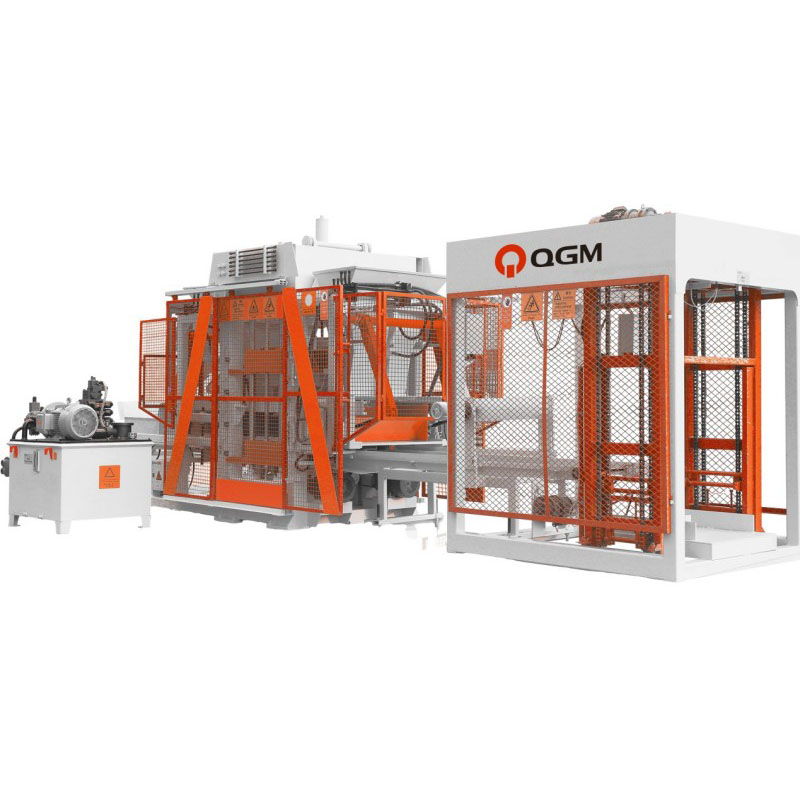
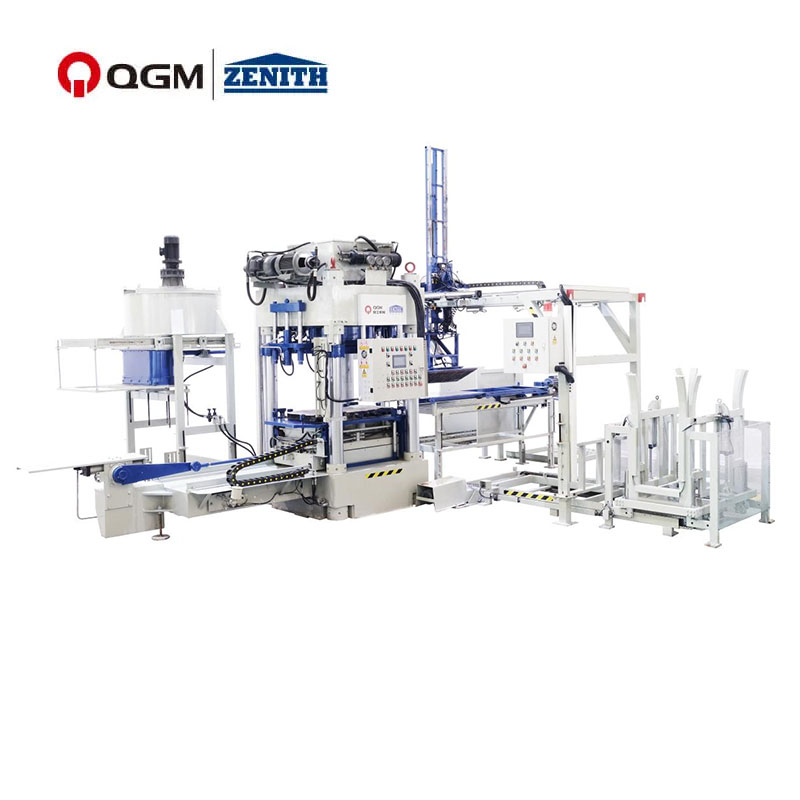
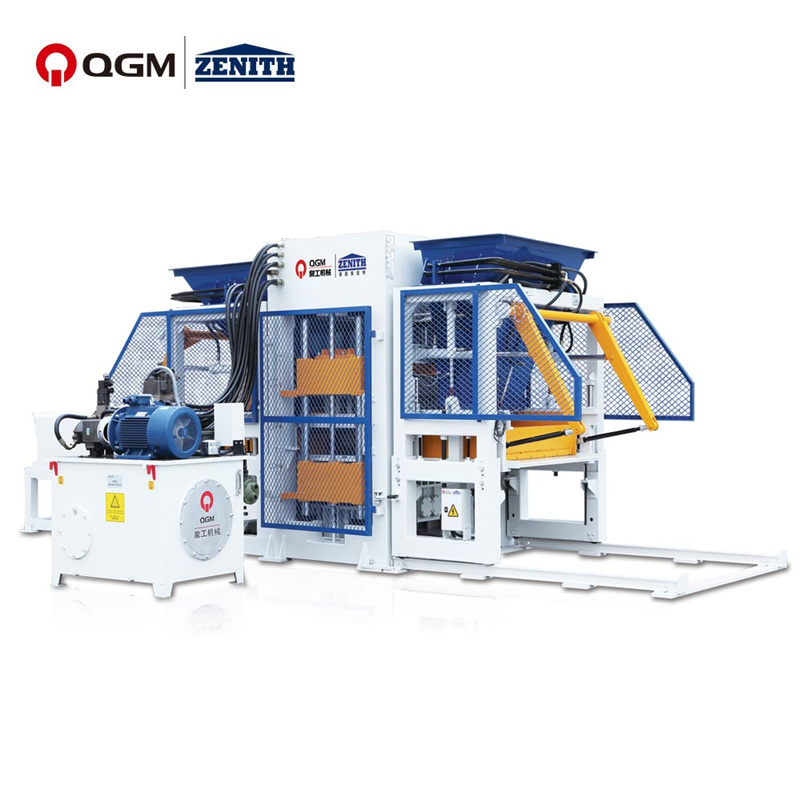
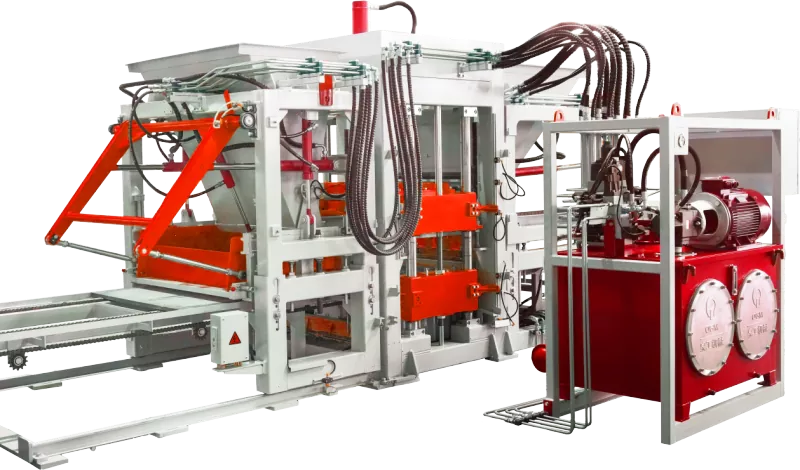
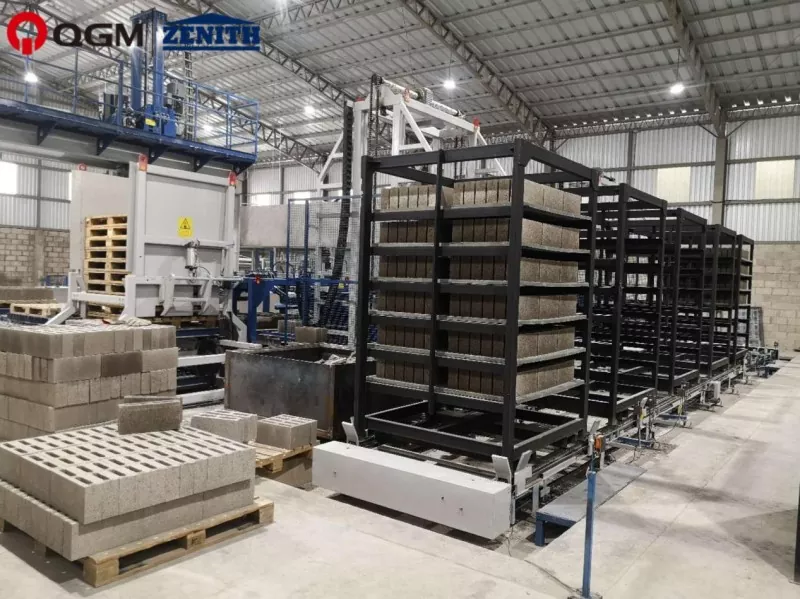
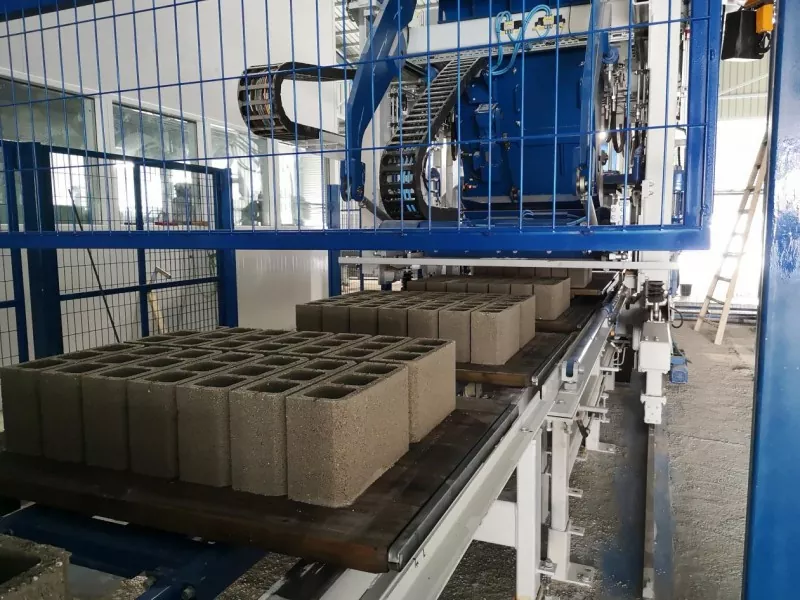
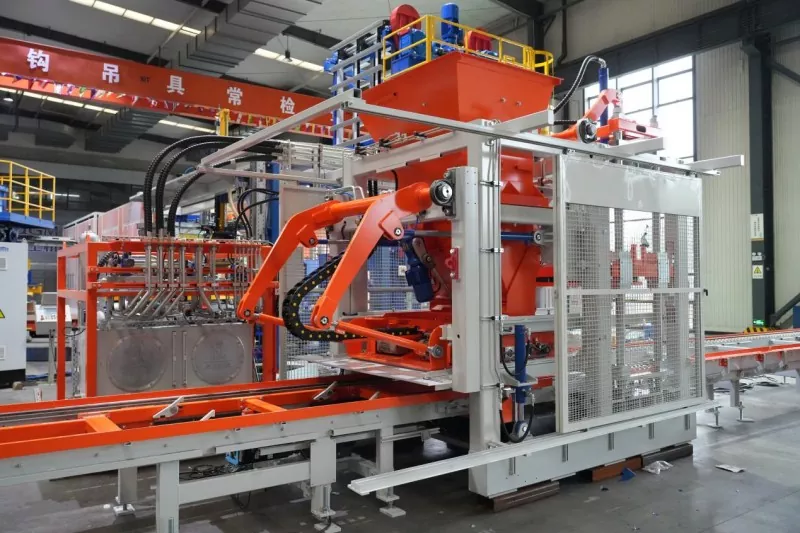
In today’s concrete block manufacturing industry, the hydraulic system serves as the core power unit of the entire production line. Every key movement inside a QGM block machine — including mould pressing, feeder operation, pallet transfer, and synchronization between mechanical components — relies on stable hydraulic performance.
However, hydraulic-related issues continue to be one of the leading causes of production interruption in many factories. Pressure instability, overheating, oil contamination, and delayed maintenance can gradually reduce machine efficiency, increase operating costs, and negatively affect concrete block quality.
For this reason, preventing hydraulic system failure is not simply a maintenance task. It is an essential strategy for maintaining stable production, protecting equipment lifespan, and improving long-term profitability.
1. Identify the Main Sources of Hydraulic System Problems
Most hydraulic failures in a block making machine develop gradually rather than appearing suddenly. Understanding the root causes is the first step toward improving system reliability.
Common causes include:
(1)Hydraulic Oil Contamination
Dust particles, metal debris, water ingress, and oxidized oil residue can damage valves, pumps, and hydraulic pipelines. Once contamination enters the hydraulic circuit, pressure stability and valve responsiveness may decline significantly.
Even small impurities can interfere with the accuracy of proportional control valves, directly affecting block density consistency and machine synchronization.
(2)Excessive Oil Temperature
Continuous high-load production can cause hydraulic oil temperature to rise rapidly. Overheated oil loses viscosity, reduces lubrication performance, and accelerates wear on pumps, seals, and hydraulic components.
(3)Incorrect Pressure Settings
Improper hydraulic pressure calibration may result in unstable compaction force, mould stress imbalance, and irregular production cycles. Over time, this can shorten machine lifespan and increase block defect rates.
2. Use a Reliable Hydraulic System Configuration
The long-term stability of a hydraulic system largely depends on its engineering quality.
QGM hydraulic systems integrate high-precision proportional control valves and durable hydraulic pump assemblies to ensure smooth oil flow, accurate pressure control, and stable machine operation during continuous production.
This advanced hydraulic configuration helps achieve:
●Stable forming pressure
●Faster and smoother machine response
●Reduced hydraulic fluctuation
●Improved synchronization between machine components
●Higher operational reliability under heavy workloads
For large-scale concrete block production lines, stable hydraulic performance is essential for maintaining production efficiency and reducing downtime.
3. Maintain Hydraulic Oil Cleanliness
Hydraulic oil quality directly influences system performance and component lifespan.
To reduce hydraulic failures, factories should establish strict oil management procedures, including:
●Replacing hydraulic oil at scheduled intervals
● Using high-efficiency filtration systems
●Inspecting pipelines and seals regularly
●Preventing dust and moisture from entering the system
Clean hydraulic oil improves valve sensitivity, reduces internal wear, and helps maintain stable pressure during continuous operation.
4. Control Oil Temperature Effectively
Temperature management is one of the most important factors in hydraulic system reliability.
Modern QGM block machines can be equipped with hydraulic oil cooling systems that help maintain stable operating temperatures under high production loads.
Proper oil temperature control provides several advantages:
In high-temperature production environments, cooling systems become especially important for maintaining continuous production stability.
5. Improve Feeding Cart Motion Stability
The feeding cart in a concrete block machine operates continuously throughout production. If its movement becomes unstable, uneven material distribution and additional mechanical stress may occur.
QGM adopts advanced hydraulic motion control technology to ensure smoother feeder acceleration, accurate positioning, and consistent material feeding into the mould cavity.
Stable feeding movement improves:
●Concrete distribution uniformity
●Mould filling consistency
●Overall machine coordination
●Production cycle stability
Although often overlooked, feeding precision has a direct impact on final block quality and machine efficiency.
6. Use Intelligent Monitoring Systems
Hydraulic failures rarely happen without warning signs. Modern automation systems help manufacturers identify abnormalities before major breakdowns occur.
QGM integrates intelligent PLC control systems with touchscreen operation and remote monitoring capability, allowing operators to:
●Monitor pressure and temperature in real time
●Analyze production cycle performance
●Detect abnormal hydraulic behavior early
●Adjust machine parameters remotely
●Improve preventive maintenance efficiency
Data-driven monitoring significantly reduces unexpected downtime and helps maintain stable production conditions.
7. Coordinate Hydraulic Pressure with Vibration Performance
In a block making machine, hydraulics and vibration systems must work together efficiently.
QGM adopts a four-shaft vibration system with externally mounted eccentric shafts, improving vibration efficiency and reducing internal mechanical resistance. When combined with stable hydraulic pressure, the system achieves more uniform compaction and improved block density.
Proper synchronization between hydraulic and vibration systems helps:
●Increase concrete density
●Reduce internal block defects
●Improve compressive strength
●Lower cement consumption
●Enhance production stability
Efficient coordination between these systems is critical for producing high-quality concrete blocks consistently.
8. Maintain Mould Precision and Compatibility
Hydraulic force is ultimately transferred directly to the mould system. If moulds become worn or improperly aligned, production stability will decline even if the hydraulic system is functioning normally.
QGM moulds are manufactured according to precise engineering standards and undergo advanced heat treatment to improve wear resistance and operational stability.
Well-maintained moulds help achieve:
●Balanced pressure distribution
●Stable block dimensions
●Reduced hydraulic stress
●Improved machine efficiency
●Longer equipment service life
Mould condition should therefore be considered an important part of hydraulic system protection.
9. Establish Preventive Maintenance Procedures
Long-term hydraulic reliability depends heavily on daily maintenance discipline.
An effective preventive maintenance plan should include:
●Daily inspection of hydraulic oil levels
●Leak detection and pipeline checks
●Regular filter replacement
●Pressure calibration inspections
●Scheduled seal and component replacement
●Routine system diagnostics
Factories that implement preventive maintenance programs typically experience lower repair costs, fewer breakdowns, and more stable production efficiency.
Conclusion: Hydraulic Stability Is the Foundation of Efficient Block Production
Preventing hydraulic system failure requires more than repairing damaged components. It depends on the coordinated management of oil quality, temperature control, pressure stability, intelligent monitoring, vibration synchronization, and maintenance discipline.
In modern concrete block manufacturing, hydraulic reliability directly affects production continuity, product quality, machine lifespan, and operational profitability.
QGM paving block making machines are designed as integrated production systems where hydraulics, vibration technology, intelligent automation, and mould precision work together to deliver stable, efficient, and long-lasting performance.
Ultimately, a reliable hydraulic system does more than power a machine — it protects productivity, reduces operational risk, and supports sustainable manufacturing growth in an increasingly competitive market.
FAQ
1. What is the most common reason for hydraulic system failure in a block machine?
Hydraulic oil contamination is one of the most common causes. Dirt, moisture, and metal particles can damage valves, reduce pump efficiency, and create unstable pressure output.
2. How often should hydraulic oil be replaced in a block making machine?
Replacement intervals depend on operating conditions, but hydraulic oil is generally changed every 2,000–3,000 working hours together with regular filtration inspections.
3. Why is hydraulic oil temperature control important?
Excessive temperature reduces oil viscosity and lubrication performance, which increases component wear and causes unstable hydraulic pressure.
4. Can intelligent PLC systems reduce hydraulic failures?
Yes. Advanced PLC monitoring systems help operators detect abnormal pressure, temperature, or cycle conditions early, reducing downtime and preventing major hydraulic damage.
We use cookies to offer you a better browsing experience, analyze site traffic and personalize content. By using this site, you agree to our use of cookies.Privacy Policy