In the concrete products industry, consistency is often more important than peak performance. Producing one batch of high-quality blocks is relatively easy; producing thousands of blocks with identical strength, density, dimensions, and appearance day after day is the real challenge.
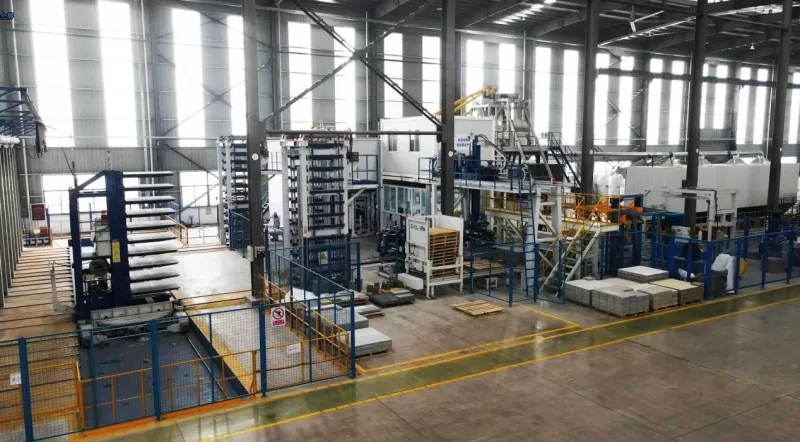
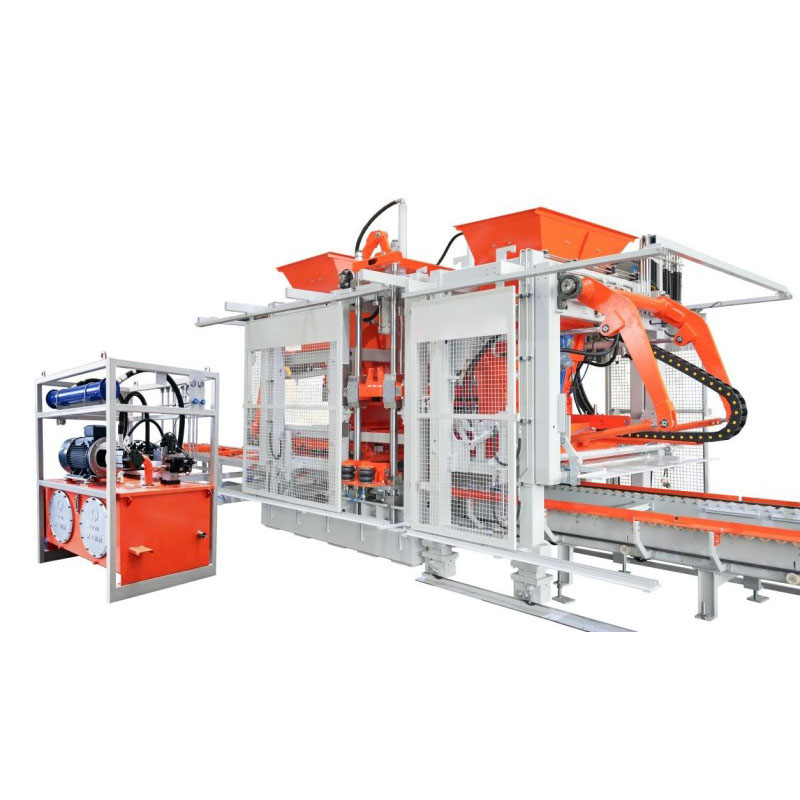
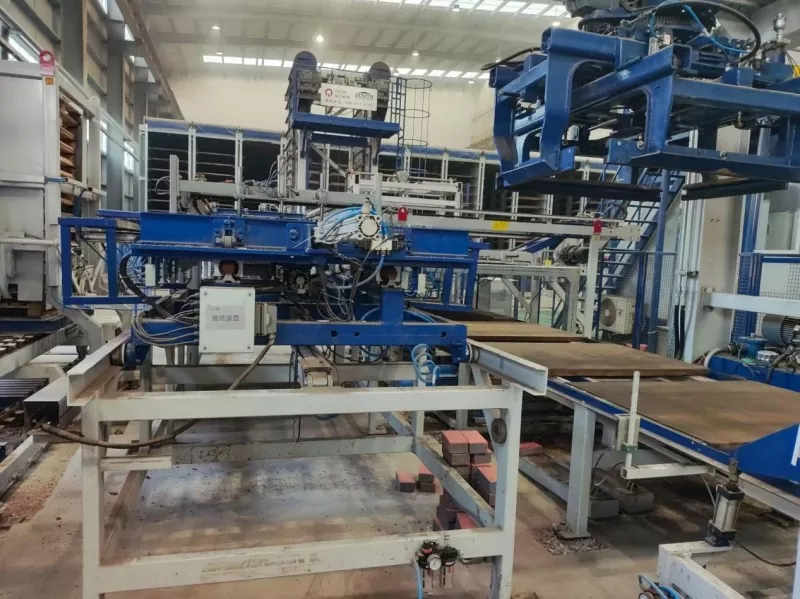
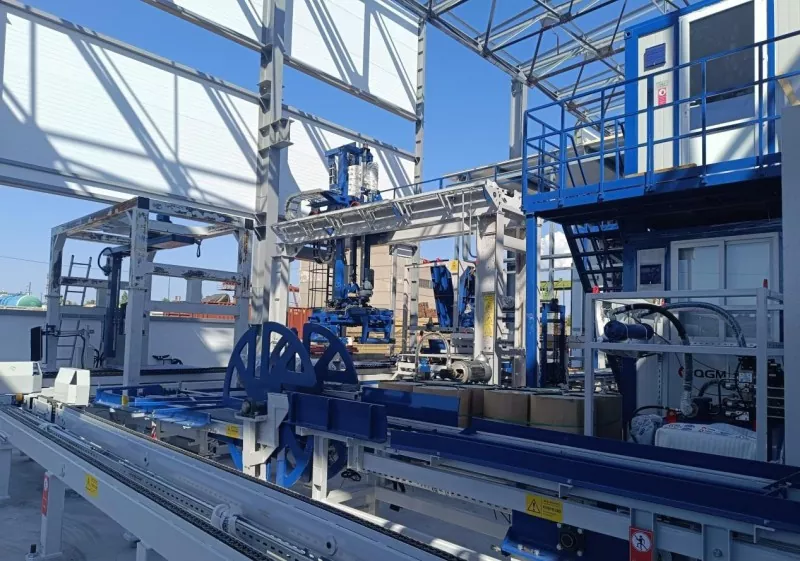
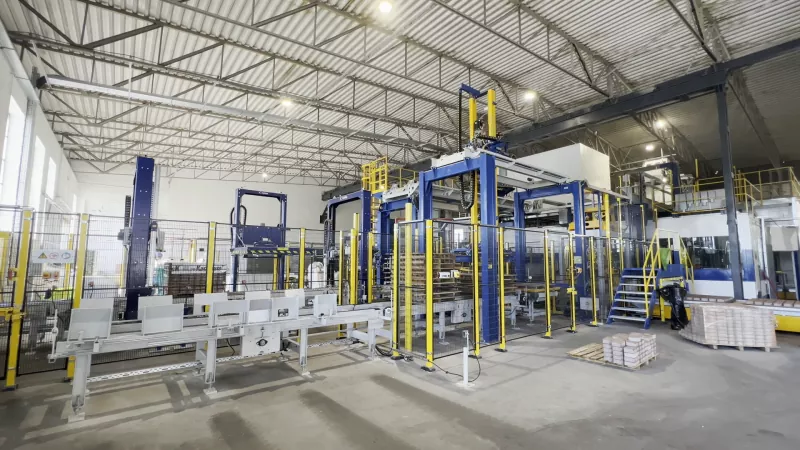
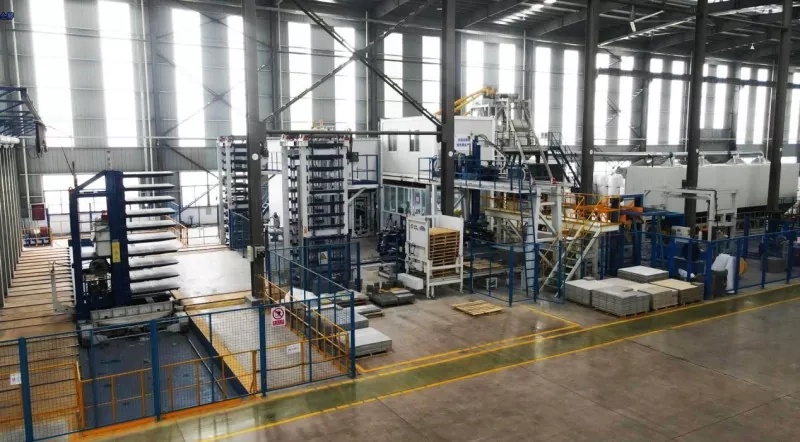
△QGM concrete block machines used in customer projects
When variations begin to appear in finished products, the issue is rarely caused by a single malfunction. In most cases, inconsistent block quality originates from a combination of material fluctuations, equipment performance issues, and inadequate process control.
This guide explores the most common reasons behind unstable concrete block production and explains how manufacturers can improve repeatability, reduce waste, and maintain reliable output.
1. Raw Material Variations: The Hidden Source of Quality Fluctuations
Many production problems start long before materials enter the mold.
Changes in aggregate size distribution, cement characteristics, or moisture levels can significantly affect compaction behavior and final block performance. Even minor inconsistencies in raw materials may result in noticeable differences in compressive strength and surface finish.
Typical Warning Signs
●Uneven block density
●Strength variations between batches
●Surface defects and segregation
●Increased rejection rates
Recommended Actions
●Establish strict raw material inspection procedures
●Monitor aggregate moisture continuously
●Maintain a standardized mix design
●Adjust water dosage automatically based on real-time measurements
Industry Insight: Excess water can create internal voids, while insufficient moisture may prevent proper compaction. Both conditions reduce production consistency.
2. Inadequate Compaction Performance
The quality of a concrete block is directly linked to how effectively the concrete mixture is compacted inside the mold.
If vibration energy is distributed unevenly, some areas of the mold may achieve higher density than others, creating weak zones that affect both strength and durability.
How QGM Enhances Compaction Efficiency
QGM is equipped with Zenith’s advanced ultra-dynamic vibration technology. This system ensures highly uniform vibration distribution across the mold cavity, optimizing concrete compaction while maximizing energy efficiency.
Common Causes of Poor Compaction
●Incorrect vibration settings
●Worn vibration bearings
●Loose vibration components
●Uneven vibration frequency
Best Practices
●Regularly inspect vibration assemblies
●Verify vibration frequency and amplitude settings
●Replace worn components before performance declines
3. Hydraulic Pressure Instability
A concrete block machine relies heavily on hydraulic precision. Forming pressure, mold movement, feeder operation, and pallet handling all depend on a stable hydraulic system.
Pressure fluctuations can create noticeable differences in block density and dimensions from one production cycle to the next.
Potential Hydraulic Problems
●Pressure spikes during production
●Slow valve response
●Internal leakage
●Contaminated hydraulic oil
How QGM Supports Stable Forming Pressure
QGM hydraulic systems combine high-precision proportional and directional control valves with internationally recognized hydraulic pump technology. This configuration helps maintain accurate pressure control throughout continuous production cycles.
Maintenance Recommendations
●Monitor system pressure regularly
●Replace filters according to schedule
●Inspect seals and hoses for leakage
●Keep hydraulic oil clean and within specified temperature ranges
4. Limited Automation and Process Control
Production consistency often declines when critical adjustments depend entirely on operator experience.
Manual parameter changes between shifts can introduce unwanted variability, particularly in high-volume manufacturing environments.
Advantages of Intelligent Control Systems
Modern automated systems can:
●Maintain fixed production parameters
●Monitor operating conditions continuously
●Record production data
●Detect abnormalities before defects occur
QGM Intelligent Control Technology
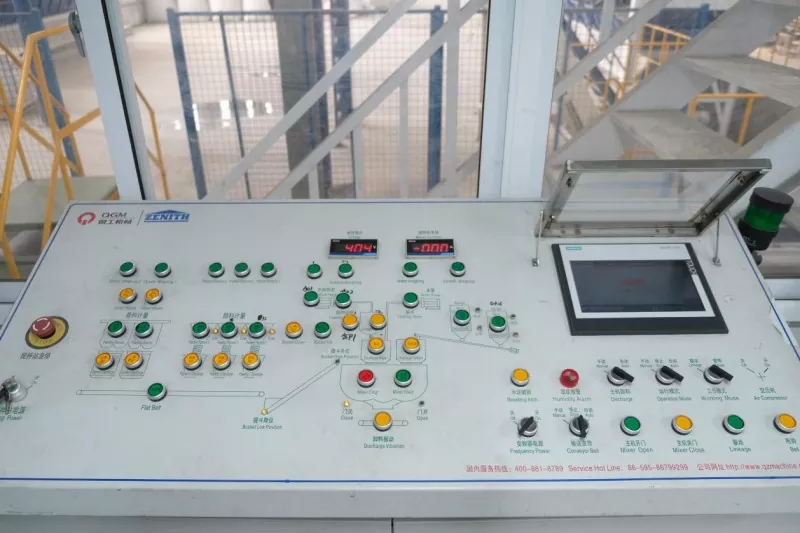
QGM integrates a SIEMENS S7-1500 PLC platform with a user-friendly HMI and remote monitoring capabilities. Operators can track machine status in real time, optimize settings, and maintain consistent production standards across multiple shifts.
△QGM smart block machine integrates the SIEMENS intelligent control system
5. Mold Wear and Installation Errors
Even a perfectly calibrated machine cannot produce consistent blocks with a damaged or improperly aligned mold.
As molds wear, dimensional accuracy gradually deteriorates, affecting block geometry, edge quality, and overall appearance.
Signs of Mold Deterioration
●Rounded corners
●Uneven block dimensions
●Surface imperfections
●Difficult demolding
QGM Mold Manufacturing Advantages
QGM manufactures precision molds compatible with major global block machine systems. Through advanced heat-treatment processes and strict machining standards, these molds deliver long-term dimensional stability and reliable forming performance.
Maintenance Tips
●Inspect molds before every production shift
●Check alignment regularly
●Repair or replace worn components promptly
6. Inconsistent Curing Conditions
Quality control does not end after blocks leave the machine.
Curing plays a decisive role in strength development, and inconsistent curing environments often lead to unpredictable results.
Factors Affecting Curing Performance
●Temperature fluctuations
●Humidity variations
●Premature handling
●Uneven airflow
Recommended Practices
●Maintain controlled curing conditions
●Standardize curing times
●Prevent early transportation of green products
●Monitor environmental conditions continuously
7. Lack of Coordination Across Production Systems
Many factories focus on optimizing individual components while overlooking overall process synchronization.
For example:
●Material feeding may be inconsistent
●Vibration cycles may not match hydraulic timing
●Production speed may exceed curing capacity
When subsystems operate independently rather than collaboratively, variability increases.
QGM develops block production solutions as interconnected systems rather than standalone machines, helping manufacturers achieve higher operational stability and product uniformity.
Conclusion: Consistency Is an Engineering Outcome
Inconsistent concrete block production is rarely the result of a single fault. More often, it reflects weaknesses in process control, equipment performance, material management, or maintenance practices.
Manufacturers that prioritize repeatability over short-term output gains typically achieve lower rejection rates, reduced material waste, and stronger long-term profitability.
QGM addresses these challenges through advanced vibration technology, precision hydraulic systems, intelligent automation, and durable mold engineering. By integrating these technologies into a unified production platform, manufacturers can achieve stable block quality, predictable performance, and greater operational efficiency.
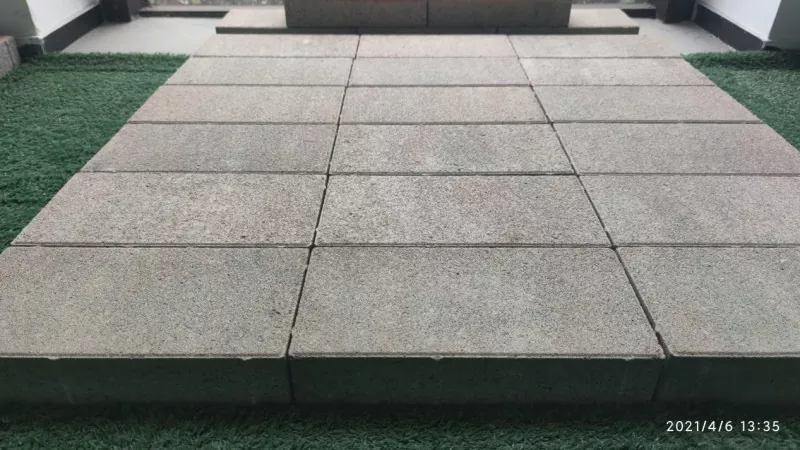
Application Scenarios of Paving Bricks
FAQ: Ensuring Production Consistency & Quality
1. What are the primary drivers of inconsistent paving block quality?
The most frequent root causes are fluctuations in raw material characteristics (such as moisture content and aggregate gradation), uneven compaction within the mold cavity, and hydraulic pressure instability. These mechanical variables are often compounded by inadequate process control or feedback loops.
2. What is the most effective troubleshooting methodology for identifying the source of inconsistency?
We recommend a systematic, data-driven approach. Operators should isolate variables step-by-step by auditing raw material batches, verifying vibration parameters (frequency and amplitude), checking hydraulic system integrity, and inspecting mold wear. This targeted analysis allows you to pinpoint the exact deviation.
3. Can automation completely eliminate product variability?
While advanced automation significantly minimizes human error and process variability, it is not a standalone solution. Consistent, high-quality output still relies on proper initial machine setup, rigorous preventative maintenance, and strict incoming material control.
4. How frequently should production parameters be recalibrated?
Parameters should be monitored continuously via the control system. Recalibration should be executed dynamically whenever there are measurable shifts in raw material conditions, ambient temperature, or environmental factors.
5. Why is there noticeable quality variation between different shifts?
Shift-to-shift variability is typically the result of differing operator experience levels and manual parameter adjustments. Integrating a PLC-based (Programmable Logic Controller) automation system standardizes the production cycle, ensuring identical process parameters and consistent output regardless of the operating shift.
We use cookies to offer you a better browsing experience, analyze site traffic and personalize content. By using this site, you agree to our use of cookies.Privacy Policy