ZENITH Maschinenfabrik GmbH

Common Concrete Block Production Mistakes and How to Avoid Them

2026-07-22 0 Leave me a message

In today's highly competitive concrete products industry, producing high-quality blocks consistently requires far more than simply operating a machine. Product performance, dimensional accuracy, and manufacturing efficiency are all influenced by a series of interconnected factors, including raw materials, equipment configuration, process control, and maintenance practices.

Despite advances in automation and production technology, many block manufacturers continue to encounter preventable issues that negatively affect product quality and plant profitability. Identifying these challenges early and implementing the right corrective measures can significantly improve production reliability and long-term operational performance.


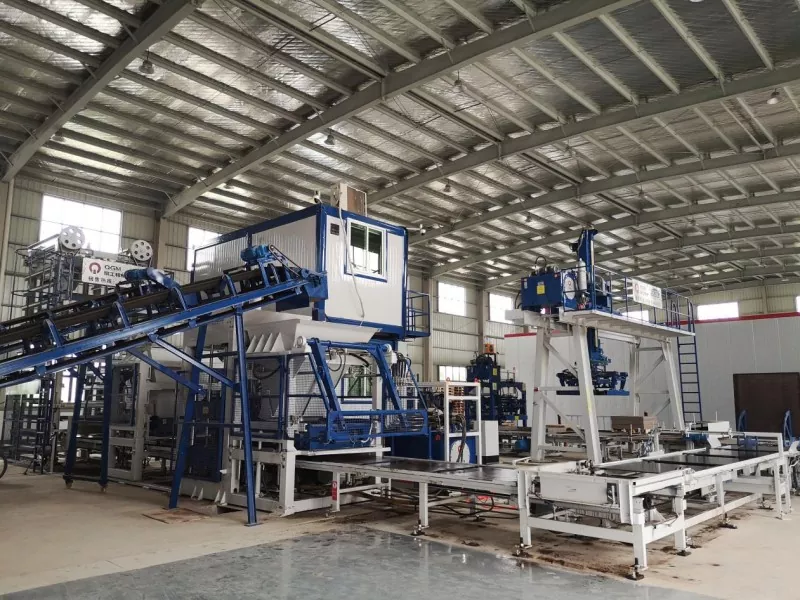
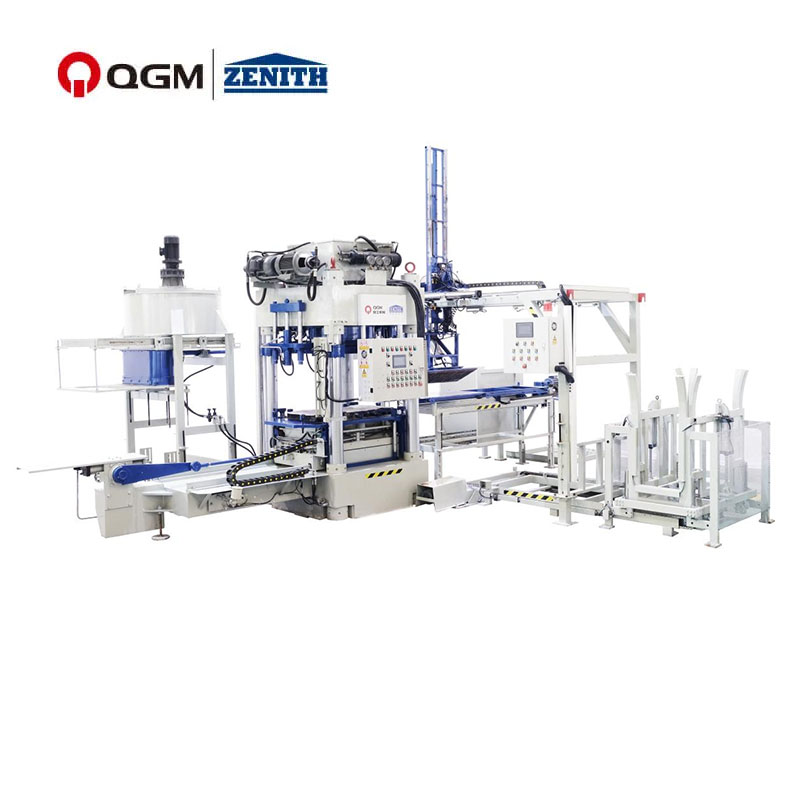
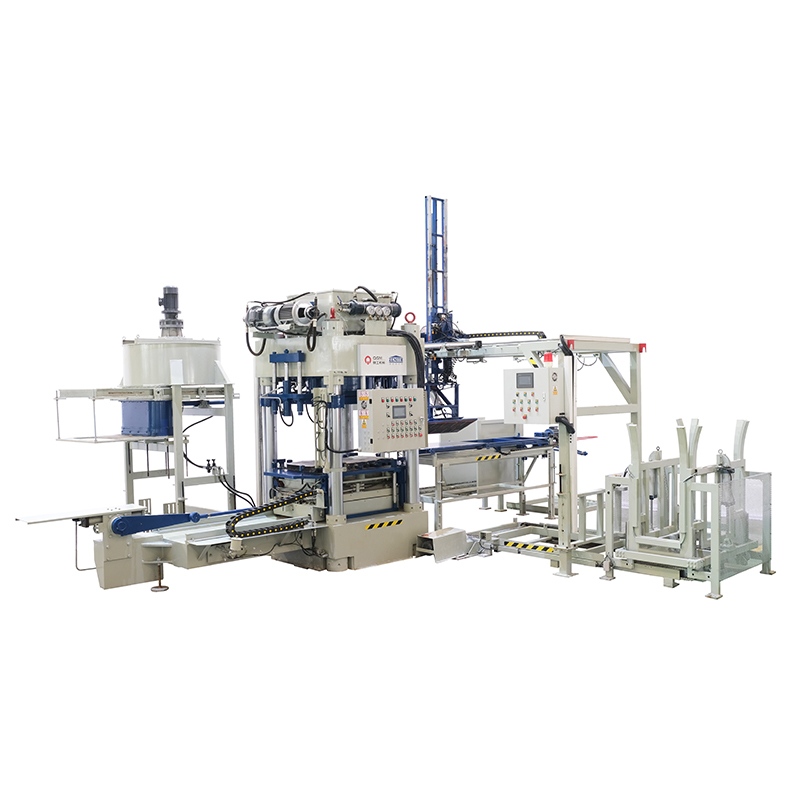
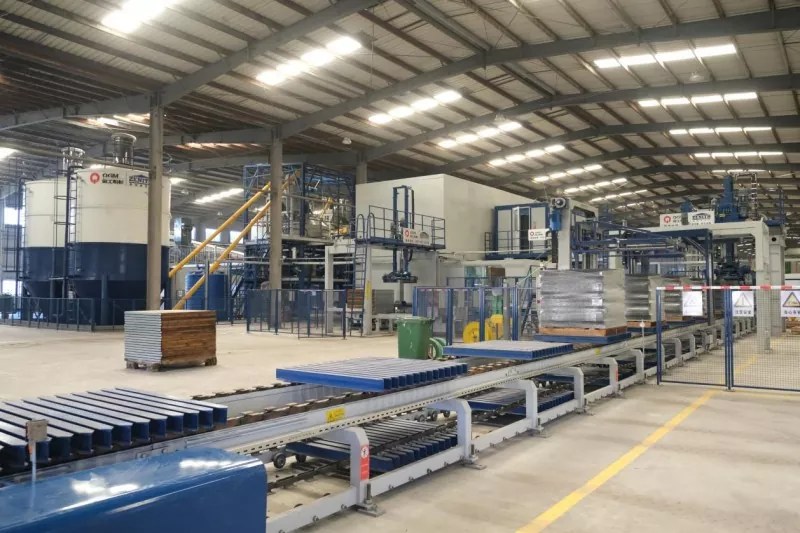
Concrete Block Production

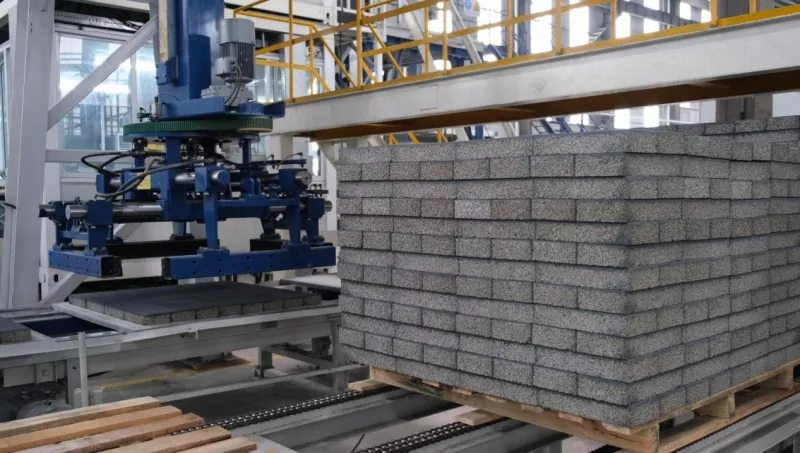
△QGM block making machines used in customer projects


Below are some of the most common mistakes seen in concrete block production and the practical strategies manufacturers can adopt to prevent them.


1. Poor Mix Design Management

A well-balanced concrete mix is the foundation of quality block production. However, many producers either rely on outdated formulas or make adjustments without sufficient testing. Excess cement increases manufacturing costs, while inadequate binder content can compromise strength development and product durability. Inconsistent aggregate grading can also affect compaction and surface finish.

Best Practices

●Develop mix designs based on product specifications and target compressive strength requirements

●Verify the consistency of aggregates, cement, and additives through routine testing

●Maintain a controlled water-to-cement ratio to ensure both workability and strength performance

●Review mix formulations periodically when raw material sources change

Industry Insight: Variations in material proportioning often result in strength fluctuations, color inconsistencies, and higher rejection rates.


2. Insufficient Compaction Energy

Compaction plays a critical role in determining block density, strength, and durability. When vibration performance is inadequate or improperly adjusted, trapped air pockets remain inside the product, leading to reduced structural integrity and lower resistance to environmental exposure.

Best Practices

●Use high-efficiency vibration systems capable of delivering uniform compaction throughout the mold cavity

●Optimize vibration frequency and amplitude according to product dimensions and mix characteristics

●Monitor equipment performance regularly to ensure stable vibration output

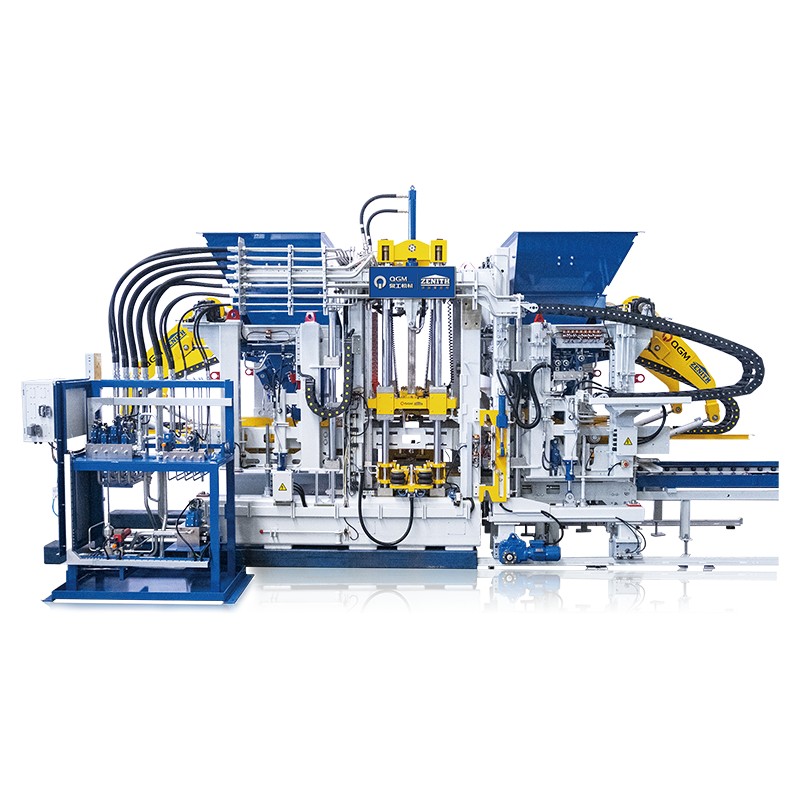
Featuring Zenith's advanced ultra-dynamic vibration system, QGM paving block machines minimize energy loss and maximize vibration efficiency for uniform mold filling. This optimized configuration directly translates to higher product density, lower cement consumption, and enhanced production efficiency.


3. Inconsistent Forming Pressure

Stable forming pressure is essential for producing blocks with uniform density and precise dimensions. Pressure fluctuations can lead to variations in product weight, strength, and appearance, particularly in high-capacity production environments.

Best Practices

●Utilize hydraulic systems designed for precise pressure regulation

●Monitor hydraulic performance continuously during production

●Conduct preventive maintenance to eliminate leaks, pressure drops, and component wear

QGM concrete paving block making machines are equipped with premium hydraulic components, including Japanese proportional and directional control valves combined with high-performance American hydraulic pumps. This integrated system provides fast response, accurate pressure control, and reliable operation under demanding production conditions.


4. Neglecting Mold Condition

Even the most advanced production line cannot compensate for worn or poorly maintained molds. Mold deterioration directly affects dimensional accuracy, edge definition, and surface quality, often resulting in increased product defects and downtime.

Best Practices

●Select precision-manufactured molds designed for long service life

●Perform routine inspections for wear, cracking, or deformation

●Replace critical wear components before quality issues emerge

●Utilize heat-treated mold materials to maximize durability

QGM offers high-precision molds compatible with major international block machine brands, helping manufacturers maintain consistent product quality while extending mold service life.


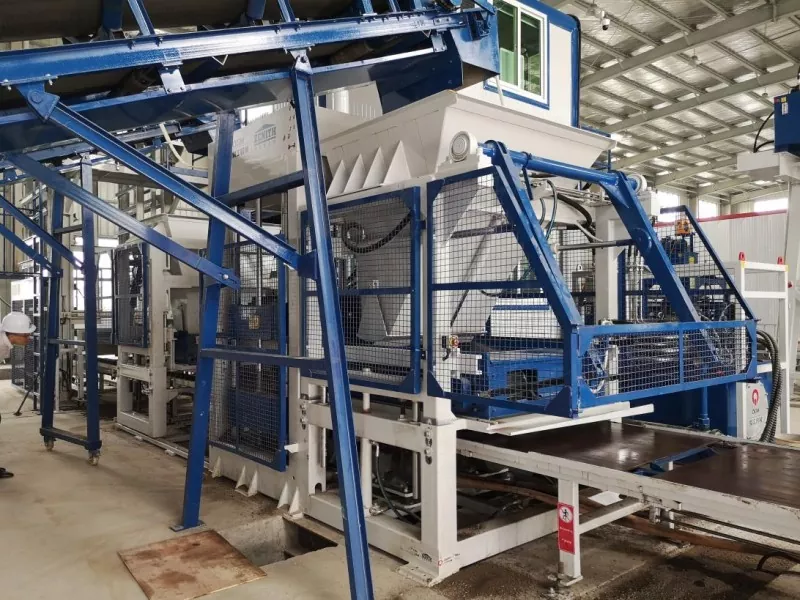
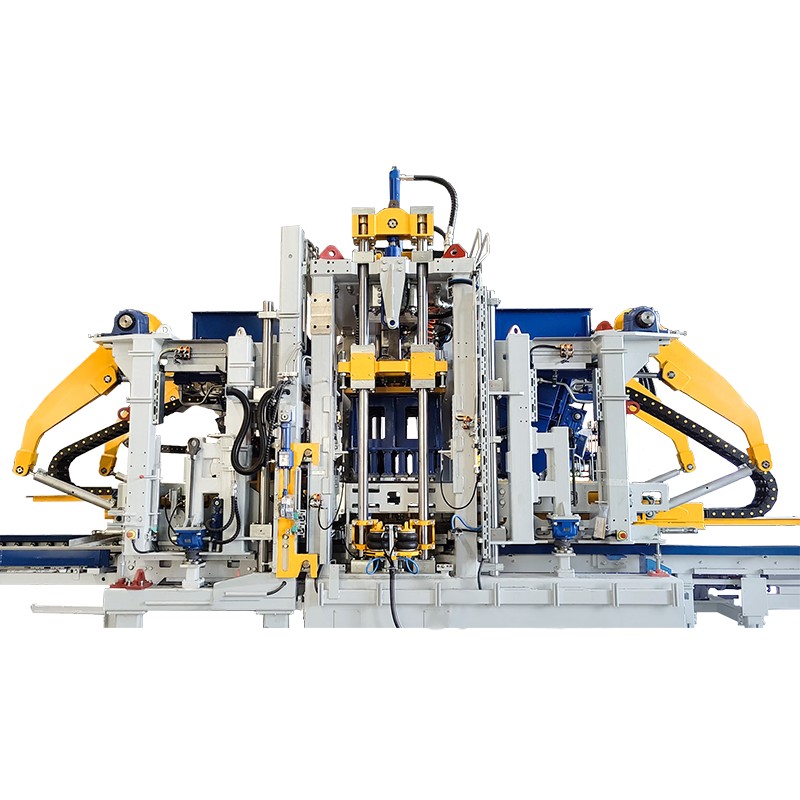
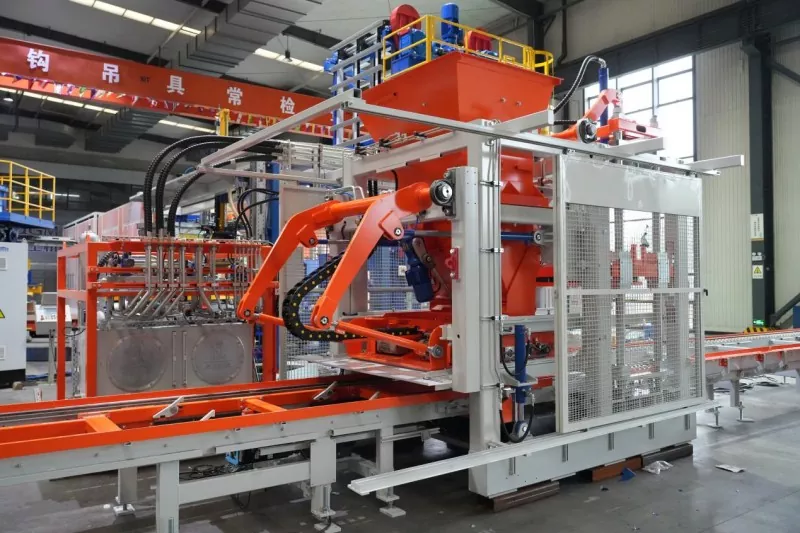
Concrete Block Production

△QGM concrete block machines used in customer projects


5. Limited Process Visibility

Many production facilities still rely heavily on operator experience rather than real-time production data. This approach increases the likelihood of inconsistencies and makes troubleshooting more difficult when problems occur.

Best Practices

●Implement intelligent control systems with real-time production monitoring

●Track key operating parameters continuously

●Use production data to optimize machine settings and process efficiency

●Establish standardized operating procedures across shifts


QGM integrates SIEMENS PLC technology with user-friendly touchscreen interfaces and remote diagnostic capabilities, enabling operators to monitor and adjust production parameters with greater precision and efficiency.

Industry Insight: Data-driven production management significantly reduces process variation and improves overall equipment effectiveness (OEE).


6. Improper Curing Practices

Product quality is not determined solely during forming. Curing conditions have a direct impact on strength development, dimensional stability, and long-term durability. Inadequate moisture retention or temperature control can result in cracking, shrinkage, and reduced performance.

Best Practices

●Maintain appropriate curing temperature and humidity levels

●Allow sufficient curing time before handling or shipment

●Implement controlled curing systems for high-volume production facilities

●Monitor curing environments consistently to ensure stable conditions

Proper curing is essential for achieving the full performance potential of concrete blocks and maximizing service life in the field.


7. Delaying Preventive Maintenance

Equipment wear occurs gradually and often goes unnoticed until production quality begins to decline. Ignoring routine maintenance can lead to reduced vibration efficiency, hydraulic instability, unexpected downtime, and increased operating costs.

Best Practices

●Establish a structured preventive maintenance program

●Inspect vibration systems, hydraulic components, and mold assemblies regularly

●Maintain adequate spare parts inventory for critical components

●Address minor issues before they escalate into major failures

A proactive maintenance strategy not only extends equipment lifespan but also helps maintain consistent production performance.


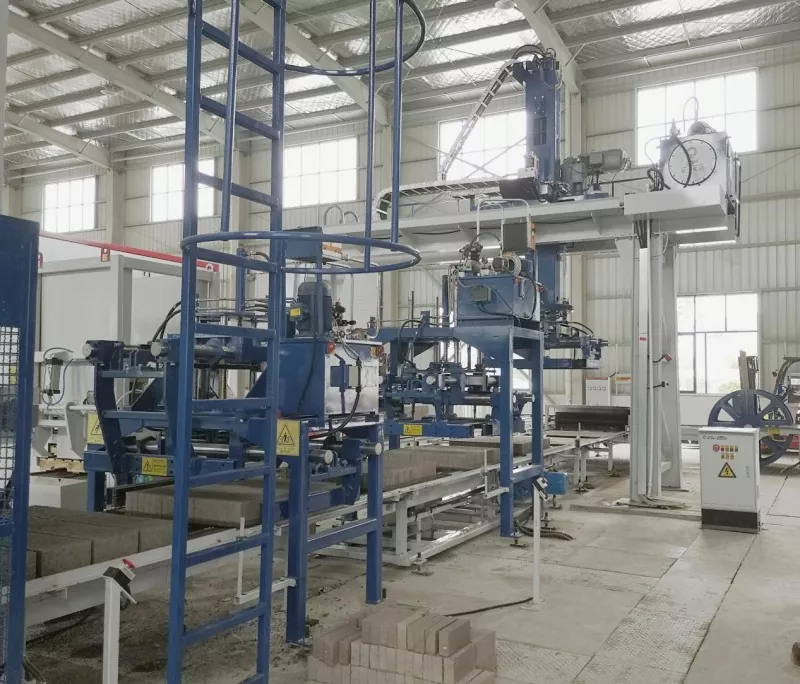
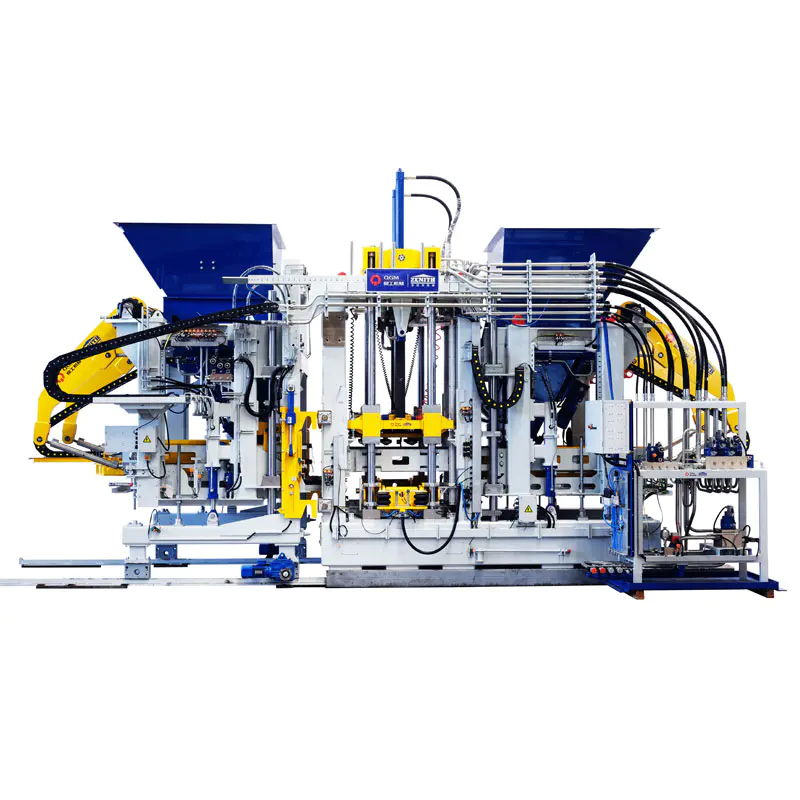
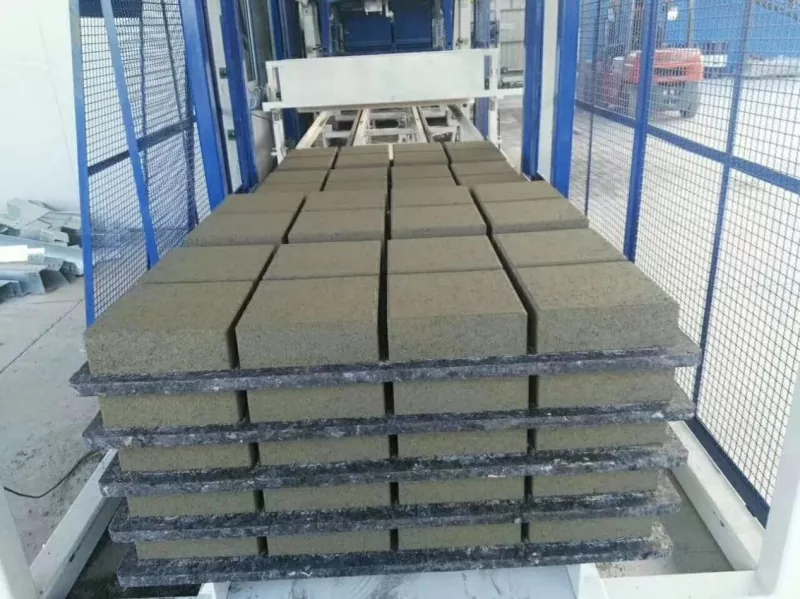
Concrete Block Production

△QGM concrete block machines used in customer projects


Building Quality Through Process Integration

The most successful block manufacturers understand that quality is not the result of a single machine component or production stage. Instead, it is achieved through the seamless integration of materials, equipment, automation, and operational management.

By combining optimized mix designs, advanced vibration technology, precision hydraulic control, intelligent automation, and high-quality molds, manufacturers can significantly reduce production variability and improve overall plant performance.

QGM complete block production solutions are designed around this philosophy, helping producers achieve greater consistency, higher productivity, and lower operating costs through engineered process stability.


Beyond Error Prevention: Creating a Sustainable Competitive Advantage

Eliminating production mistakes is an important objective, but it should not be the final goal. Leading manufacturers are increasingly focused on building production systems that deliver predictable results day after day, regardless of market demand, operator changes, or production volume.

As the concrete products industry continues to evolve, success will depend on the ability to transition from reactive problem-solving to proactive process optimization. Companies that embrace automation, data-driven decision-making, and advanced manufacturing technologies will be better positioned to achieve long-term growth and operational excellence.

Ultimately, outstanding concrete block production is achieved when materials, machinery, and management work together as a unified system—one where quality is measurable, performance is repeatable, and every block consistently meets the highest industry standards.


Frequently Asked Questions About Concrete Paving Block Production

1. What factors most commonly contribute to weak concrete blocks?

Insufficient compressive strength is typically linked to a combination of production-related issues rather than a single factor. Poorly balanced mix designs, inadequate material compaction, excessive moisture content, and improper curing practices can all negatively impact the final strength of a concrete block. Maintaining tight control over each stage of production is essential for achieving reliable performance.


2. What is the best way to improve production consistency?

Consistency begins with process standardization. Manufacturers can achieve more uniform results by utilizing automated control systems, maintaining stable hydraulic performance, optimizing vibration parameters, and monitoring critical production data in real time. Advanced solutions from QGM help reduce process fluctuations and support repeatable product quality across multiple production cycles.


3. How can mold life be extended while maintaining product quality?

Regular inspection and preventive maintenance are key to maximizing mold service life. Manufacturers should monitor molds for signs of wear, dimensional deviation, or surface damage and address issues before they affect production. Proper cleaning, timely replacement of wear components, and the use of high-quality heat-treated molds all contribute to longer operating life and more consistent block dimensions.


4. Does automated equipment completely prevent manufacturing defects?

Automation significantly improves production accuracy and reduces the risk of operator-related errors, but it is not a substitute for effective plant management. Equipment calibration, routine maintenance, raw material control, and quality assurance procedures remain critical factors in overall production performance. The best results are achieved when advanced automation and disciplined operational practices work together.


5. Why does curing have such a significant impact on block quality?

Curing is a critical stage in the concrete hardening process, yet it is often underestimated because it occurs after forming. Proper curing allows cement hydration to continue under controlled conditions, enabling the concrete paving block to develop its intended strength and durability. Inadequate curing can lead to cracking, reduced structural performance, and shorter service life, regardless of how well the block was produced initially.

Related News
Leave me a message
X
We use cookies to offer you a better browsing experience, analyze site traffic and personalize content. By using this site, you agree to our use of cookies.Privacy Policy
RejectAccept