ZENITH Maschinenfabrik GmbH

What is a Block Making Machine?

2025-09-10 0 Leave me a message

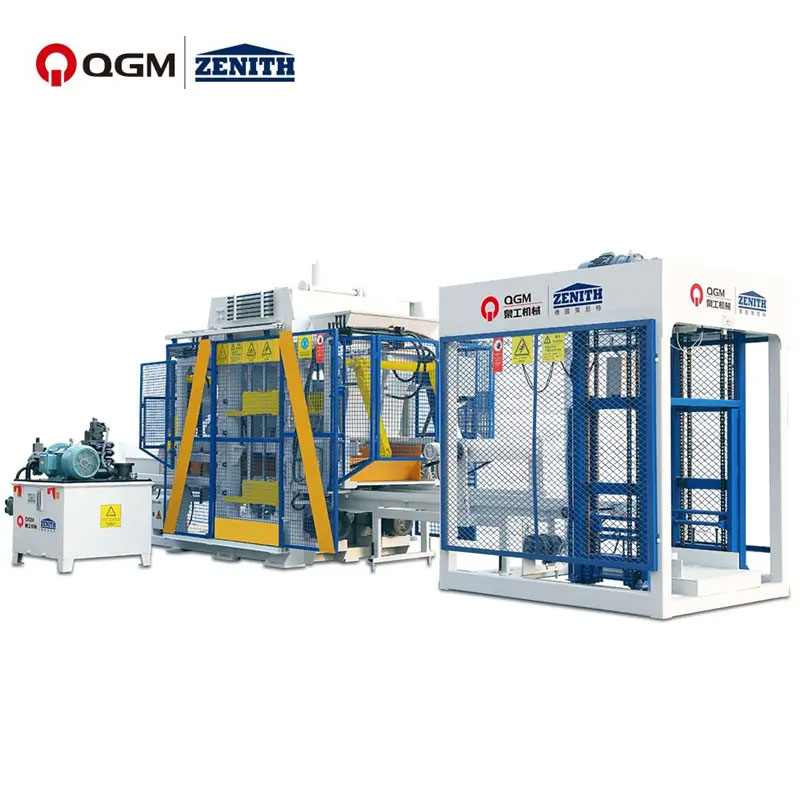
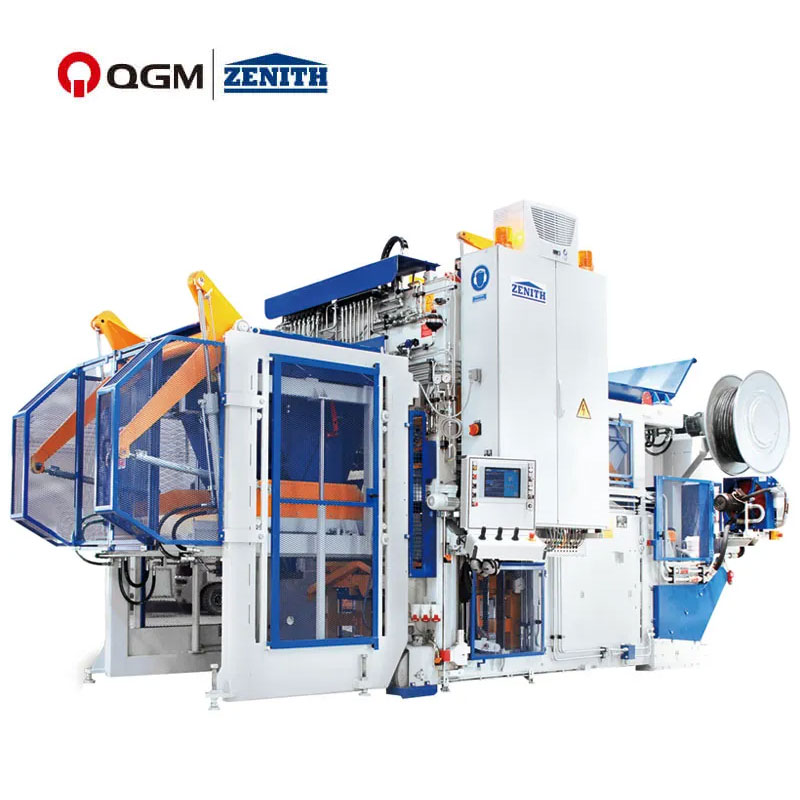
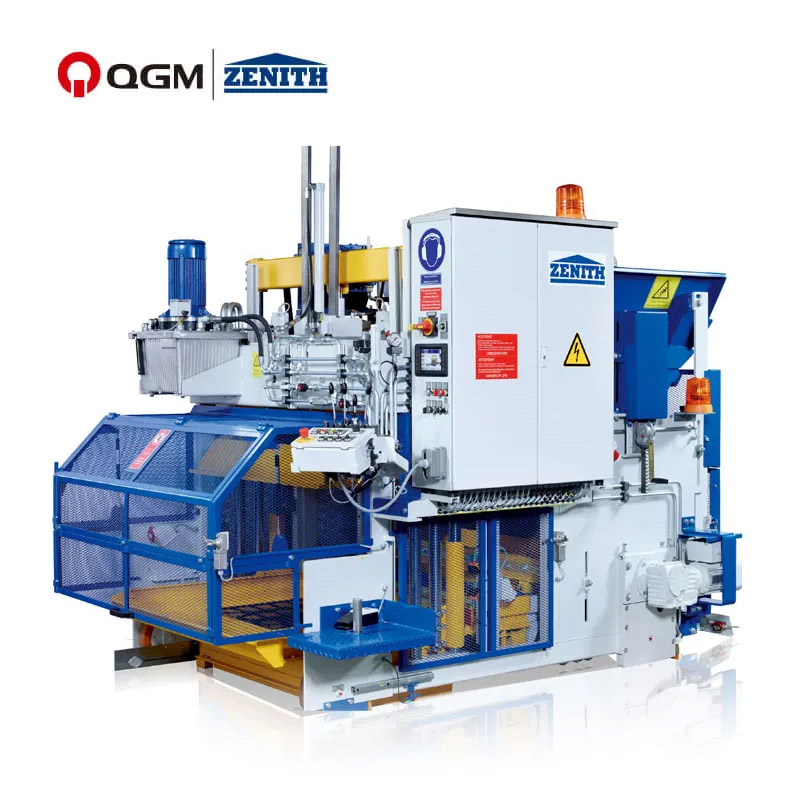
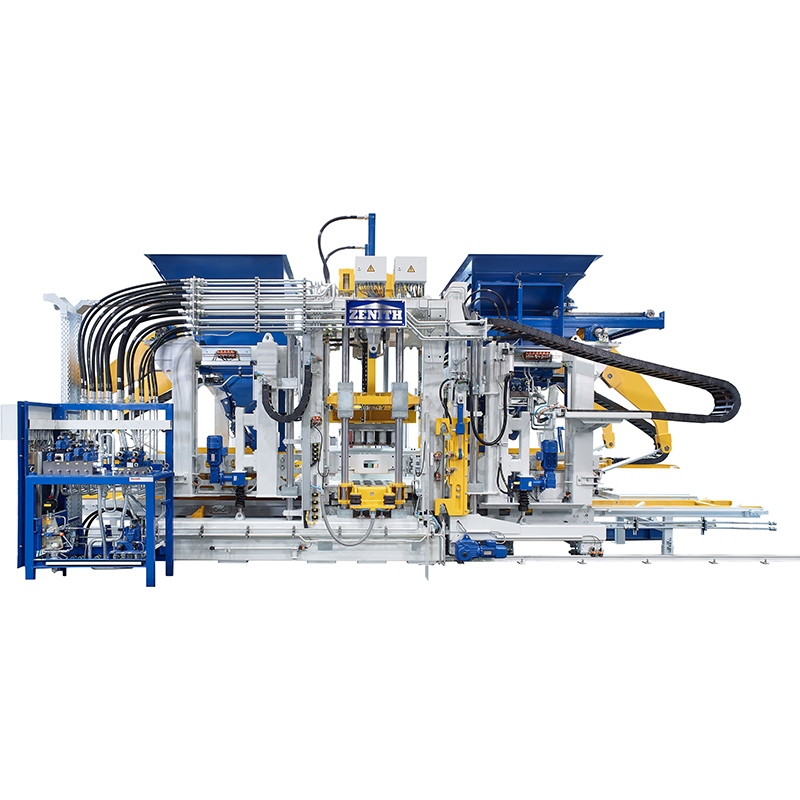
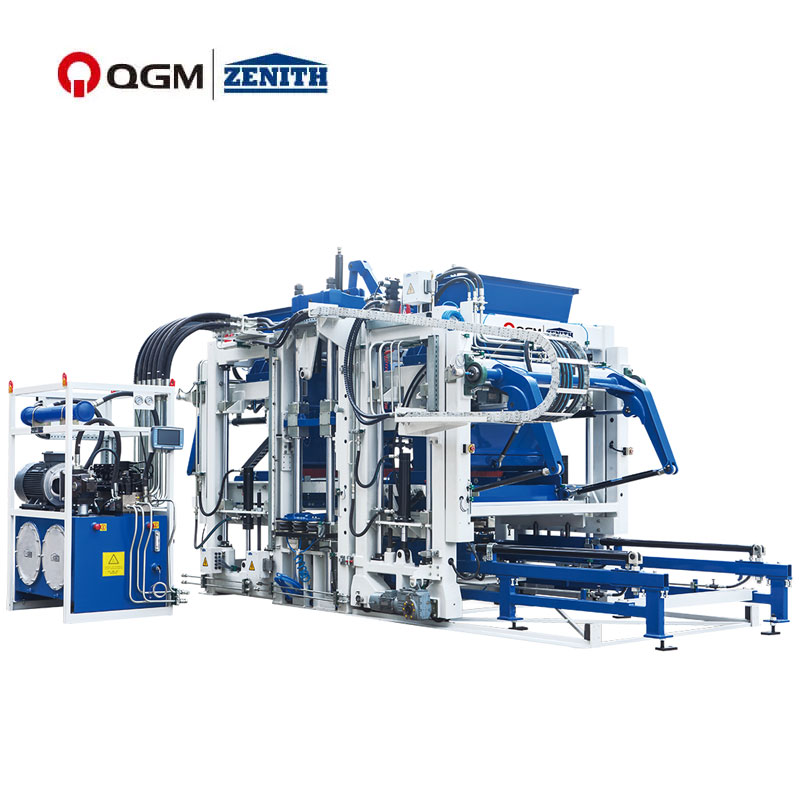
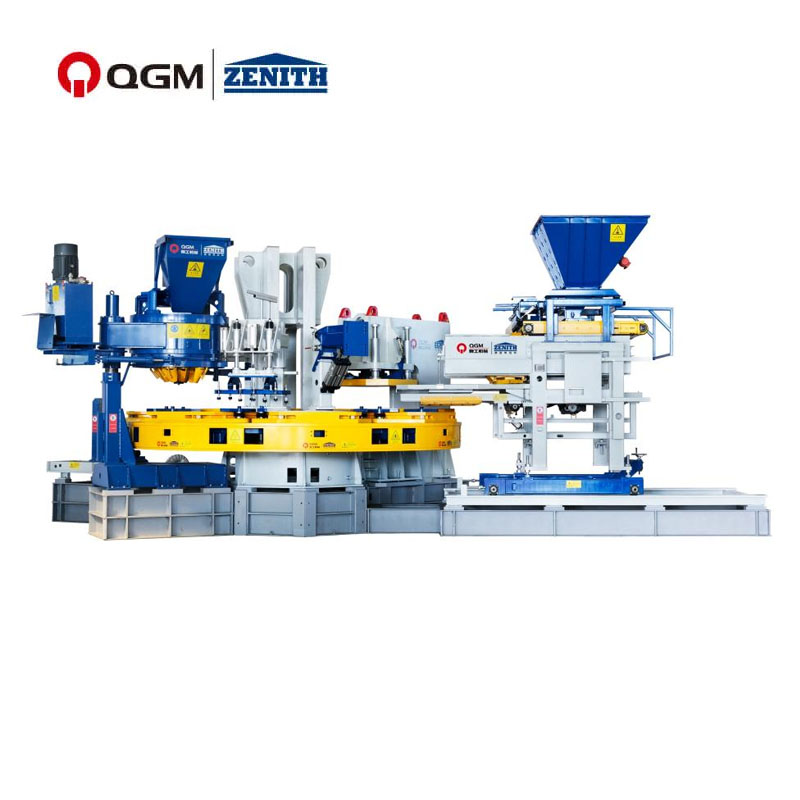
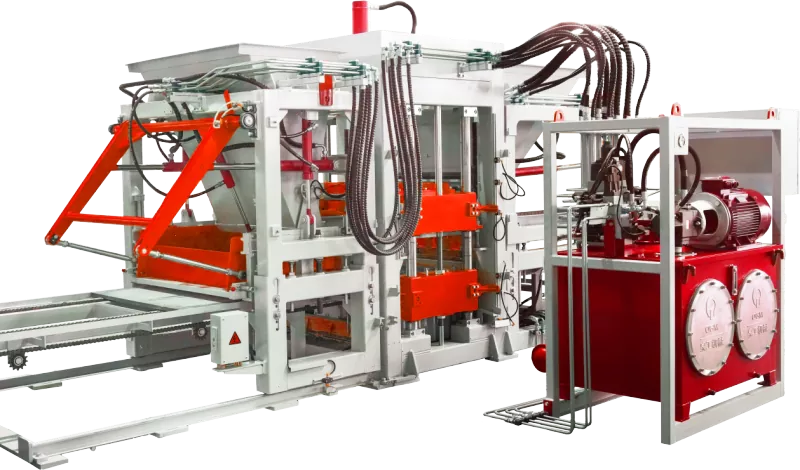
In its simplest form, a block making machine is a device designed to manufacture construction blocks. These blocks can be made from various materials, including concrete, cement, fly ash, or even soil. The machine mixes the raw materials, compresses them under high pressure into a specific mold, and then ejects the freshly formed block to cure.


However, this basic definition barely scratches the surface of what these powerful pieces of equipment represent. They are not just simple tools; they are highly efficient production systems that have revolutionized the building industry. From small-scale, manual machines for producing a few hundred blocks a day to fully automated, computer-controlled production lines capable of manufacturing thousands of units per hour, block making machines are the driving force behind the creation of the very building blocks of our cities, homes, and infrastructure. At our factory, we have spent decades refining the engineering behind these machines, understanding that their role extends far beyond production. They are pivotal in meeting the global demand for affordable housing, enabling sustainable construction practices, and ensuring consistent, high-quality building materials.


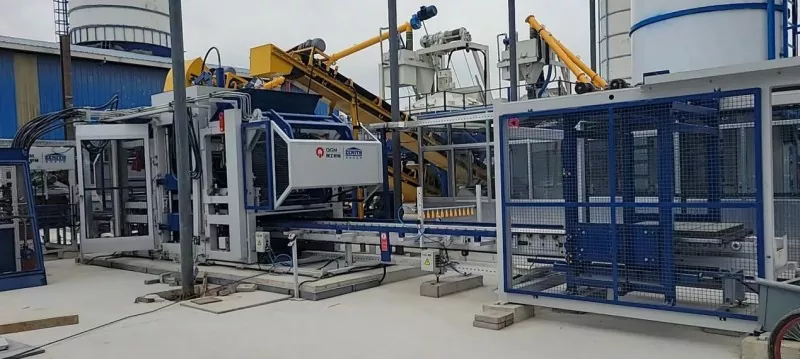
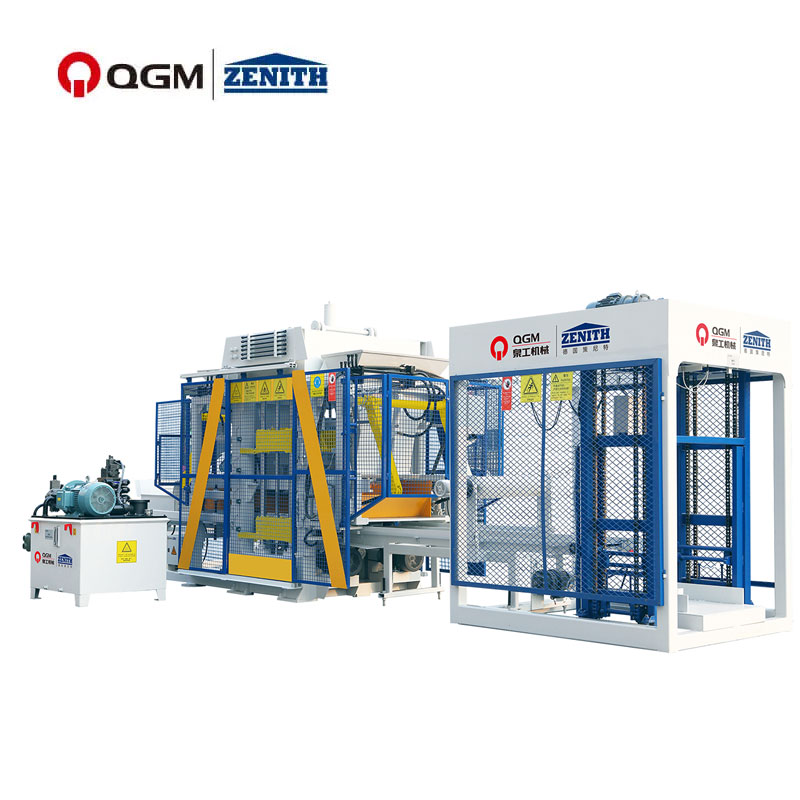
Automatic Block Making Machine


How Does a Block Making Machine Work?

Understanding the core operation of a block machine demystifies its complexity. The process, while highly engineered, follows a logical sequence:

1. Mixing: The raw materials—typically a mixture of cement, sand, gravel, stone dust, and water—are fed into a pan mixer or compulsory mixer. This ensures a homogeneous and consistent blend, which is critical for the strength and quality of the final block.

2. Feeding: The mixed material is then conveyed, either manually or via an automated belt system, to the mold chamber of the block machine.

3. Compacting and Vibration: This is the heart of the process. The material is poured into a mold that defines the block's shape (e.g., hollow block, solid block, paver, interlocking brick). The machine then employs powerful hydraulic pressure and simultaneous high-frequency vibration. This dual action thoroughly compacts the material, removing air pockets and ensuring the block is dense and structurally sound.

4. Ejection: After compression, the mold is lifted, and the newly formed block is ejected onto a pallet or a conveyor belt.

5. Curing: The green (uncured) blocks are then moved to a curing area. This can be a simple outdoor space where they are left to air dry or a sophisticated steam curing chamber that accelerates the hardening process, allowing them to gain strength rapidly.


Key Parameters and Features of a Modern Block Machine

When investing in a block making machine, understanding its technical specifications is crucial. Our factory designs machines with a focus on durability, output, and automation. Here are the essential parameters to consider:


Core Technical Specifications:

1. Production Capacity: Measured in blocks per hour or per day. This depends on the model, ranging from semi-automatic machines (500-1,500 blocks/8-hour shift) to fully automatic lines (10,000+ blocks/8-hour shift).

2. Block Types and Sizes: The versatility of a machine is determined by its ability to produce different products by changing molds.

3. Pressure System: The type of system used for compaction is a key differentiator.

4. Power Rating: The electrical power required to operate the machine, typically measured in kW or HP. This varies significantly based on the machine's size and level of automation.

5. Automation Level: This defines the required human intervention.

i. Manual: Requires operators for most steps.

ii. Semi-Automatic: Automates the compression and molding cycle but requires manual feeding and block removal.

iii. Fully Automatic: Integrates material handling, mixing, molding, and stacking via programmable logic controllers (PLCs), requiring minimal human oversight.


Comparison Table of Machine Types:

Feature Manual / Small Semi-Automatic Semi-Automatic Stationary Fully Automatic Line
Investment Cost Low Medium High
Labor Required High Moderate Low (1-3 operators)
Daily Output 500 - 2,000 blocks 3,000 - 8,000 blocks 10,000 - 30,000+ blocks
Automation Level Basic Intermediate High (PLC Control)
Best For Startups, small projects, rural areas Growing businesses, medium-scale projects Large-scale production, industrial use
Brand Example Zenith QGM series Zenith Mid-tech series Zenith Fully Automatic series

Applications and Benefits of Using a Block Machine

The adoption of a block making machine brings transformative benefits to any construction project or business:

1. High Efficiency and Speed: Machines dramatically outpace manual production, ensuring a steady and reliable supply of materials for any project timeline.

2. Consistent and High-Quality Output: Every block produced is identical in size, shape, and density. This consistency is impossible to achieve with manual labor and results in stronger, more reliable structures that are easier to build with.

3. Cost-Effectiveness: By reducing labor costs and minimizing material waste, the per-block cost drops significantly, improving profit margins for builders and block manufacturers.

4. Versatility: A single block machine can be the source for an entire project's masonry needs, from structural walls to decorative pavers and landscaping walls.

5. Sustainability: Many machines can utilize industrial by-products like fly ash or slag as raw materials, reducing environmental impact. Furthermore, local production reduces the transportation carbon footprint associated with sourcing blocks from distant suppliers.


Frequently Asked Questions (FAQs)

Q: What is the difference between a concrete block making machine and a brick making machine?
A: The terms are often used interchangeably, but there is a technical distinction. A brick making machine typically refers to equipment that produces smaller, solid clay or concrete units. A block making machine is designed to produce larger, often hollow, concrete blocks used primarily in load-bearing walls. Modern machines, like those from Zenith, are versatile and can produce both bricks and blocks simply by changing the mold.

Q: How much does a block making machine cost?
A: The cost of a block machine varies enormously based on its capacity, level of automation, and features. Small manual machines can start at a few thousand dollars, while large, fully automated production lines can represent a significant six-figure investment. The key is to match the machine's cost and capabilities with your specific project requirements and business goals.

Q: What factors should I consider when choosing a block machine?
A: Selecting the right machine requires careful analysis. Key factors include your required daily production output, the types of blocks you need to produce, your available budget, the local availability of raw materials, the level of technical skill available for operation and maintenance, and the long-term support and reputation of the manufacturer.


Why Choose Us?

A block making machine is far more than a simple piece of manufacturing equipment. It is a strategic investment that empowers businesses, accelerates construction projects, and contributes to building the infrastructure of the future. Understanding its operation, technical parameters, and potential is the first step toward making an informed decision.


At our factory, we are committed to engineering robust and efficient block machines that meet the diverse needs of our global clients. Our dedication to innovation and quality ensures that every machine we produce delivers unparalleled performance and reliability. If you are ready to explore how a block making machine can transform your operations, we invite you to contact us. The team at Zenith is ready to provide you with detailed technical specifications and help you find the perfect solution for your production needs.

Related News
Leave me a message
X
We use cookies to offer you a better browsing experience, analyze site traffic and personalize content. By using this site, you agree to our use of cookies.Privacy Policy
RejectAccept