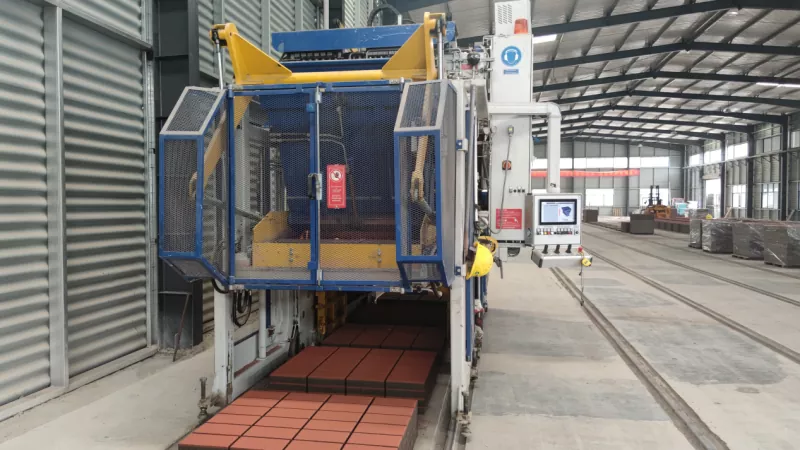
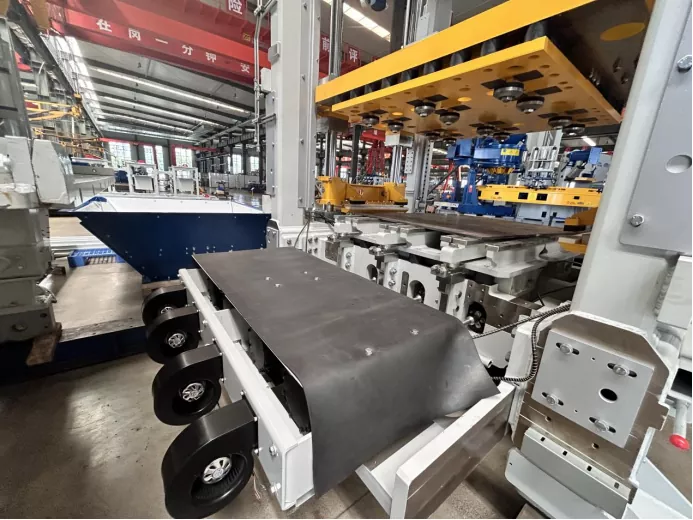
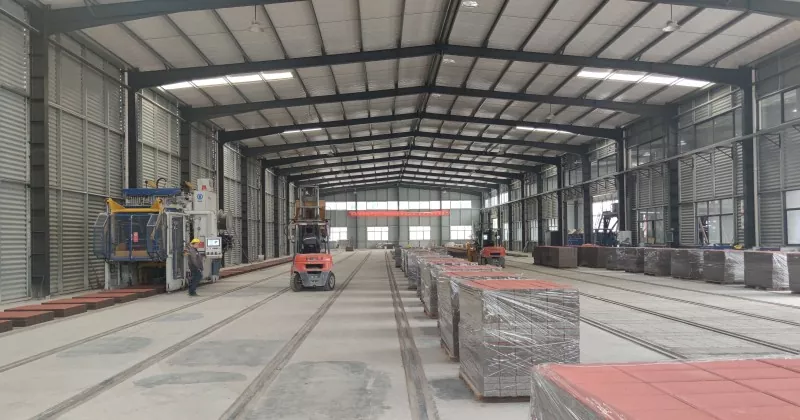
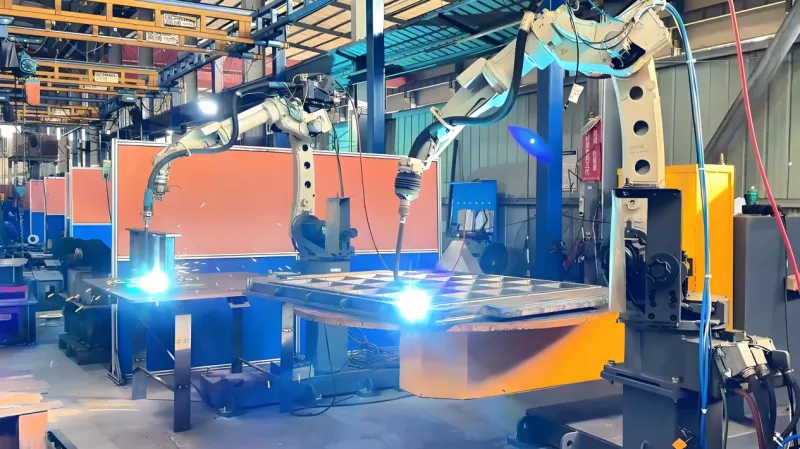
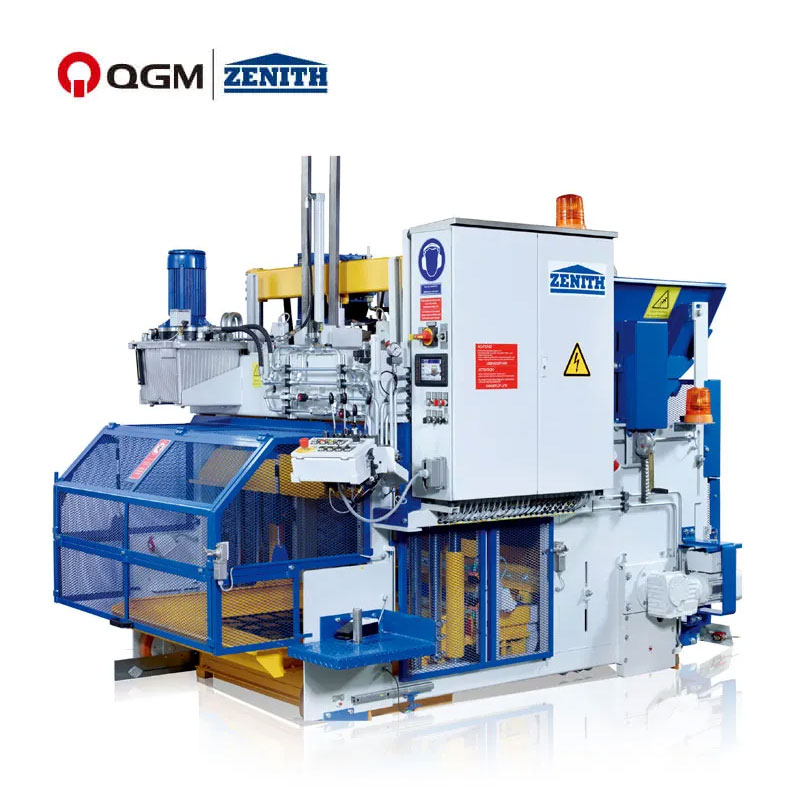
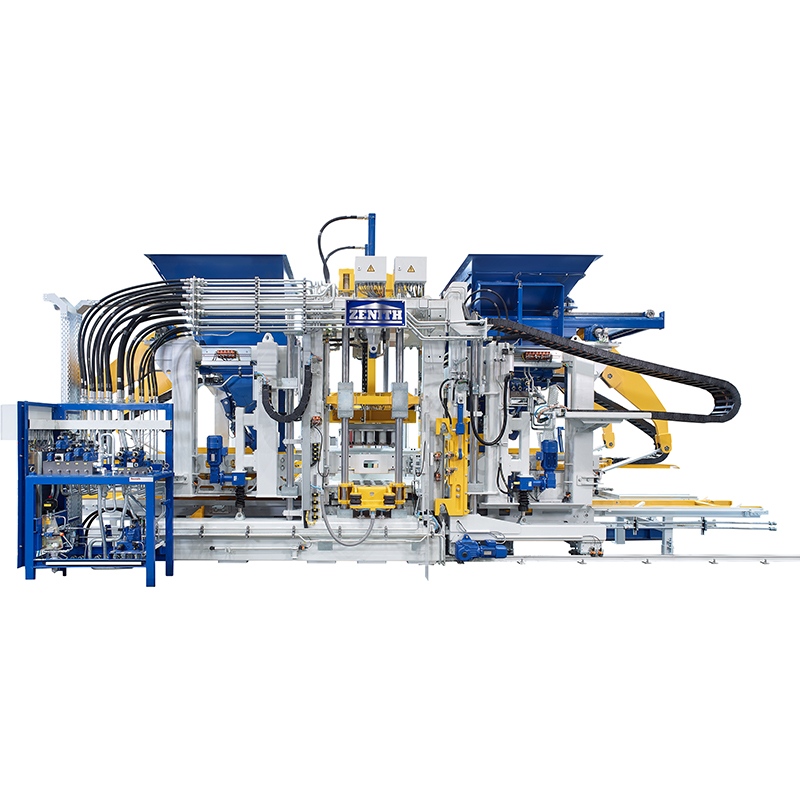
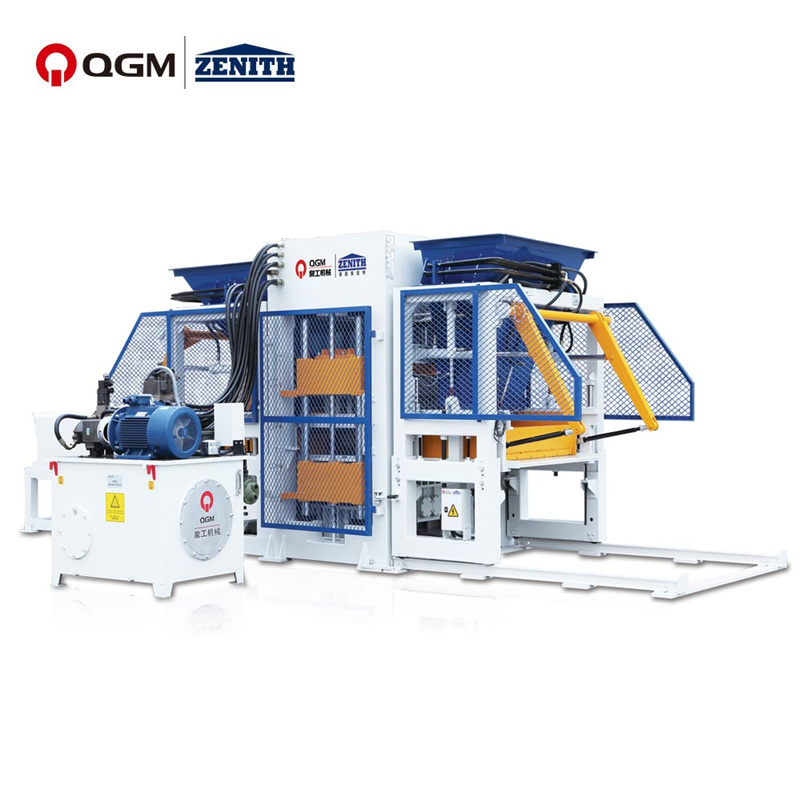
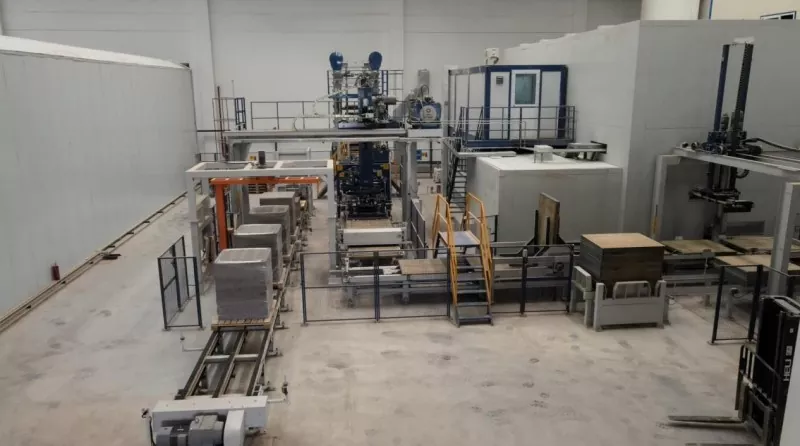
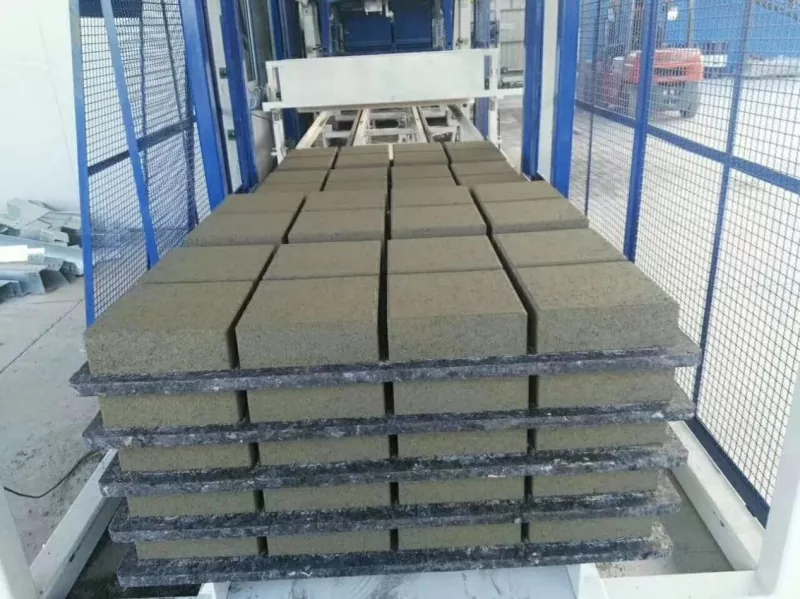
In the modern landscape of automated concrete block production, achieving true precision extends far beyond robust mechanical engineering or manual operator expertise. Instead, QGM emphasizes that accuracy is driven by data acquisition and instantaneous real-time feedback—capabilities that are fundamentally powered by advanced sensor technology.
Acting as the central nervous system of the production line, QGM sensors seamlessly convert critical physical variables—such as position, hydraulic pressure, temperature, and material flow—into actionable digital signals. Without this sophisticated sensory network, even the most intelligent PLC system would operate blindly, lacking the vital ability to detect process deviations or guarantee consistent manufacturing stability.
In a state-of-the-art QGM block machine, sensors act as the vital bridge connecting physical equipment operations with intelligent automation. By continuously gathering real-time production data, they empower the central control system to vigilantly monitor machine conditions and react instantaneously to any operational shifts.
Given that concrete block production involves numerous processes occurring simultaneously, relying on manual observation is neither efficient nor precise. QGM sensors ensure that every phase of the manufacturing cycle remains perfectly synchronized and strictly controlled.
Key sensor applications integrated into a QGM block making machine include:
● Position Tracking: Monitoring the precise positions of moulds and pallets throughout the entire production cycle.
● Material Detection: Detecting material levels within the feeding and batching systems to maintain optimal supply.
● System Measurement: Measuring hydraulic pressure, oil temperature, and overall system performance metrics.
● Real-Time Monitoring: Tracking machine cycle sequences and current operating status without delay.
● Anomaly Identification: Identifying abnormal conditions proactively before they can compromise production quality.
Note: By continuously feeding operational data back to the PLC control system, QGM sensors play a crucial role in maintaining stable machine performance, enhancing production accuracy, and guaranteeing consistent block quality—especially within high-capacity automated production lines.
QGM Modern block production lines are engineered around the advanced principle of closed-loop control. In this system, actual production outputs are continuously benchmarked against expected values, with automatic adjustments made to maintain precision. Sensors are the indispensable foundation of this dynamic mechanism.
For instance, QGM utilizes various sensor technologies to maintain operational integrity:
Position sensors guarantee the exact alignment between feeding carts and molds.
Pressure sensors verify that the compaction force consistently meets predefined thresholds.
Proximity sensors confirm the successful completion of each production step before the next is triggered.
This continuous feedback loop empowers the QGM system to self-correct in real time, effectively minimizing production variability and preventing defects before they occur.
Sensors alone cannot elevate production standards; their true value is only unlocked when seamlessly integrated with a robust and intelligent control system.
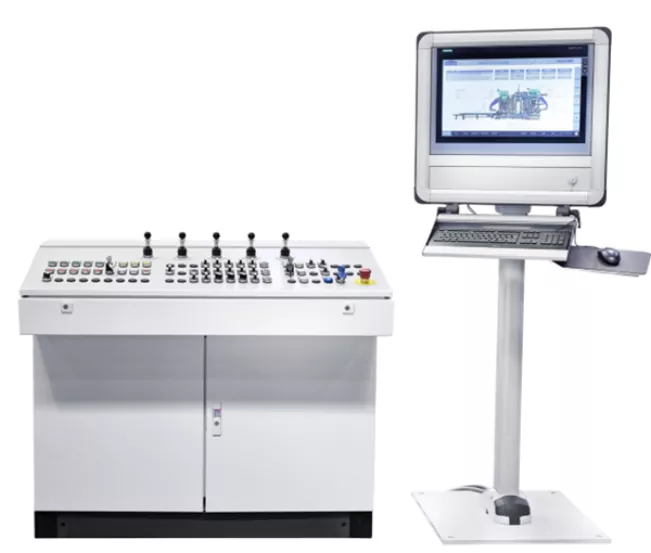
QGM incorporates the advanced SIEMENS PLC system, paired with an intuitive touch panel and comprehensive remote monitoring capabilities. Through this sophisticated architecture, raw sensor data is continuously processed and instantly translated into precise, actionable operational commands.
The tangible benefits of this integration include:
● Real-Time Monitoring: Machine status can be tracked and visualized in real time.
● Dynamic Adjustments: Operational parameters can be modified dynamically to suit changing conditions.
● Proactive Issue Resolution: Production anomalies are identified and flagged before they escalate into serious problems.
This powerful synergy between advanced sensors and the PLC system transforms the QGM production line into a highly responsive and adaptive ecosystem, far surpassing the capabilities of a static sequence of mechanical actions.
Stable hydraulic performance is essential for achieving consistent block quality and smooth machine operation. In modern QGM block making machines, sensors play a vital role in maintaining precise control over hydraulic pressure, oil flow, and component movement throughout the production cycle.
By continuously collecting real-time operating data, sensors allow the hydraulic system to respond quickly to changing production conditions and maintain optimal performance.
Through sensor-assisted monitoring, the system can:
● Maintain consistent forming pressure for every production cycle
● Monitor hydraulic oil temperature and prevent overheating
● Improve hydraulic response accuracy and system stability
● Support smooth movement of key machine components
● Reduce pressure fluctuations that may affect block quality
QGM hydraulic systems combine high-performance proportional control technology with intelligent sensor feedback, enabling more precise operation under continuous production conditions.
Note: Sensor-guided hydraulic control is particularly important for feeding cart operation. By working together with servo-controlled hydraulic valves, sensors help ensure accurate positioning and uniform material feeding, resulting in more consistent mould filling and improved concrete block quality.
In concrete block production, achieving consistent density and strength depends heavily on precise vibration control. Even minor variations in vibration performance can affect compaction quality, block integrity, and material utilization.
To ensure stable operation, modern QGM block machines utilize sensor-assisted monitoring systems that continuously track vibration conditions and coordinate them with other production processes. This allows the machine to maintain optimal compaction performance throughout extended production runs.
QGM advanced four-shaft vibration system, featuring externally mounted eccentric shafts, is designed to improve vibration efficiency, enhance force transmission, and reduce mechanical resistance during operation.
With real-time sensor feedback, the control system can:
● Maintain consistent vibration performance throughout each production cycle
● Improve concrete density and block strength
● Minimize internal air pockets and structural defects
● Ensure uniform compaction across the entire mould cavity
● Optimize raw material usage and reduce unnecessary cement consumption
Note: Continuous sensor monitoring helps keep vibration, hydraulic pressure, and material feeding perfectly coordinated. This intelligent synchronization enables QGM block making machines to deliver stable product quality, higher production efficiency, and reliable performance during long-term industrial operation.
Mould quality is a key factor that directly influences block dimensions, surface finish, and overall product consistency. However, maintaining mould performance is not solely dependent on the mould itself — stable machine operation also plays a crucial role.
In modern QGM block making machines, sensors continuously monitor production conditions and help ensure that critical parameters such as pressure, positioning accuracy, and vibration performance remain within optimal operating ranges. This intelligent monitoring helps reduce unnecessary stress on mould components and supports long-term production stability.
QGM manufactures high-precision moulds for a wide range of concrete block applications. Each mould is produced according to strict engineering standards and undergoes professional heat treatment to enhance durability, wear resistance, and service life under continuous industrial production conditions.
Through sensor-assisted control and stable machine operation, manufacturers can achieve:
● More uniform mould wear over time
● Improved dimensional accuracy of finished blocks
● Consistent product shape and surface quality
● Reduced maintenance and mould replacement frequency
● Extended mould lifespan and lower operating costs
Note: When mould performance, vibration efficiency, and hydraulic control work together in a coordinated system, production consistency improves significantly. This helps QGM block machines maintain reliable block quality while maximizing mould durability and overall manufacturing efficiency.
As automation technology continues to advance, sensors are no longer used solely for real-time machine control. In modern QGM block making machines, sensor technology is becoming an important foundation for predictive maintenance, production optimization, and intelligent manufacturing management.
By continuously collecting and analyzing operational data, sensor-based systems help manufacturers move beyond traditional reactive maintenance and adopt a more proactive approach to equipment management.
Advanced sensor-driven solutions can help:
● Track long-term machine performance trends
● Detect abnormal operating conditions at an early stage
● Predict potential component wear before failures occur
● Support preventive maintenance planning
● Optimize production settings based on historical operating data
● Improve overall equipment efficiency and reliability
Note: This evolution reflects the growing adoption of Industry 4.0 technologies in concrete block manufacturing, where intelligent systems use data analysis to improve productivity, reduce downtime, and enhance decision-making across the entire production process.
In a modern automated concrete block production line, sensors may operate behind the scenes, but their contribution is essential. They provide the real-time information that allows machines to monitor conditions, adjust operations, and maintain consistent performance throughout every production cycle.
When integrated with intelligent PLC controls, advanced hydraulic systems, and high-efficiency vibration technology, sensors help transform a traditional block machine into a smart manufacturing platform capable of delivering higher accuracy, greater efficiency, and more reliable product quality.
QGM combines sensor technology with intelligent automation to ensure that every stage of production — from material feeding and mould filling to vibration, compaction, and pallet handling — operates with maximum precision and consistency.
Ultimately, producing high-quality concrete blocks is not the result of a single machine action. It is the outcome of continuous coordination between monitoring, control, and execution. Sensors serve as the critical connection that enables this coordination, helping every production decision become more accurate and every manufacturing process more stable.
As the concrete products industry continues moving toward digitalization and intelligent manufacturing, sensor technology will remain a key driver of innovation, efficiency, and long-term production competitiveness.
Modern block machines rely on various sensors to monitor and control key production processes. Commonly used sensors include position sensors, proximity sensors, pressure sensors, temperature sensors, and level sensors. Together, they help ensure accurate machine operation, stable production cycles, and consistent concrete block quality.
Sensors continuously collect real-time production data and transmit it to the control system. This allows the machine to precisely regulate material feeding, hydraulic pressure, vibration performance, and mould positioning. As a result, manufacturers can achieve more uniform block density, better dimensional accuracy, and improved compressive strength.
Yes. Sensor-based monitoring systems can identify abnormal operating conditions before they develop into serious equipment failures. By providing early warnings for issues such as pressure fluctuations, overheating, or component wear, sensors support preventive maintenance and help minimize unexpected production interruptions.
Not at all. Modern sensor systems used in QGM block machines are designed for long-term reliability in demanding industrial environments. Routine inspections, periodic cleaning, and occasional calibration are typically sufficient to maintain accurate performance and ensure dependable operation over time.