Starting a concrete block factory can appear straightforward on paper. Demand for construction materials may be strong, equipment capacity may look attractive, and a projected production volume can make the initial investment seem highly promising.
The reality is more demanding.
A new block manufacturing plant has to bring together market demand, raw materials, equipment, people, production processes, quality control, logistics, and financial management from the moment the first production cycle begins. If these elements are planned separately, problems that seem minor at the beginning can quickly affect the entire operation.
This is why first-year factory failures are rarely caused by one isolated issue. More often, they result from several connected decisions that were underestimated during the transition from investment planning to daily production.
Understanding these risks before commissioning a concrete block making machine can help investors build a more realistic operating model and create a stronger foundation for long-term growth.
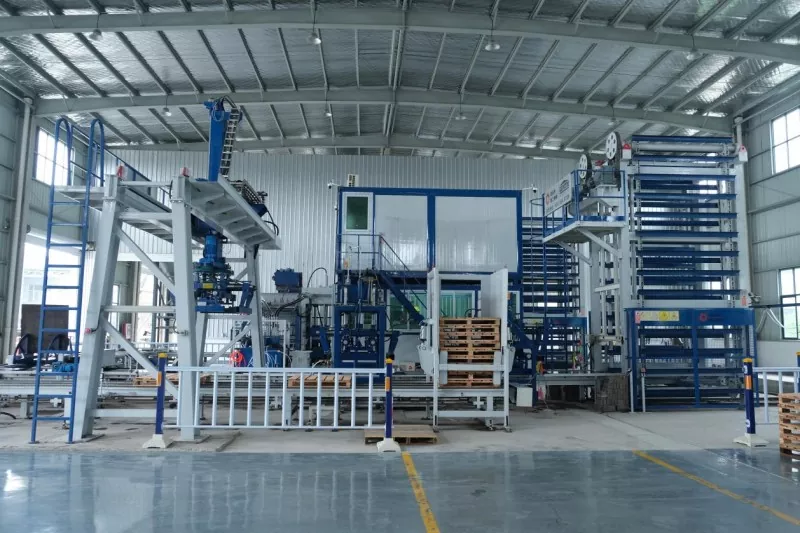
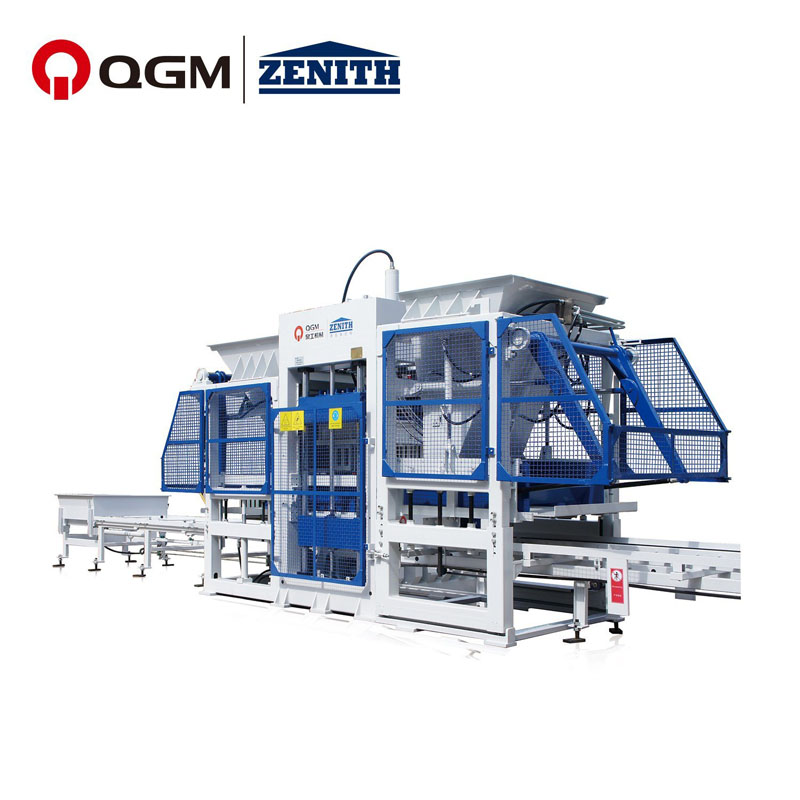
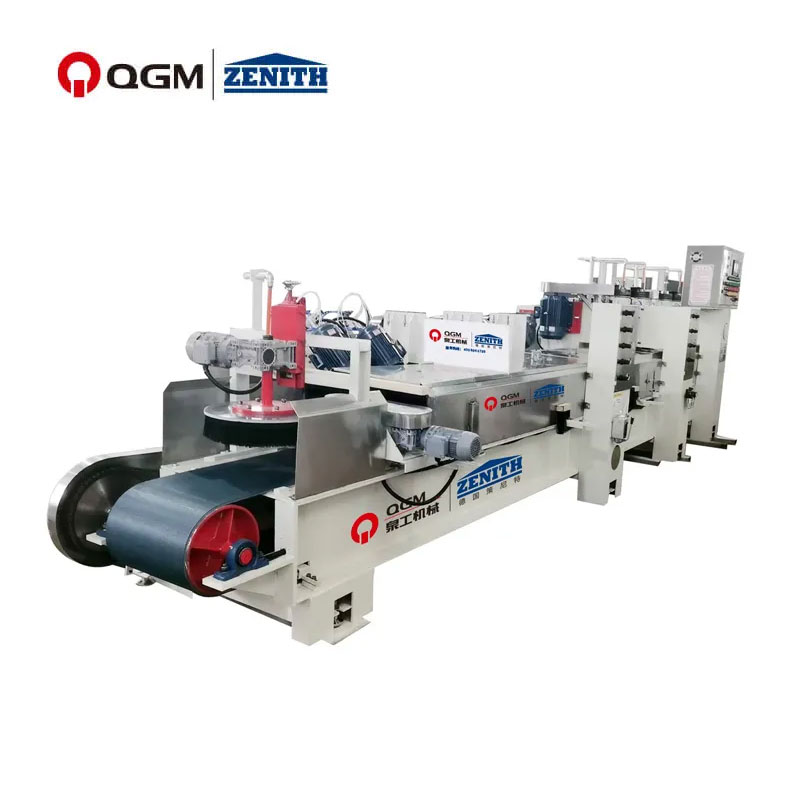
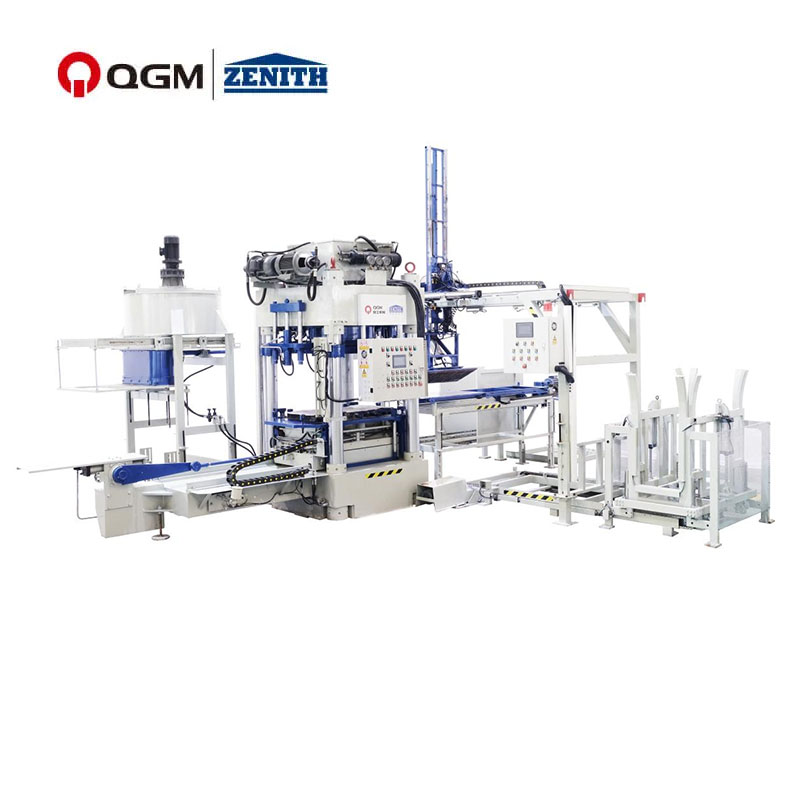
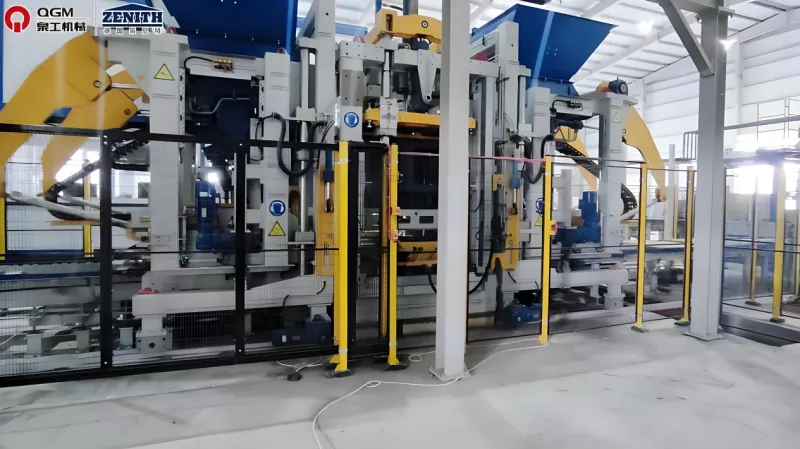
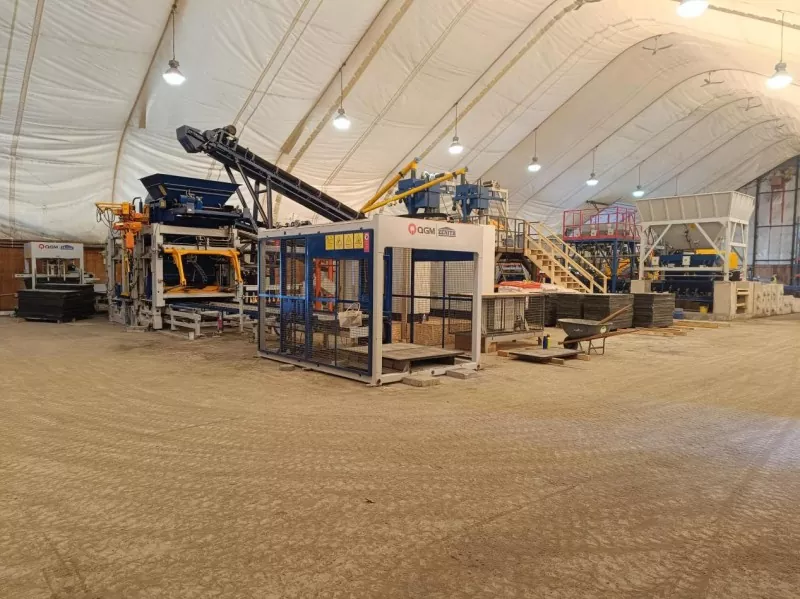
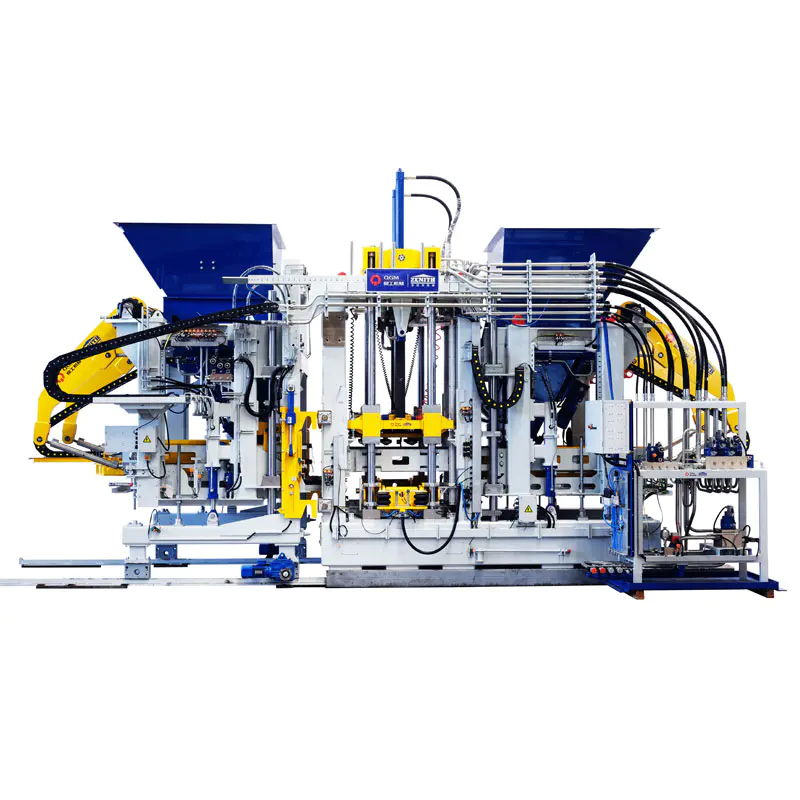
△QGM Automatic Block Machines for Concrete Block Production Worldwide
One of the first decisions investors make is how much a new factory should produce. It is tempting to choose equipment with a large theoretical output and assume that higher capacity will automatically translate into higher revenue.
But production capacity and market demand are not the same thing.A factory may be capable of producing thousands of blocks per day while the local market can absorb only a fraction of that volume. The result can be excessive inventory, price pressure, increased storage requirements, and unnecessary working-capital consumption.
Product selection is equally important. Construction practices vary between regions, and the preferred dimensions, strength grades, surface finishes, and applications of concrete blocks can differ significantly.
Before purchasing a block making machine, investors should establish:
* Which block types are most commonly used locally
* The expected demand from residential and commercial construction
* Infrastructure and landscaping opportunities
* Competitor production capacity and pricing
* Customer quality expectations
* Seasonal fluctuations in construction activity
* Realistic sales volumes during the first 12 months
The objective is not to build the largest factory possible. It is to build a production operation whose capacity and product portfolio correspond to the market it intends to serve.
Buying equipment is one milestone. Running it consistently is another.
A modern automatic block making machine combines mechanical, hydraulic, electrical, vibration, material feeding, mold, and control systems. The production process also depends on batching, mixing, handling, curing, and finished-product management.
A factory can therefore have technically capable equipment and still experience poor results if operators lack the knowledge to manage the process.
During the early months of operation, inexperienced teams may struggle with:
* Mix consistency
* Machine parameter settings
* Product changeovers
* Mold installation
* Equipment troubleshooting
* Quality inspection
* Preventive maintenance
* Production records
Operator training should begin before commercial production rather than after problems appear.
Clear operating procedures, parameter records, maintenance checklists, quality standards, and troubleshooting processes can help turn individual experience into a repeatable production system.
For a new concrete block production line, this operational foundation is just as important as the equipment itself.
Initial equipment cost is easy to compare. Long-term production performance is much harder to measure—and much more important.
A lower purchase price may appear attractive during investment planning, but the real cost of ownership also includes energy consumption, maintenance, spare parts, labor requirements, production downtime, product rejection, mold consumption, and technical support.
This is particularly relevant when comparing different levels of automation or production capacity.
When evaluating a concrete block machine, investors should consider:
* Actual production requirements
* Product range and mold flexibility
* Automation level
* Production consistency
* Energy efficiency
* Ease of maintenance
* Availability of spare parts
* Technical support
* Equipment service life
* Upgrade and expansion possibilities
A common mistake among new manufacturers is attempting to maximize output as soon as the equipment is commissioned.
Higher production volume, however, can magnify small process inconsistencies.
If material feeding is unstable, increasing machine speed can produce more defective blocks. If the mix is inconsistent, higher output can increase material losses. If curing capacity is insufficient, finished products may accumulate between production and delivery.
Production should therefore be stabilized before it is aggressively scaled.
A new factory should first determine reliable operating parameters for each major product, including:
* Raw material proportions
* Aggregate moisture conditions
* Mixing time
* Material feeding
* Vibration and compaction
* Pressing parameters
* Demolding
* Handling
* Curing
* Storage
Once these parameters are stable, increasing utilization becomes much less risky.
This approach also creates a measurable baseline against which future improvements can be evaluated.
Inconsistent quality is one of the fastest ways for a new block factory to lose customer confidence.
If one shift produces blocks with different dimensions, density, appearance, or strength from another shift, customers may begin questioning the reliability of the supplier.
The problem is often not a lack of operator effort. It is a lack of standardized control.
Modern production systems can help reduce this dependency by storing recipes, monitoring machine conditions, recording production information, and controlling key operating parameters.
A reliable automatic block-making machine should be operated as part of a controlled production system rather than as a standalone piece of equipment.
Standardized recipes and operating procedures can help ensure that production remains more consistent across:
* Different operators
* Different shifts
* Different production days
* Different product specifications
Automation does not eliminate the need for skilled personnel. Instead, it allows operators to spend more time supervising production and addressing exceptions rather than repeatedly correcting routine variations.
During the first year, production pressure can make maintenance seem like lost production time. In practice, the opposite can be true.
A missed inspection may allow a worn component to affect product quality. A small hydraulic leak may develop into a larger failure. Poor lubrication can accelerate wear. A damaged mold can create dimensional problems across multiple production cycles. These issues can eventually cost considerably more than the planned maintenance activity.
A new factory should establish maintenance procedures covering the complete block production line, including:
* Main molding equipment
* Vibration components
* Hydraulic systems
* Electrical and control equipment
* Material feeding and batching systems
* Conveyors and handling equipment
* Molds
* Curing and stacking systems
* Safety-related components
A technically successful factory can still fail financially.
New manufacturers often focus heavily on the cost of land, buildings, equipment, installation, and commissioning while underestimating the cash required after production begins.
Revenue may take time to stabilize, while expenses start immediately.
Working capital may be required for:
* Cement and aggregates
* Electricity and fuel
* Labor
* Spare parts
* Mold replacement
* Equipment maintenance
* Transportation
* Product storage
* Customer credit
* Unexpected commissioning costs
Financial planning should account for the difference between theoretical production capacity and actual first-year utilization.
A realistic business model should include conservative sales assumptions, operating costs, maintenance expenditure, inventory requirements, and sufficient cash reserves.
This is particularly important when customers expect credit terms or when construction activity is seasonal.
A factory needs enough financial flexibility to survive the period between commissioning a block making machine and reaching stable commercial utilization.
A block factory does not become efficient simply because its main molding machine is fast.Production performance depends on what happens before and after molding.
For example, a high-output machine can create a bottleneck if the material handling system cannot keep pace. Increasing production can also create congestion if curing capacity, storage space, pallet availability, or transportation cannot accommodate the additional output.
This is one of the reasons new factories sometimes discover that their actual bottleneck is not the block machine itself.
A well-organized concrete block production line should consider the relationship between:Raw Material Storage → Batching → Mixing → Block Molding → Demolding → Handling → Curing → Storage → Loading → Delivery
Each stage should have sufficient capacity and appropriate coordination with the stages around it.This integrated view helps manufacturers identify bottlenecks before they become costly operational problems.
The first year of a new block factory should not be measured only by maximum output.It should be viewed as a period of building operational maturity.
By the end of the first year, a well-managed plant should have a clearer understanding of:
* Which products generate the strongest demand
* Which production parameters deliver consistent quality
* How much material and energy each product consumes
* Which components require regular attention
* How much capacity the market can realistically absorb
* Where production bottlenecks occur
* How maintenance affects equipment availability
* Which operating costs have the greatest impact on profitability
Once the factory has established stable processes, it can consider increasing production capacity, adding product types, introducing greater automation, or expanding into new markets.
The most successful new factories tend to look beyond individual equipment specifications.
They consider how equipment, materials, operators, quality control, maintenance, curing, logistics, and customer demand interact with one another.
This systems approach is particularly important as manufacturers move toward more automated block manufacturing solutions. Digital controls, production monitoring, intelligent equipment management, and automated material handling can provide greater visibility across the manufacturing process.
The value of automation is therefore not limited to reducing manual labor. It can also help manufacturers establish more repeatable processes, collect production data, identify abnormal conditions, and make operational decisions based on measurable information.
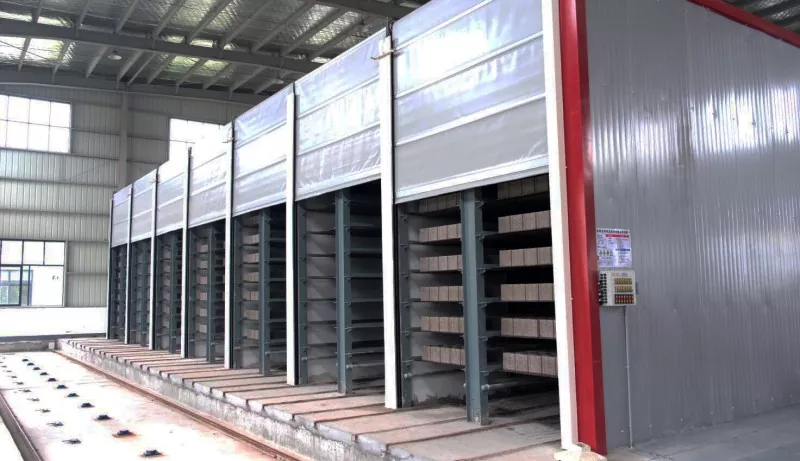
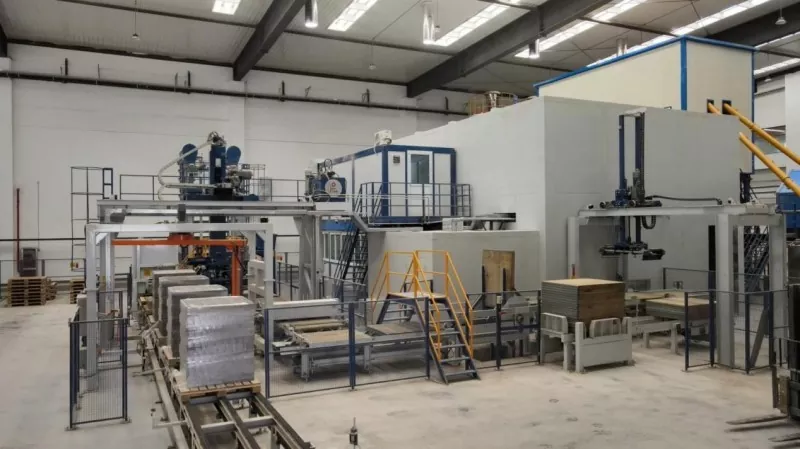
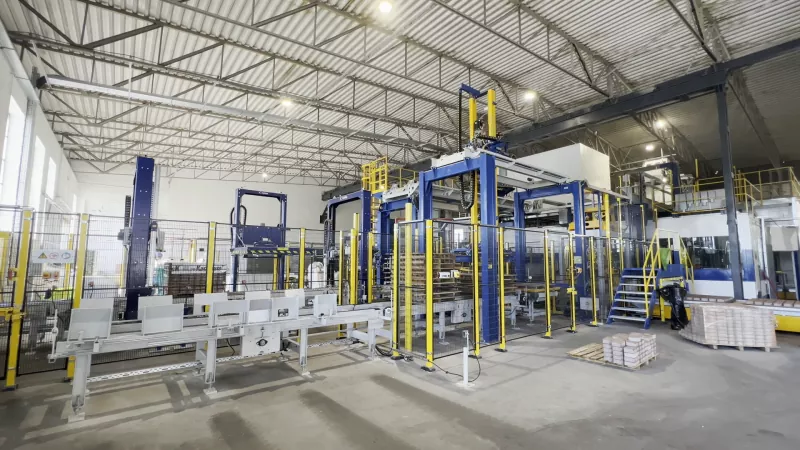
△QGM Concrete Block Curing Systems for Efficient Production
QGM develops block-making machines and integrated concrete block production solutions with this broader production perspective in mind, helping manufacturers connect equipment performance with practical production requirements.
Early-stage problems usually come from a combination of factors rather than one single cause. Common issues include inaccurate market forecasts, insufficient working capital, inappropriate equipment selection, inexperienced operators, inconsistent production processes, poor maintenance, and inadequate curing or logistics capacity.
Start with the products you intend to sell and the realistic demand in your target market. Then compare machine capacity, automation, product flexibility, energy consumption, maintenance requirements, technical support, service life, and total cost of ownership rather than focusing only on the initial purchase price.
There is no universal capacity that suits every factory. The appropriate production scale depends on local demand, product mix, operating hours, available raw materials, labor, investment budget, and expected sales volume. It is generally safer to align initial capacity with realistic market demand and scale as the customer base develops.
Consistency across the entire production process is critical. Stable raw materials, accurate batching and mixing, appropriate molding parameters, properly maintained molds, reliable equipment operation, and controlled curing all contribute to consistent block quality.
Manufacturers can improve profitability by controlling raw material consumption, reducing rejected products, maintaining equipment proactively, minimizing unplanned downtime, matching production with actual demand, monitoring energy and labor costs, and improving coordination between molding, curing, storage, and delivery.
-