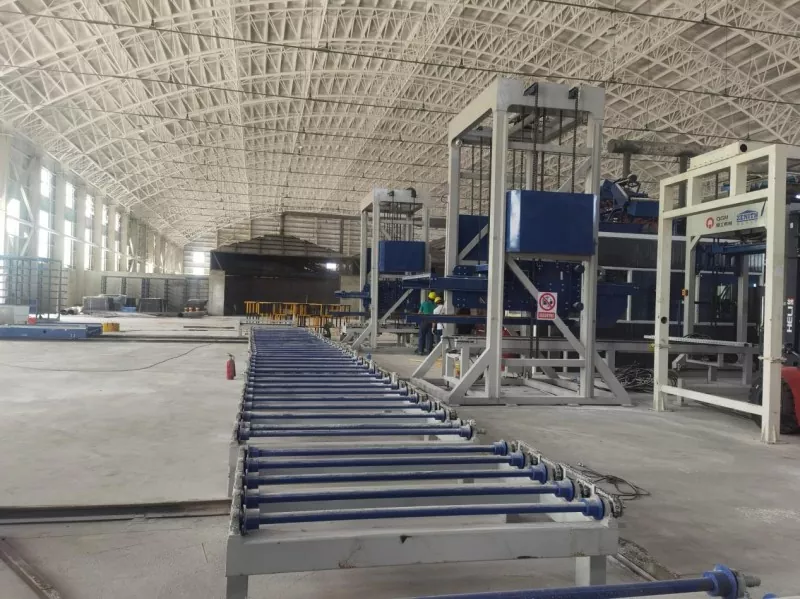
Setting up a small concrete block factory is not simply about purchasing a few machines. In reality, it is a complete engineering system where every piece of equipment directly affects production efficiency, block quality, operational stability, and long-term profitability.
Whether producing hollow blocks, paving stones, curbstones, or solid bricks, a reliable and well-designed production line is essential for stable operation. Even a compact concrete block production plant requires proper coordination between batching, mixing, forming, vibration, curing, and stacking systems.
With advanced German technology and intelligent automation solutions, QGM & Zenith block production systems provide efficient and reliable solutions for large,small and medium-sized concrete block factories worldwide.
This guide explains the essential equipment required to establish a modern small-scale concrete block manufacturing plant.
1. Raw Material Storage and Feeding System
Every concrete block production process begins with raw material handling. Even the most advanced QGM block machine cannot compensate for unstable or inaccurate material feeding.
A typical raw material system includes:
● Aggregate storage bins
● Cement silo or bag cement feeding system
● Material weighing conveyor
● Batching hopper system
The purpose of this stage is to ensure accurate proportioning of:
● cement
● sand
● crushed stone
● aggregates
Even small variations in material ratios can affect:
● compressive strength
● product density
● surface finish
● dimensional consistency
For small concrete block factories, simple and stable material feeding systems are often more practical than overly complex automation solutions. However, accurate material weighing remains critical for maintaining stable block quality.
2. Concrete Batching System
The batching machine is one of the most important systems in the entire concrete block production line.
Its main functions include:
● precise material dosing
● stable mix proportion control
● continuous batch consistency
A compact batching system is usually sufficient for small block factories, but batching accuracy directly determines the quality of the final concrete products.
An unstable batching process may lead to:
● weak concrete blocks
● uneven density
● excessive cement consumption
● higher rejection rates
● poor surface quality
In practical production environments, accurate batching is the foundation of reliable concrete block manufacturing.
3. Concrete Mixing Equipment
After batching, all raw materials must be mixed thoroughly before entering the forming process.
QGM concrete block production lines commonly use:
● twin-shaft mixers
● planetary mixers
● forced concrete mixers
The concrete mixer performs several critical functions:
● homogenizing aggregates and cement
● ensuring uniform moisture distribution
● preventing material segregation
● improving concrete workability
Without proper mixing quality, even high-end block making machines cannot achieve stable product consistency.
Uniform concrete mixing is not simply a preparation step — it is a key requirement for producing high-strength concrete blocks.
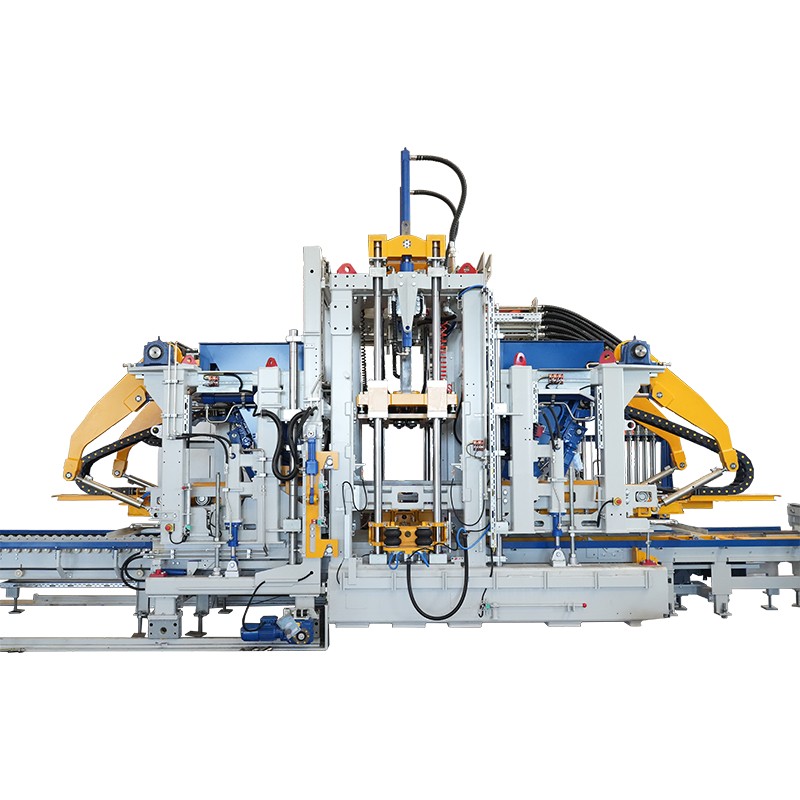
4. Main Forming Machine (QGM Block Machine)
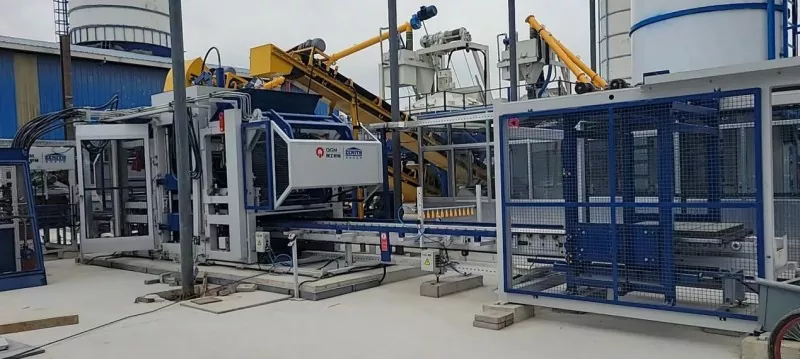
The core of the entire production plant is the QGM block making machine. This is where raw concrete materials are transformed into finished concrete products.
A modern small-scale QGM production system typically includes:
● hydraulic forming unit
● intelligent vibration system
● mould chamber
● material feeding car
● automatic distribution system
QGM fully automatic block machines integrate advanced German Zenith technology and precision hydraulic systems to ensure:
● stable forming pressure
● accurate product dimensions
● high-density concrete compaction
● smooth production cycles
The intelligent hydraulic system maintains stable pressure output during continuous operation, reducing pressure fluctuations and improving overall product consistency.
For operators, this means:
● smoother machine performance
● more stable production
● reduced operational errors
● higher production efficiency
5. Advanced Vibration System
Vibration technology plays a decisive role in determining concrete block density and structural strength.
A poor vibration system may result in:
● low compressive strength
● uneven internal density
● surface defects
● higher product rejection rates
QGM adopts advanced servo vibration technology and high-efficiency vibration tables to improve concrete compaction performance.
Advantages of the QGM vibration system include:
● uniform vibration force distribution
● improved concrete density
● reduced cement consumption
● better product surface quality
● longer machine service life
In modern concrete block production, vibration quality is often more important than simply increasing machine power.
6. High-Precision Mould System
The mould system determines:
● product shape
● dimensional accuracy
● surface texture
● overall block quality
A small concrete block factory usually requires multiple mould sets, including:
● hollow block moulds
● solid brick moulds
● paving block moulds
● curbstone moulds
QGM & Zenith mould systems are manufactured using high-precision processing technology and advanced heat treatment processes to improve:
● wear resistance
● operational stability
● mould lifespan
● product consistency
High-precision moulds ensure:
● smooth demoulding
● stable machine operation
● accurate block dimensions
● reduced product defects
In industrial block production, mould quality directly affects production efficiency and long-term operational stability.
7. Intelligent PLC Control System
Automation is becoming increasingly important, even for small concrete block factories.
A modern PLC control system typically includes:
● Siemens PLC controller
● touchscreen operation panel
● intelligent electrical cabinet
● sensor monitoring system
● remote diagnostic functions
QGM intelligent control systems enable operators to:
● adjust production parameters easily
● monitor machine status in real time
● optimize production efficiency
● reduce manual operation errors
QGM & Zenith intelligent cloud service system help improve production consistency and simplify equipment management.
For modern block manufacturing plants, automation does not mean unnecessary complexity — it means higher efficiency, better quality control, and more stable production.
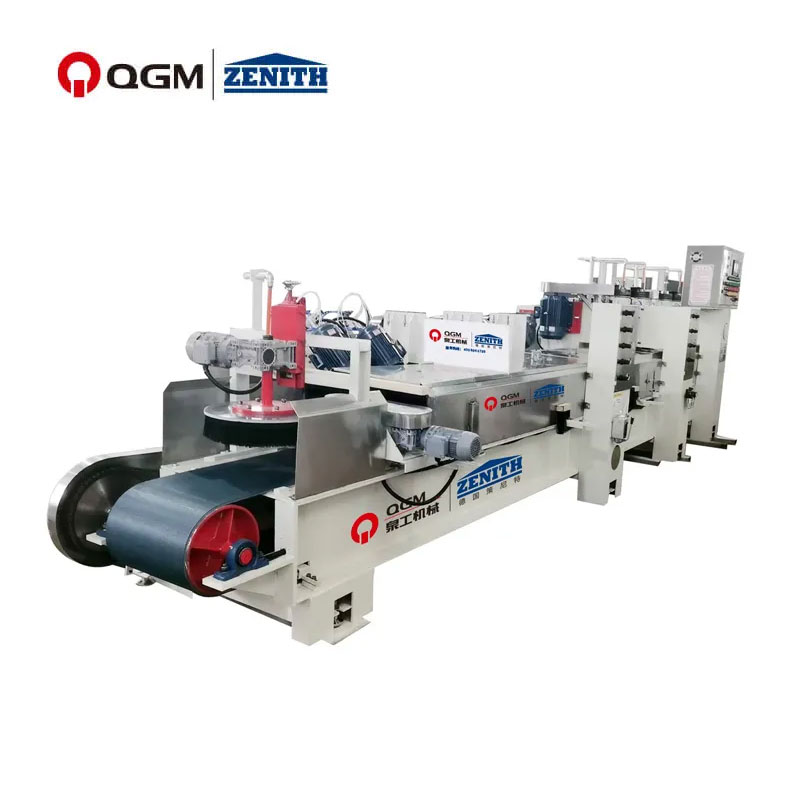
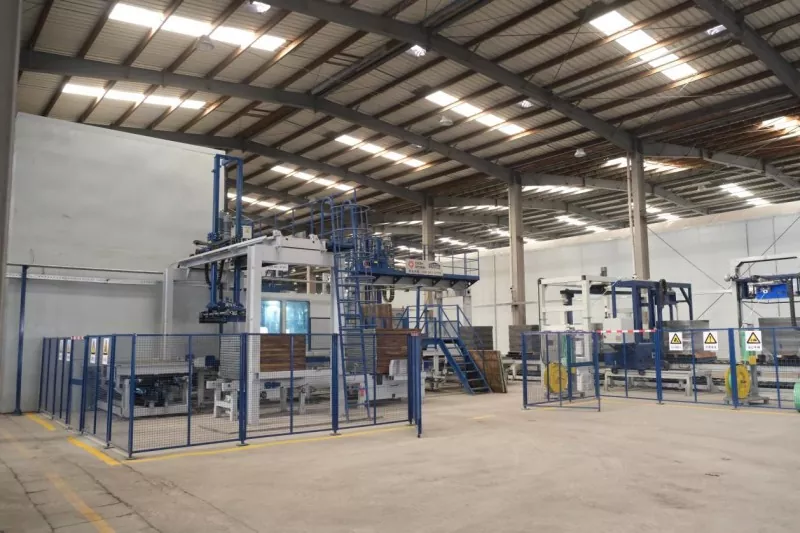
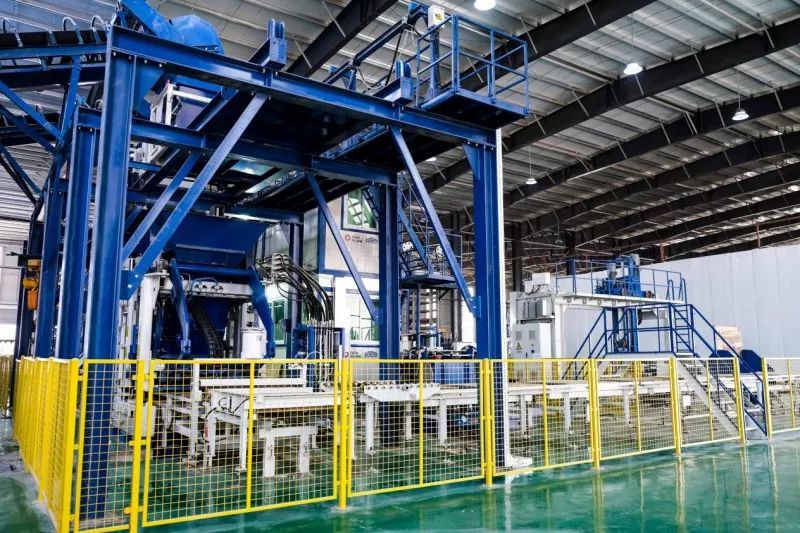
8. Auxiliary Equipment for Block Production
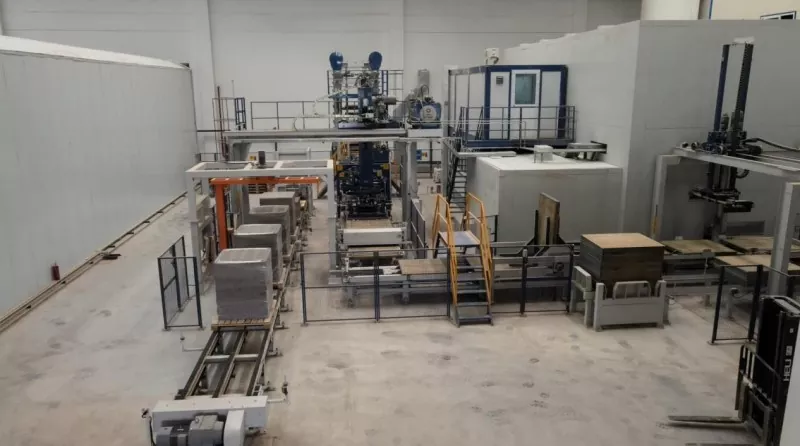
In addition to the core production systems, auxiliary equipment is essential for maintaining continuous and efficient production flow.
Common auxiliary equipment includes:
● pallet feeding systems
● automatic block stackers
● conveyor belts
● curing racks or curing chambers
● forklift systems
● cubing and packaging systems
These supporting systems help:
● reduce labor intensity
● improve production efficiency
● maintain smooth material flow
● reduce production downtime
Even simple auxiliary systems can significantly improve overall factory productivity.
Conclusion
A small concrete block factory is not defined by its physical size, but by how effectively every production system works together.
From raw material handling and batching to mixing, forming, vibration, moulding, curing, and stacking — every stage directly influences final product quality and production stability.
With advanced German technology, intelligent manufacturing concepts, and global industry experience, QGM & Zenith provide complete solutions for efficient and profitable concrete block production.
In modern construction materials manufacturing, long-term success is no longer determined by scale alone, but by:
● production efficiency
● operational stability
● intelligent automation
● product consistency
● sustainable profitability
Ultimately, every successful concrete block factory is built on one principle:reliable equipment creates reliable products
We use cookies to offer you a better browsing experience, analyze site traffic and personalize content. By using this site, you agree to our use of cookies.Privacy Policy