ZENITH Maschinenfabrik GmbH

Common Challenges New Investors Face in the Block Manufacturing Business

2026-07-01 0 Leave me a message

At first glance, concrete block manufacturing appears straightforward. Raw materials enter a machine, blocks are formed, cured, and delivered to customers. This simplified view often attracts new investors into the industry.

However, experienced manufacturers understand a different reality.

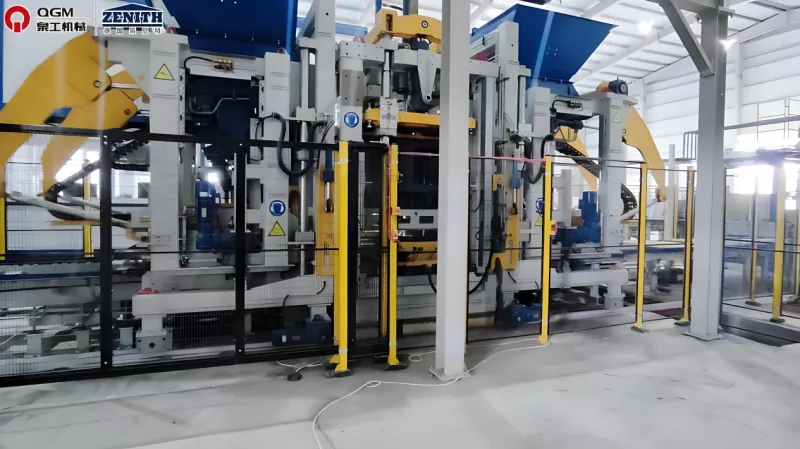
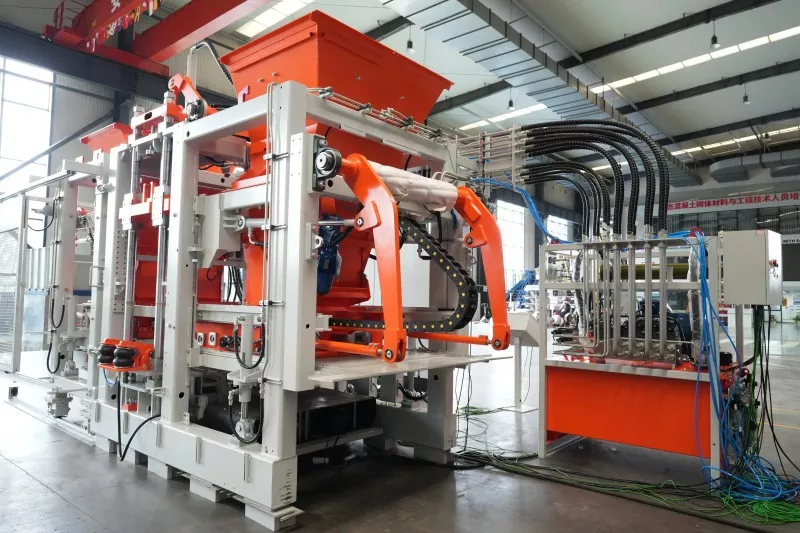
A successful concrete block production plant is not simply a collection of machines—it is an interconnected production system where raw materials, equipment, automation, maintenance, and market demand must work together seamlessly.


Block Manufacturing


Many startups enter the market with enthusiasm and investment capital, yet struggle to achieve stable profitability. The reason is rarely a single mistake. More often, it is the accumulation of multiple operational blind spots that gradually reduce efficiency, quality, and competitiveness.


Why Do New Block Manufacturing Businesses Face Difficulties?

The challenges typically fall into several key categories:

Area

Common Beginner Mistake

Potential Consequence

Production Planning

Focusing only on machine capacity

Low utilization rates

Equipment Selection

Buying based solely on price

Frequent downtime

Quality Control

Inconsistent process management

Product defects

Maintenance

Reactive servicing

High repair costs

Market Analysis

Overestimating demand

Excess inventory

Technical Management

Lack of standardized procedures

Unstable production


Understanding these risks early can significantly improve the chances of long-term success.


1. Viewing Production as Separate Tasks Instead of One System

One of the biggest misconceptions among first-time manufacturers is assuming that batching, mixing, forming, curing, and stacking operate independently.

In reality, every stage affects the next.

For example:

●Incorrect aggregate grading affects compaction efficiency.

●Excessive moisture impacts block density.

●Poor vibration performance reduces compressive strength.

●Improper curing affects durability.

A problem introduced during mixing may not become visible until several days later when finished blocks fail quality inspections.

Production Chain Relationship

Raw Materials → Mixing → Forming → Compaction → Curing → Finished Product

A weakness at any stage can influence the entire process.

This is why successful factories focus on system optimization rather than individual machine performance.


2. Selecting Equipment Based Only on Purchase Price

Many beginners attempt to minimize startup costs by choosing the cheapest available equipment.

While this may reduce initial investment, it often increases long-term operating expenses.

Common Equipment Selection Mistakes:

❌ Choosing capacity that exceeds market demand

❌ Ignoring local raw material conditions

❌ Prioritizing low price over reliability

❌ Failing to plan for future expansion

Equipment should be selected based on:

✅️Production targets

✅️Product types

✅️Labor availability

✅️Market demand

✅️Long-term growth strategy

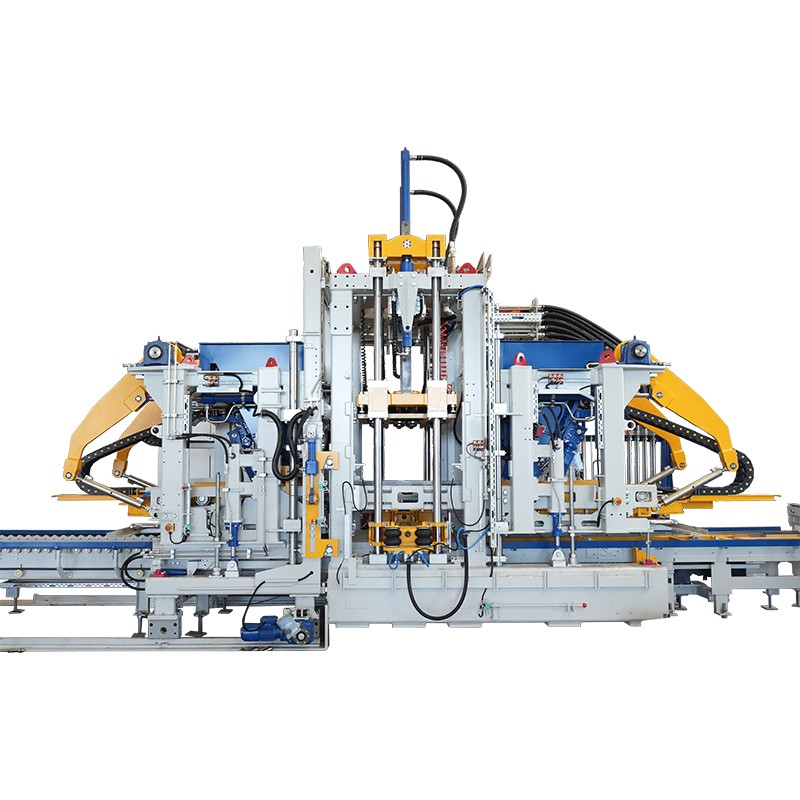
QGM production solutions are designed with scalability in mind, allowing manufacturers to expand capacity as their business grows rather than replacing entire production systems.


3. Lack of Process Standardization

Many new operators rely heavily on experience and visual observation.

While practical knowledge is important, modern block production increasingly depends on measurable parameters.

Critical Variables That Require Monitoring

Parameter

Influence on Product Quality

Moisture Content

Density and strength

Vibration Frequency

Compaction efficiency

Forming Pressure

Structural integrity

Mixing Time

Material consistency

Curing Conditions

Long-term durability

Without standardized operating procedures, product quality can vary significantly between production batches.

Modern QGM block machines utilize intelligent PLC control systems that help operators maintain consistent production parameters throughout the manufacturing process.


4. Ignoring Preventive Maintenance

A common pattern among new manufacturers is operating equipment continuously until a breakdown occurs.

Unfortunately, this approach often results in:

●Extended downtime

●Emergency repair costs

●Lost production capacity

●Reduced equipment lifespan

Preventive Maintenance vs Reactive Maintenance

Preventive Approach

Reactive Approach

Scheduled inspections

Repair after failure

Lower maintenance cost

Higher repair expenses

Stable production

Unexpected downtime

Longer equipment life

Accelerated wear


Successful manufacturers treat maintenance as an investment rather than an expense.

Regular inspection of vibration systems, hydraulic components, moulds, and control systems helps maintain stable production performance.


5. Underestimating the Importance of Mould Quality

Many new investors focus almost exclusively on the machine itself while overlooking mould performance.

However, moulds directly influence:

●Product dimensions

●Surface appearance

●Demoulding efficiency

●Production consistency

QGM manufactures precision moulds compatible with major global block machine brands, including MASA, HESS, ZENITH, POYATOS, BESSER, and TIGER.

Produced according to strict engineering standards and enhanced through advanced heat-treatment processes, these moulds deliver excellent wear resistance and dimensional accuracy under continuous production conditions.

A high-quality mould is often one of the most cost-effective investments a manufacturer can make.


6. Failing to Match Production Capacity with Market Demand

Not every challenge originates inside the factory.

Some of the most serious financial problems occur when production output exceeds actual sales opportunities.

Typical Scenario

Factory Capacity: 20,000 Blocks per Day

Market Demand: 8,000 Blocks per Day

Result:

●Inventory accumulation

●Storage costs

●Cash flow pressure

●Reduced profitability

Before investing in equipment, manufacturers should evaluate:

✅️Local construction activity

✅️Transportation costs

✅️Seasonal demand fluctuations

✅️Competitive landscape

✅️Distribution channels

Production planning should always begin with market analysis.


7. Lack of Technical Support and System Integration

Modern concrete block manufacturing involves multiple interconnected systems:

●Material batching

●Mixing

●Hydraulic systems

●Vibration systems

●PLC controls

●Mould technology

●Curing solutions

Many beginners purchase these components separately without considering compatibility.

This often creates operational inefficiencies and maintenance challenges.

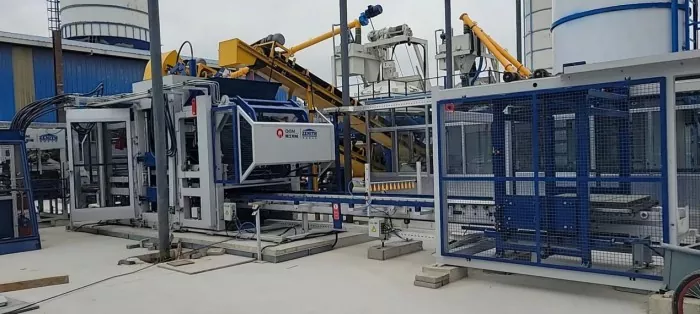
QGM approaches production line design as a complete manufacturing ecosystem, ensuring that each component operates in harmony with the others. By optimizing hydraulic performance, vibration efficiency, mould compatibility, and intelligent control systems together, manufacturers can achieve higher productivity and more stable product quality.


Application Scenarios

Application Scenarios


Key Success Factors for New Block Manufacturers

The most successful producers typically focus on five priorities:

Priority

Importance

Consistent Raw Materials

High

Reliable Equipment

High

Process Control

High

Preventive Maintenance

High

Market Planning

High


Factories that excel in these areas generally experience faster growth and stronger profitability.


Frequently Asked Questions

1. What is the biggest mistake new block manufacturers make?

The most common mistake is failing to control production variables such as moisture content, material proportions, and compaction parameters consistently.


2. Is fully automatic equipment necessary for beginners?

Not always. The best choice depends on production volume, labor availability, and budget. However, automation can significantly improve consistency and reduce operator-related errors.


3. Why do quality problems occur even when using good equipment?

Equipment is only one part of the production process. Raw materials, mould condition, maintenance practices, and operating procedures all influence final product quality.


4. How can beginners improve production stability quickly?

Start by standardizing raw material ratios, monitoring moisture levels, implementing routine maintenance, and establishing clear operating procedures.

Related News
Leave me a message
X
We use cookies to offer you a better browsing experience, analyze site traffic and personalize content. By using this site, you agree to our use of cookies.Privacy Policy
RejectAccept