Introduction: Revolutionizing Construction with Interlocking Brick Machines
Key Advantages of Using an Interlocking Brick Machine
In-Depth Technical Specifications and Product Parameters
Global Applications and Market Adaptation
Frequently Asked Questions (FAQ)
Conclusion: Building a Smarter Future
Introduction: Revolutionizing Construction with Interlocking Brick Machines
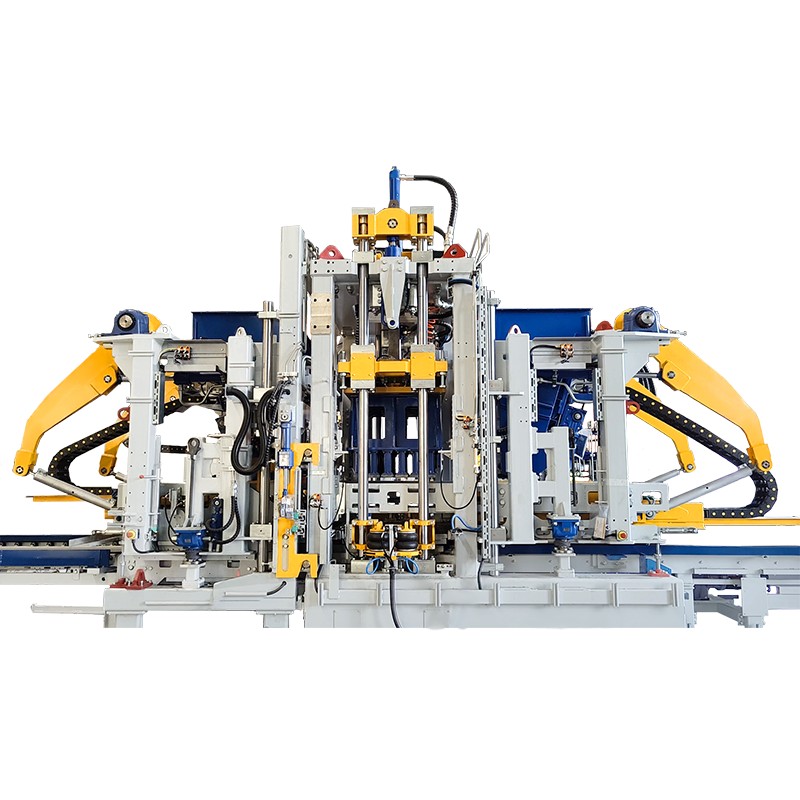
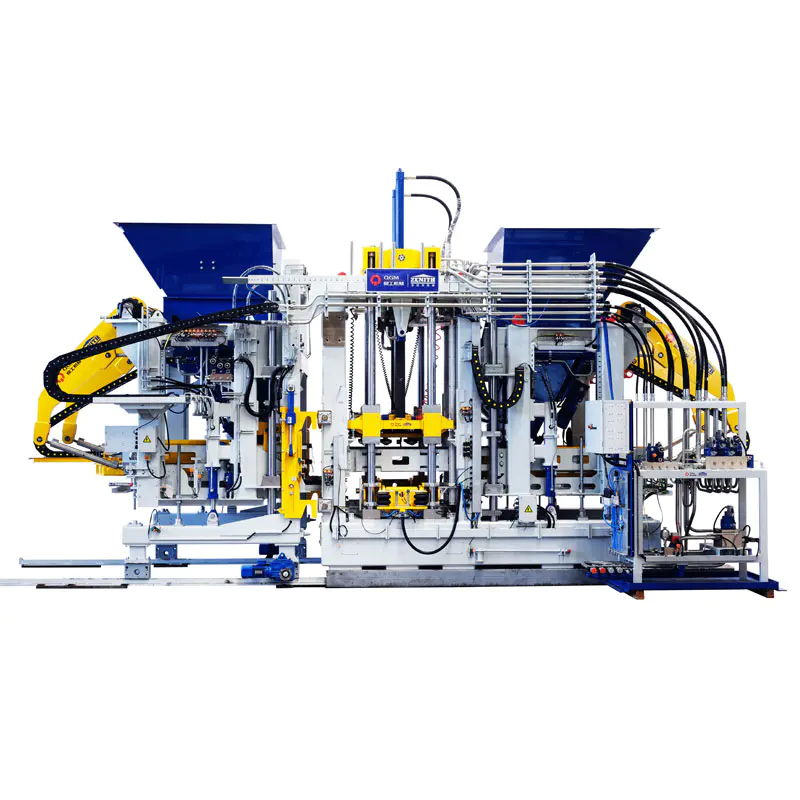
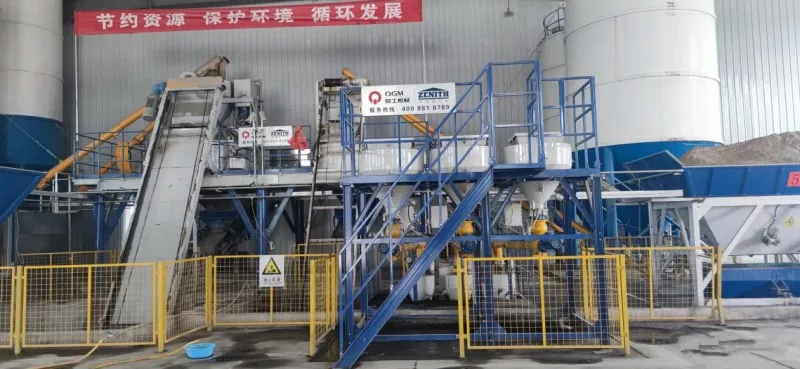
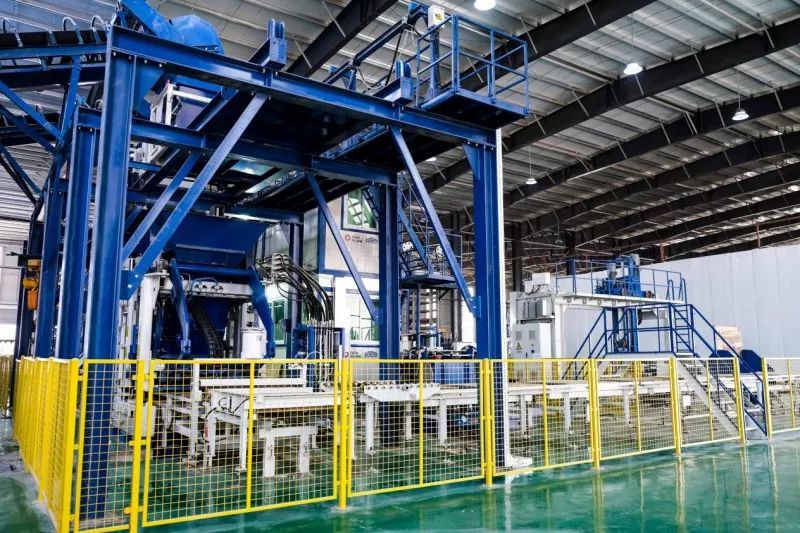
The global construction industry is undergoing a significant transformation, driven by the need for cost-effective, sustainable, and efficient building solutions. At the forefront of this change is the Interlocking Brick Machine. This innovative technology is reshaping skylines and empowering communities worldwide by producing high-quality, interlocking bricks that eliminate the need for traditional mortar. From large-scale urban developments to individual home projects, the ability to manufacture bricks on-site with a portable machine is a game-changer, reducing material costs, construction time, and skilled labor dependency.
Key Advantages of Using an Interlocking Brick Machine
The adoption of this technology offers a multitude of benefits that align with modern construction demands:
Cost Efficiency: Drastically reduces expenses related to mortar, skilled bricklayers, and transportation of materials.
Speed of Construction: The interlocking design allows for faster assembly, accelerating project timelines by up to 50% compared to conventional methods.
Eco-Friendliness: These machines often utilize locally available soil, sand, and a small percentage of cement (or can be fully cement-free), promoting sustainable building practices and reducing the carbon footprint.
Durability and Strength: The compressed interlocking bricks exhibit exceptional compressive strength, making them resistant to earthquakes and harsh weather conditions.
Labor Flexibility: The simple operation does not require highly specialized masons, enabling local workforce employment and skill development.
In-Depth Technical Specifications and Product Parameters
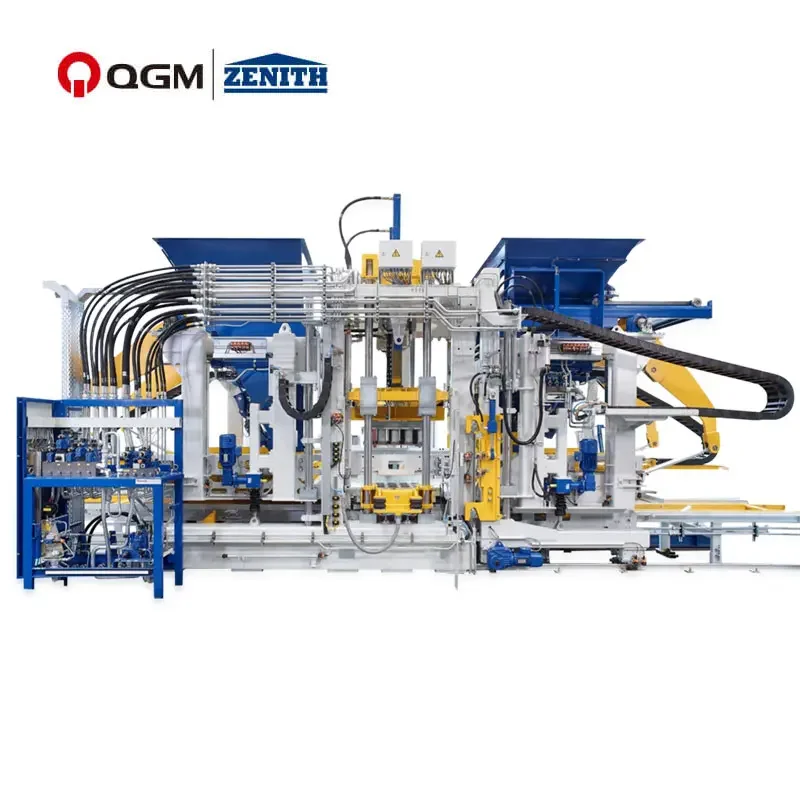
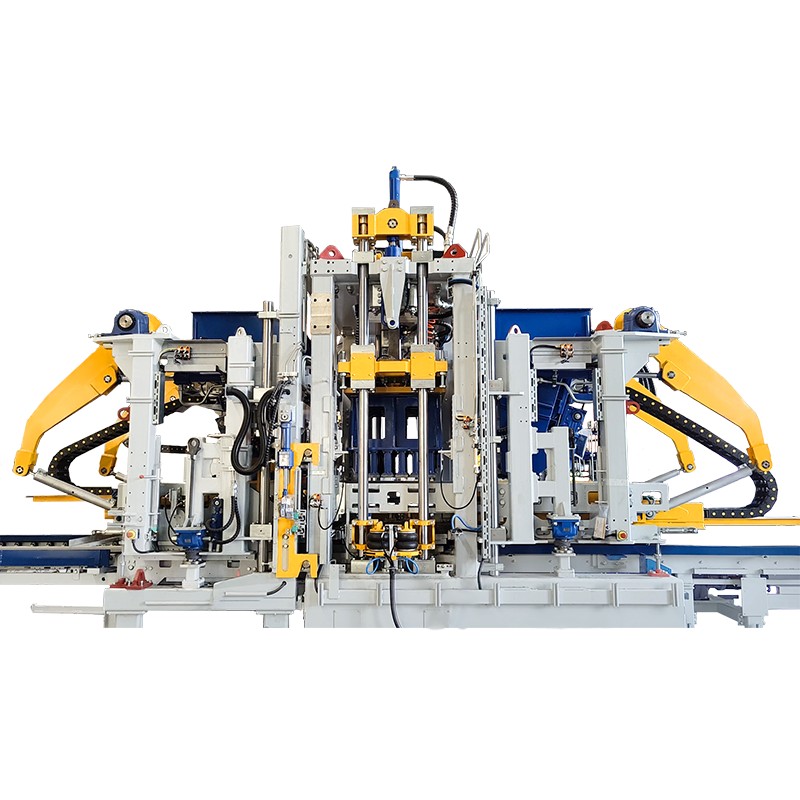
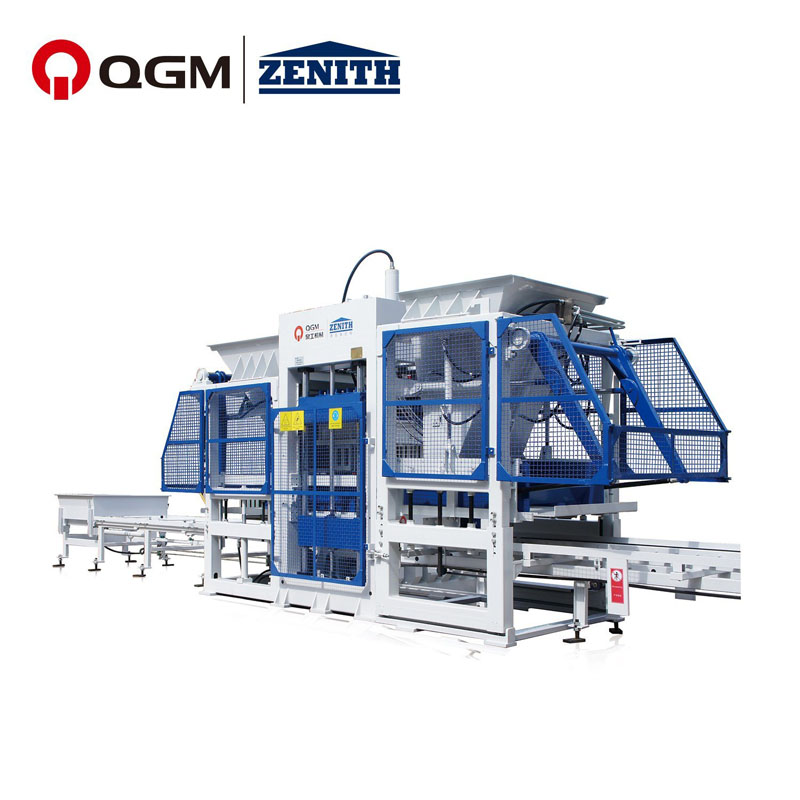
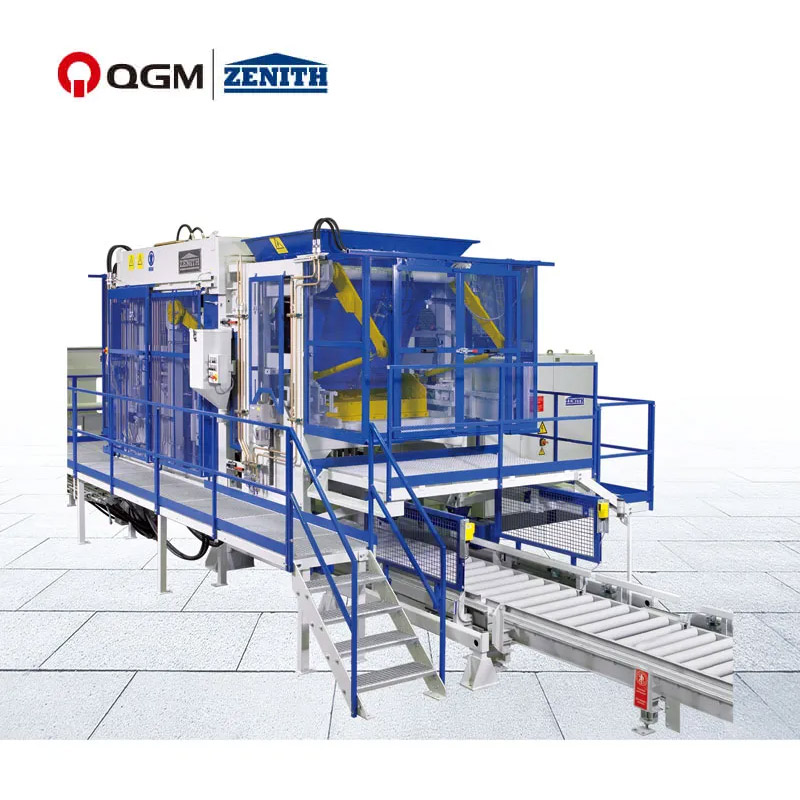
To understand the robustness of our offering, here is a detailed breakdown of a standard hydraulic Interlocking Brick Machine model.
Key Features:
Fully Automatic Hydraulic System for consistent pressure and brick quality.
PLC Control Panel with user-friendly interface for easy operation.
High-Strength Steel Mold for producing various brick designs.
Low Maintenance Design with readily available components.
Versatile in raw material input (Soil, Sand, Fly Ash, Cement).
Technical Parameters Table:
Parameter
Specification
Description
Model
HYD-5000
Heavy-Duty Hydraulic Model
Power
15 kW
Electric Motor (can be adapted for diesel)
Production Capacity
500-600 bricks per hour
Cycle time of approximately 6-8 seconds
Brick Size
300mm x 150mm x 100mm
Standard (Custom molds available)
Operating Pressure
5000 PSI
Ensures high brick density and strength
Raw Material Moisture
10-15%
Optimal range for best compaction
Machine Weight
3500 Kg
Provides stability during operation
Key Features
PLC Control, Auto Lubrication, Vibration System
Ensures automation and reliability
List of Compatible Raw Materials:
Local Soil (Clay, Laterite)
Sand
Fly Ash
Cement (5-10% typically)
Quarry Dust
Crushed Stone Dust
Global Applications and Market Adaptation
The versatility of the Interlocking Brick Machine makes it suitable for a wide array of projects across different continents.
Africa: Ideal for affordable housing projects, building schools, and clinics. Its ability to use local soil directly addresses housing deficits economically.
Asia: Used in massive infrastructure projects, residential complexes, and for constructing boundary walls. The speed of construction is a critical advantage.
Middle East: Valued for its efficiency in building villas and commercial structures, often in environments where reducing water usage (by eliminating curing) is beneficial.
Latin America: Employed in social housing initiatives and for constructing eco-friendly tourist lodges that blend with the natural environment.
Europe & North America: Gaining traction in sustainable and DIY construction projects, focusing on the ecological benefits and design flexibility.
Frequently Asked Questions (FAQ)
1. What is the typical compressive strength of bricks produced by an Interlocking Brick Machine?
The compressive strength typically ranges from 7 MPa to 20 MPa, depending on the raw material mix and compaction pressure. With a 10% cement stabilization, strengths exceeding 10 MPa are consistently achievable, which is more than adequate for low-rise and mid-rise construction.
2. Can the machine operate in areas with limited electricity?
Yes. While our standard models are electric, we offer robust diesel-powered variants specifically designed for remote or off-grid locations, ensuring uninterrupted production anywhere in the world.
3. What kind of training and after-sales support do you provide?
We provide comprehensive on-site or virtual training for machine operation, maintenance, and brick production. Our global network of partners ensures reliable after-sales support, including a ready supply of spare parts and technical assistance.
Conclusion: Building a Smarter Future
The global development of interlocking brick technology is more than a trend; it is a practical response to the world's growing construction needs. By investing in a reliable interlocking brick machine, you are not just purchasing a piece of equipment—you are acquiring a key to faster, stronger, and more sustainable building. It empowers businesses and communities to take control of their construction destiny, laying the foundation for a smarter and more resilient future, one brick at a time.
We use cookies to offer you a better browsing experience, analyze site traffic and personalize content. By using this site, you agree to our use of cookies.Privacy Policy