An automatic block making machine offers three major advantages over traditional manual block making equipment: higher production efficiency, lower dependence on manual labor, and more consistent concrete product quality.
The difference goes beyond how much work a machine can complete in one shift. It also involves how materials are handled, how production parameters are controlled, how consistently products are formed, and how efficiently the entire manufacturing process operates.
For concrete block manufacturers facing rising labor costs, growing product demands, and increasingly competitive markets, upgrading from manual equipment to an automated concrete block production line can be an important step toward improving manufacturing performance.
So, what exactly separates automatic and manual block making machines? Let's look at the differences from a manufacturer's perspective.
1. Production Efficiency: Automated Processes vs. Labor-Dependent Operations
Production efficiency is often the first consideration when manufacturers compare manual and automatic block making machines.
Traditional manual block production relies heavily on operators to handle material feeding, machine operation, product removal, and transportation. These activities require coordination between workers, and production continuity can be affected by labor availability, operating experience, and differences in working pace.
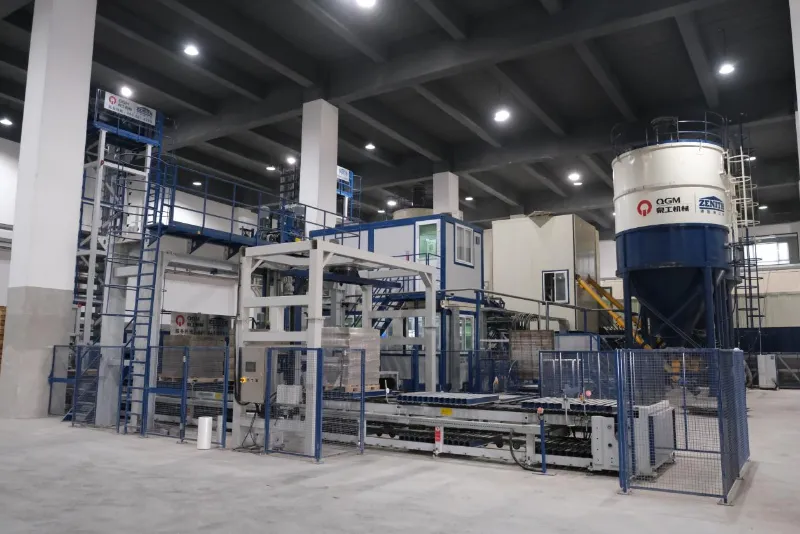
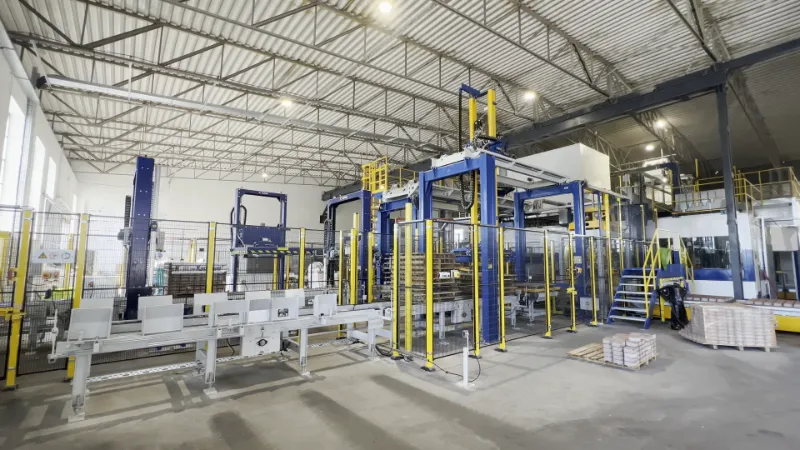
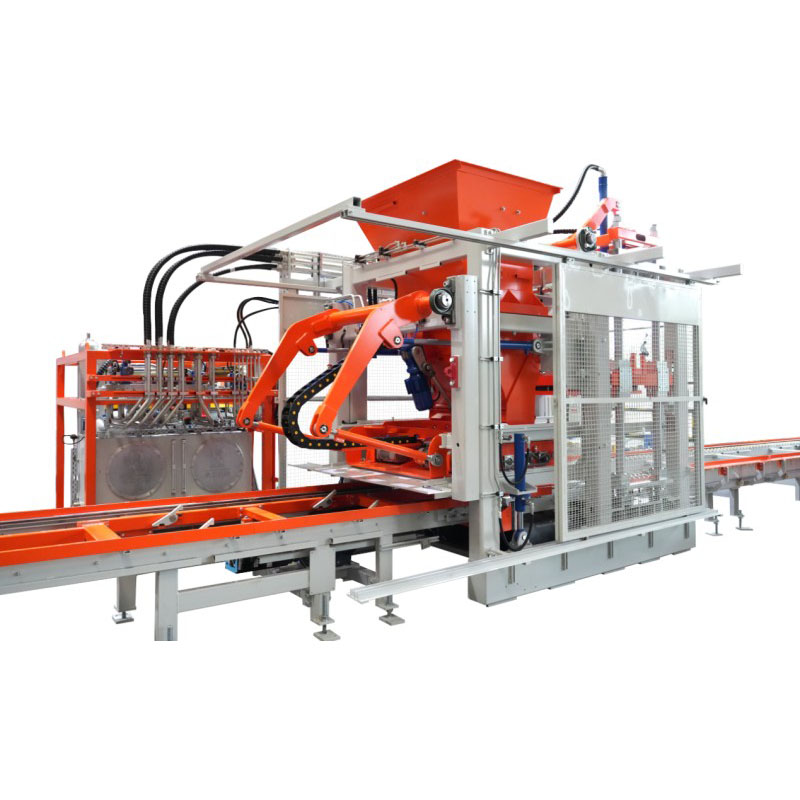
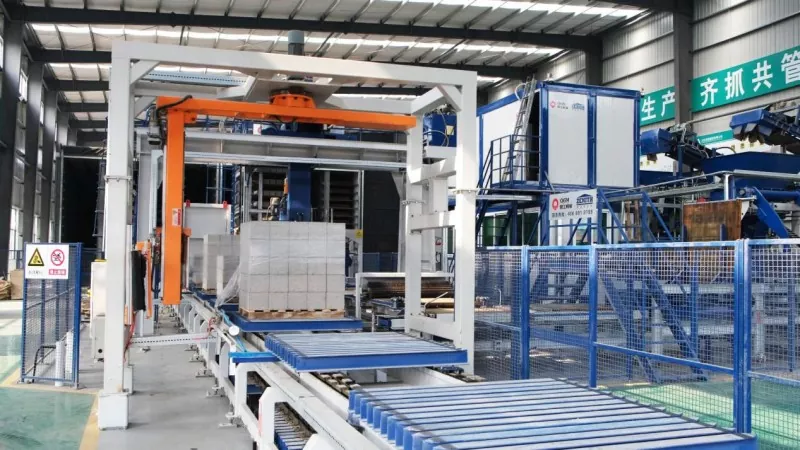
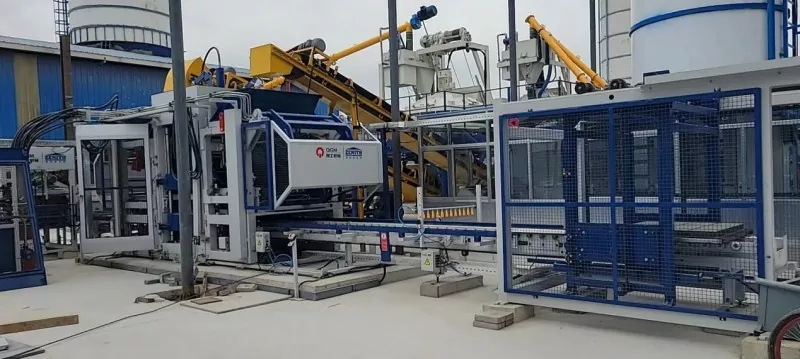
An automatic block making machine integrates multiple production stages into a coordinated process. Depending on the production line configuration, automated operations can cover:
•Raw material conveying and batching
•Concrete mixing and material distribution
•Automatic feeding into the molding machine
•Vibration and pressing
•Green product handling and transportation
•Automatic stacking and pallet handling
With PLC-based control and automated conveying systems, the production process can operate according to preset parameters and coordinated machine sequences.
This reduces interruptions caused by repetitive manual operations and helps manufacturers maintain a more consistent production rhythm.
Why does this matter to block manufacturers?
For businesses supplying large construction projects, municipal infrastructure, or commercial building markets, production schedules are important. Delays in block manufacturing can affect subsequent transportation and construction activities.
An automated concrete block production line helps manufacturers coordinate different production stages and organize output more efficiently.
The key advantage is not simply faster machine operation. It is the ability to coordinate the entire production workflow with less dependence on manual intervention.
2. Labor Requirements: Fewer Manual Operations and Better Workforce Allocation
Labor availability and operating costs are major concerns for concrete product manufacturers, particularly in markets where skilled industrial workers are becoming more expensive or difficult to recruit.
Traditional manual block making
Manual and semi-manual production methods require workers to participate in several repetitive tasks, including:
•Preparing and feeding raw materials
•Operating the molding equipment
•Moving freshly formed products
•Handling pallets and finished blocks
•Coordinating production activities
As production volume increases, manufacturers may need additional workers to maintain the required output. Repetitive material handling also increases physical workload and makes production management more complicated.
Automatic block making
An automatic concrete block making machine reduces the need for operators to perform repetitive production tasks by integrating automated material handling, molding, and product transportation.
Instead of assigning workers to every stage of production, manufacturers can allocate personnel to machine monitoring, quality checks, equipment inspection, and routine maintenance.
This creates several practical advantages:
•Reduced dependence on manual material handling
•Lower labor requirements for repetitive operations
•More organized production workflows
•Better allocation of workers across production stages
•Reduced exposure to physically demanding handling tasks
It is important to understand that automation does not mean a production line operates without people. Operators, maintenance technicians, and quality control personnel remain necessary.
However, the number and type of manual operations can be significantly reduced, depending on the level of automation and the production line configuration.
For buyers comparing equipment investment, labor requirements should be evaluated across the entire production line rather than looking only at the number of workers needed to operate the molding machine. Mixing, pallet circulation, stacking, and finished-product handling can all affect the final workforce arrangement.
3. Product Quality: More Consistent Molding and Better Process Control
Concrete block quality depends on several factors, including raw material proportions, aggregate moisture, material distribution, vibration, pressing, mold condition, and curing.
In manual or less automated production, differences in operator experience and operating procedures can lead to variations in material feeding and molding conditions.
For example, inconsistent material distribution may result in uneven mold filling, while unstable vibration and pressing parameters can affect product density and dimensional consistency.
Modern automatic block making machines address these challenges through controlled production parameters and coordinated molding systems.
More controlled material feeding
Automated batching and feeding systems help regulate the delivery of concrete mixtures into the mold.
Consistent material distribution supports more uniform mold filling and helps reduce variations caused by manual handling.
Adjustable vibration and pressing parameters
Vibration and pressing are essential stages in concrete product forming.
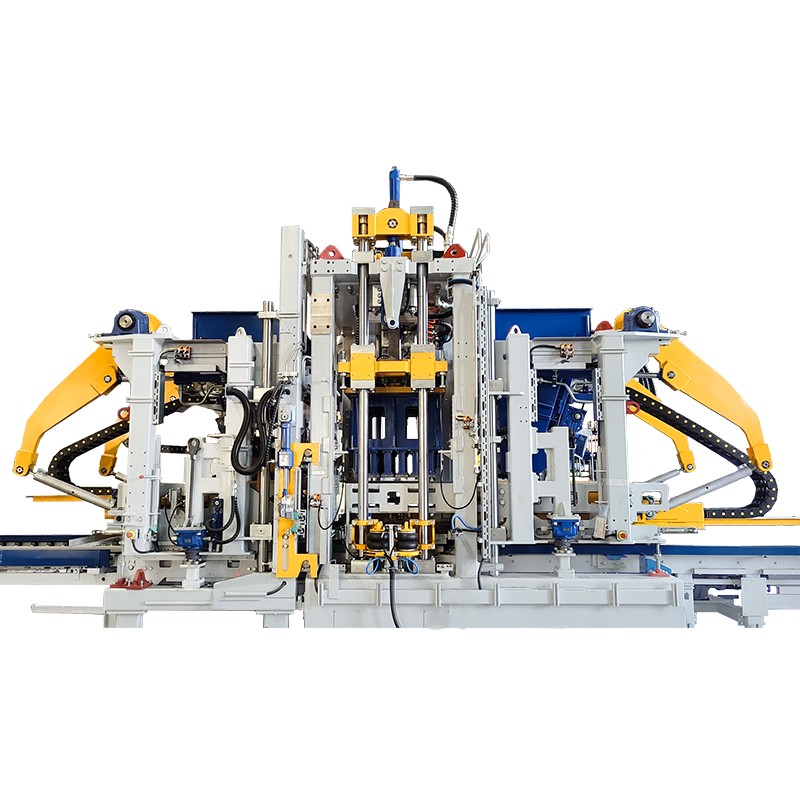
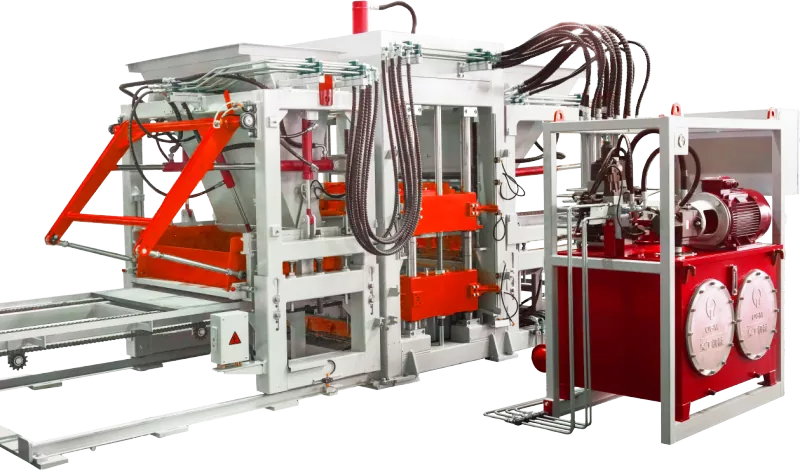
Advanced molding machines use controlled vibration systems and hydraulic technology to regulate the forming process. Depending on the machine configuration, operators can adjust relevant parameters to suit different product dimensions and concrete mix characteristics.
This is particularly important when switching between hollow blocks, solid blocks, paving blocks, and other concrete products.
More repeatable production conditions
PLC control allows production sequences and operating parameters to be managed systematically.
When raw materials, molds, and curing conditions are properly controlled, repeatable production settings help manufacturers maintain more consistent product quality between batches.
For buyers, this means that selecting an automatic concrete block making machine is not just about achieving higher output. It is also about establishing a more controllable manufacturing process.
4. Raw Material Utilization: Greater Flexibility for Recycled and Industrial Materials
Raw material availability and cost can have a direct impact on concrete block manufacturing profitability.
Traditional production methods may have limited material-handling capabilities, particularly when raw materials have different particle sizes, moisture levels, or flow characteristics.
Modern automatic block production systems can integrate batching, mixing, and feeding equipment to manage different material combinations more systematically.
Depending on the mix design, equipment configuration, and material properties, concrete block manufacturers may use:
•Cement and natural aggregates
•Fly ash
•Furnace slag
•Steel slag
•Coal gangue
•Construction and demolition waste
•Mine tailings
The use of industrial by-products and recycled materials can provide opportunities to reduce dependence on conventional raw materials and support resource recycling.
However, not every type of solid waste can be used directly. Material characteristics, chemical composition, particle size, moisture content, and mix design must be evaluated before production.
Why does automated material handling make a difference?
An integrated concrete block production line can coordinate batching, mixing, and material distribution, helping manufacturers manage different raw material combinations more consistently.
For producers working with recycled aggregates or industrial solid waste, this provides a more structured approach to material preparation and production control.
Before purchasing equipment, buyers should confirm whether the proposed batching and feeding configuration is suitable for their local raw materials. This is particularly important when aggregate quality and moisture content fluctuate between suppliers or seasons.
5. Product Flexibility: Supporting Different Concrete Product Requirements
Market demand rarely remains limited to one concrete product type.
A manufacturer may initially focus on hollow blocks for building construction but later want to expand into paving blocks, permeable pavers, kerbstones, or decorative concrete products.
Manual equipment may require considerable operator involvement when changing production specifications. Less flexible equipment configurations can also make product changeovers more complicated.
An automatic block and paver making machine can support different product types through compatible molds and corresponding production settings.
Depending on the machine model and configuration, manufacturers may produce:
•Hollow concrete blocks
•Solid concrete blocks
•Concrete paving blocks
•Interlocking pavers
•Permeable pavers
•Grass pavers
•Concrete kerbstones
•Decorative concrete products
Features such as automatic mold changing, adjustable vibration parameters, and flexible material feeding can make production changeovers more manageable.
For example, an automatic mold changing system can handle mold insertion, positioning, and removal, reducing the manual work involved in switching between product specifications.
Not every machine supports every product type. Buyers should check the maximum product height, available molding area, pallet dimensions, mold compatibility, and production capacity before making a decision.
6. Intelligent Control, Equipment Monitoring, and Maintenance
The difference between manual and automatic equipment also extends to daily production management.
Traditional manual equipment generally depends more heavily on operator experience and direct machine observation. Identifying abnormal operating conditions may require workers to inspect equipment and production processes manually.
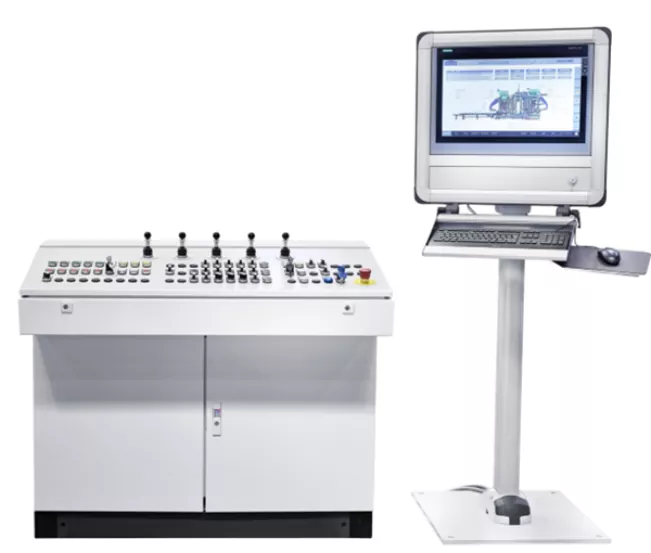
Modern automatic block making machines use PLC-based control systems to coordinate machine movements and manage production sequences.
Depending on the equipment configuration, intelligent control and monitoring functions may include:
•Machine operating status monitoring
•Production cycle and performance data
•Operating parameter management
•Fault information and equipment alarms
•Remote technical support through connected service platforms
These functions help manufacturers understand machine operation and organize equipment maintenance more systematically.
However, automation does not eliminate maintenance requirements. Hydraulic components, vibration systems, molds, conveyors, and other mechanical parts still require regular inspection and servicing.
When comparing suppliers, buyers should also ask about spare parts availability, technical documentation, operator training, installation, commissioning, and after-sales support. These factors influence how effectively an automatic production line can be operated over time.
7. How to Choose Between a Manual and an Automatic Block Making Machine
An automatic machine is not necessarily the right investment for every manufacturer. The decision depends on production targets, investment capacity, product requirements, labor conditions, and future business plans.
The following comparison provides a practical starting point:
Evaluation Factor
Manual or Semi-Automatic Equipment
Fully Automatic Equipment
Production process
More operator involvement
Coordinated automated operations
Labor requirements
Generally higher
Generally lower, depending on configuration
Production continuity
More dependent on manual coordination
Better suited to continuous production
Process control
More dependent on operator experience
PLC-based control and adjustable parameters
Product consistency
Can vary with operating conditions
More repeatable under controlled conditions
Product changeover
May require more manual work
Can include automatic mold changing
Initial investment
Generally lower
Generally higher
Production capacity
Suitable for smaller-scale requirements
Suitable for higher-volume production planning
Maintenance
Requires routine mechanical inspection
Requires routine maintenance and technical support
Five factors to evaluate before purchasing
1)Expected production volume
Calculate your daily and annual demand for qualified concrete products. Avoid selecting equipment based only on its maximum theoretical output.
2) Product specifications
Identify the types, dimensions, and height ranges of the products you plan to manufacture. Check whether the machine supports the required molds and configurations.
3) Labor availability and costs
Evaluate the number of workers needed for the complete production process, including mixing, molding, handling, stacking, and maintenance.
4) Raw material conditions
Check the availability and characteristics of local aggregates, recycled materials, and industrial by-products. Make sure the batching and feeding systems can accommodate the intended mix design.
5) Installation and after-sales support
Confirm the supplier's scope of installation, commissioning, training, spare parts supply, and technical support. A suitable machine configuration needs to be matched with an appropriate production line layout.
A useful way to compare investment options is to calculate the expected production cost per qualified block, including raw materials, labor, electricity, maintenance, depreciation, and other operating expenses. This provides a more realistic basis for evaluating the financial impact of automation.
8. QGM Automatic Block Making Machines: Integrated Solutions for Global Manufacturers
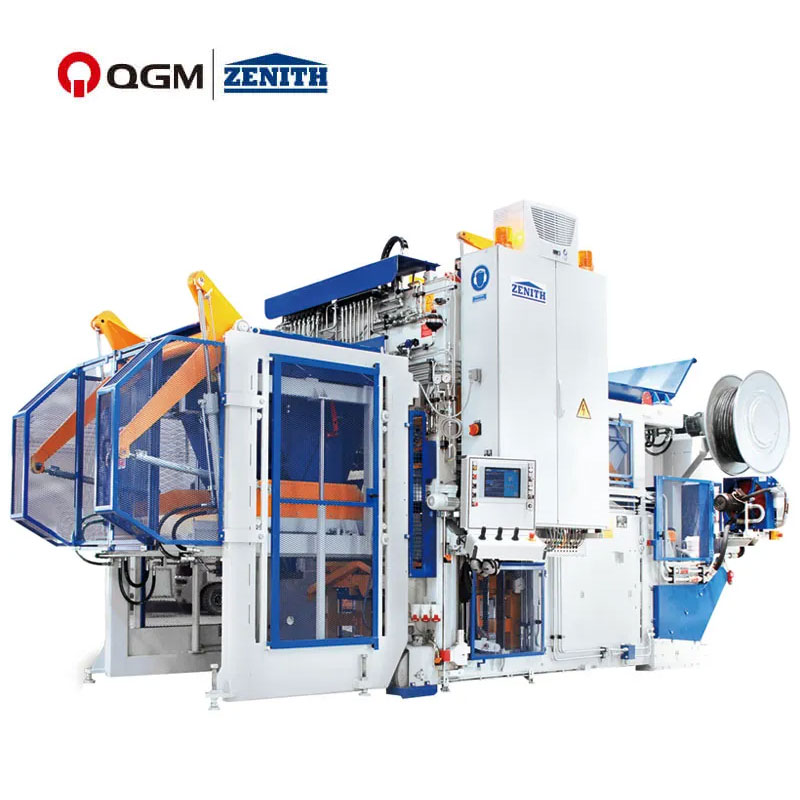
With more than 40 years of experience in block machinery manufacturing, QGM provides automatic block making machines and integrated concrete block production solutions for manufacturers in different markets.
In 2014, QGM acquired Germany-based Zenith, a company with more than 60 years of experience in block machinery manufacturing, and established a technology research and development center in Germany.
Today, QGM's product portfolio includes different machine series designed to meet varying production requirements.
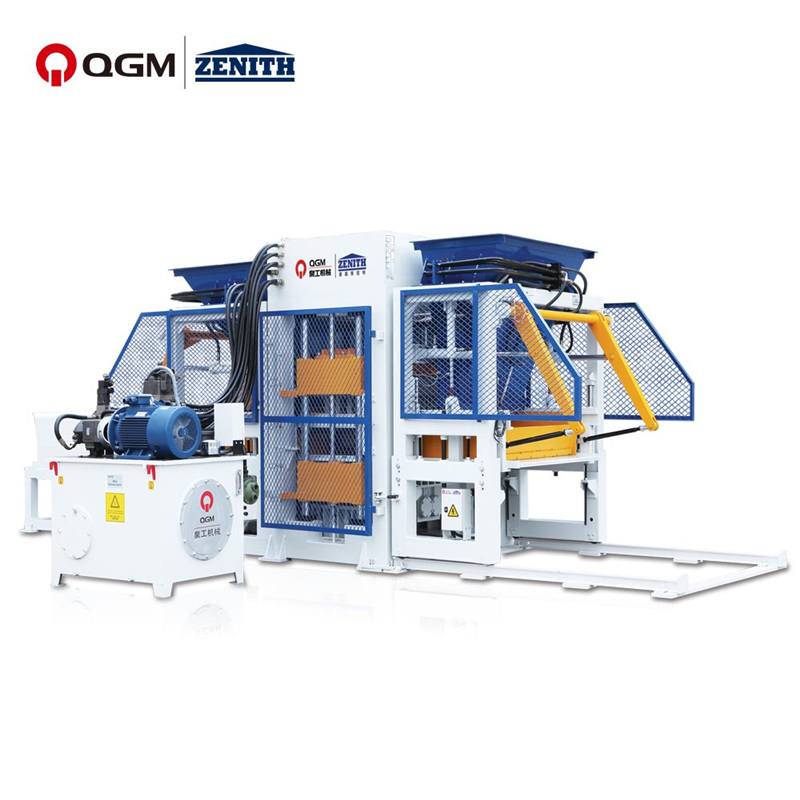
The ZN Series focuses on automated concrete block production, while the T Series provides solutions for manufacturers seeking flexible production of different concrete products. Equipment selection and configuration depend on product specifications, production targets, and project requirements.
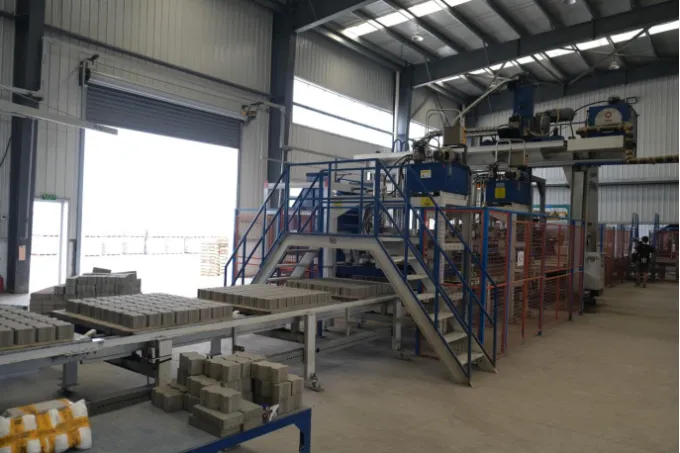
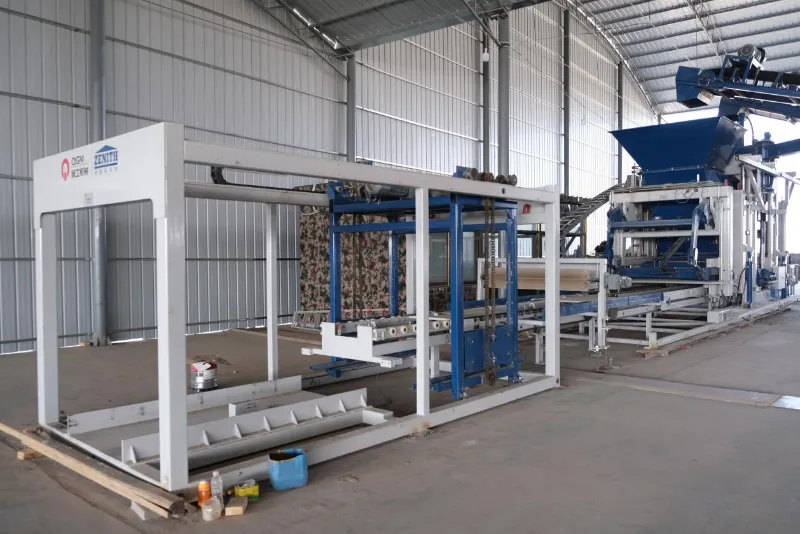
Beyond the molding machine itself, an integrated production solution can involve batching and mixing systems, pallet handling, conveying equipment, automatic stacking, and packaging systems.
Overseas Applications and Long-Term Customer Cooperation
Equipment performance is best understood through actual manufacturing applications and long-term customer relationships.
In Poland, QGM has maintained a business relationship with ZPB Kaczmarek since 1991. The customer's subsequent upgrade to a Zenith 870 reflects the role of equipment renewal in supporting the development of an established concrete product manufacturing business.
QGM has also maintained long-term cooperation with concrete product manufacturers in Germany. One established German customer that had previously purchased a production line returned to purchase an additional line, demonstrating continued cooperation between the companies.
These examples illustrate two important considerations for equipment buyers: the ability to establish long-term supplier relationships and the flexibility to upgrade production capacity as business requirements change.
Find the Right Automatic Block Making Solution for Your Production Needs
Choosing between manual and automatic block making equipment ultimately depends on the scale of your business, your target products, local operating conditions, and future production plans.
For manufacturers seeking higher output, reduced dependence on manual labor, and more consistent product quality, an automatic block making machine can provide a practical route toward production modernization.
QGM offers a range of block making machines and integrated production solutions. Contact the QGM team to discuss your product requirements, raw materials, production targets, and factory layout, and identify a suitable equipment configuration for your project.
Frequently Asked Questions About Automatic and Manual Block Making Machines
1. What is the main difference between an automatic and a manual block making machine?
The main difference is the level of automation. Manual machines rely more heavily on workers for material handling, machine operation, and product transportation. Automatic machines integrate processes such as batching, feeding, molding, and stacking, reducing manual intervention and improving production coordination.
2. Does an automatic block making machine require fewer workers?
Generally, yes. An automatic block making machine reduces the need for workers to perform repetitive tasks such as material feeding, product handling, and pallet transportation. However, operators, maintenance personnel, and quality control staff are still required. Actual labor requirements depend on the production line configuration.
3. Can an automatic concrete block making machine produce different types of blocks?
Yes. Depending on the machine model, mold configuration, and production settings, an automatic concrete block making machine can produce hollow blocks, solid blocks, paving blocks, interlocking pavers, permeable pavers, and kerbstones.
4. Can automatic block making machines use recycled materials and industrial solid waste?
Many automatic block production systems can process suitable recycled materials and industrial by-products, including fly ash, steel slag, furnace slag, coal gangue, and construction waste. However, material suitability depends on its physical and chemical properties, mix design, and the capabilities of the batching and feeding systems.
5. Is investing in a fully automatic block making machine worthwhile for a small manufacturer?
It depends on production demand, labor costs, available investment, and future expansion plans. Small manufacturers with limited production requirements may find manual or semi-automatic equipment more suitable initially. Businesses planning to increase output, reduce manual operations, or expand their product range may benefit from evaluating a fully automatic production line. A cost comparison should include equipment investment and ongoing operating expenses.
Wir verwenden Cookies und ähnliche Technologien, um die Funktionalität unserer Website sicherzustellen und –
mit Ihrer Einwilligung – die Nutzung unserer Website zu analysieren, Inhalte zu personalisieren und Ihnen
relevante Angebote zu zeigen.
Sie können selbst entscheiden, welche Cookies Sie zulassen möchten. Notwendige Cookies sind für den Betrieb
der Website erforderlich. Weitere Cookies werden nur mit Ihrer Einwilligung verwendet.
Weitere Informationen zur Verarbeitung Ihrer personenbezogenen Daten finden Sie in unserer Datenschutzerklärung.
Datenschutzhinweise für Kontakt- und Anfrageformulare
Mit dem Absenden dieses Formulars werden Ihre Angaben zur Bearbeitung Ihrer Anfrage und für mögliche
Rückfragen verarbeitet. Weitere Informationen zur Verarbeitung Ihrer personenbezogenen Daten finden Sie
in unserer Datenschutzerklärung.
Die Angabe Ihrer E-Mail-Adresse ist für die Bearbeitung einer Anfrage erforderlich. Weitere Angaben sind
grundsätzlich freiwillig, soweit sie nicht im Einzelfall benötigt werden. Erforderliche
Einwilligungs-Checkboxen sind nicht vorausgewählt.
Datenschutzerklärung
Entwurf zur Prüfung und Abstimmung. Angaben in eckigen Klammern müssen ergänzt oder
überprüft werden.
1. Verantwortlicher
Verantwortlicher ist Zenith Maschinenfabrik GmbH. Anschrift, Telefon und offizielle
Kontakt-E-Mail-Adresse werden vor Veröffentlichung ergänzt.
2. Allgemeine Hinweise
Wir verarbeiten personenbezogene Daten vertraulich und entsprechend der DSGVO. Diese Erklärung informiert
über erhobene Daten, Zwecke, Rechtsgrundlagen und Ihre Rechte.
3. Kontaktaufnahme und Anfrageformulare
Wir verarbeiten Ihre Angaben zur Bearbeitung und Beantwortung Ihrer Anfrage. Die E-Mail-Adresse ist
erforderlich; weitere Angaben sind grundsätzlich freiwillig.
4. Cookies und Einwilligungsmanagement
Wir unterscheiden notwendige, funktionale, Analyse- und Marketing-Cookies. Nicht notwendige Technologien
werden nur nach Einwilligung eingesetzt, soweit dies gesetzlich erforderlich ist. Ihre Auswahl können
Sie jederzeit über „Cookie-Einstellungen“ ändern.
5. Analyse, Marketing und externe Dienste
Analyse- und Marketingdienste, Google Maps, YouTube sowie externe Links werden nur in dem Umfang
beschrieben, in dem sie tatsächlich auf ZENITH.DE eingesetzt werden. Anbieter, Speicherdauern und
Drittlandübermittlungen sind vor Veröffentlichung zu prüfen.
6. Ihre Rechte
Sie haben insbesondere Rechte auf Auskunft, Berichtigung, Löschung, Einschränkung, Datenübertragbarkeit,
Widerspruch und Widerruf einer Einwilligung. Außerdem besteht ein Beschwerderecht bei einer
Datenschutzaufsichtsbehörde.
7. Aktualität
Die jeweils aktuelle Fassung wird auf unserer Website veröffentlicht. Letzte Aktualisierung: [Datum nach
Freigabe ergänzen].
Cookie-Einstellungen
Wir verwenden Cookies und ähnliche Technologien, um die grundlegende Funktionalität unserer Website
sicherzustellen und – mit Ihrer Einwilligung – die Nutzung unserer Website zu analysieren, Inhalte zu
personalisieren und unsere Online-Angebote zu verbessern.
Sie können selbst entscheiden, welche Cookies Sie zulassen möchten. Notwendige Cookies sind für den
Betrieb der Website erforderlich. Alle anderen Cookies werden nur mit Ihrer Einwilligung verwendet,
soweit dies gesetzlich erforderlich ist.
We use cookies to offer you a better browsing experience, analyze site traffic and personalize content. By using this site, you agree to our use of cookies. Privacy Policy



 After-Sales Support
 Inquiry