For many small concrete block producers across the U.S., increasing output doesn't necessarily mean purchasing a larger machine or investing in a fully automated production line. More often, productivity losses come from inefficient workflows, inconsistent operating practices, avoidable downtime, and equipment that isn't being utilized to its full potential.
The good news is that substantial efficiency gains can often be achieved using existing resources. By focusing on process control, equipment performance, and workforce management, small block factories can improve production capacity, reduce operating costs, and increase profitability without major capital investment.
Before looking at solutions, it's important to understand where efficiency is typically lost.
|
Common Productivity Drains |
||
|
Production Area |
Typical Issue |
Impact on Output |
|
Material Preparation |
Inconsistent batching and moisture levels |
Variable block quality and rework |
|
Machine Operation |
Different operating habits between shifts |
Unstable cycle times |
|
Hydraulic Performance |
Pressure fluctuations |
Interrupted production flow |
|
Workflow Layout |
Material handling delays |
Excessive machine idle time |
|
Operator Skills |
Lack of training |
Reduced machine utilization |
|
Mold Condition |
Wear and misalignment |
Increased reject rates |
Even small inefficiencies in multiple areas can significantly reduce daily production volume.
One of the biggest challenges in small factories is inconsistency between operators. Different feeding methods, vibration settings, and machine adjustments often result in unpredictable production performance.
A documented operating procedure helps ensure every shift follows the same production standards.
✅️More predictable cycle times
✅️Fewer operator errors
✅️Consistent block quality
✅️Improved equipment utilization
Standardized Procedures
↓
Consistent Machine Settings
↓
Stable Production Cycles
↓
Lower Defect Rates
↓
Higher Effective Output
Many factories discover that improving consistency delivers greater productivity gains than simply trying to run machines faster.
A common mistake is reducing cycle times too aggressively in an attempt to increase production.
While faster cycles may appear productive on paper, they often create:
●Poor compaction
●Lower block strength
●Increased defects
●More rejected products
The real metric that matters is saleable blocks per day—not theoretical machine capacity.
Instead of asking:"How fast can the machine run?"
Ask:"What cycle speed delivers the highest percentage of acceptable blocks?"
The most profitable operating point is usually where speed and quality are balanced.
Compaction quality directly affects both production speed and finished product strength.
When vibration efficiency is poor, machines often require longer forming cycles to achieve acceptable density.
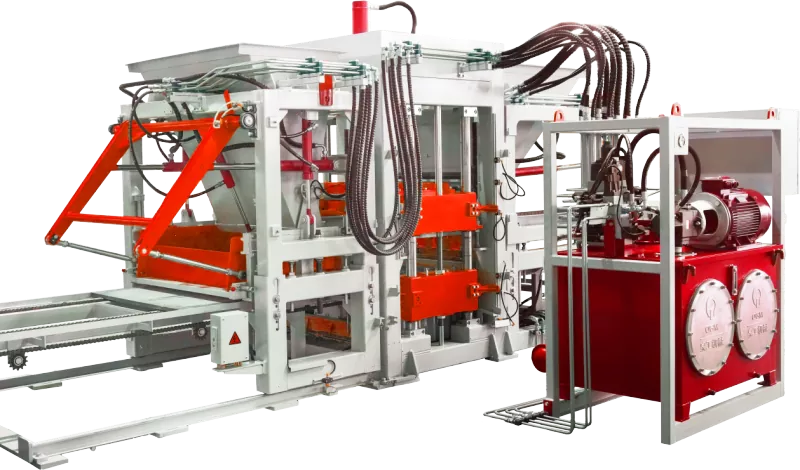
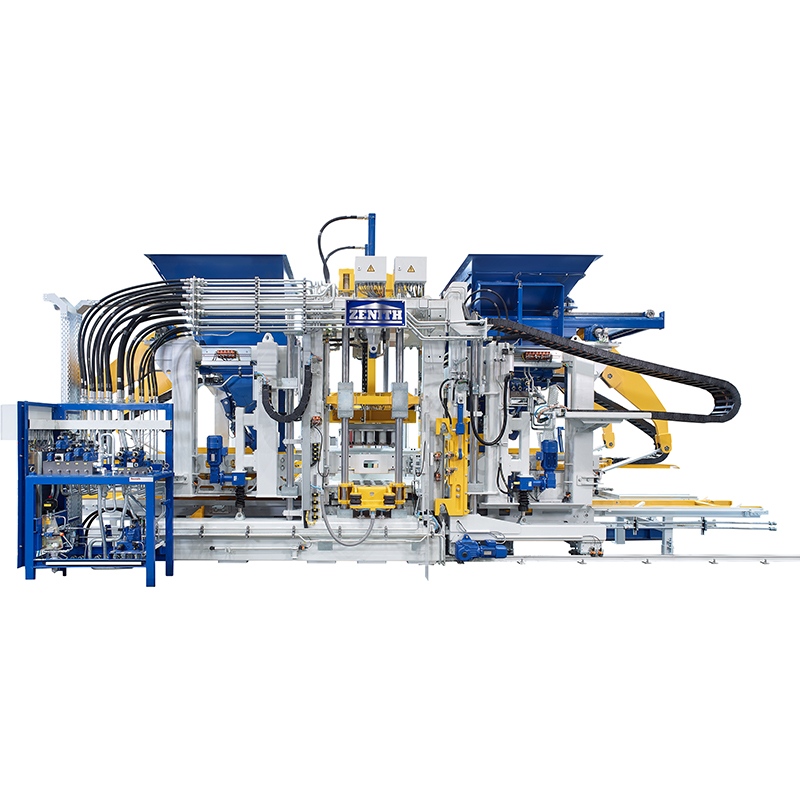
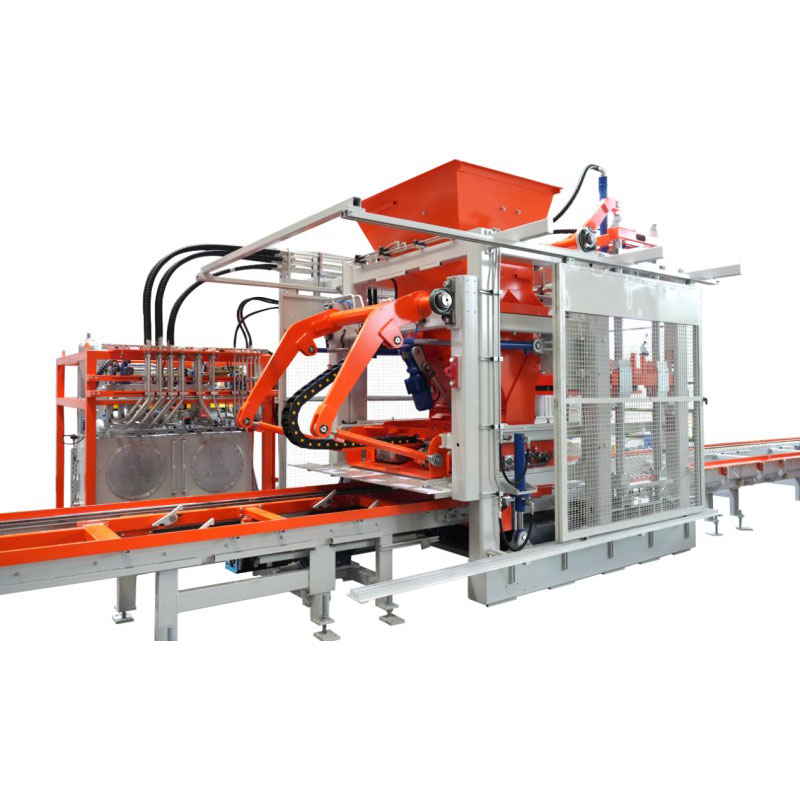
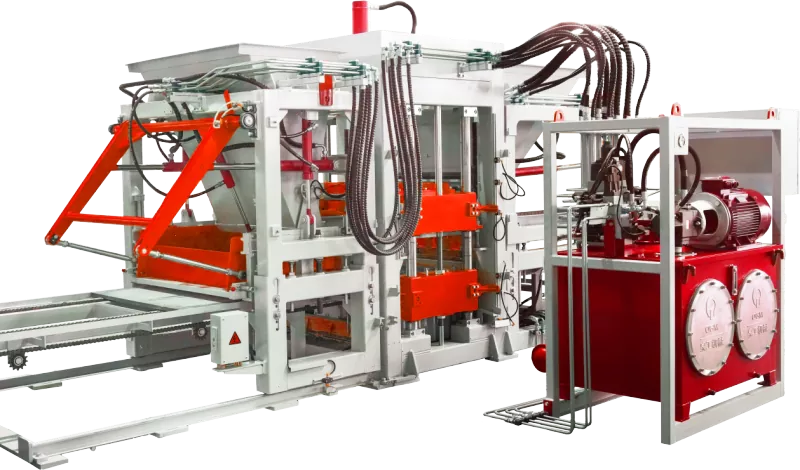
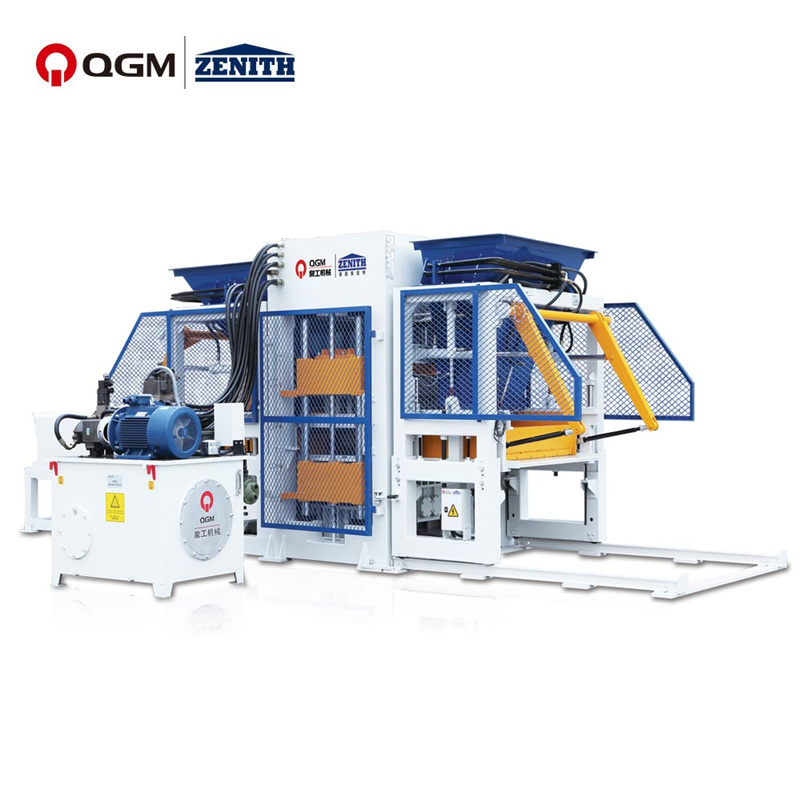
QGM utilizes advanced vibration technology featuring a four-shaft vibration system with externally mounted eccentric blocks. This design minimizes internal resistance, improves energy transfer efficiency, and helps achieve more uniform compaction throughout the mold cavity.
|
Advantages of Optimized Vibration |
|
|
Improvement |
Production Benefit |
|
Faster density formation |
Shorter production cycles |
|
Uniform compaction |
Better block consistency |
|
Improved energy transfer |
Lower operating losses |
|
Reduced cement demand |
Lower production costs |
|
Stable vibration performance |
Fewer interruptions |
Efficient compaction helps manufacturers produce stronger blocks while maintaining higher production rates.
Hydraulic systems control many critical machine functions, including:
●Mold movement
●Material feeding
●Pressing operations
●Product discharge
When hydraulic pressure becomes unstable, the entire production cycle can be affected.
QGM integrates high-precision hydraulic solutions featuring premium proportional and directional control valves paired with durable hydraulic pumps to ensure smooth operation under continuous production conditions.
|
Preventive Hydraulic Maintenance Checklist |
|
|
Task |
Recommended Frequency |
|
Check oil levels |
Daily |
|
Inspect for leaks |
Daily |
|
Monitor pressure stability |
Weekly |
|
Replace hydraulic filters |
Scheduled intervals |
|
Inspect valves and pumps |
Monthly |
Preventive maintenance is typically far less expensive than unplanned downtime.
Many small factories still depend heavily on manual machine adjustments.
While experienced operators are valuable, excessive reliance on manual intervention often creates production variability.
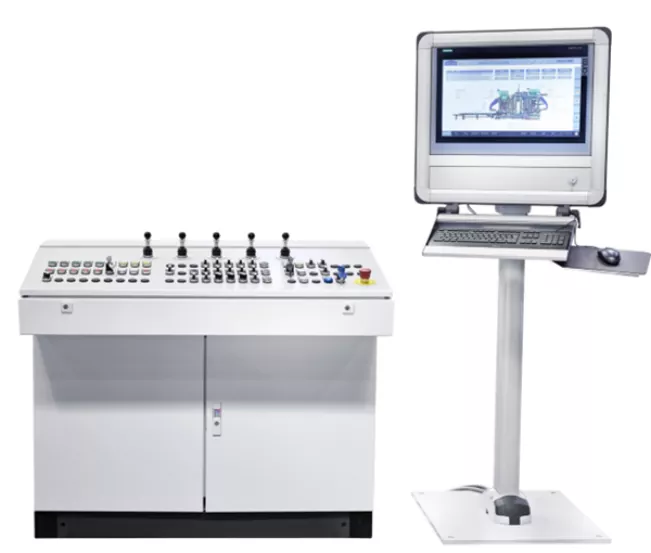
QGM integrates advanced PLC-based control systems with user-friendly touchscreens and remote monitoring capabilities.
●Real-time machine monitoring
●Consistent parameter management
●Faster troubleshooting
●Reduced setup variation
●Improved repeatability between shifts
Machine Data Collection
↓
Real-Time Monitoring
↓
Automatic Parameter Control
↓
Stable Production Operation
↓
Consistent Block Quality
Automation doesn't replace operators—it helps them make better decisions faster.
Molds are among the most critical production assets in any block plant.
●Dimensional inaccuracies
●Surface defects
●Difficult demolding
●Increased scrap rates
QGM manufactures precision-engineered molds compatible with many globally recognized machine platforms. Each mold undergoes specialized heat treatment to improve wear resistance and extend service life.
✅️Check alignment regularly
✅️Inspect wear surfaces
✅️Replace damaged components promptly
✅️Maintain proper cleaning procedures
A well-maintained mold often delivers a better return on investment than upgrading other machine components.
Many small factories lose productivity not because machines are slow, but because machines spend too much time waiting.
●Delayed raw material delivery
●Poor pallet organization
●Inefficient plant layout
●Slow product handling
●Lack of production scheduling
Less Waiting Time
+
Better Material Flow
+
Improved Coordination
=
Higher Daily Production
Reducing downtime often generates larger productivity improvements than increasing machine speed.
Even highly automated equipment performs best when operated by trained personnel.
Well-trained operators can:
●Identify issues earlier
●Adjust parameters correctly
●Reduce production losses
●Improve equipment lifespan
●Maintain stable production quality
|
Areas Worth Training |
|
|
Skill Area |
Productivity Impact |
|
Material control |
High |
|
Machine setup |
High |
|
Troubleshooting |
High |
|
Maintenance awareness |
Medium |
|
Quality inspection |
Medium |
Operator knowledge remains one of the most cost-effective investments available to small manufacturers.
Small block factories don't need to compete with large manufacturers by simply producing more volume. Their advantage comes from maximizing the performance of every machine, every operator, and every production cycle.
By combining standardized procedures, efficient vibration technology, reliable hydraulics, intelligent controls, quality molds, and disciplined workflow management, manufacturers can significantly improve productivity without major capital expenditures.
QGM supports this approach through integrated solutions designed to help producers achieve higher output, greater consistency, and stronger long-term profitability.
The most successful plants are rarely the largest—they are the ones that operate with the highest level of control, efficiency, and consistency.
Yes. Many manufacturers achieve substantial gains through process optimization, preventive maintenance, improved material control, and better operator training.
Machine idle time, inconsistent operating procedures, poor material management, and inadequate maintenance are among the most common causes.
No. Excessively short cycle times often increase defect rates and reduce the number of saleable blocks produced.
Absolutely. PLC controls and monitoring systems help reduce human error and improve consistency regardless of plant size.
Start by reducing downtime, standardizing procedures, and optimizing material flow. These areas typically deliver the quickest and most measurable improvements.