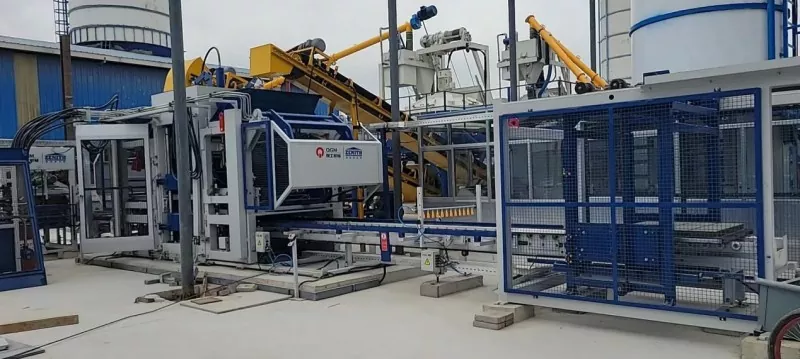
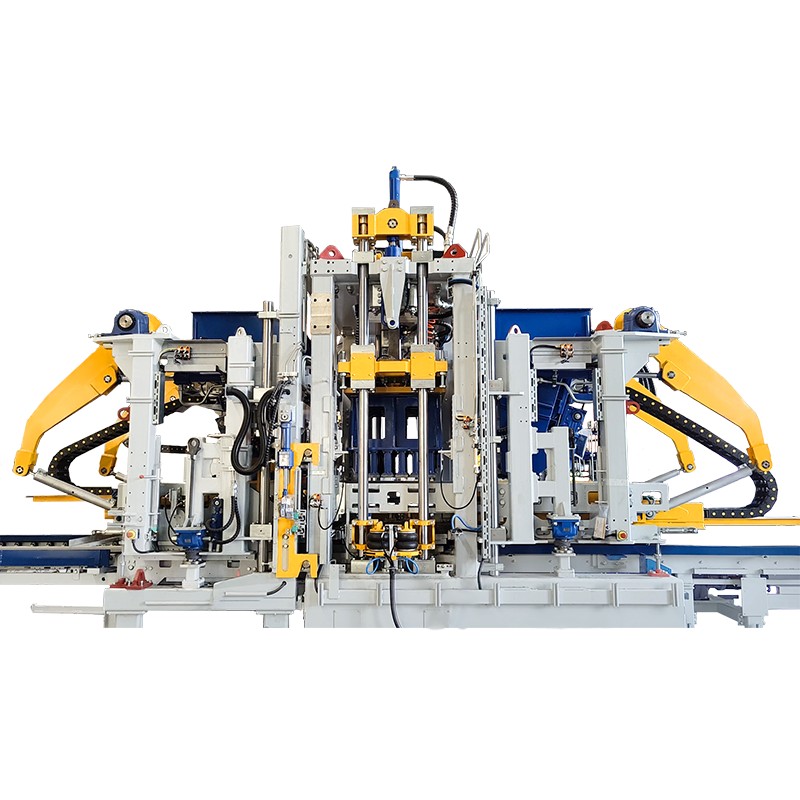
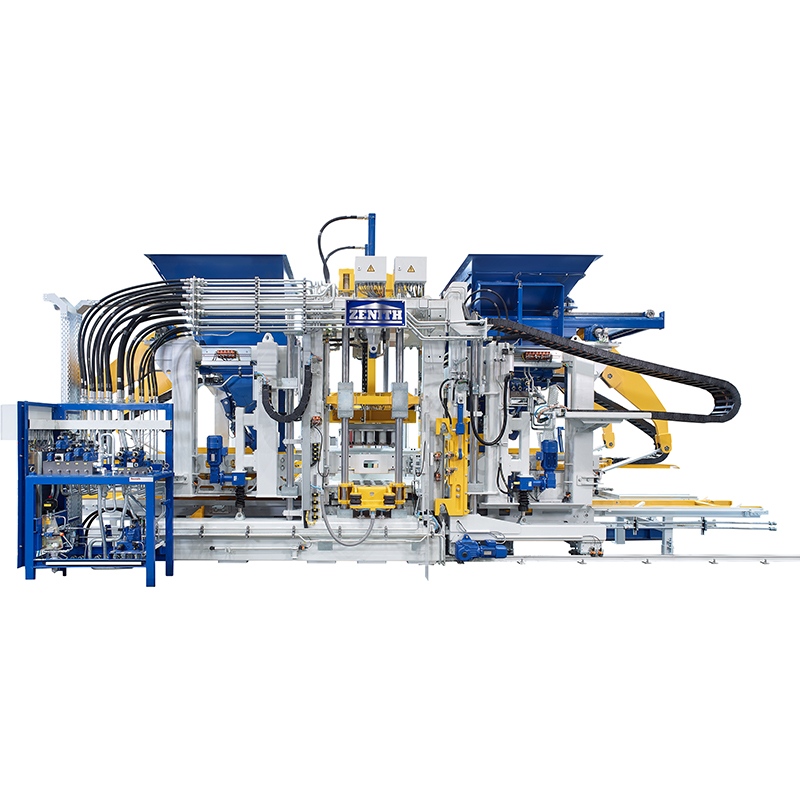
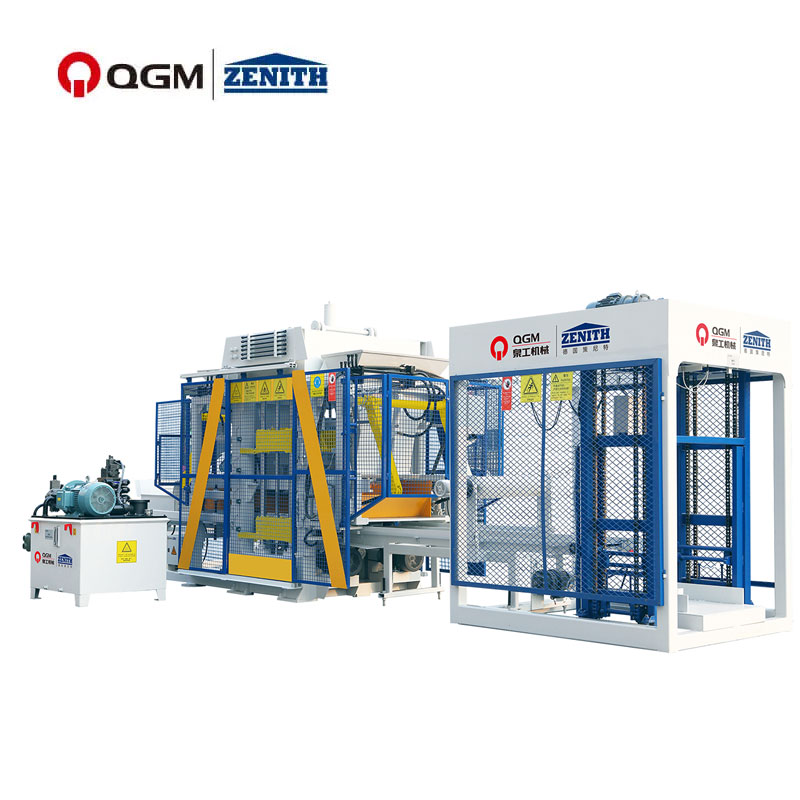
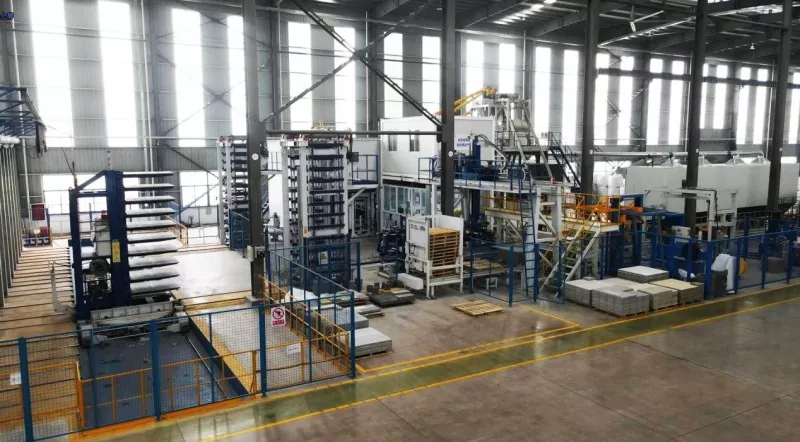
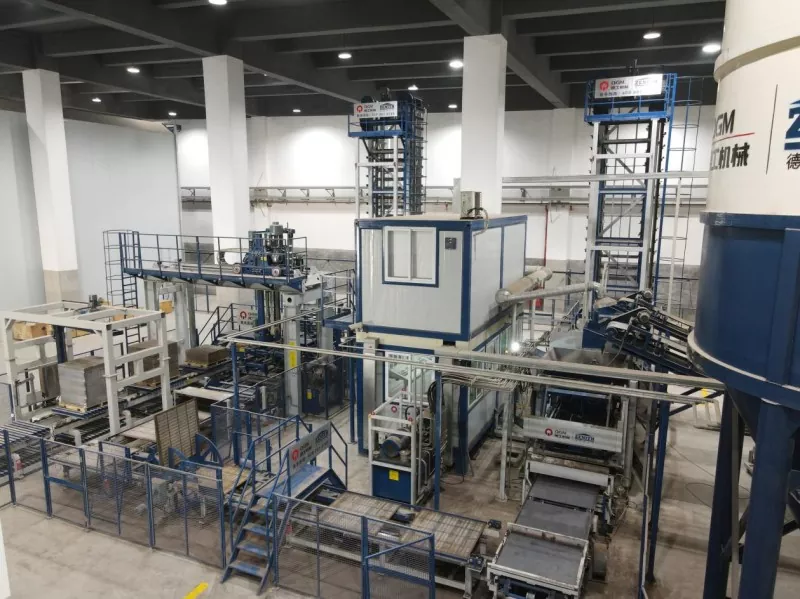
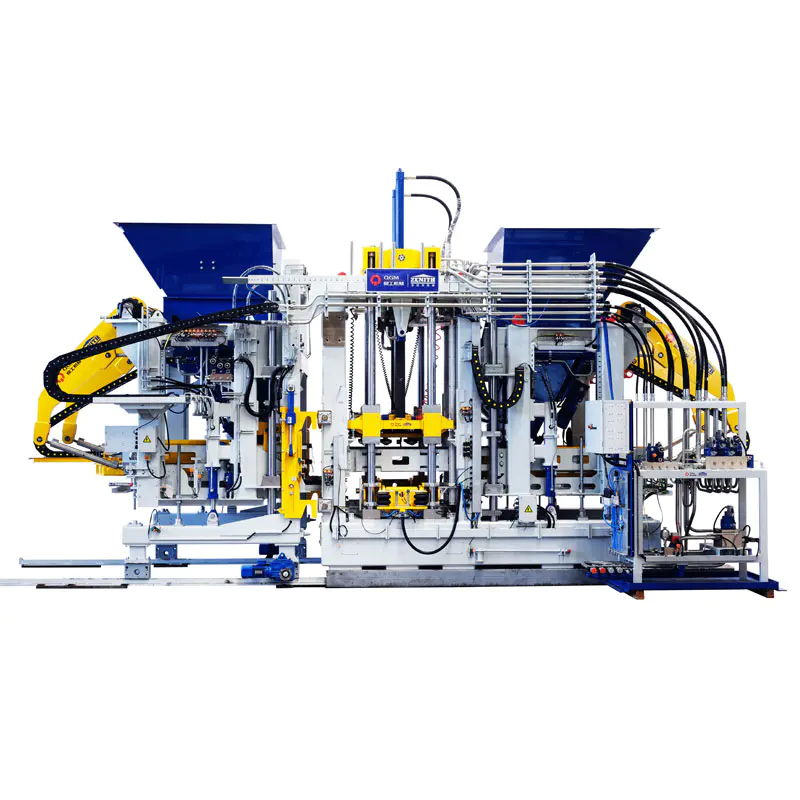
In the concrete products industry, molds are far more than replaceable wear parts—they are critical precision-engineered components that directly influence block dimensions, surface appearance, and overall product strength. Whether operating a standard block machine,or a high-capacity paving block making machine, mold condition has a direct impact on production efficiency and finished product quality.
Many manufacturers ask a simple question: How often should molds be replaced? The answer, however, is rarely based on a fixed schedule. Mold service life depends on multiple factors, including steel quality, production volume, raw material abrasiveness, machine settings, and daily maintenance practices.
Rather than measuring mold lifespan solely in months or years, successful producers evaluate molds based on performance indicators such as dimensional accuracy, wear levels, demolding quality, and production consistency. A mold that appears serviceable may already be causing hidden losses through increased rejection rates, uneven block geometry, or unnecessary machine downtime.
QGM emphasizes a preventive approach to mold management, helping manufacturers identify wear-related issues before they affect production. By understanding the relationship between mold condition, machine performance, and product quality, plants can make informed replacement decisions that maximize productivity while minimizing operating costs.
Ultimately, replacing a mold is not simply a maintenance task—it is a strategic investment in product consistency, operational efficiency, and long-term profitability. Knowing when to retire a worn mold can often save far more than the cost of the replacement itself.
One of the biggest misconceptions in block manufacturing is the belief that molds should be replaced after a predetermined number of production cycles. In reality, mold longevity varies considerably from one plant to another.
Although many molds are designed to operate for tens of thousands of cycles, actual lifespan is influenced by multiple production variables, including:
●Aggregate hardness and abrasiveness
●Vibration frequency and compaction intensity
●Daily maintenance practices
●Operator handling and setup accuracy
●Production volume and shift schedules
For example, a mold used on a high-output concrete paving block machine processing abrasive aggregates may wear significantly faster than the same mold operating under lighter conditions.
Key Insight: Mold performance should be evaluated based on wear patterns and product quality, not solely on cycle counts.
Instead of waiting for a complete failure, manufacturers should monitor several early indicators that suggest mold replacement or refurbishment is becoming necessary.
If blocks begin showing inconsistent lengths, widths, heights, or alignment issues, cavity wear may already be affecting forming precision.
Excessive roughness, damaged corners, sticking during demolding, or irregular textures often indicate wear inside the mold cavity.
As mold surfaces wear, compaction efficiency may decline. Many operators unknowingly compensate by increasing cement content, which raises production costs without addressing the root problem.
When operators continuously modify vibration settings, pressure levels, or cycle parameters to maintain acceptable block quality, the mold may no longer be delivering consistent forming conditions.
Industry Observation: Quality fluctuations typically appear long before mold damage becomes visually obvious.
The foundation of mold durability begins with metallurgy.
QGM manufactures molds compatible with globally recognized equipment platforms, including MASA, HESS, ZENITH, POYATOS, BESSER, TIGER, and other leading systems. Each mold is engineered according to OEM specifications and undergoes specialized thermal treatment to improve hardness, wear resistance, and operational lifespan.
The result is:
●Improved dimensional stability
●Reduced abrasion
●Cleaner block release
●Longer maintenance intervals
For manufacturers operating a cement paving block making machine, durable mold construction can significantly reduce replacement frequency and operating costs.
Uneven vibration creates localized stress concentrations that accelerate mold wear.
QGM utilizes an advanced Zenith Ultra Dynamic Vibration System. The advanced vibration design enhances energy transfer efficiency, ensures balanced material densification, and reduces unnecessary strain on molds, helping extend their service life.
Benefits include:
●More uniform block density
●Lower mold fatigue
●Reduced cement consumption
●Improved overall production efficiency
This advantage is particularly valuable in high-volume paver block machine operations where molds are subjected to continuous production cycles.
Inconsistent forming pressure can place excessive load on specific mold sections, accelerating wear and creating dimensional inconsistencies.
QGM hydraulic systems combine precision-controlled Japanese proportional and directional valves with high-performance American hydraulic pumps to ensure:
●Smooth pressure regulation
●Consistent mold loading
●Reduced mechanical shock
●Reliable long-term operation
Maintaining stable hydraulic performance helps extend mold life while preserving product quality.
Mold wear is not only a mechanical issue—it is also influenced by process stability.
QGM integrates advanced SIEMENS PLC control technology with touchscreen operation and remote monitoring capabilities. Accurate control of vibration, pressure, and cycle timing minimizes unnecessary stress caused by production fluctuations.
Advantages include:
●Consistent machine cycles
●Reduced operator-induced variation
●Lower mechanical fatigue
●Extended mold service life
For facilities operating a cement paving block machine or large-scale block production line, intelligent process control plays a crucial role in protecting tooling investments.
Many manufacturers focus on machine performance while overlooking the condition of the mold itself. However, molds directly influence:
✓ Block dimensions
✓ Surface appearance
✓ Production efficiency
✓ Material consumption
✓ Downtime frequency
✓ Customer satisfaction
Replacing or refurbishing molds at the appropriate time prevents quality issues from escalating into costly production losses.
Ultimately, successful manufacturers do not wait for molds to fail. They monitor performance indicators, maintain stable operating conditions, and treat molds as strategic production assets rather than consumable accessories.
Although every mold eventually reaches the end of its usable life, proper production management can dramatically slow wear and preserve forming accuracy for a longer period.
Several operational factors have a direct impact on mold durability:
●Maintain a consistent moisture level in the concrete mix to reduce abrasive friction during compaction.
●Avoid excessive vibration settings that place unnecessary stress on mold structures and welded components.
●Remove residual concrete and debris after each production run.
●Use suitable mold release products to reduce sticking and minimize surface wear.
●Keep material distribution uniform by ensuring the feeder system operates smoothly and accurately.
For manufacturers operating a concrete paving block making machine, consistent material flow is especially important because uneven feeding can create localized wear inside mold cavities and shorten service life.
Many modern production plants utilize servo-controlled hydraulic feeding systems to achieve precise material placement. This helps minimize mechanical stress, improve block consistency, and reduce long-term tooling costs.
By implementing these preventive measures, producers can not only extend mold longevity but also improve machine uptime, product quality, and overall manufacturing efficiency.
A common mistake in block manufacturing is waiting until mold wear becomes obvious before taking corrective action. Unfortunately, by the time visible defects appear, productivity losses and quality issues have often been accumulating for weeks or months.
A proactive replacement strategy delivers far better results.
Instead of reacting to failures, successful manufacturers continuously evaluate mold performance through:
●Production cycle tracking
●Scheduled mold inspections
●Product dimension monitoring
●Surface quality assessments
●Historical maintenance records
Facilities running a high-output paving block making machine often rely on predictive maintenance programs to identify wear patterns before they affect production.
Benefits of a predictive replacement strategy include:
●Reduced unplanned downtime
●More consistent product dimensions
●Lower reject rates
●Better production scheduling
●Improved cost control
Replacing molds before critical wear occurs helps maintain production stability while avoiding the hidden expenses associated with defective products and emergency repairs.
Mold deterioration is a gradual process, but its impact on production performance can be immediate. Even slight dimensional changes can influence block strength, appearance, and customer acceptance.
At QGM, mold engineering is viewed as part of a complete production ecosystem. Advanced vibration technology, precision hydraulic systems, and intelligent automation work together to minimize wear and support long-term mold performance. Whether operating a cement paving block making machine, a paver block machine, or a large-scale concrete paving block machine, maintaining mold precision remains essential for achieving consistent results.
Ultimately, mold management is not simply a maintenance task—it is a strategic investment in production reliability. Manufacturers that monitor wear proactively, schedule replacements intelligently, and protect their tooling assets are better positioned to control costs, maintain quality standards, and sustain long-term competitiveness in the concrete products industry.
Instead of relying on calendar-based replacement schedules, manufacturers should track mold performance through production cycle records, maintenance history, and finished product inspections. For facilities operating a paving block making machine, combining these data points provides a much more accurate picture of mold condition.
Minor surface wear or localized damage can often be restored through refurbishment. However, when a mold begins affecting block dimensions, alignment, or surface quality, replacement is usually the more economical and reliable solution.
The two primary contributors are highly abrasive aggregates and excessive vibration forces. Poor material control, improper machine settings, and inadequate maintenance can further accelerate mold deterioration in a paver block machine production line.
Yes. Machines equipped with stable hydraulic systems, intelligent control technology, and optimized vibration mechanisms help distribute stress more evenly, reducing premature mold wear and extending operational lifespan.
Not really. While increasing cement content may temporarily mask certain quality issues, it raises production costs and fails to address the root cause. Replacing or refurbishing worn molds is a far more sustainable and cost-effective solution.