ZENITH Maschinenfabrik GmbH

What Factors Affect the Lifespan of a Block Machine?

2026-07-17 0 Leave me a message

For producers of concrete blocks and paving products, a block machine is more than just production equipment—it is a long-term investment that directly impacts operating costs, output stability, and business growth. Whether operating a cement paving block machine for local construction projects or a large-scale automated production line, extending machine lifespan is essential for maximizing return on investment.

Many manufacturers assume machine longevity depends solely on build quality. In reality, equipment durability is influenced by multiple interconnected factors, including maintenance practices, operating conditions, hydraulic performance, and process control.


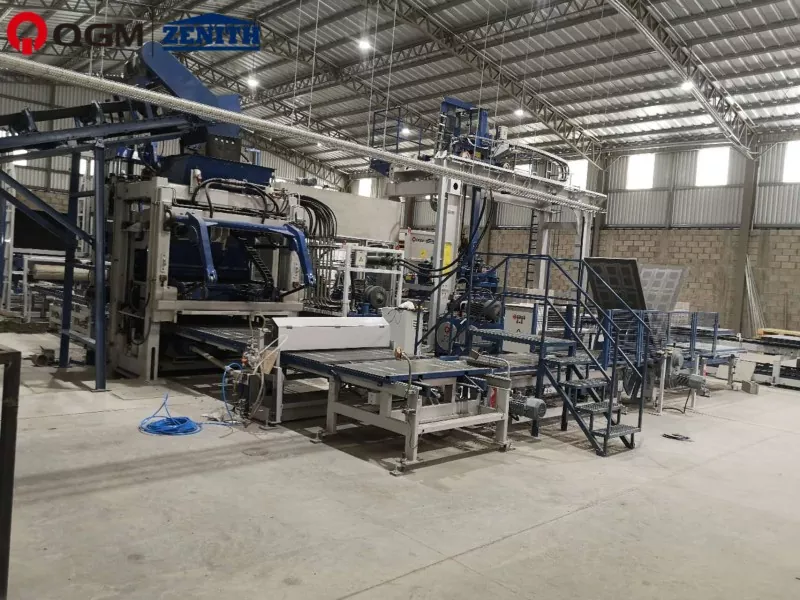
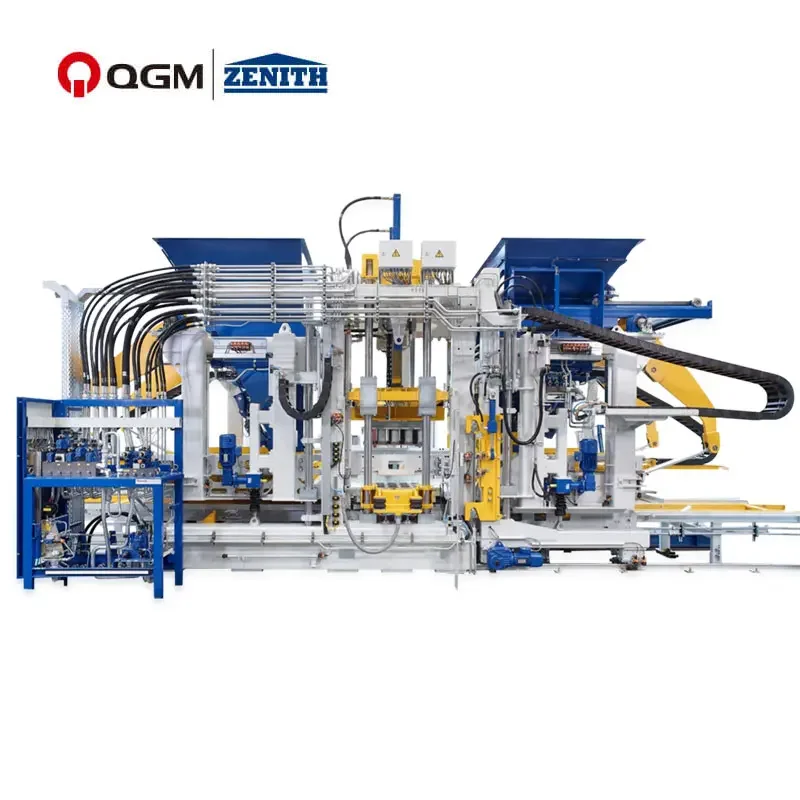
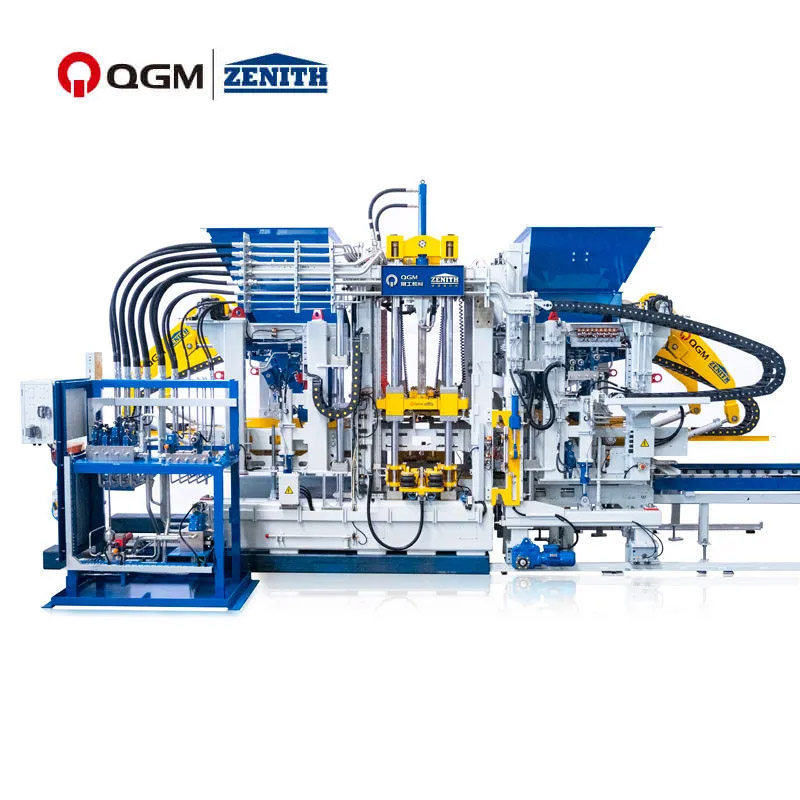
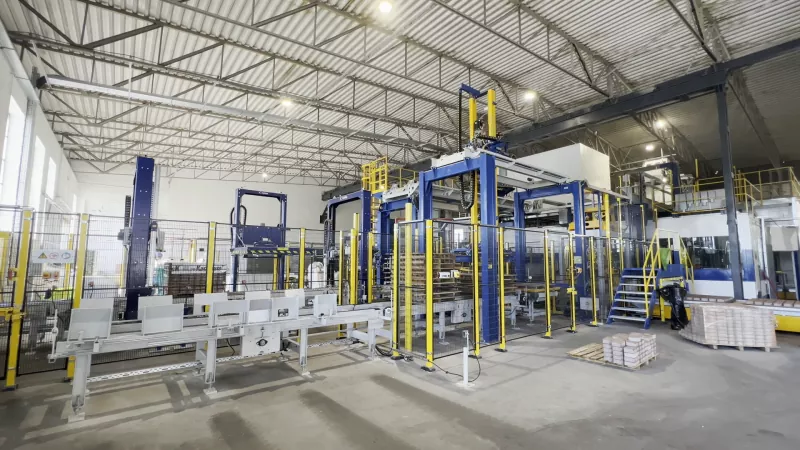
Block Machine


Understanding these factors can help manufacturers reduce unexpected downtime, lower maintenance expenses, and improve long-term production efficiency.


1. Machine Construction Quality Sets the Foundation

The lifespan of any block-making system starts with its structural design.

A machine built with heavy-duty steel, precision machining, and reinforced welding is naturally better equipped to withstand years of vibration, pressure, and continuous production cycles.

High-quality construction offers several long-term advantages:

●Greater resistance to structural fatigue

●Improved machine alignment over time

●Reduced component deformation

●More stable production performance

For a concrete paving block machine, frame rigidity is particularly important because vibration forces are transmitted continuously throughout the production process. A stronger structure helps maintain dimensional accuracy and product consistency year after year.


2. Hydraulic System Performance Directly Impacts Wear

Hydraulics are responsible for coordinating critical machine movements, including mold lifting, material feeding, and pressing operations.

When hydraulic pressure fluctuates or response times become inconsistent, excessive stress is transferred to mechanical components. Over time, this accelerates wear and shortens equipment lifespan.

QGM incorporates advanced hydraulic systems featuring high-precision proportional and directional valves combined with reliable heavy-duty pump technology. This configuration helps maintain smooth machine operation even under demanding production conditions.


To protect hydraulic performance, manufacturers should focus on:

●Maintaining clean hydraulic oil

●Replacing filters at recommended intervals

●Monitoring pressure stability

●Inspecting hoses and fittings regularly

●Ensuring smooth feeder movement

Consistent hydraulic operation reduces shock loading and helps extend the life of both mechanical and electrical components.


3. Vibration Technology Plays a Major Role in Equipment Longevity

Compaction quality depends heavily on vibration performance, but vibration is also one of the largest sources of machine stress.

An improperly balanced vibration system can create excessive loads on bearings, shafts, frames, and molds.


QGM utilizes Zenith Ultra Dynamic Vibration System. By reducing internal vibration drag, the system delivers compaction energy more consistently across the mold while decreasing mechanical stress on critical tooling components.

Benefits include:

●More uniform force distribution

●Reduced bearing wear

●Lower structural stress

●Improved machine stability

●Enhanced compaction performance

For manufacturers operating a paver block machine, balanced vibration not only improves product quality but also helps preserve critical machine components over the long term.


4. Smart Control Systems Reduce Mechanical Stress

Modern production equipment relies on automation to maintain consistency.

Frequent operator adjustments, irregular cycle timing, and inconsistent machine settings can create unnecessary mechanical strain. Over months or years, these small variations contribute to increased wear and reduced equipment reliability.


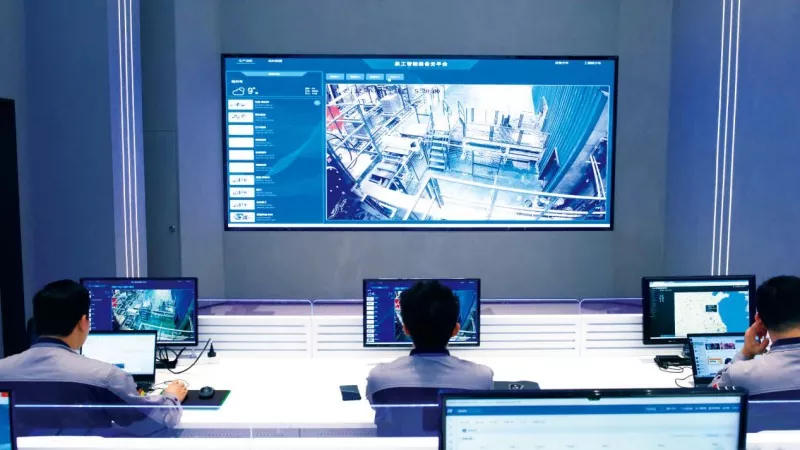
QGM integrates SIEMENS PLC control technology with user-friendly touchscreen operation and remote monitoring capabilities.

This intelligent control environment allows operators to:

●Monitor machine status in real time

●Adjust operating parameters accurately

●Detect abnormalities before they become failures

●Maintain consistent production cycles


When machine operations remain stable and predictable, components experience less stress and service life naturally increases.

Why Consistency Matters More Than Speed

Many manufacturers focus exclusively on maximizing daily output. However, excessive operating speeds, aggressive vibration settings, and overloaded production schedules often shorten machine lifespan.

A properly managed cement paving block making machine should prioritize stable operation rather than extreme production rates.

Long-term profitability comes from:

●Consistent machine performance

●Predictable maintenance costs

●Lower downtime

●Extended component life

●Reliable product quality

In many cases, running equipment efficiently delivers better financial results than pushing machinery beyond its optimal operating range.


The Bottom Line

The lifespan of a block machine is not determined by a single component or specification. It is the result of how structural design, hydraulic stability, vibration technology, automation, and maintenance practices work together over time.

QGM approaches equipment durability through a complete system philosophy—combining robust machine construction, advanced vibration technology, intelligent control systems, and precision hydraulic engineering to help manufacturers achieve reliable long-term performance.

Whether producing hollow blocks, curbstones, or paving products with a concrete paving block making machine, the key to maximizing machine lifespan lies in consistent operation, proactive maintenance, and investing in technology designed for sustainable production.


5. Mold Quality Has a Direct Impact on Machine Durability

Many manufacturers view molds as simple wear parts, but their condition has a much broader influence on overall machine performance. As molds gradually lose dimensional accuracy, resistance during filling, compaction, and demolding increases. This added load is transferred to the vibration system, hydraulic components, and machine frame, accelerating long-term wear.

For producers operating a concrete paving block machine, maintaining mold precision is especially important because even minor deviations can affect both product quality and equipment stability.


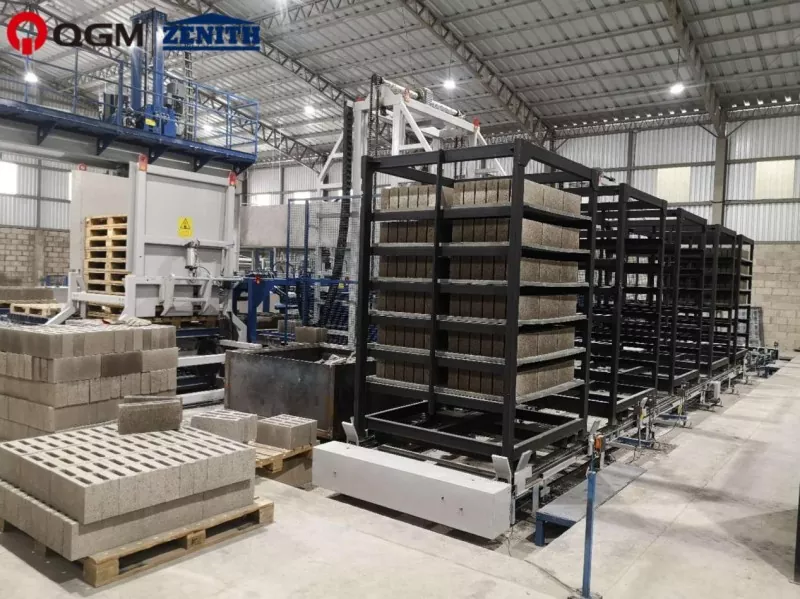
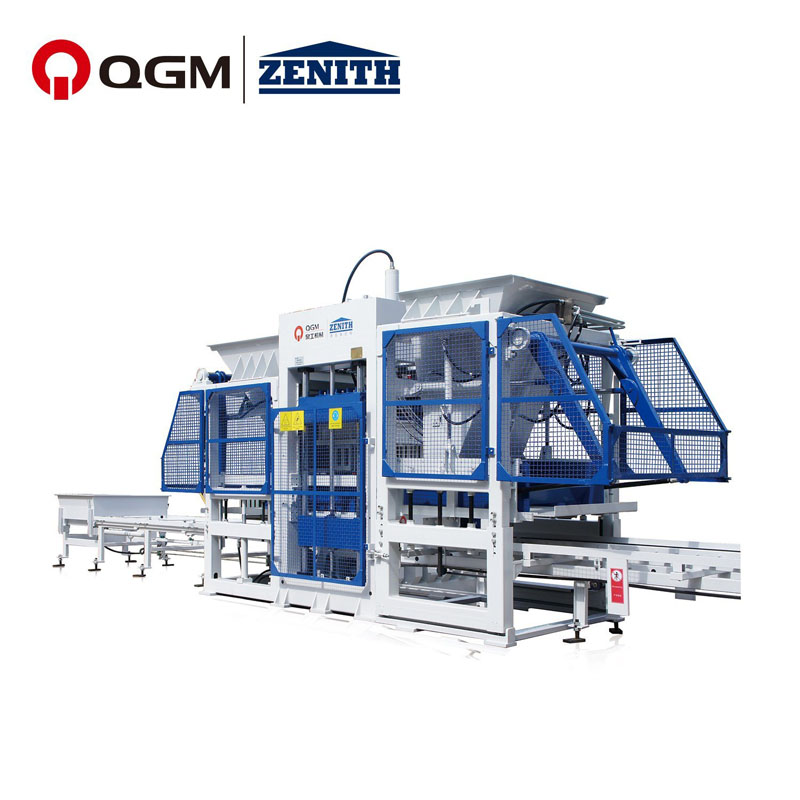
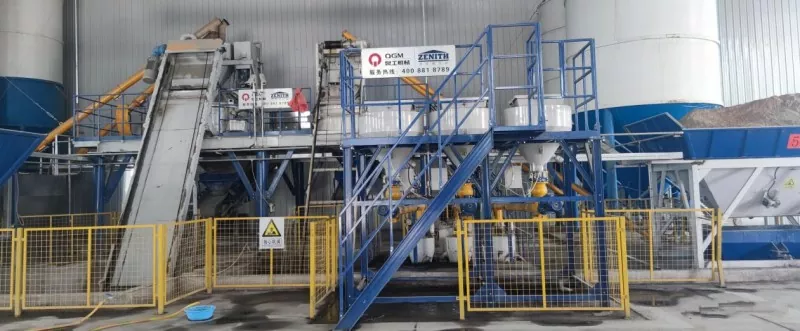
Block Machine


QGM manufactures high-precision molds compatible with major global equipment brands, including MASA, HESS, ZENITH, POYATOS, BESSER, and TIGER. Produced according to OEM specifications and subjected to advanced heat-treatment processes, these molds offer excellent wear resistance, reliable fitment, and smooth production performance.

Keeping molds in optimal condition delivers several long-term benefits:

●More uniform compaction forces

●Reduced stress on hydraulic and vibration systems

●Lower equipment maintenance requirements

●Improved dimensional consistency

●Greater overall machine longevity

In many cases, extending machine lifespan begins with maintaining the tooling that interacts with it every production cycle.


6. Raw Materials Influence More Than Product Quality

Raw materials affect not only the finished block but also the health of the entire production system.

Factories throughout Southeast Asia often work with aggregates sourced from different regions, resulting in varying hardness levels, moisture content, and particle gradation. These differences can significantly impact machine wear rates.

Key material-related factors include:

●Aggregate abrasiveness

●Particle size distribution

●Moisture consistency

●Presence of impurities or oversized particles

When highly abrasive aggregates are used in a cement paving block making machine, wear on molds, liners, feeder components, and mixing equipment can increase substantially.

Likewise, unstable moisture content creates inconsistent compaction conditions, forcing the machine to operate under fluctuating loads that contribute to premature component fatigue.

The better the material consistency, the easier it becomes to maintain stable machine performance over time.


7. Maintenance Culture Often Determines Equipment Lifespan

Even the most advanced machinery cannot compensate for neglected maintenance.

Many unexpected breakdowns originate from small issues that were overlooked during routine inspections. A loose fastener, contaminated hydraulic oil, or worn bearing may appear insignificant at first, yet these minor problems often develop into major failures.

Successful manufacturers establish a preventive maintenance culture focused on:

●Daily machine inspections

●Scheduled lubrication routines

●Timely replacement of wear components

●Hydraulic system monitoring

●Electrical system verification

●Immediate response to abnormal operating conditions

For facilities operating a paver block machine, preventive maintenance is often one of the most cost-effective ways to improve reliability and reduce unplanned downtime.

Maintenance should not be viewed solely as a repair activity. It is a continuous process that protects productivity, safeguards equipment investments, and supports long-term profitability.


8. Operator Experience Remains a Critical Factor

Technology plays an important role in modern manufacturing, but human decisions still influence machine lifespan every day.

Improper operating practices can place unnecessary strain on equipment, including:

●Running the machine beyond recommended capacity

●Using incorrect vibration or pressure settings

●Ignoring warning indicators

●Performing abrupt shutdowns

●Delaying routine inspections


Well-trained operators contribute significantly to equipment longevity because they can identify irregularities before they develop into costly failures.

Experienced teams are more likely to:

●Recognize early signs of wear

●Adjust production parameters correctly

●Maintain stable operating conditions

●Improve machine utilization rates

●Prevent avoidable downtime

For companies using a cement paving block machine, operator training often delivers a faster return on investment than many hardware upgrades.


Final Thoughts: Machine Lifespan Is Built Through Daily Decisions

A block machine's service life is not determined solely by the day it leaves the factory. Instead, it is shaped by thousands of production cycles, maintenance decisions, operating habits, and process controls throughout its working life.

At QGM, machine durability is approached through a complete engineering philosophy. Advanced hydraulic systems, optimized vibration technology, intelligent automation, and precision mold manufacturing are designed to work together as a unified production platform. This integrated approach helps reduce component stress, improve operational stability, and maximize long-term reliability.


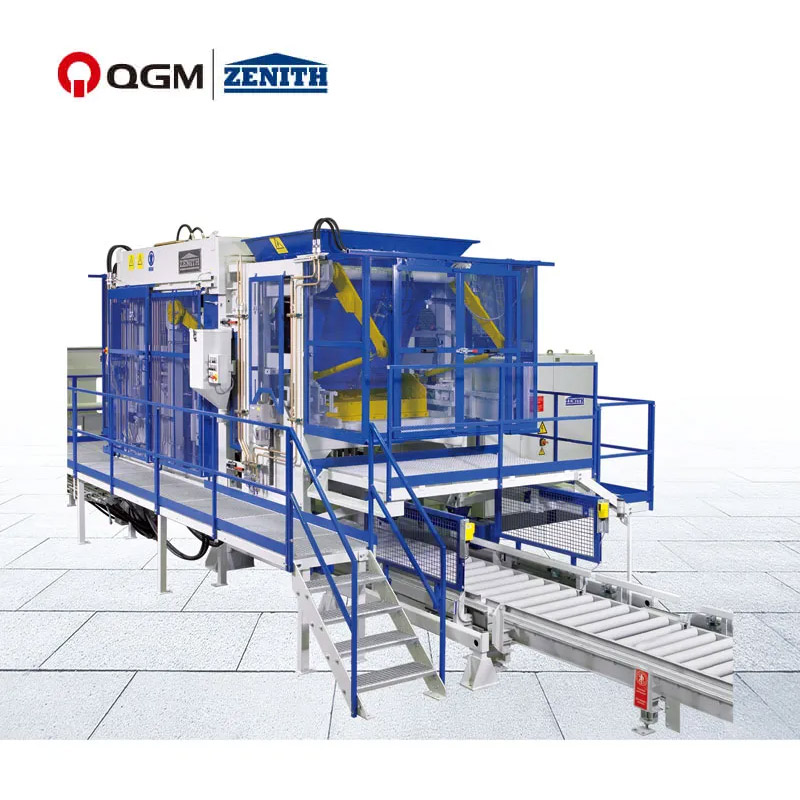
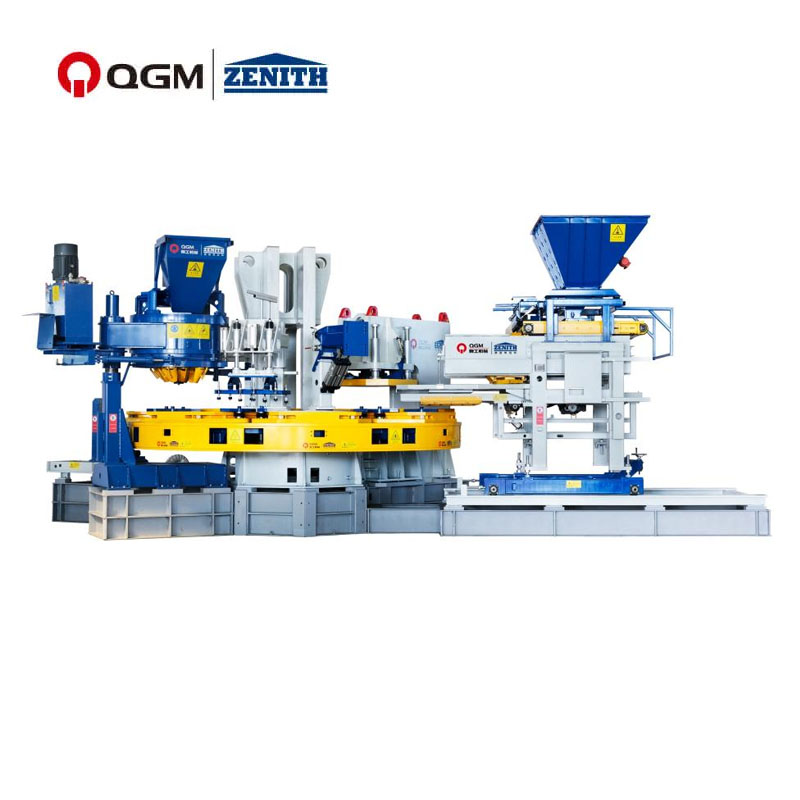
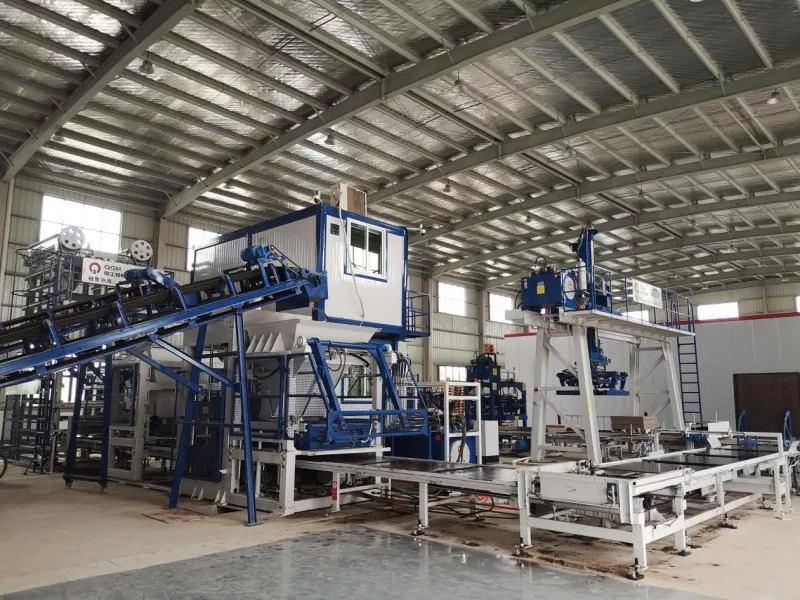
Block Machine


Whether operating a paving block making machine, a concrete paving block making machine, or a fully automated block production line, sustainable performance depends on more than equipment specifications alone.

Manufacturers that combine high-quality machinery with disciplined maintenance, proper material management, and skilled operation will achieve more than longer equipment life. They will create a production system capable of delivering consistent quality, predictable costs, and lasting competitive advantage for years to come.


FAQ

1. How long can a concrete block machine typically last?

A well-built concrete block machine can remain productive for 15–20 years or even longer when supported by proper maintenance, quality spare parts, and correct operating practices. In many Southeast Asian markets, equipment longevity often depends more on maintenance standards than on machine age itself.


2. Which machine components have the biggest impact on service life?

The hydraulic system and vibration system are usually the most critical. Since these assemblies operate under constant load and repetitive stress, their condition directly influences the lifespan and reliability of a paver block machine or large-scale block production line.


3. Can raw materials affect equipment durability?

Yes. Using highly abrasive aggregates, poorly graded sand, or materials with inconsistent moisture content can accelerate wear on molds, liners, feeders, and other key components. This is particularly important for a cement paving block making machine, where stable material characteristics are essential for both product quality and equipment protection.


4. Does operator experience really make a difference?

Absolutely. Skilled operators can identify abnormal sounds, pressure fluctuations, and performance changes before they become serious problems. Proper machine handling, parameter adjustment, and startup/shutdown procedures help extend the lifespan of a paving block making machine while reducing unnecessary downtime.


5. Is preventive maintenance better than waiting for breakdowns?

Without question. A preventive maintenance program helps detect wear early, reduce emergency repairs, lower operating costs, and maintain stable production output. For manufacturers operating a concrete paving block machine, scheduled maintenance is one of the most effective ways to maximize return on investment and ensure long-term production stability.

Related News
Leave me a message
X
We use cookies to offer you a better browsing experience, analyze site traffic and personalize content. By using this site, you agree to our use of cookies.Privacy Policy
RejectAccept