Buying a block making machine is a long-term production investment, not simply a one-time equipment purchase.
For concrete product manufacturers, contractors, and infrastructure developers, the machine itself is only one part of the investment. Once the equipment is installed and production begins, the manufacturer's technical support, spare parts availability, maintenance service, and ability to respond to operational problems can have a direct impact on production continuity and profitability.
A concrete block machine can meet every technical specification in a quotation and still become a costly investment if technical support is difficult to access, spare parts are unavailable, or critical components require extended delivery times. For industrial production equipment, machine performance is only one part of the purchasing decision; reliable after-sales service and long-term technical support can have an equally important impact on production continuity and operating costs.
Experienced buyers therefore evaluate more than the purchase price, rated production capacity, and machine specifications when selecting a block making machine manufacturer. They also consider whether the manufacturer has the technical resources, spare parts network, service capabilities, and engineering experience needed to support the equipment after installation and throughout its operating life.
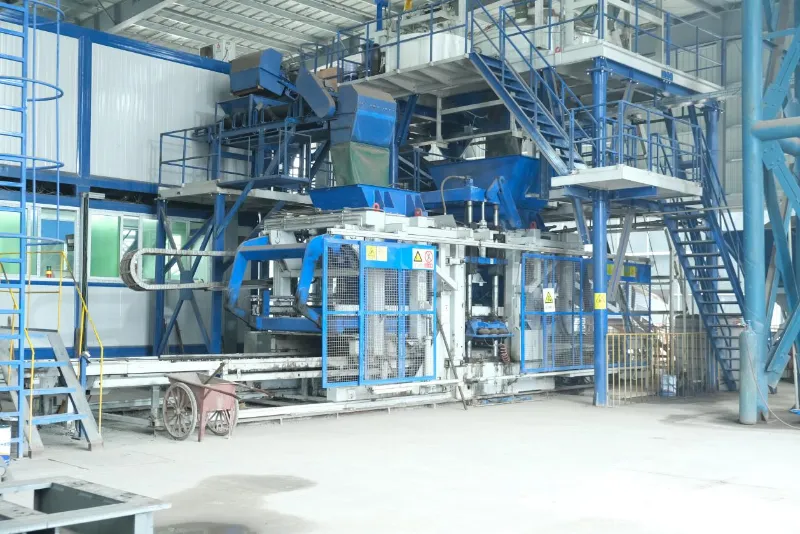
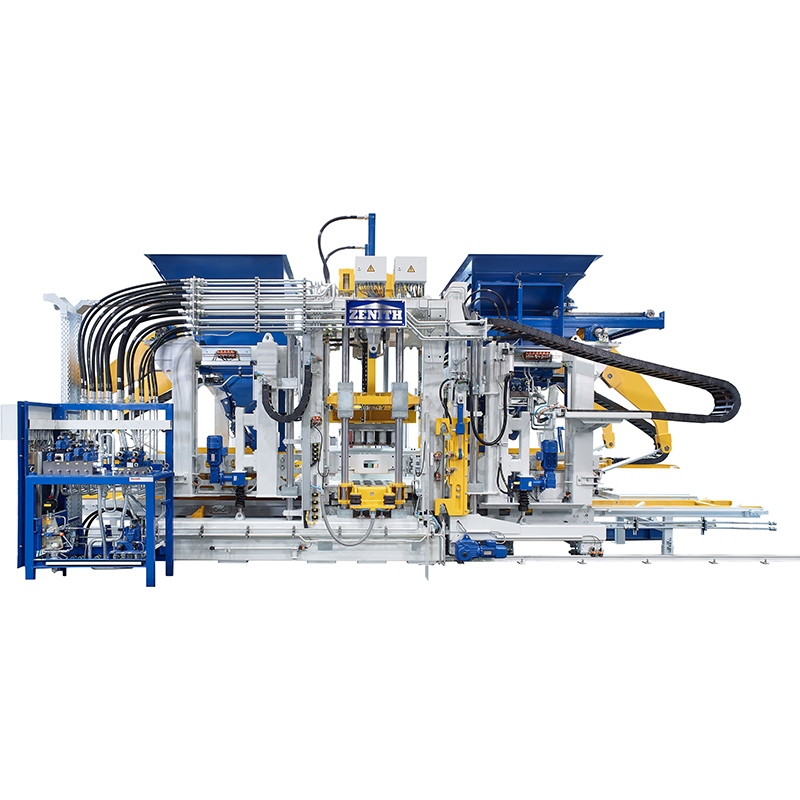
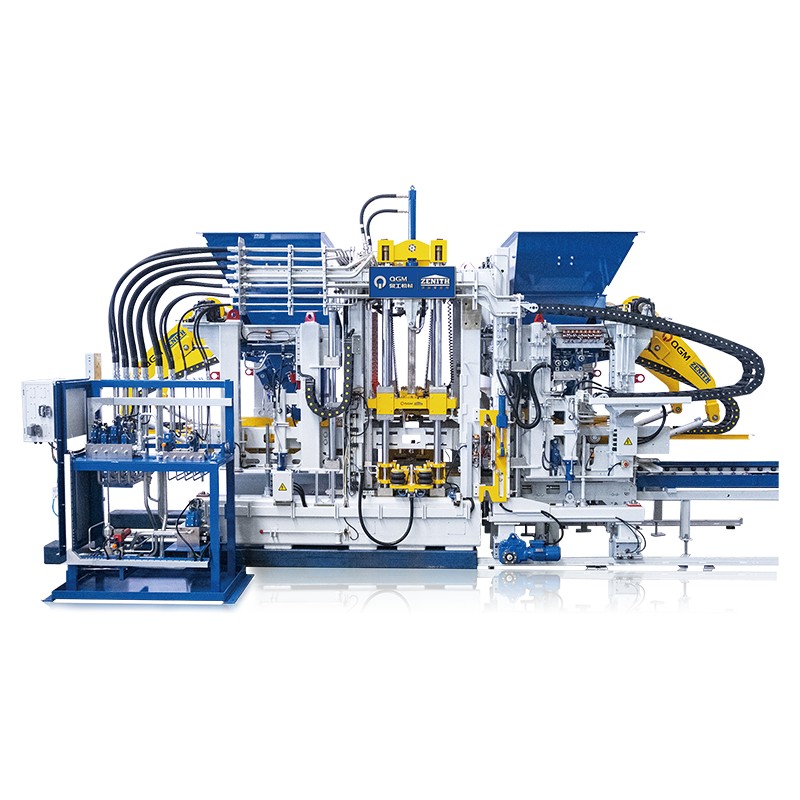
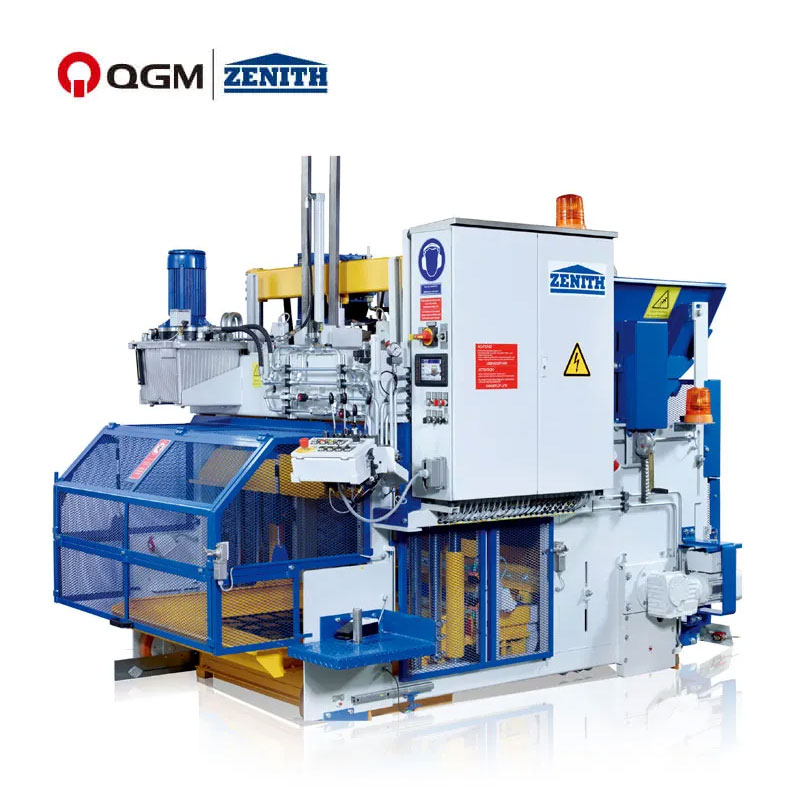
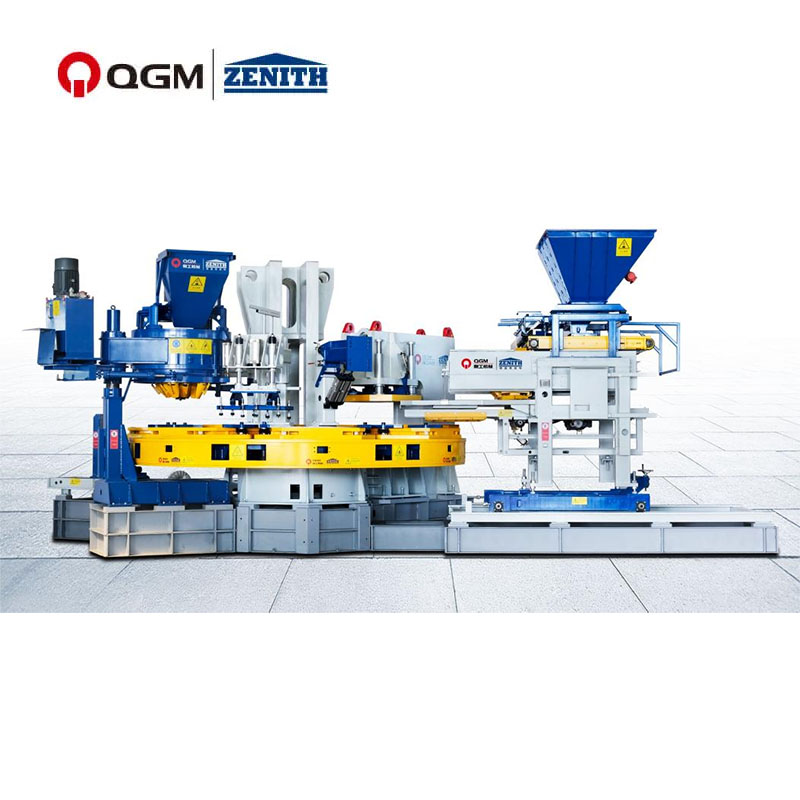
△QGM Fully Automatic Block Making Machine for Concrete Block Production
The key question is not simply, “Can this manufacturer supply the machine?” but rather, “Can this manufacturer continue to support the machine after it enters commercial production?” A reliable equipment partner should be able to demonstrate its capabilities through proven project experience, comprehensive technical services, spare parts availability, commissioning and training support, and long-term lifecycle assistance.
Before purchasing a concrete block machine or complete block production line, buyers should therefore evaluate three important areas that can have a direct impact on equipment availability, maintenance costs, and long-term production performance.
Imagine a new automatic block making machine has been installed, commissioned, and running normally for several months. Then a critical hydraulic component begins to fail, bringing part or all of the production line to a standstill. Operators are left waiting, production schedules are disrupted, customer orders may be delayed, and finished-product deliveries can be affected. If the replacement component must be sourced and shipped internationally, the resulting downtime can extend well beyond the original equipment repair time.
This scenario illustrates why equipment reliability should always be evaluated together with after-sales service and technical support. For a concrete block production line, the long-term value of an investment depends not only on production capacity and machine performance, but also on equipment uptime, fault diagnosis, spare parts availability, response time, and the manufacturer's ability to provide effective technical assistance when problems occur.
A reliable block making machine manufacturer should therefore provide more than equipment delivery. Customers need access to timely troubleshooting, genuine spare parts, maintenance guidance, technical assistance, and professional service throughout the machine's operating life. These capabilities can help reduce unplanned downtime, maintain production continuity, and control the long-term operating costs of the concrete block production line.
In industrial equipment purchasing, delivery is only the beginning of the customer relationship. The real value of an equipment manufacturer is demonstrated by its ability to support the machine after production starts and help customers maintain reliable performance throughout the equipment lifecycle.
Product brochures, technical specifications, and performance data are valuable when comparing different block making machines, but they provide only part of the picture. Specifications can describe machine capacity and technical features, yet they cannot fully demonstrate how equipment performs after months or years of continuous industrial operation.
For buyers evaluating a block making machine manufacturer, one of the most effective ways to assess real-world equipment performance is to visit an operating installation. Seeing an automatic block making machine in active production can provide valuable insight into equipment reliability, product quality, production efficiency, maintenance practices, and overall operating conditions.
A visit to an established customer site can also help buyers evaluate the manufacturer's after-sales service, technical support, spare parts availability, and ability to maintain long-term production performance. Real operating experience can therefore provide evidence that goes beyond the claims presented in a product brochure.
Visiting an operating reference site allows prospective buyers to evaluate a block making machine under real production conditions rather than relying solely on product demonstrations, brochures, or technical specifications. A live production environment can provide a more practical view of equipment reliability, production consistency, product quality, maintenance requirements, and operator workflow.
During a factory visit, buyers should pay attention to machine operating stability, production cycle consistency, vibration and noise levels, finished block dimensions, surface quality, material feeding, production conditions, operator procedures, maintenance practices, and the overall condition of the equipment. Observing these factors together can help determine whether the automatic block making machine is delivering the expected performance in day-to-day production.
Finished concrete products can also provide useful evidence of machine performance. Consistent product dimensions, uniform density, stable edges, and reliable surface quality may indicate that the forming system, mold, material feeding process, vibration, and production parameters are properly coordinated. Conversely, recurring dimensional deviations or visible quality defects may justify a closer review of the machine configuration and production process.
An operating reference site also gives potential customers an opportunity to speak directly with existing users of the block making machine. Practical feedback can often reveal information that is difficult to obtain from sales materials. Buyers may ask how long the equipment has been in operation, which concrete products are being manufactured, how stable the production line has been, how quickly the manufacturer responds to technical issues, whether critical spare parts are readily available, and how frequently major maintenance is required.
These first-hand observations and customer experiences can provide valuable evidence when evaluating a block making machine manufacturer. Together with technical specifications and commercial terms, reference-site visits can help buyers make a more informed decision about equipment reliability, after-sales service, and long-term production value.
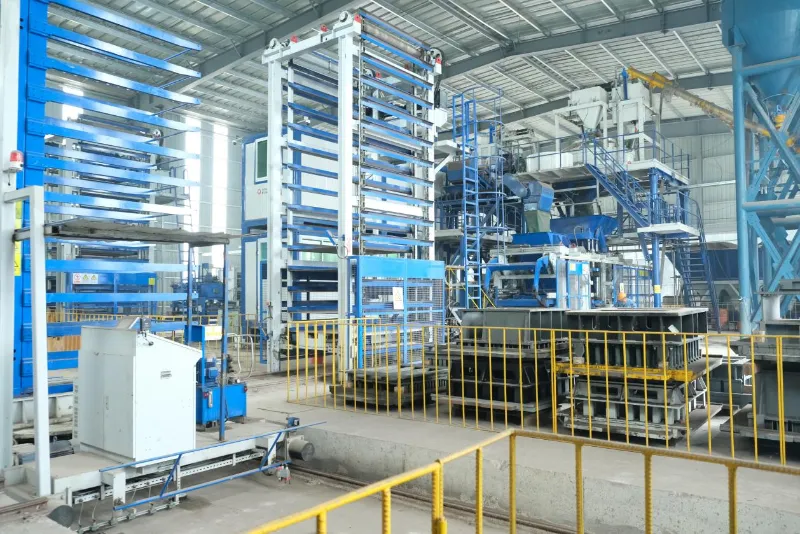
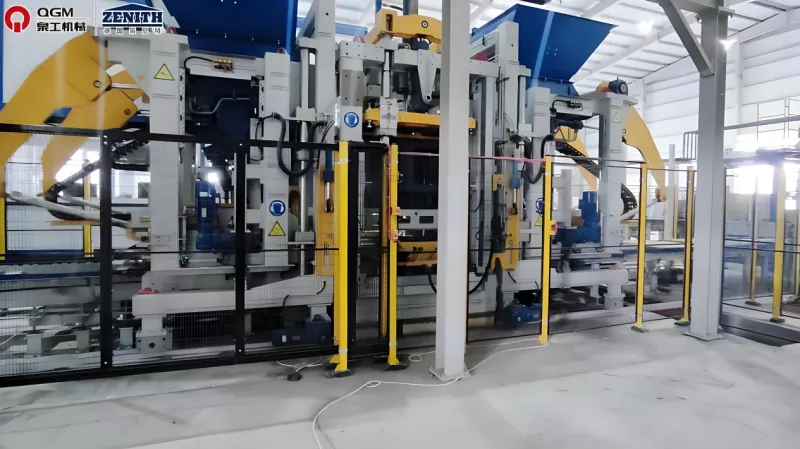
△QGM Fully Automatic Concrete Block Making Machine for Production Projects in China
For international buyers, checking whether a block making machine manufacturer has successful installations in the same country or a similar regional market can provide valuable insight before making a purchasing decision. Local operating references allow buyers to assess how the equipment performs under comparable environmental, technical, and production conditions, helping reduce uncertainty and project risk.
When evaluating local or regional references, buyers should consider practical factors such as climate and working conditions, locally available raw materials, electrical and safety standards, concrete product specifications, operator skill levels, spare parts logistics, and the manufacturer's technical support response. These factors can directly influence the performance and maintainability of an automatic block making machine and its supporting production systems.
A manufacturer with proven installations in similar operating environments may also have a better understanding of local production practices, equipment configuration requirements, commissioning procedures, and potential maintenance challenges. For international concrete product manufacturers, this type of project experience can provide additional confidence when selecting a block making machine supplier and planning a long-term production operation.
2. Evaluate the Complete After-Sales Service System
A block making machine is not a standalone piece of equipment. It is part of an integrated concrete production system that requires proper installation, commissioning, operation, maintenance, and technical support throughout its service life. For this reason, after-sales service should be evaluated as part of the equipment purchasing decision—not only after a production problem occurs.
When selecting a block making machine manufacturer, buyers should examine the supplier's capabilities in equipment installation, commissioning, operator training, preventive maintenance, troubleshooting, spare parts supply, and ongoing technical support. A well-structured after-sales service system can help maintain equipment availability, reduce unplanned downtime, and support stable long-term production.
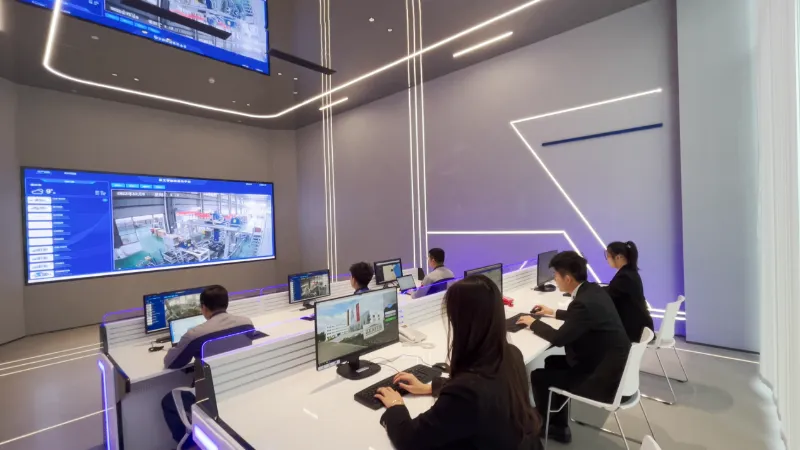
△QGM Intelligent Cloud Service Platform for Smart After-Sales Support
Professional installation and commissioning provide the foundation for reliable operation of an automatic block making machine and its supporting production systems. A qualified supplier should have a clearly defined commissioning process covering site requirements, equipment installation, production line alignment, electrical and control-system setup, initial production testing, and machine parameter optimization.
Depending on the project, commissioning may also include production trials and adjustments to forming, vibration, material feeding, and other operating parameters. Proper commissioning helps ensure that the equipment performs according to its intended configuration and provides a stable starting point for commercial production.
Even a highly automated block making machine requires properly trained operators to maintain safe and consistent production. Comprehensive operator training should cover normal machine operation, production parameter settings, safety procedures, daily inspections, basic troubleshooting, lubrication and routine maintenance, mold replacement, and emergency response procedures.
Effective training can reduce operating errors, improve equipment utilization, and help production teams recognize abnormal machine conditions at an earlier stage. For international projects, structured training is particularly valuable because it helps local operators build the knowledge required to manage equipment independently after commissioning.
When an equipment issue affects production, the speed and quality of technical response can directly influence downtime and operating costs. An experienced block making machine manufacturer should have qualified technical personnel capable of analyzing equipment conditions, identifying potential causes, and recommending appropriate corrective actions.
For international customers, remote technical support can provide an additional layer of protection against extended production interruptions. Remote diagnostics, video-based assistance, digital equipment information, and communication with experienced technical teams can help identify problems before an engineer arrives on site. When combined with reliable spare parts supply and field service capabilities, remote support can significantly improve maintenance efficiency and equipment availability.
Spare parts availability is an important but often underestimated factor when purchasing a block making machine. A relatively small component, such as a sensor, seal, valve, or electrical part, can interrupt an entire concrete block production line if it fails and a replacement is not readily available. For manufacturers operating high-volume production facilities, spare parts supply can therefore have a direct impact on equipment uptime, maintenance efficiency, and production continuity.
Typical wear and replacement components for block making equipment may include hydraulic seals, filters, sensors, bearings, valves, switches, electrical components, and mold-related parts. The actual spare parts requirements will vary according to the machine configuration, production intensity, operating environment, and equipment age. Buyers should therefore evaluate spare parts support as part of the overall equipment purchasing decision.
Before selecting a block making machine manufacturer, buyers should understand how spare parts will be supplied throughout the equipment lifecycle. Important questions include:
●Does the manufacturer maintain inventory of commonly required spare parts?
●What is the typical lead time for critical replacement components?
●Are genuine spare parts available throughout the expected service life of the machine?
●Can the technical team identify the required component through remote assistance?
●Does the manufacturer recommend a startup or critical spare parts package for the initial years of operation?
●Is there an established process for international spare parts ordering and delivery?
The answers can provide a clearer indication of the manufacturer's ability to support equipment after installation. For large-scale concrete block production lines, keeping critical replacement parts available on site can also help maintenance teams respond faster and reduce avoidable production downtime.
In industrial equipment, machine performance cannot be separated entirely from technical service and maintenance support. Even a professionally engineered automatic block making machine will require routine maintenance, component replacement, troubleshooting, and occasional production adjustments throughout its operating life. What matters is how effectively these requirements can be managed when they arise.
Consider two machines with similar technical specifications. One is supported by a manufacturer with experienced service engineers, reliable spare parts availability, remote technical assistance, and an established after-sales service system. The other is supplied by a company whose involvement largely ends with equipment delivery. Over several years of operation, the difference in technical support can have a significant impact on equipment availability, maintenance costs, production continuity, and overall lifecycle value.
For this reason, experienced buyers evaluate lifecycle technical support alongside machine specifications, production capacity, automation, and purchase price. The long-term value of a block making machine depends not only on how it performs when new, but also on how effectively it can be maintained and supported throughout its service life.
A manufacturer's international sales presence can demonstrate market reach, but export volume alone does not fully indicate its technical capability. When evaluating a block making machine manufacturer, buyers should also consider the depth of engineering and concrete product manufacturing experience behind the equipment.
Relevant areas of expertise may include:
●Block machine engineering and mechanical design
●Concrete product manufacturing technology
●Industrial automation and control systems
●Mold design and forming technology
●Hydraulic system engineering
●Vibration technology
●Complete production line integration
●Raw material and mix adaptability
●Equipment maintenance and lifecycle management
●Project engineering, installation, and commissioning
This combination of technical capabilities becomes particularly important when a project involves challenging raw materials, high production targets, specialized concrete products, complex factory layouts, or a high degree of automation. A manufacturer with strong in-house engineering experience is generally better positioned to adapt equipment configuration and production processes to specific project requirements.
Concrete product manufacturing conditions vary significantly between markets. A block production line may use conventional natural aggregates in one region, while another facility may rely on fly ash, slag, recycled aggregates, or other locally available materials. Climate, power supply, product standards, labor availability, and factory conditions can also influence equipment configuration and production performance.
Product requirements can be equally diverse. Some manufacturers primarily produce hollow and solid concrete masonry blocks for building construction, while others focus on interlocking pavers, kerbstones, permeable paving products, landscape products, or customized precast concrete components. Each application can require different molds, forming parameters, material handling systems, and production configurations.
A block making machine manufacturer with broad industry and project experience can draw on knowledge from different applications and operating environments when developing a production solution. This experience can help manufacturers select more appropriate equipment configurations, anticipate potential production challenges, and establish a more reliable foundation for long-term concrete product manufacturing.
Since 1979, QGM has specialized in block making machinery and concrete product manufacturing solutions, building more than four decades of experience in equipment engineering, manufacturing, and project implementation. This long-term industry experience enables QGM to address not only individual machine requirements, but also the broader engineering and production needs of concrete product manufacturers.
QGM's solutions can be configured according to different concrete products, required production capacities, raw material characteristics, factory conditions, and market requirements. The portfolio covers automatic block making machines, complete concrete block production lines, paving block production systems, intelligent automation, and integrated material handling and production systems.
Beyond equipment supply, QGM supports key stages of the project lifecycle, including production line design, equipment installation and commissioning, operator training, spare parts supply, technical assistance, preventive maintenance, and ongoing lifecycle services. This integrated approach allows customers to work with one experienced block making machine manufacturer from initial project planning through installation, production startup, and long-term equipment operation.
For international concrete product manufacturers, working with a supplier that combines equipment manufacturing, production line integration, engineering expertise, and after-sales support can simplify project coordination while providing a more consistent approach to equipment performance and long-term production management.
A reliable equipment partnership begins long before a block making machine enters production. For a new concrete product manufacturing plant, equipment performance is influenced by decisions made throughout the project lifecycle, from initial consultation and production line design to equipment manufacturing, installation, commissioning, operator training, and ongoing technical support.
A typical project may involve several interconnected stages:
Project Consultation → Solution Design → Equipment Manufacturing → Delivery → Installation → Commissioning → Operator Training → Production Support → Maintenance
Each stage can have a direct or indirect impact on the reliability, efficiency, and long-term operating performance of the concrete block production line. For example, an unsuitable machine configuration selected during the planning stage may limit production flexibility after installation, while insufficient operator training can result in avoidable operating errors and maintenance issues. Inadequate spare parts planning may also extend repair times and increase unplanned production downtime.
For this reason, buyers should evaluate a block making machine manufacturer based not only on equipment specifications and purchase price, but also on its ability to manage the complete project lifecycle. An experienced supplier should be capable of supporting equipment selection, production line integration, installation and commissioning, operator training, spare parts planning, technical assistance, and long-term equipment maintenance.
This lifecycle-oriented approach helps manufacturers establish a more reliable concrete production system and reduces the risks associated with managing different stages of the project independently. Ultimately, the value of a block making machine depends not only on how it performs when delivered, but also on how effectively the manufacturer supports its operation throughout its service life.
Sustainable concrete product manufacturing requires more than high equipment efficiency. As manufacturers face growing expectations for resource efficiency, material utilization, and lower environmental impact, the role of advanced block making technology is expanding from production automation to more efficient use of available raw materials.
Depending on local material availability, applicable standards, and the selected mix design, concrete block production lines may be configured to utilize suitable industrial by-products or recycled aggregates. Materials such as fly ash, slag, stone powder, and properly processed recycled aggregates can provide opportunities for resource recovery and more efficient material utilization when their properties are carefully evaluated and incorporated into an appropriate concrete mix.
For manufacturers developing more resource-efficient concrete production processes, raw material adaptability should therefore be considered when selecting a block making machine manufacturer. The supplier's understanding of material characteristics, batching and mixing, forming technology, vibration, product requirements, and production process control can influence the stability and quality of the finished concrete products.
QGM has developed experience in concrete product manufacturing and solid waste resource utilization technologies, supporting customers in exploring production solutions that make effective use of suitable locally available materials. By combining block making equipment, production line engineering, and process knowledge, QGM helps manufacturers evaluate production configurations according to their raw materials, product requirements, and operating conditions.
Choosing a block making machine manufacturer should involve more than comparing machine prices, production capacity, or technical specifications. For a long-term concrete production project, buyers should evaluate the manufacturer's engineering capabilities, project experience, service network, spare parts support, and ability to provide a complete production solution.
The following checklist can help buyers compare potential block machine manufacturers more systematically before making a final purchasing decision.
Can the manufacturer provide operating installations that can be visited or independently verified?
Real production sites allow buyers to assess machine reliability, product quality, production stability, maintenance practices, and actual operating conditions beyond what is presented in brochures or sales demonstrations.
Does the manufacturer have established production facilities, quality-control processes, and in-house engineering capabilities for manufacturing block making equipment?
Strong manufacturing capability can provide greater control over equipment quality, component integration, testing, and project-specific engineering requirements.
Does the supplier provide support beyond equipment delivery?
Key services may include installation, commissioning, operator training, troubleshooting, preventive maintenance, remote technical assistance, and field service. A comprehensive after-sales service system can help maintain equipment availability and reduce unplanned production downtime.
Can critical spare parts be identified and supplied within a reasonable lead time?
Buyers should understand the manufacturer's spare parts inventory, ordering process, delivery capability, and long-term availability of genuine replacement components. Reliable spare parts support can reduce maintenance delays and help maintain production continuity.
Does the manufacturer have extensive experience in block machinery and concrete product manufacturing?
Relevant experience should cover not only machine manufacturing, but also concrete product technology, mold systems, vibration, hydraulics, automation, raw material adaptation, and production process optimization.
Can the production solution be configured around the project's actual requirements?
Important factors may include concrete product types, mold configurations, production capacity, raw materials, pallet specifications, factory layout, material handling, automation level, and local operating conditions. A capable manufacturer should be able to balance standardized equipment with project-specific engineering.
Has the manufacturer successfully delivered and supported block making equipment in different countries and operating environments?
International project experience can indicate the supplier's ability to address differences in electrical standards, climate, raw materials, production requirements, operator capabilities, logistics, installation, and technical support.
Will the manufacturer continue to provide technical and service support after the warranty period ends?
Long-term support may include spare parts, maintenance recommendations, software or control-system assistance, remote diagnostics, equipment upgrades, troubleshooting, and production optimization. This can have a significant impact on the total cost of ownership and long-term equipment value.
A reliable block making machine manufacturer should demonstrate strength across equipment engineering, manufacturing quality, production line integration, technical support, spare parts availability, and lifecycle service. Evaluating these factors together provides a more complete picture of the supplier's ability to support long-term concrete production.
The best supplier is therefore not necessarily the one offering the lowest machine price. A manufacturer that combines proven equipment performance, engineering expertise, comprehensive after-sales support, and long-term lifecycle service may provide greater overall value over the operating life of the concrete block production line.
With more than four decades of experience in block machinery, QGM combines equipment manufacturing, intelligent automation, integrated production line engineering, and lifecycle technical support.
Its international project experience covers more than 150 countries and regions, providing practical knowledge of different markets, products, operating environments, and customer requirements.
Whether you are planning a new production project, upgrading an existing block production line, or looking for a reliable long-term equipment partner, QGM can provide professional support from project planning and equipment selection to installation, commissioning, training, spare parts, and after-sales service.
Talk to QGM today to discuss your production requirements and find the right block making solution for your market.
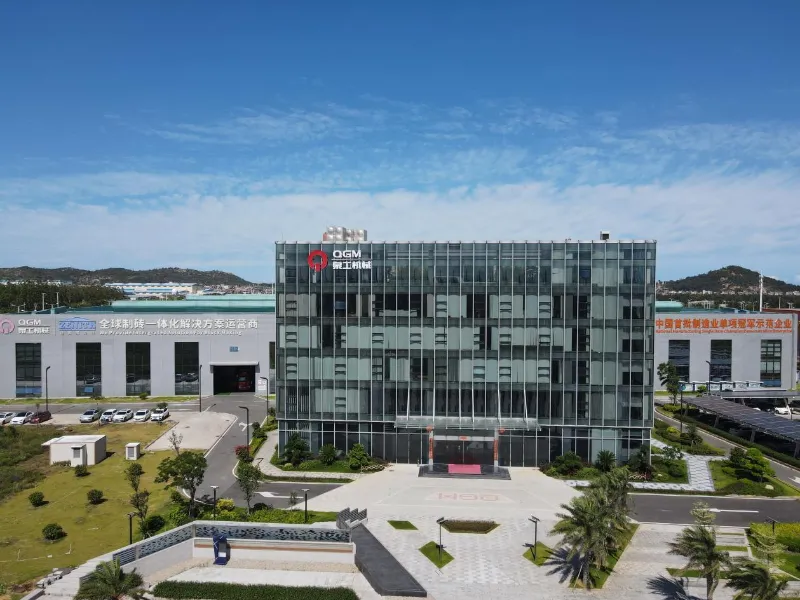
△QGM: Global Concrete Block Making Machine Manufacturer and Solutions Provider
Look for proven operating references, strong manufacturing capabilities, complete after-sales service, spare parts availability, technical expertise, customization capabilities, and international project experience.
A site visit allows you to evaluate real production performance, equipment stability, product quality, operating conditions, and maintenance practices instead of relying only on specifications or demonstrations.
A comprehensive service system should ideally include installation, commissioning, operator training, technical support, preventive maintenance guidance, spare parts supply, troubleshooting, and ongoing lifecycle support.
The failure of a relatively small component can stop an entire production line. Reliable spare parts availability helps reduce downtime and allows critical equipment to return to operation more quickly.
Experienced manufacturers have deeper knowledge of equipment engineering, concrete product technology, automation, raw material adaptation, production line integration, and maintenance, allowing them to provide more reliable solutions for different production conditions.