The block making machine industry is entering a critical stage of transformation. Traditional equipment manufacturing is gradually moving toward intelligent production and more sustainable manufacturing, driven by stricter environmental requirements, changing demand for building materials, and rising operating costs.
For both equipment manufacturers and block plants, the real challenge is no longer simply finding a machine at the right purchase price. Production stability, equipment reliability, raw material adaptability, automation, environmental performance, and long-term operating costs are becoming equally important.
Understanding these factors provides a clearer picture of what manufacturers and concrete products producers should actually look for when investing in a modern block making machine.
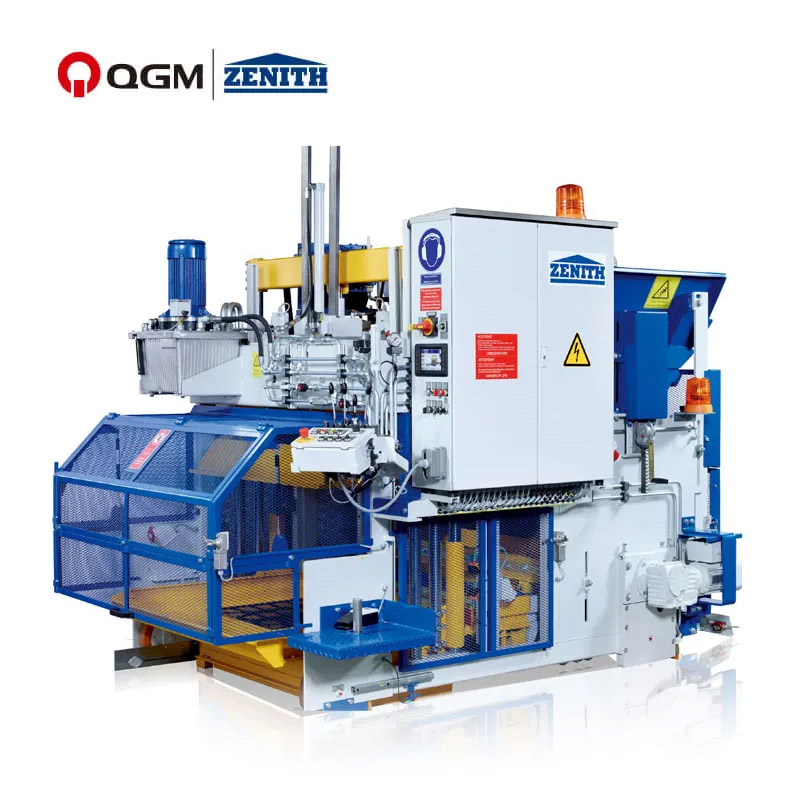
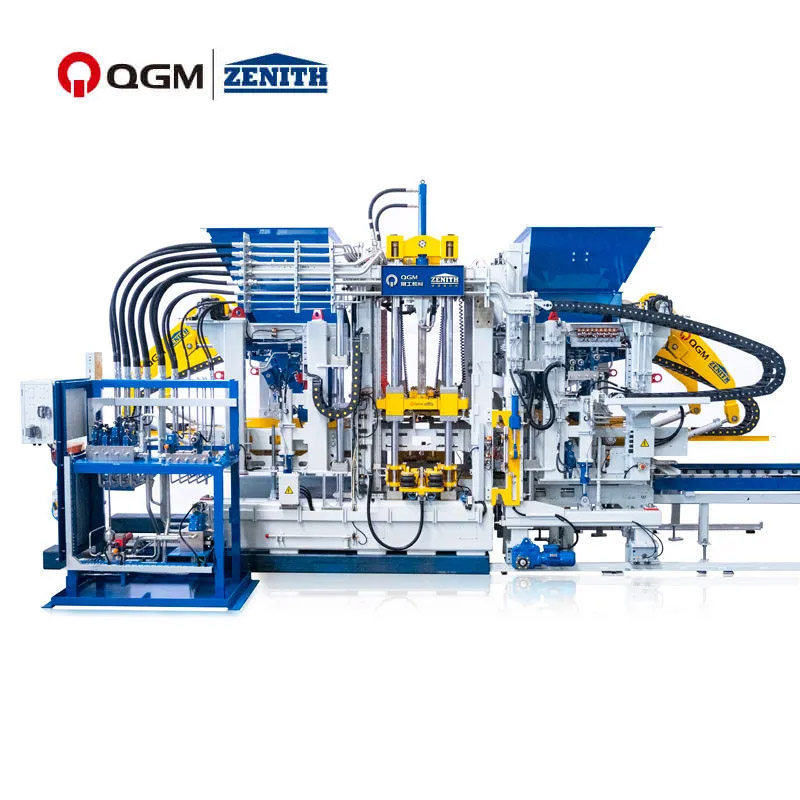
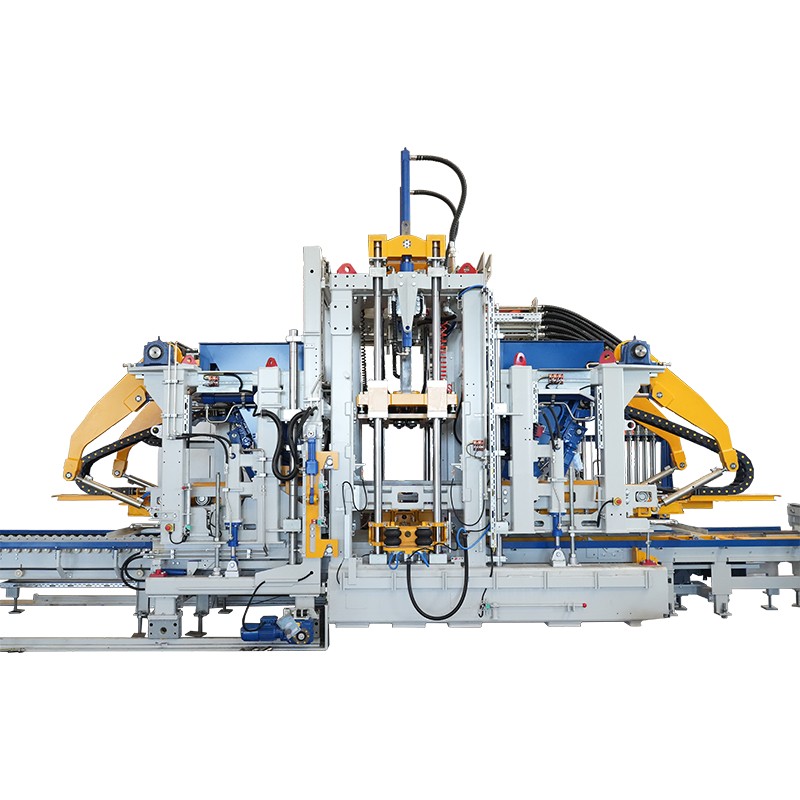
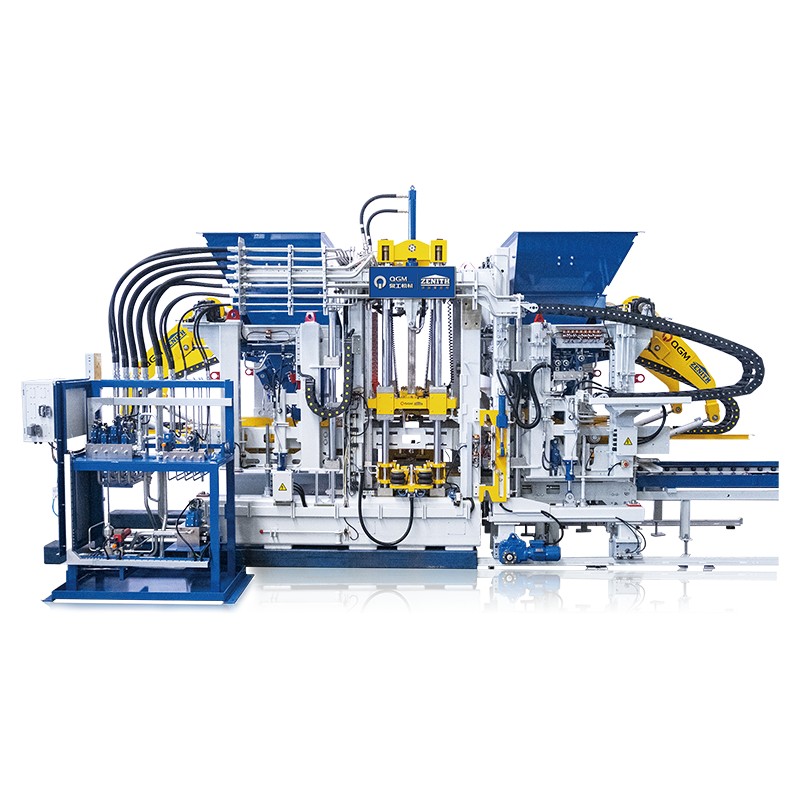
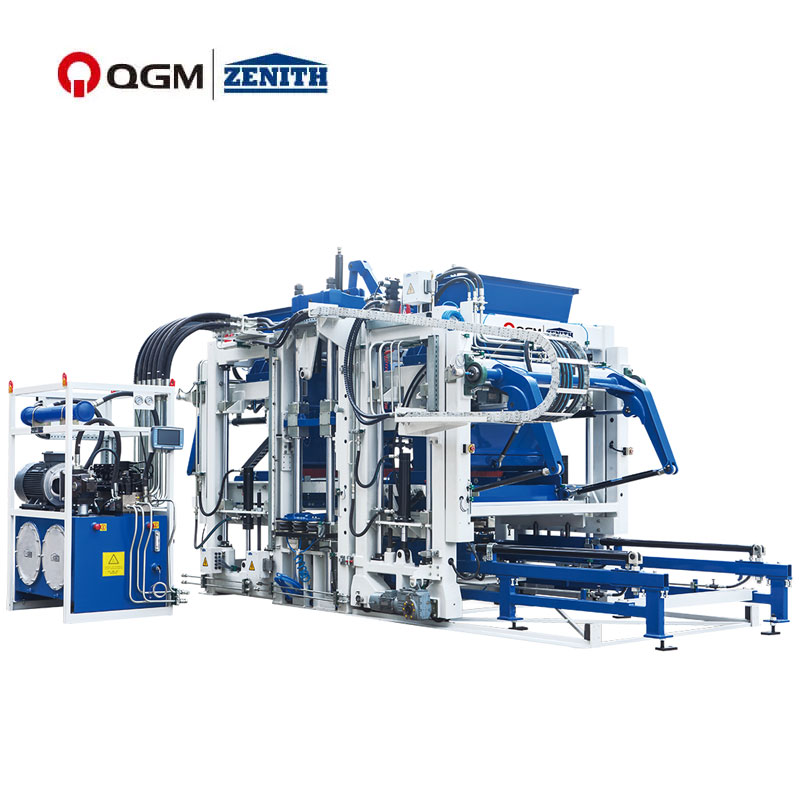
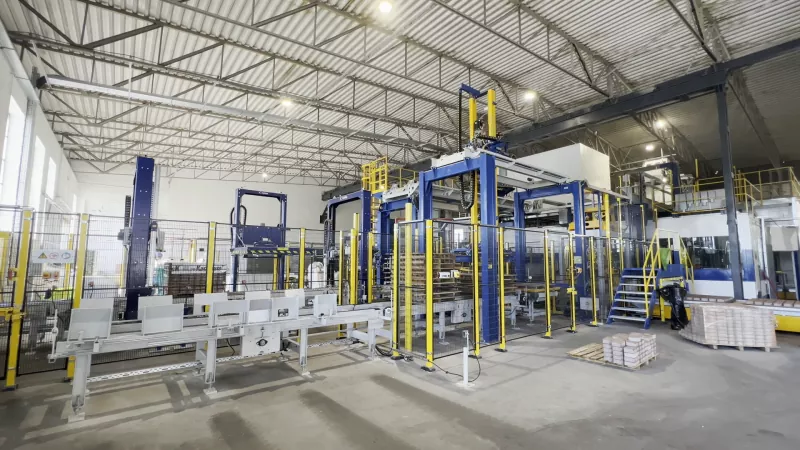
△QGM Automatic Block Making Machine for Efficient Concrete Block Production
A block making machine is at the center of the production process. Its performance affects not only forming speed, but also material utilization, product consistency, labor requirements, maintenance frequency, and overall production efficiency.
However, the manufacturing side of the industry still faces challenges in critical components and technology.
The localization rate of key components such as high-pressure hydraulic systems and PLC controllers remains below 30%, while approximately 35% of high-end equipment still depends on imported components. This increases manufacturing costs and creates additional supply chain risks, while also making technological self-reliance more difficult for some equipment manufacturers.
Production capacity is another concern. Traditional low-end block making machine capacity is relatively oversupplied, with overall capacity utilization at around 71.7%. At the same time, high-end intelligent equipment still has a supply gap of approximately 15%.
This imbalance has intensified price competition and put further pressure on manufacturers' profit margins.
Small and medium-sized equipment manufacturers face additional difficulties because of limited R&D investment. Some companies invest only around 1.8% in research and development, making it more difficult to keep pace with intelligent manufacturing and sustainable production technologies.
The result can be slower product development and greater homogenization across the market.
Environmental requirements are becoming another important factor influencing the development of the industry.
As regulations become increasingly stringent, outdated production capacity is gradually being phased out. However, many manufacturers have not yet completed the necessary upgrades, with only around 37% currently meeting the relevant environmental requirements.
At the same time, existing standards do not always keep pace with the development of intelligent and sustainable equipment. Integrating additional digital systems can therefore increase project costs. For example, a single MES integration project may require an additional investment of around RMB 180,000.
These challenges show why modern block machine manufacturing increasingly requires a combination of mechanical engineering, automation, digital systems, and production management rather than relying on equipment hardware alone.
For block plants and building materials manufacturers, purchasing a machine is only the starting point.
The more important question is how consistently the equipment can perform after it enters production.
A low-cost machine may reduce the initial investment, but poor reliability can result in material blockages, unexpected downtime, additional maintenance, and lower daily output. In some cases, frequent equipment problems can reduce production by around 3,000 blocks per day.
Raw material control is equally important. Inaccurate proportioning can affect the strength of finished blocks and may prevent products from meeting the required standards.
For this reason, equipment selection should consider machine reliability, forming accuracy, raw material adaptability, and maintenance requirements rather than focusing exclusively on the initial quotation.
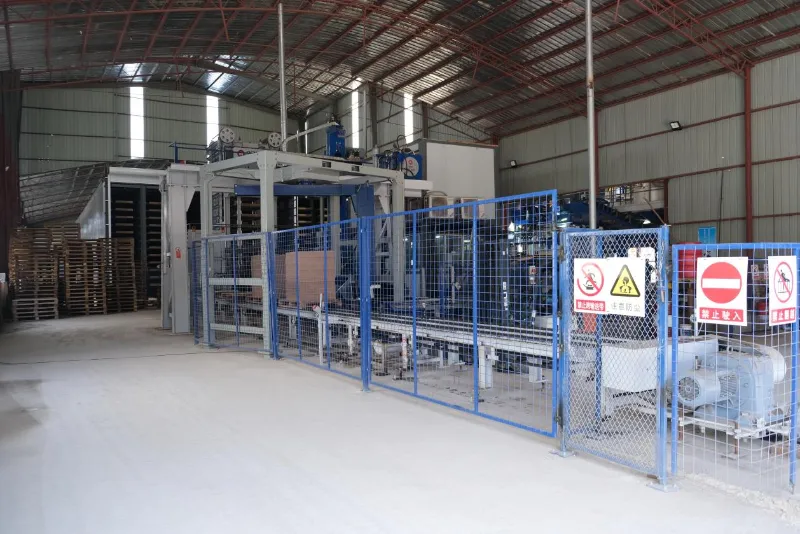
A block making machine does not operate independently. Its performance depends on how well the complete production line is designed and coordinated.
An inefficient layout can increase material handling distances and disrupt the connection between feeding, forming, curing, and subsequent handling processes. An unsuitable U-shaped production line, for example, may reduce overall efficiency by approximately 20%.
Modern concrete block production lines therefore need to be planned according to raw materials, product types, production cycles, and available plant space.
Simply connecting several machines does not automatically create an efficient production system. The equipment and processes need to work together as a complete production solution.
The theoretical capacity of a block making machine does not necessarily represent its actual production output.
For continuous production, equipment reliability has a direct influence on effective capacity. Traditional equipment with poor reliability or a high dependence on non-standard components can experience more frequent failures and unplanned downtime.
Some traditional equipment operates with an OEE (Overall Equipment Effectiveness) of only around 65%. When unexpected downtime occurs, the impact extends beyond lost production and can also affect order fulfillment.
A high-performance automatic block making machine therefore needs to provide more than fast forming cycles. Stable operation throughout continuous production is equally important.
Automation is becoming an increasingly important part of modern block manufacturing.
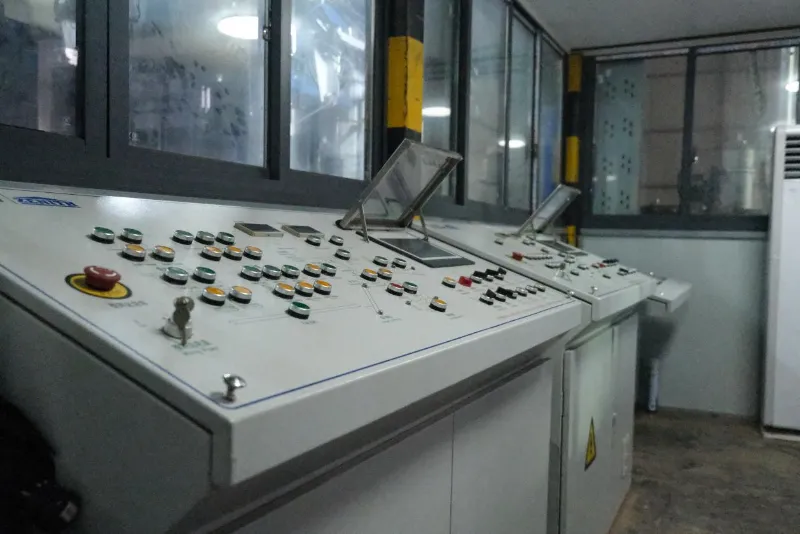
PLC control, remote monitoring, and production status management allow operators to move beyond a production model that depends entirely on manual inspection.
△QGM Automatic Block Making Machines with Siemens PLC Intelligent Control
Intelligent equipment solutions from QGM can remotely monitor production conditions through the machine's core control system. Operators can access equipment status even when they are away from the production site.
When operating parameters become abnormal, the system can issue an alert and provide information for on-site adjustment. This can help production teams identify potential problems earlier and reduce the risk of extended downtime caused by delayed intervention.
However, intelligent control does not eliminate the need for skilled personnel. Operators still need professional training to understand equipment status, respond to abnormalities, and use the system effectively.
Production efficiency is not determined by machine speed alone. The accuracy of material batching and the consistency of forming also influence the actual cost of manufacturing concrete products.
Precise batching can reduce the impact of raw material fluctuations on finished product quality, while stable forming can help reduce waste during production.
In standard block production, traditional equipment may produce around five defective blocks for every 100 units. With more precise batching and forming technology, the reject rate can be reduced to below 1%.
For a high-volume block plant, even a small reduction in the reject rate can accumulate into meaningful savings in raw materials and effective production over time.
The application of block making machines is also expanding beyond conventional concrete product manufacturing.
With growing attention to sustainable building materials and solid waste recycling, materials such as coal gangue, fly ash, steel slag, and certain construction wastes can be processed and used as raw materials for block production when their characteristics and process requirements are suitable.
For mines, steel mills, and construction waste processing facilities, this creates an opportunity to convert materials that would otherwise require storage and disposal into usable building products.
Certain solid waste block production processes require only relatively small amounts of cement and environmentally friendly binders. In relevant applications, cement consumption can be reduced by approximately 20%–30% compared with conventional processes, while the solid waste utilization rate can exceed 90%.
For fly ash block production, for example, cement consumption per block can be reduced by approximately 20%–30%, helping lower material costs while also reducing carbon emissions during production.
Customized Solutions Can Make Equipment More Suitable for Different Applications
Not every block plant has the same production conditions.A small block plant may focus primarily on return on investment and ease of operation, while a steel mill, coal yard, or construction waste processing facility may place greater importance on large-scale solid waste processing capacity.
This makes customized production solutions increasingly important when selecting a block making machine manufacturer.
Rather than supplying a standard machine alone, professional manufacturers can provide integrated services covering production line design, equipment installation, commissioning, and operator training.
For companies handling large volumes of solid waste, an integrated solution can also reduce coordination between different suppliers and improve compatibility between equipment, production processes, and the complete production line.
For equipment used in continuous production, delivery is not the end of the equipment lifecycle.
When a production line experiences a technical problem, the speed of after-sales support can directly affect how quickly production resumes. Manufacturers with limited service networks may struggle to provide timely on-site assistance, while maintenance and repair cycles for imported equipment can also be longer and more expensive.
Therefore, when evaluating a block making machine manufacturer, buyers should consider more than machine specifications.
Service network coverage, spare parts availability, technical support, and on-site maintenance capabilities are all important factors in reducing operational risks.
QGM has established an international service system, with equipment supplied to more than 150 countries and regions and extensive experience in equipment operation and maintenance. For overseas block plants, this type of service support can provide additional assurance for long-term production.
Total Cost of Ownership Provides a Better Basis for Equipment Selection
A machine with high energy consumption, greater labor requirements, frequent failures, or extensive maintenance needs may ultimately cost more to operate even if its initial purchase price is lower.
Traditional equipment may consume up to 60% more electricity than intelligent equipment. In terms of labor requirements, an automated production line generally requires around 5–8 operators, while traditional equipment may require 15–20 workers, in addition to personnel needed for routine maintenance.
This is why equipment selection should be evaluated from a Total Cost of Ownership (TCO) perspective.
Purchase price, energy consumption, labor requirements, maintenance costs, downtime losses, and equipment service life should all be considered when comparing different block making machines.
The right equipment depends on the plant's production conditions, raw materials, product requirements, and long-term development objectives.
For steel mills, coal yards, construction waste processing plants, and other businesses with substantial solid waste resources, equipment capable of solid waste recycling and block production can help transform waste materials into usable building products.
For conventional block plants seeking higher production efficiency, lower labor costs, and reduced material waste, a highly automated automatic block making machine with stable batching and forming performance can provide greater value.
However, advanced equipment is not automatically the right choice for every customer. For small operators with very limited budgets and a primary focus on minimizing initial investment, the cost of high-specification intelligent equipment may be an important consideration.
Whatever equipment is selected, proper installation, operator training, and regular maintenance remain essential. A well-planned production layout and trained operating team are necessary to ensure that the equipment performs as intended and maintains its service life.
The competitive landscape of the block making machine industry is changing.For equipment manufacturers, supply chain resilience, environmental compliance, intelligent technologies, core component capabilities, and after-sales service are becoming increasingly important.
Production efficiency, product quality, energy consumption, labor requirements, raw material utilization, solid waste recycling, maintenance, and service support all contribute to the real value of a block making machine.
As the building materials industry continues moving toward intelligent and sustainable manufacturing, equipment that can balance these factors will be better positioned to support the long-term needs of modern block production.
Production line layout directly affects material handling, process coordination, and overall efficiency. A properly designed concrete block production line should consider plant space, raw materials, product types, and production cycles rather than simply connecting individual machines.
OEE (Overall Equipment Effectiveness) measures how effectively equipment performs during production. For block plants, low OEE caused by downtime and equipment failures can reduce actual output and affect order fulfillment, even when the machine has a high theoretical production capacity.
Yes, depending on the material characteristics and production requirements. Materials such as coal gangue, fly ash, steel slag, and certain construction wastes can be used as raw materials for block production in suitable applications. Some processes can achieve solid waste utilization rates above 90%.
TCO should include more than the initial equipment price. Energy consumption, labor requirements, maintenance costs, downtime losses, and expected service life should also be considered when evaluating the operating cost of a block making machine.
No. Intelligent control systems can provide remote monitoring, equipment-status information, and abnormal-condition alerts, but trained operators are still required to interpret equipment conditions, respond to problems, and manage the production system effectively.
-