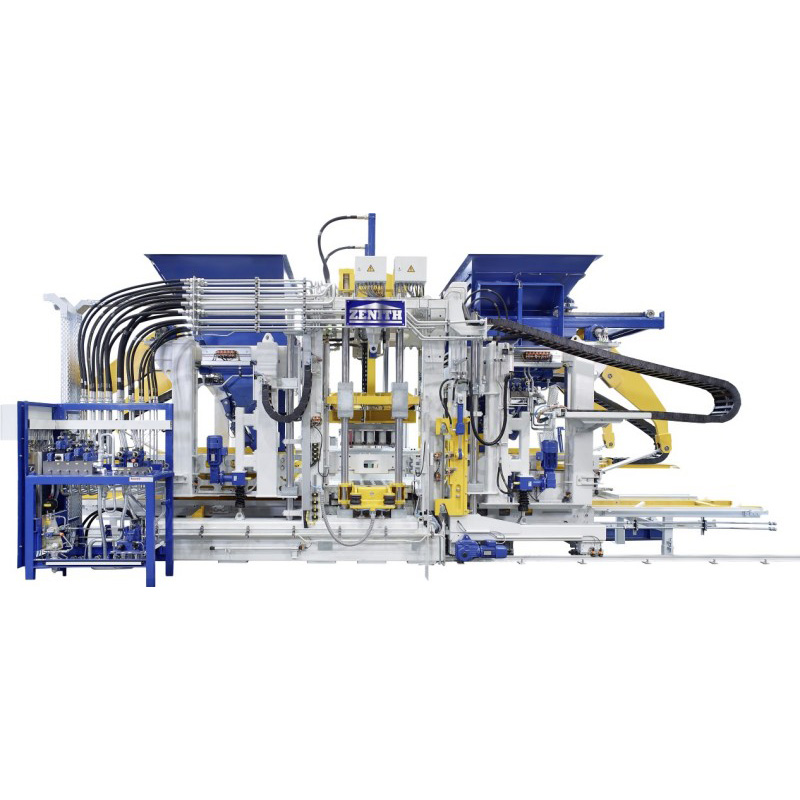
ZENITH Maschinenfabrik GmbH

How to Inspect a Used Block Making Machine Before Purchase: 3 Key Systems

2026-09-24 0 Leave me a message

Buying a used block making machine can reduce the initial investment required to start or expand a concrete products business. But the purchase price is only one part of the equation.

A used machine may look clean, operate normally during a short demonstration, and still require major repairs after installation. Hidden wear in the mold, hydraulic system, motor, or electrical components can lead to inconsistent product quality, unplanned downtime, higher maintenance costs, and reduced production capacity.

For buyers evaluating a used brick making machine, used concrete block machine, or second-hand automatic block machine, the purchase decision should go beyond the initial machine price. The more important consideration is the equipment’s remaining service life, operating condition, production performance, and expected maintenance requirements. A machine with a lower purchase price may still result in higher total cost of ownership (TCO) if critical components are worn, production performance is unstable, or major repairs are required after purchase.

Before purchasing used block making equipment, buyers should conduct a systematic inspection of the machine’s key mechanical, hydraulic, electrical, and vibration systems. Whenever possible, a complete production test should also be performed to evaluate cycle stability, forming performance, product consistency, and overall machine operation under actual or representative production conditions. A structured pre-purchase inspection can help identify potential risks, estimate future maintenance costs, and determine whether the used block making machine offers sufficient production value for the investment.


Start With the Machine's Production History

Before inspecting individual components or starting a functional test, buyers should first review the operating history of the used block making machine. Understanding how the equipment has been operated and maintained can provide valuable context for evaluating its current condition and estimating its remaining service life. Buyers should request available information such as the manufacturing year and machine model, total operating hours, typical production capacity and product types, maintenance and repair records, major components that have been replaced, previous operating conditions, original technical documentation, current spare parts inventory, and existing mold configurations.

Maintenance history is particularly important when evaluating used block making equipment. A machine that has followed a consistent preventive maintenance program may have significantly different lifecycle risks from equipment that has operated for extended periods with limited inspection or servicing. Maintenance records can also help buyers identify recurring failures, major component replacements, and potential future repair requirements before completing the purchase.

The purpose of reviewing the machine’s operating and maintenance history is to establish a reliable baseline for the subsequent physical inspection and production test. Once buyers understand the equipment’s service background, they can more accurately assess the condition of critical systems, identify potential risks, estimate total cost of ownership, and determine whether the used block making machine is suitable for their intended production requirements.


Three Critical Systems That Reveal the Condition of a Used Block Machine

A thorough inspection of a used block making machine should cover the entire production system, from the main frame and forming unit to the hydraulic, electrical, and material-handling systems. However, three critical areas require particular attention because their condition can directly affect concrete product quality, forming accuracy, machine reliability, and future maintenance costs: the mold and forming system, the hydraulic system, and the drive motor and electrical system.

When evaluating used block making equipment, these critical components should never be assessed based solely on their external appearance. Signs such as fresh paint, cleaned surfaces, or recently replaced covers do not necessarily indicate good mechanical condition. Whenever possible, buyers should inspect and test the machine under normal or representative production conditions to evaluate forming performance, operating stability, vibration behavior, hydraulic response, electrical control, and overall production consistency.

This operating inspection provides a more reliable basis for determining the actual condition of a used block making machine and identifying potential repair, replacement, or maintenance requirements before purchase.


1. Inspect the Mold and Forming System First

The mold is a critical wear component of a concrete block machine and plays a direct role in determining the dimensional accuracy, geometry, surface finish, and consistency of finished concrete products. Even when the main machine structure and drive systems remain in good working condition, excessive mold wear can lead to dimensional deviations, inconsistent product appearance, and reduced forming quality. For buyers inspecting a used block making machine, evaluating mold condition is therefore an essential part of the pre-purchase inspection.

Look Beyond the Mold’s Surface Condition

A used block machine mold may be cleaned, polished, repainted, or otherwise refurbished before being offered for sale. These cosmetic treatments do not necessarily indicate that the mold is suitable for continued production or that its working dimensions remain within the required tolerances. Buyers should therefore focus on functional condition and dimensional accuracy rather than appearance alone.

During a used concrete block machine inspection, particular attention should be given to the mold cavity dimensions, forming surfaces, mold frame condition, corners and edges, cracks or previous repairs, alignment with the forming unit, and mounting or connection points. Evidence of uneven wear, deformation, misalignment, or repeated repairs may indicate that the mold requires refurbishment or replacement.

Where possible, precision measuring tools such as vernier calipers should be used to verify critical mold dimensions against the manufacturer’s original specifications or applicable production tolerances. This dimensional inspection can help buyers determine whether the existing mold can continue producing concrete blocks, paving blocks, or other products with the required accuracy and consistency, while also providing a clearer estimate of potential replacement costs.

Why Mold Wear Matters

Excessive mold wear can directly affect the forming quality and dimensional accuracy of products manufactured by a used block making machine. Common signs of a worn mold include dimensional variations, uneven edges, flashing, poor surface definition, inconsistent product density, and increased rejection rates. These defects can reduce product quality, increase material waste, and create additional production and quality-control costs.

Mold condition is particularly important for manufacturers producing interlocking pavers, paving blocks, and other concrete products that require tight dimensional tolerances. In these applications, even relatively small deviations in mold dimensions or alignment can affect product fit, joint consistency, surface appearance, and installation performance.

For this reason, buyers should evaluate the remaining service life and functional condition of the mold rather than treating it as a secondary accessory. When assessing a used block making machine, the potential cost of mold refurbishment or replacement should be included in the total cost of ownership (TCO). If a mold requires replacement soon after purchase, the additional expense can significantly increase the actual investment cost and change the overall value of the used equipment.


2. Test the Hydraulic System Under Operating Conditions

The hydraulic system is a critical subsystem to inspect when evaluating a used block making machine, particularly for automatic block production equipment where hydraulic power is used for key forming, pressing, mold movement, and other machine functions. Stable hydraulic performance is essential for maintaining consistent forming pressure, production cycles, product dimensions, and overall equipment reliability.

A visual inspection of hydraulic hoses, pipes, cylinders, valves, fittings, and connections can help identify obvious leaks, damage, or deterioration, but it cannot fully determine the operating condition of the hydraulic system. Buyers should therefore assess hydraulic performance while the used block machine is running under normal or representative production conditions, paying attention to pressure stability, cylinder movement, response time, abnormal noise, oil leakage, and potential pressure fluctuations.

Testing the hydraulic system under operating conditions provides a more reliable indication of whether the machine can maintain stable forming performance during continuous production. It can also help identify potential hydraulic repairs or component replacements that may affect future maintenance costs and the total cost of ownership.

Check Hydraulic Pressure Stability

During a test run of a used block making machine, buyers should verify that the hydraulic system maintains stable pressure within the manufacturer’s specified operating range. Consistent hydraulic pressure is essential for reliable forming performance, smooth machine movement, and repeatable production cycles. Any significant deviation from the specified pressure range should be investigated before the equipment is purchased.

During operation, pay close attention to pressure fluctuations, slow or uneven cylinder movement, abnormal hydraulic noise, visible oil leakage, excessive hydraulic temperature, delayed cylinder response, and unusual vibration during hydraulic operation. These symptoms may indicate deterioration or malfunction in critical components such as the hydraulic pump, control valves, seals, hydraulic cylinders, or associated hydraulic circuits.

Persistent hydraulic pressure instability can affect forming accuracy and machine reliability while potentially increasing future maintenance and repair costs. For this reason, hydraulic performance testing should form an important part of any pre-purchase inspection of used block making equipment, particularly when the machine is intended for continuous or high-volume concrete block production.

Why Hydraulic Condition Matters

Unstable hydraulic performance can directly affect the forming process, machine cycle stability, and overall production performance of a used block making machine. Fluctuating hydraulic pressure may result in inconsistent forming force, variations in concrete product density, unstable product quality, extended production cycles, and increased maintenance requirements. In more serious cases, recurring hydraulic faults can lead to unplanned equipment downtime and disrupt production schedules.

For buyers evaluating used block making equipment, it is important to recognize that hydraulic problems are not always visible during a static or short visual inspection. A machine may appear to be in good condition while idle but develop pressure fluctuations or irregular movement during continuous operation.

Whenever possible, the used block machine should therefore be tested through multiple consecutive production cycles under normal or representative operating conditions. Monitoring hydraulic pressure, forming movement, cycle time, product consistency, and overall machine response during repeated operation provides a more reliable indication of hydraulic system condition than an idle inspection alone.


3. Check the Drive Motor and Electrical System

The drive motor and electrical system are critical to the long-term reliability and operating stability of a used block making machine. This is particularly important for high-output automatic block making machines, which may operate continuously for extended production cycles under demanding industrial conditions. A motor or electrical fault that appears minor during a short inspection can develop into production interruptions, reduced efficiency, or costly repairs during continuous operation.

Listen for Abnormal Motor Operation

During a test run, buyers should listen carefully to the drive motor and pay attention to changes in its normal operating sound. Grinding noises, metallic friction, irregular humming, excessive vibration, or noticeable changes in operating noise may indicate potential problems involving bearings, rotor alignment, mechanical balance, coupling components, or other motor-related parts.

However, acoustic inspection should only be treated as an initial diagnostic indicator. Motor condition should be evaluated together with operating temperature, vibration levels, current or electrical readings, starting and running performance, and other manufacturer-specified operating parameters. A comprehensive assessment provides a more reliable basis for determining the condition and remaining service life of the motor and electrical system.

Check Motor Operating Temperature

Operating temperature is an important indicator when assessing the condition of the drive motor in a used block making machine. During a test run, an infrared thermometer or other suitable temperature-measuring device can be used to monitor the motor housing and identify abnormal heat buildup. Temperature readings should be considered in relation to the manufacturer’s specified operating limits and the actual ambient and load conditions.

Excessive or continuously rising motor temperature may indicate potential issues such as electrical overload, bearing wear, inadequate cooling, restricted ventilation, aging electrical components, or excessive mechanical resistance. If abnormal heating occurs repeatedly during production, it may reduce motor efficiency, accelerate component deterioration, and increase the risk of unplanned downtime.

For a more reliable assessment, buyers should check the drive motor during startup and again after the used block making machine has operated under a representative production load. Comparing temperature behavior at different operating stages can help identify thermal abnormalities that may not be apparent during a short idle inspection.


Inspect the Electrical Control System

When inspecting a used block making machine, the electrical system should be evaluated alongside the drive motor and other mechanical components. The electrical control cabinet should be checked for the overall condition of the enclosure, wiring and terminals, contactors, circuit breakers, sensors, PLC and other control components, emergency-stop functions, and internal cooling and ventilation. Signs of overheating, loose connections, damaged wiring, corrosion, outdated components, or unauthorized modifications may indicate potential reliability or maintenance issues.

Functional testing is also important. Where possible, buyers should verify that the control system, sensors, PLC functions, safety circuits, and emergency-stop system operate correctly during machine operation. The inspection should be based on the equipment manufacturer’s original electrical documentation and applicable safety requirements rather than visual appearance alone.

For older automatic block making machines, buyers should also assess the availability and sourcing difficulty of replacement electrical components. A machine may remain mechanically functional while becoming increasingly difficult and expensive to maintain if critical PLC modules, sensors, contactors, or other electrical components are obsolete or no longer readily available. Evaluating electrical system condition and spare parts availability as part of the pre-purchase inspection can help reduce long-term maintenance risks and improve the accuracy of the total cost of ownership assessment.


Conduct a Full Production Test Before Buying

Inspecting individual components can reveal the condition of specific systems, but a production test shows how the used block making machine performs as an integrated production system. For buyers evaluating a used block machine for sale, a representative production test is one of the most valuable steps in the pre-purchase inspection process. Whenever possible, the seller should operate the equipment using representative raw materials, the intended mold configuration, and production parameters that closely match normal operating conditions.

During the test run, buyers should evaluate the complete production process rather than focusing on whether the machine can simply start and operate. Key indicators include production cycle time and stability, vibration performance, hydraulic response, drive motor behavior, product dimensions and appearance, concrete product density and consistency, pallet circulation, material feeding, abnormal noise, oil or air leaks, control-system alarms, and the level of manual operator intervention required.

Ideally, the used block making machine should complete multiple consecutive production cycles under representative operating conditions. Repeated operation can reveal intermittent faults, cycle-time variations, hydraulic or electrical abnormalities, inconsistent product quality, and other issues that may not become apparent during a short idle run. A successful production test therefore provides a much stronger basis for assessing machine reliability, remaining production capability, potential maintenance requirements, and the overall value of a used block machine before purchase.


Verify Actual Production Capacity Before Purchase

When evaluating a used block making machine, buyers should verify the machine’s actual production capacity rather than relying solely on the output figures stated in sales materials. The advertised capacity generally represents a theoretical or ideal operating condition, while achievable production output can vary depending on the product type, mold configuration, concrete mix design, material feeding efficiency, cycle time, operator experience, pallet handling, machine condition, and overall production line layout.

A practical production test should therefore be used to compare the seller’s claimed capacity with the output that the equipment can consistently achieve under representative operating conditions. Buyers should consider not only the maximum number of products produced per hour, but also cycle stability, product quality, downtime, material flow, and the level of manual intervention required to maintain production.

This distinction between theoretical machine capacity and sustainable production output is particularly important when assessing older used block making equipment against newer automatic block machines. A newer machine may offer more advanced automation and higher nominal output, while an older machine may still provide good value if its actual production performance, equipment condition, and operating costs meet the buyer’s requirements.


Evaluate the Cost of Ownership, Not Just the Purchase Price

The purchase price is only the starting point when evaluating a used block making machine. A low initial price may appear attractive, but the actual investment cost can increase significantly after transportation, installation, repairs, replacement parts, maintenance, and production downtime are taken into account. Buyers should therefore assess the total cost of ownership (TCO) before deciding whether a used block machine offers genuine economic value.

A practical TCO assessment can be structured as follows:Total Cost of Ownership = Purchase Price + Transportation + Installation + Repairs + Replacement Parts + Maintenance + Downtime Costs

For example, a used concrete block machine may have a substantially lower purchase price than a new automatic block making machine, but additional costs may arise from mold replacement, hydraulic system repairs, motor refurbishment, electrical upgrades, control-system replacement, installation work, or the purchase of critical spare parts. If these expenses are substantial, the initial price advantage can quickly narrow or disappear.


Assess the Remaining Production Value

Purchase cost alone does not determine whether a used block making machine is a good investment. Buyers should also evaluate the equipment’s remaining production value—the amount of reliable and commercially useful production the machine can reasonably deliver after acquisition. This requires looking beyond its current physical condition and considering several factors that influence long-term operating performance.

Production reliability is a key consideration. Can the machine maintain stable production cycles over extended operating periods without frequent interruptions? Product consistency is equally important: can the equipment repeatedly produce concrete blocks, paving blocks, or other products within the required dimensional and quality tolerances? Buyers should also assess maintenance requirements, including the expected frequency of inspections, repairs, and major component replacement.

Spare parts availability should be evaluated carefully, particularly for older block making machines. Critical components that are obsolete, difficult to source, or subject to long delivery times can increase maintenance costs and prolong equipment downtime. Buyers should also estimate the machine’s remaining service life and determine how much productive operating time can realistically be expected after purchase.

Technical support is another important part of the investment assessment. Access to professional installation assistance, troubleshooting, spare parts, maintenance guidance, and technical support can have a significant impact on equipment availability and long-term production performance. When these factors are evaluated together, buyers can make a more informed decision based on the machine’s total lifecycle value rather than simply choosing the lowest purchase price.


When Is a Used Block Making Machine a Good Investment?

Used equipment is not necessarily a poor investment. For businesses looking to enter the concrete products market, expand production capacity, or control upfront capital expenditure, a properly inspected and well-maintained used block making machine can be a practical alternative to purchasing new equipment. However, the investment value of used machinery depends primarily on its actual condition, remaining service life, and expected production performance—not simply on its purchase price.

A used block making machine becomes a more attractive investment when its operating and maintenance history can be verified, major mechanical and electrical components remain in good working condition, and the seller can demonstrate stable production performance through a representative test run. Buyers should also confirm that critical spare parts are readily available, the existing mold has sufficient remaining service life, and the hydraulic, electrical, vibration, and forming systems can operate reliably under normal production conditions. Any required repairs, component replacements, or upgrades should be identified and included in the total cost of ownership before the purchase decision is made.

Conversely, buyers should exercise greater caution when a seller cannot provide credible maintenance records, refuses to conduct a production test, restricts access to critical components, or relies primarily on repainting and cosmetic refurbishment to demonstrate equipment condition. These factors do not automatically mean the machine is unsuitable, but they increase the uncertainty surrounding its mechanical condition, remaining service life, maintenance requirements, and actual production capability.

Ultimately, the right way to evaluate a used block making machine is to look beyond the asking price and assess its complete lifecycle value. A machine that combines verified operating history, sound major components, stable production performance, available spare parts, and manageable maintenance requirements can offer substantially better value than a cheaper machine with unknown condition and significant hidden costs.


Used vs. New Block Making Machine: Which Is the Better Investment?

The final equipment decision should be based on the manufacturer’s production objectives, operating conditions, and long-term investment strategy. A used block making machine may offer a lower initial purchase cost and can be a practical option when the equipment has been thoroughly inspected and its remaining production capability is well understood. A new automatic block making machine, however, typically offers the advantages of new components, current automation and control technology, warranty coverage, higher production efficiency, and more predictable technical support throughout the early stages of operation.

For manufacturers planning continuous or high-volume concrete product production, these differences can have a significant impact on equipment availability, maintenance requirements, production stability, and the total cost of ownership over the machine’s service life. The initial purchase price should therefore be considered together with operating costs, expected downtime, spare parts requirements, productivity, and long-term service support.

The key question is not simply whether a used block machine costs less than a new one. The more important consideration is whether the equipment can consistently deliver the required production capacity and product quality at an economically acceptable lifecycle cost. By comparing actual production performance, equipment condition, remaining service life, maintenance requirements, and long-term support, buyers can make a more informed decision between used block making equipment and a new automatic block production solution.


Why Equipment Design Matters in Concrete Block Machine Performance

The condition of individual components is an important consideration when evaluating a concrete block machine, but long-term performance also depends on how the equipment is engineered as a complete system. A professionally designed concrete block making machine integrates the forming unit, hydraulic and vibration systems, drive components, electrical controls, and supporting equipment to operate as a coordinated production system.

This system-level engineering approach can have a direct impact on production stability, product consistency, energy efficiency, maintenance requirements, equipment availability, and operator workload. When key systems are properly matched and controlled, manufacturers can achieve more predictable production performance while reducing the risk of process interruptions and unnecessary operating costs.

For manufacturers planning a new concrete products plant, selecting equipment from an experienced block machine manufacturer can provide additional value beyond the machine itself. Established engineering and manufacturing capabilities can help reduce uncertainty related to equipment configuration, system compatibility, production performance, and long-term maintenance, providing a more reliable foundation for sustainable concrete block production.


QGM: New Automatic Block Making Machines for Reliable Concrete Production

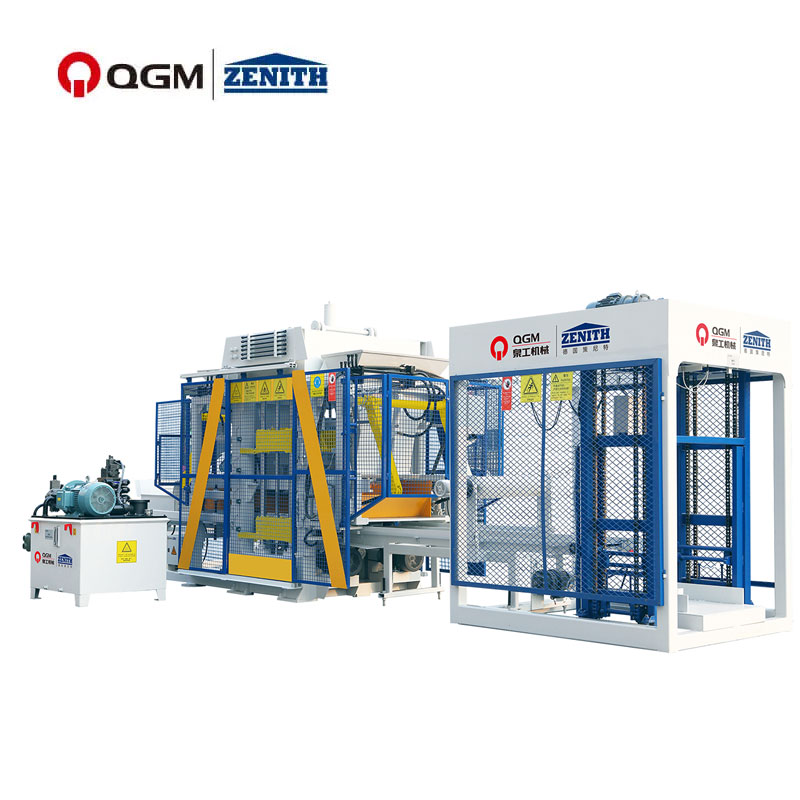
QGM specializes in the design and manufacture of automatic block making machines, concrete block machines, and complete concrete block production solutions for customers worldwide. Its equipment portfolio is designed to support different production scales, product requirements, and operating conditions, helping manufacturers establish efficient and reliable concrete product manufacturing operations.


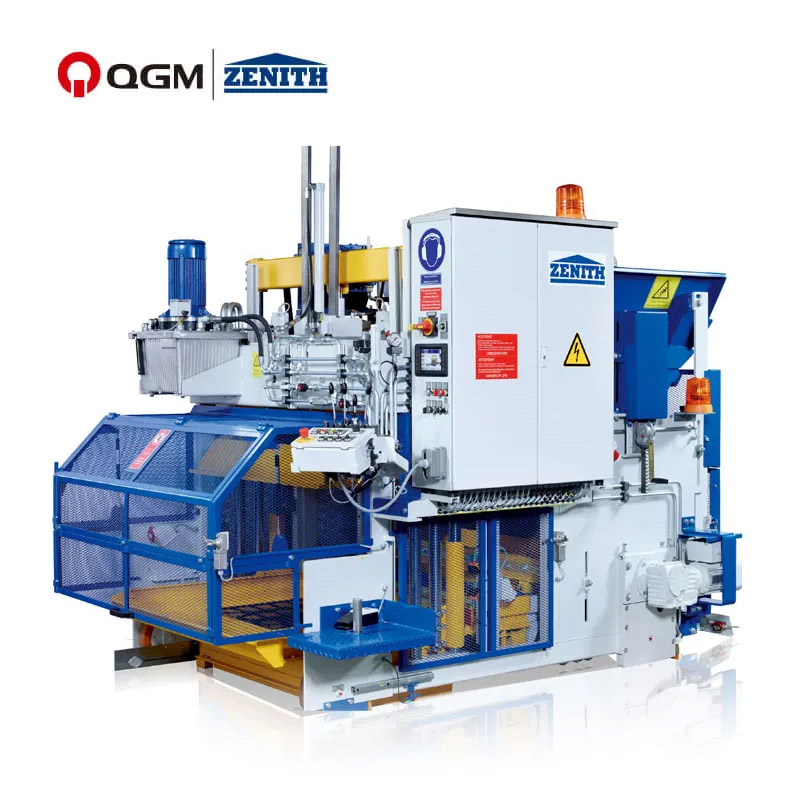
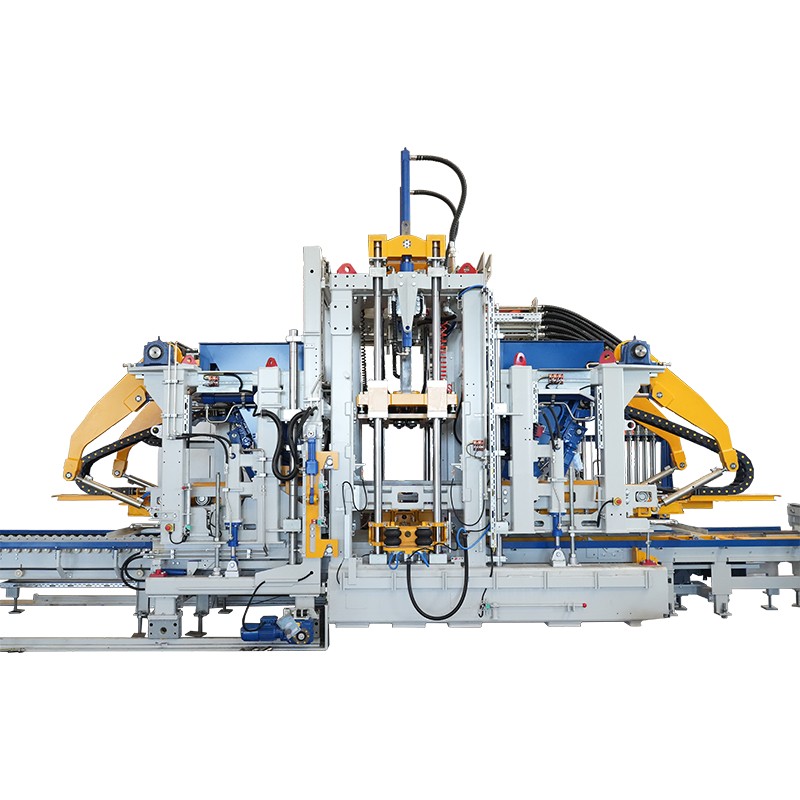
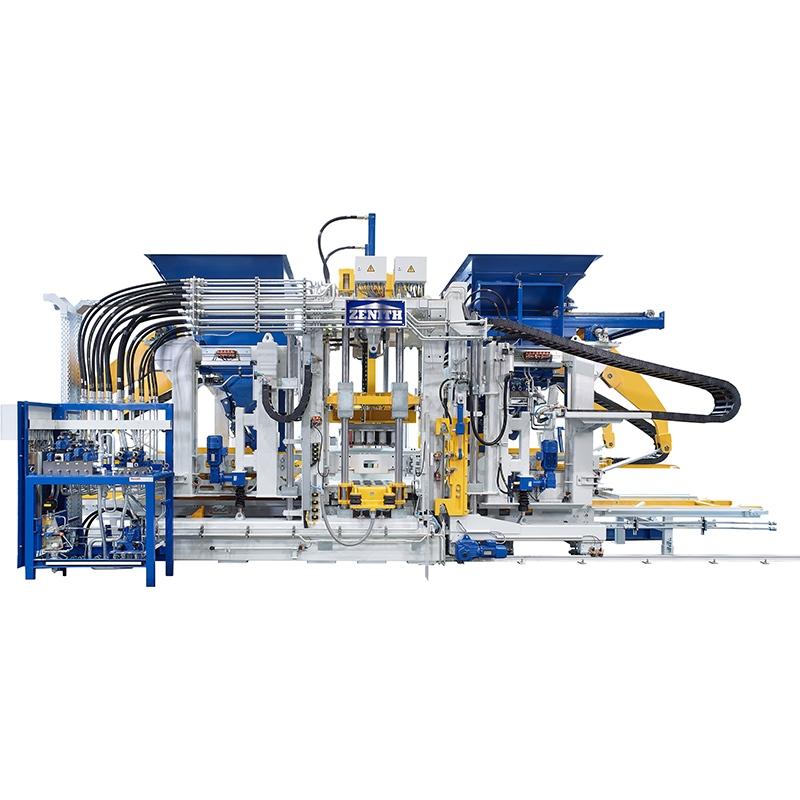
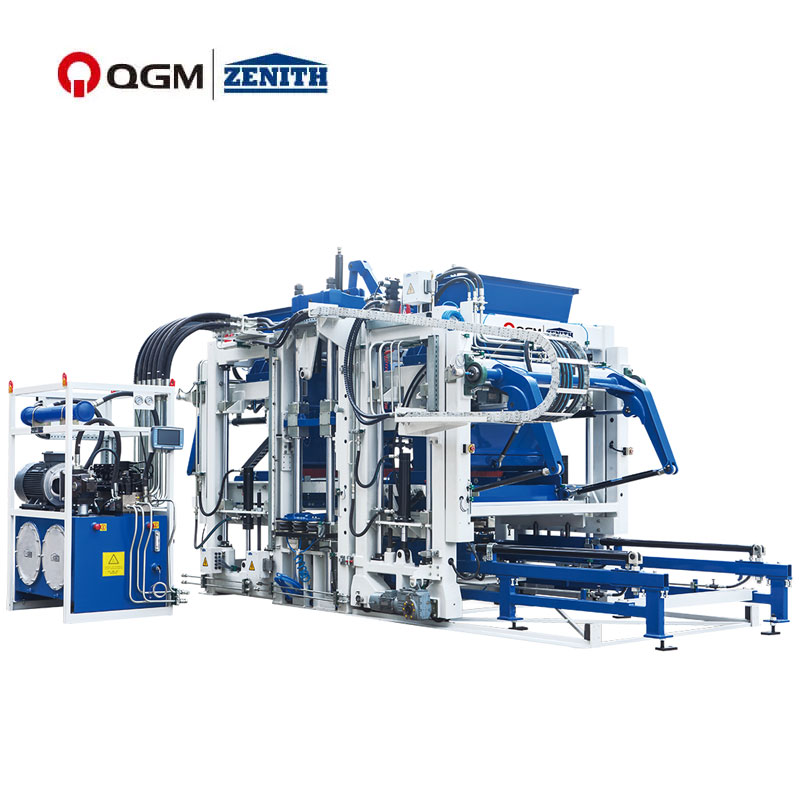
QGM Automatic Block Making Machines

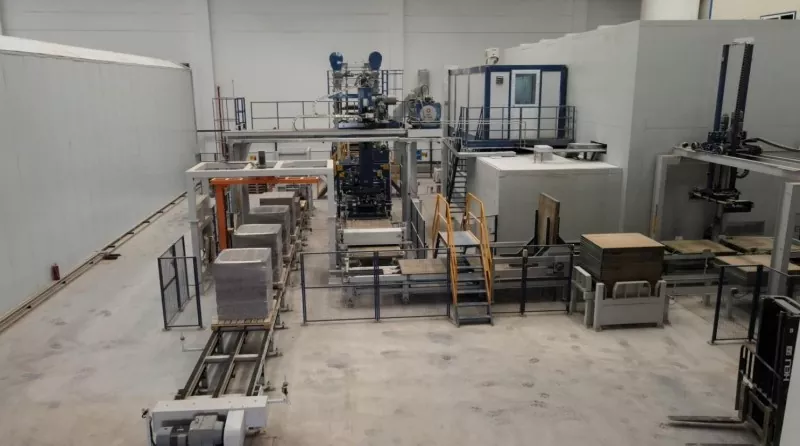
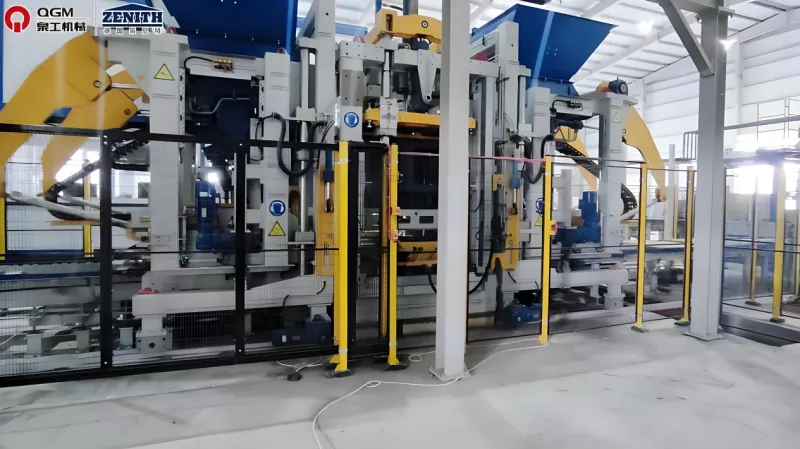
△Global Applications of QGM Automatic Block Making Machines


Rather than evaluating a machine solely by its initial purchase price, professional equipment selection should consider the complete lifecycle value of the investment. Factors such as equipment reliability, production efficiency, automation level, manufacturing quality, energy consumption, maintenance requirements, spare parts availability, and long-term technical support can all influence the actual cost and productivity of a concrete block production line.

QGM automatic block making machines can be configured for a range of concrete products, including concrete masonry blocks, solid and hollow blocks, interlocking paving blocks, kerbstones, and other precast concrete products. Equipment configuration can be developed according to production capacity, mold requirements, raw material characteristics, automation needs, and specific project conditions.

For manufacturers comparing used block making equipment with new machinery, the same investment principle applies: production reliability and lifecycle value should be evaluated alongside the initial purchase price. A lower-cost machine only provides a genuine economic advantage when it can deliver the required output, product quality, and operating reliability at an acceptable long-term cost. By comparison, a new automatic block making machine can provide greater predictability through new components, current technology, controlled manufacturing quality, and structured technical support.

Ultimately, the goal is not simply to purchase a concrete block machine at the lowest possible price, but to invest in a production system capable of delivering consistent performance, manageable operating costs, and sustainable production value over its service life.


Used Block Making Machine Inspection Checklist: What Buyers Should Verify

Purchasing a used block making machine should never be based solely on photographs, external appearance, or the seller’s asking price. A structured pre-purchase inspection provides a more objective assessment of the machine’s mechanical condition, production capability, remaining service life, and potential maintenance costs.

Before purchasing used block making equipment, buyers should review the machine’s operating and maintenance history, inspect the mold and forming system, and evaluate the hydraulic, drive motor, electrical, and control systems. The inspection should include checking hydraulic pressure and movement, monitoring motor operating temperature, verifying PLC and safety functions, and identifying signs of component wear, leakage, overheating, or abnormal operation.

Whenever possible, the used block making machine should also undergo a representative production test rather than a short idle run. Buyers should verify repeated production cycle stability, actual product dimensions and quality, achievable production output, material feeding, pallet handling, and the level of operator intervention required under normal operating conditions.

Finally, all foreseeable costs should be included in the investment assessment, including transportation, installation, repairs, mold replacement, spare parts, maintenance, electrical upgrades, and potential production downtime. Estimating the machine’s remaining service life and comparing its total cost of ownership with that of a new automatic block making machine can provide a more accurate basis for the final purchasing decision.

The objective is therefore not simply to find the lowest-priced used block machine. The better investment is equipment that can provide reliable production, consistent concrete product quality, sufficient production capacity, and predictable operating costs throughout its remaining service life.


Make a More Informed Decision When Buying a Block Making Machine

A used block making machine can be a practical investment when its operating history, equipment condition, production performance, and remaining service life have been properly verified. However, hidden wear or deferred maintenance can quickly turn a low purchase price into higher repair costs, unexpected downtime, and reduced production efficiency.

Critical systems such as the mold and forming unit, hydraulic system, drive motor, vibration system, and electrical controls can provide valuable information about the machine’s actual condition. A comprehensive production test is equally important, as it demonstrates whether these systems can operate together consistently under representative production conditions and deliver the required product quality and output.

For manufacturers seeking reliable long-term concrete product production, it is also worthwhile to compare the expected lifecycle value of used block making equipment with that of a new automatic block making machine. Factors such as production capacity, equipment reliability, automation level, maintenance requirements, spare parts availability, technical support, and total cost of ownership should all be considered before making the final investment decision.

QGM provides automatic block making machines and complete concrete block production solutions developed around specific production requirements, product applications, raw material conditions, and long-term operating objectives. Our solutions can support the production of concrete blocks, paving blocks, interlocking pavers, kerbstones, and other precast concrete products.

Whether you are evaluating a used block machine, upgrading an existing production facility, or planning a new concrete block production line, QGM can provide equipment configuration and engineering solutions based on your production capacity, product requirements, automation needs, and project conditions.


Global Block Making Machine Manufacturer

△QGM: Global Block Making Machine Manufacturer and Technology Provider


FAQ

1. What should I check before buying a used block making machine?

Start with the mold, hydraulic system, motor, and electrical controls. Then review the machine's maintenance history and conduct a production test to verify actual operating performance.


2. Why is mold condition important on a used concrete block machine?

Mold wear can affect product dimensions, surface quality, forming accuracy, and production yield. Measuring the mold rather than relying only on visual inspection can help identify excessive wear.


3. How can I test the hydraulic system of a used block machine?

Run the machine under normal operating conditions and monitor hydraulic pressure, cylinder movement, oil temperature, leakage, and abnormal noise. Significant pressure fluctuations may indicate hydraulic component wear.


4. How do I identify motor problems on a used brick making machine?

Check for abnormal noise, excessive vibration, overheating, and unstable operation. Motor temperature should also be monitored during operation, preferably under load.


5. Is buying a used block making machine cheaper in the long term?

Not necessarily. The total cost may include repairs, replacement parts, installation, maintenance, energy consumption, and downtime. Buyers should compare total lifecycle costs rather than purchase price alone.

Related News
Leave me a message
X
We use cookies to offer you a better browsing experience, analyze site traffic and personalize content. By using this site, you agree to our use of cookies. Privacy Policy
RejectAccept