ZENITH Maschinenfabrik GmbH

QGM T10 Block Making Machine: Turning Production Demands into a More Efficient Concrete Block Plant

2026-08-24 0 Leave me a message

For a concrete products manufacturer, upgrading a production line is rarely just about replacing one machine.

The real question is what the equipment can contribute to the factory over years of production. Can it maintain consistent molding quality? Can it handle different concrete products? Can automation reduce manual intervention? Can the production process be monitored more effectively? And can the same production system adapt as the factory's product portfolio and production requirements change?

These questions are becoming increasingly important as infrastructure development, green building, and precast concrete manufacturing continue to drive demand for concrete blocks, paving products, and other concrete products.


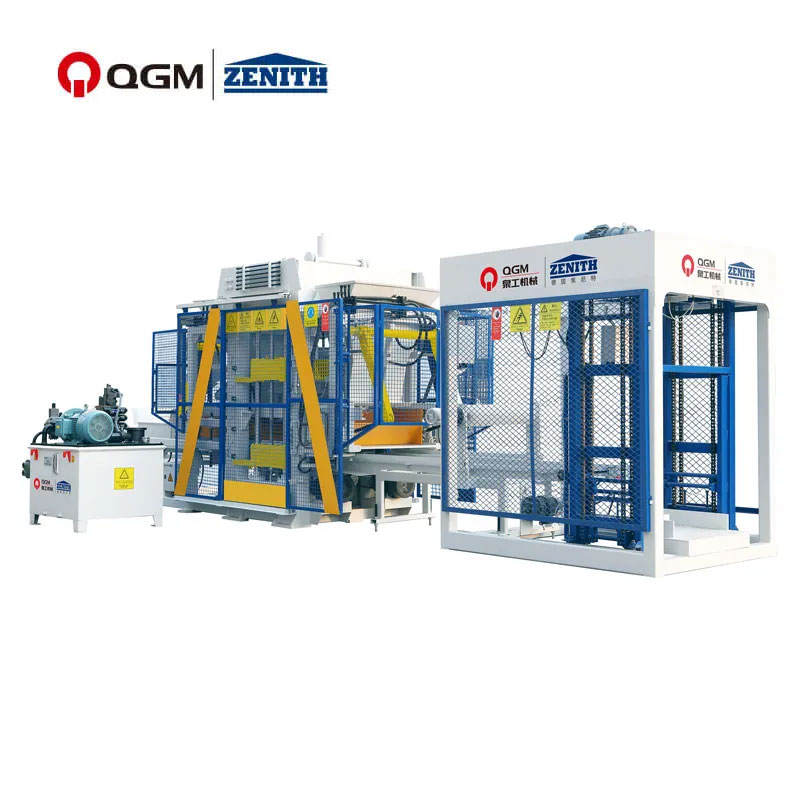
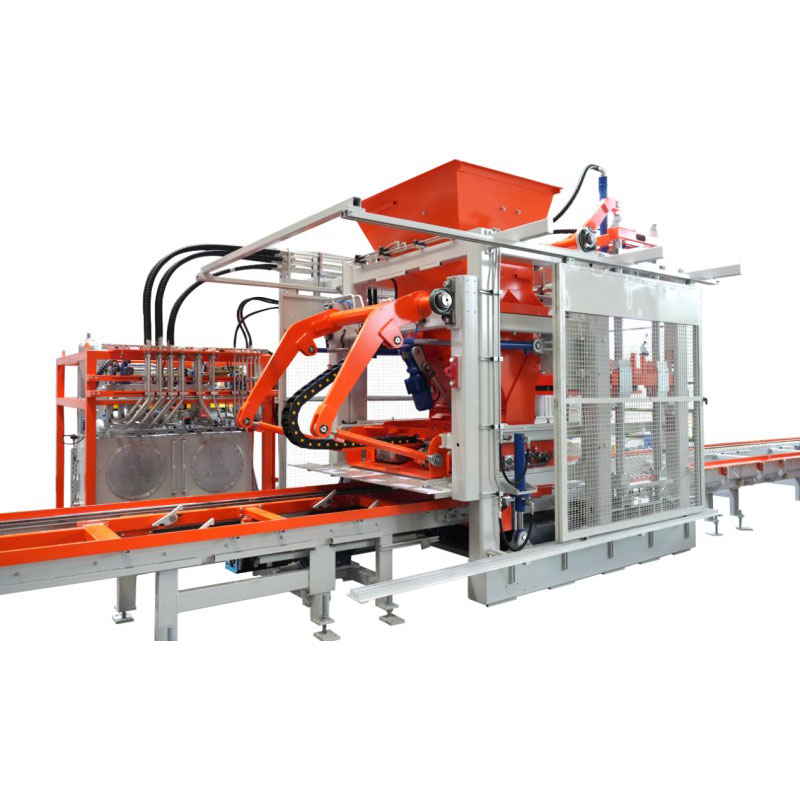
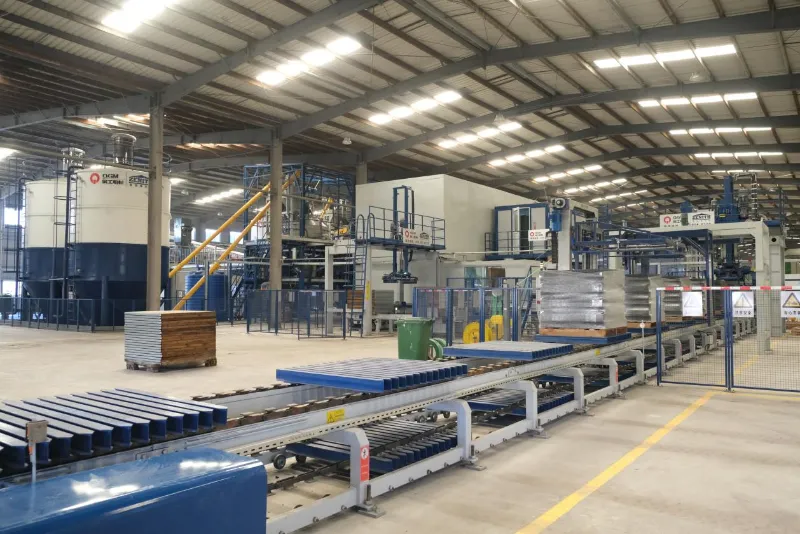
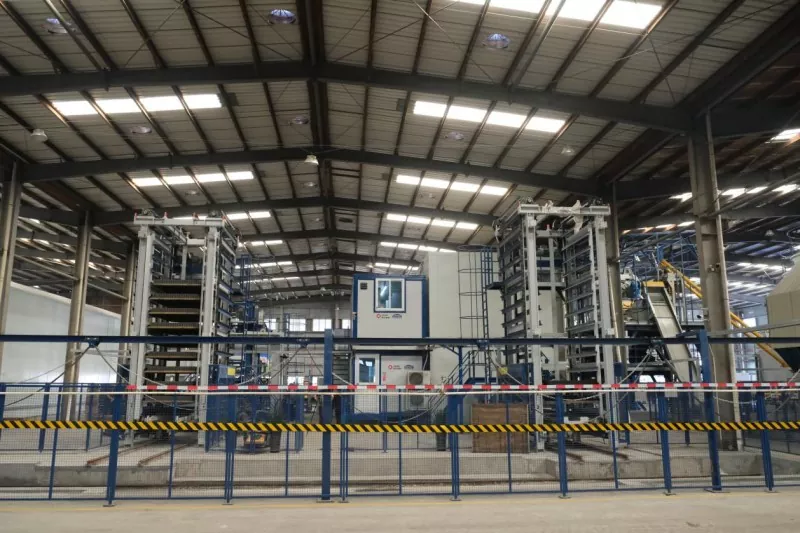
The QGM T10 block making machine was developed around these production requirements. Rather than functioning as an isolated piece of equipment, the T10 can serve as the core of an integrated production system covering batching, mixing, material feeding, molding, pallet transfer, and stacking.


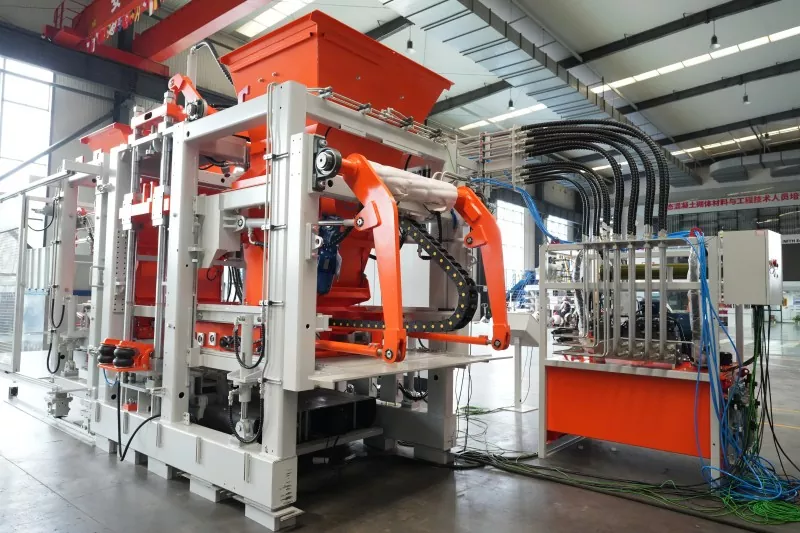
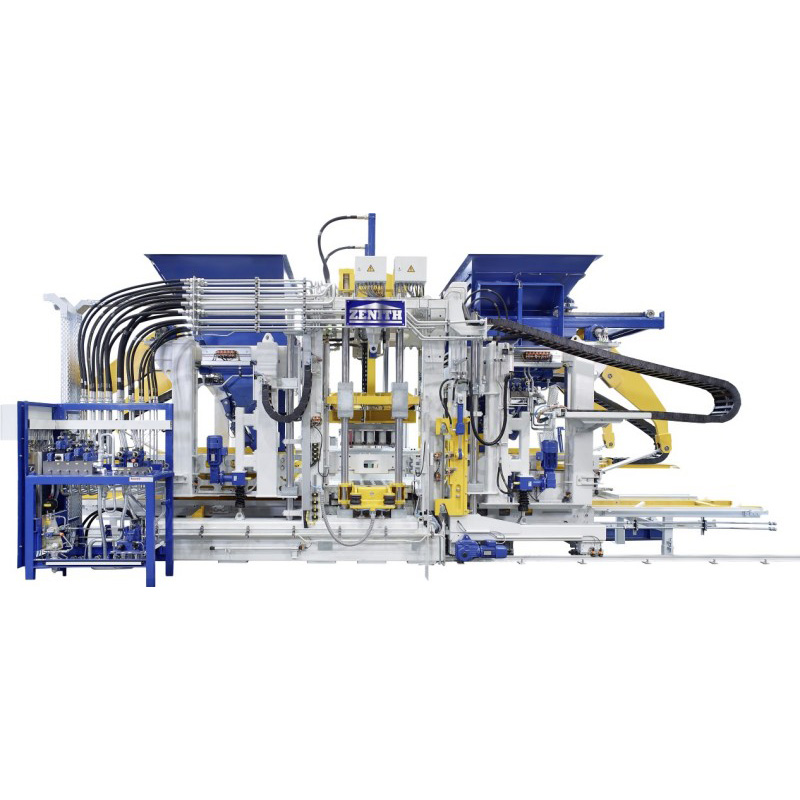
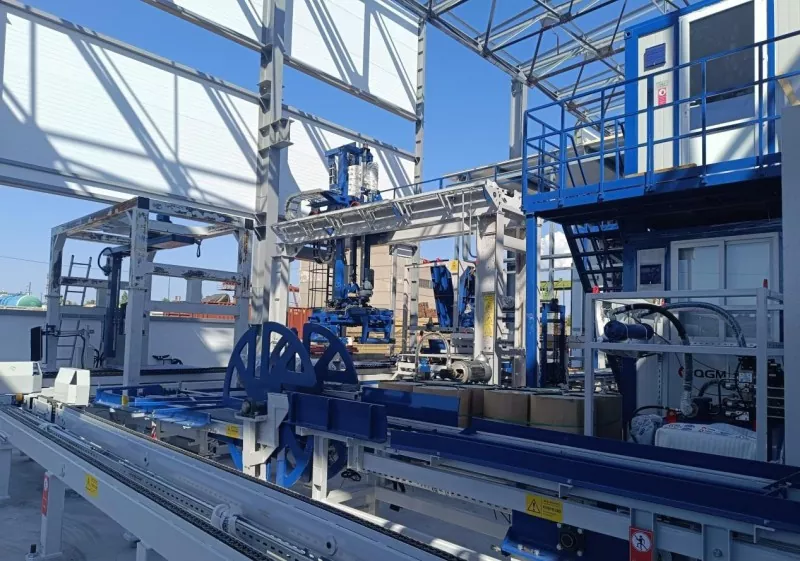
QGM T10 Block Making Machine

△QGM T10 Block Making Machine: Advanced Technology for Automated Concrete Block Production


For manufacturers planning a new concrete block plant or modernizing an existing facility, the focus is therefore not simply on buying a new block machine.It is about creating a production system that can deliver stable output, flexible product manufacturing, and more efficient plant operation.


The Starting Point: What Does a Modern Block Plant Need From Its Equipment?

Concrete products manufacturing has changed significantly. A production line may need to manufacture several product types instead of a single block. Operators may need to manage higher production volumes with fewer manual processes. At the same time, manufacturers are paying greater attention to equipment monitoring, energy consumption, maintenance, and the use of alternative raw materials.

This changes the role of the block making machine. The machine still needs to deliver reliable molding performance, but it must also work as part of a larger production system.That is where the T10 production concept begins.

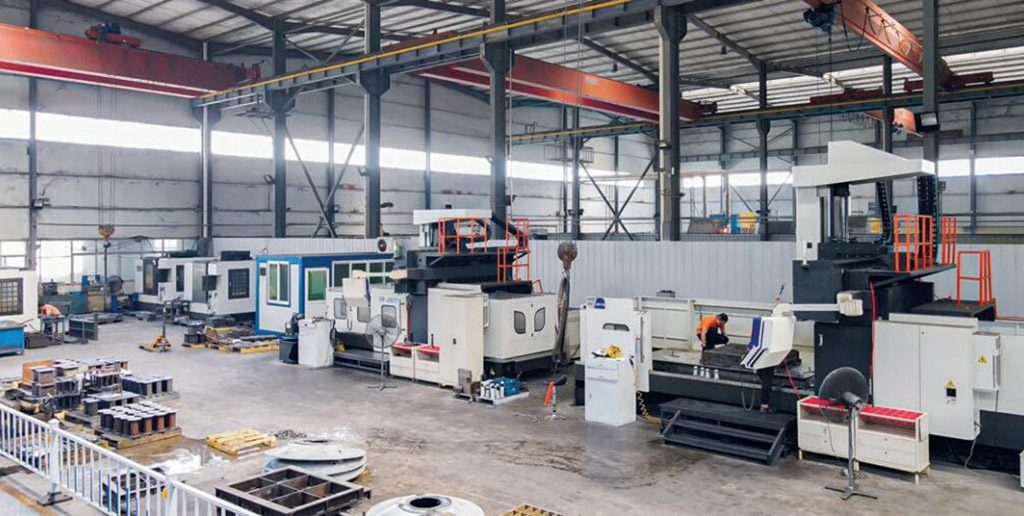
The T10 uses a high-strength machine frame designed for demanding production conditions and combines dynamic and static table vibration with top-mold vibration during the molding process.

Rather than relying on a single vibration action, the coordinated system helps compact the concrete mixture and supports consistent product density, strength, and appearance.

For a manufacturer, the benefit is straightforward: the core molding process becomes a stronger foundation for continuous concrete products production.


One Molding System, Multiple Product Opportunities

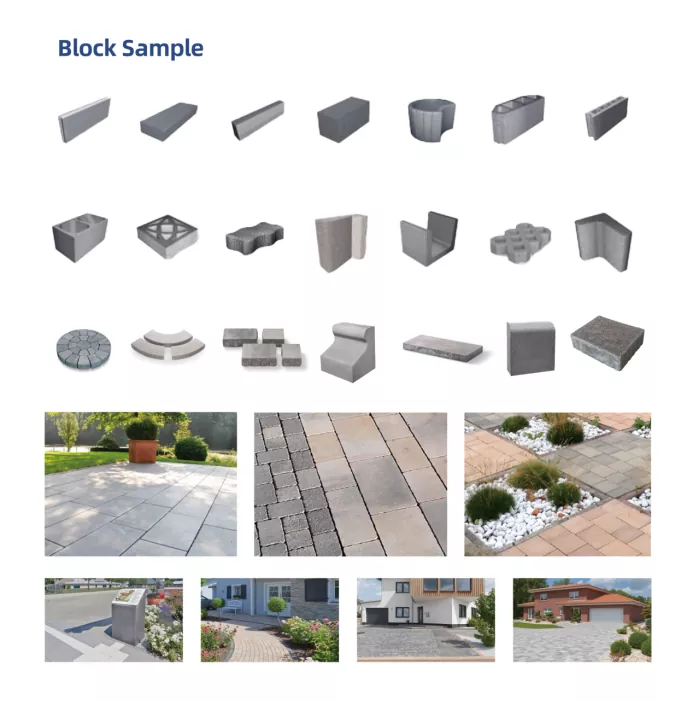
A production line has greater value when it can respond to more than one market requirement.With appropriate molds, the T10 can produce hollow concrete blocks, standard blocks, concrete paving blocks, permeable paving blocks, curbstones, and ecological retaining blocks.

The production line can also be equipped with a secondary material feeding system for colored and decorative surface-finished products.

This flexibility gives manufacturers more room to adjust their product mix.For example, the same production system can support building block production while also serving municipal paving, landscaping, or ecological construction projects.

That makes the concrete paving block machine configuration particularly relevant for manufacturers whose business extends beyond conventional masonry blocks.

Instead of designing the factory around one fixed product, manufacturers can configure the molding system around a broader range of concrete products.


When the Machine Becomes Part of the Production Flow

The next challenge is not molding itself; it is coordination.

A standalone block making machine may perform the core forming process, but a modern concrete products factory also has to manage aggregate weighing, mixing, feeding, pallet handling, product transfer, and stacking.

If these processes depend heavily on manual coordination, production efficiency can be affected by interruptions and inconsistent operation.

The T10 production line approaches the process differently. The major production stages are connected into a coordinated workflow:

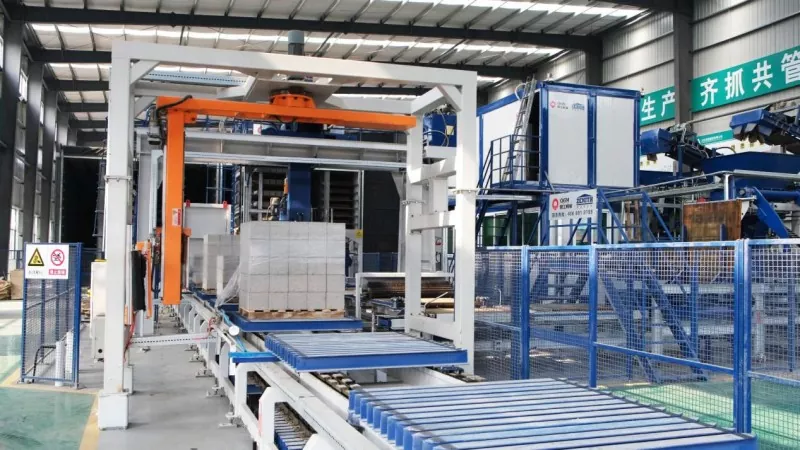
Aggregate batching and weighing → Mixing → Forced material feeding → Compression and vibration molding → Pallet transfer → Finished-product stacking

This configuration allows multiple production units to operate as one system rather than as separate pieces of equipment.


Automation That Supports the Operator — Rather Than Simply Replacing the Operator

Automation is often discussed in terms of reducing manual labor.For a modern block plant, however, another benefit is equally important: making the production process easier to monitor and manage.

The T10 block making machine incorporates an intelligent electrical control system with equipment monitoring and fault diagnosis functions.Operators can use the control interface to monitor equipment status during production, while the diagnostic function can assist with identifying operating issues.

The system also supports remote operation and maintenance, providing additional support for equipment monitoring and technical service. This creates a different relationship between the operator and the equipment.

Instead of relying entirely on manual observation, production personnel can obtain more information about machine operation and respond to equipment conditions more efficiently.


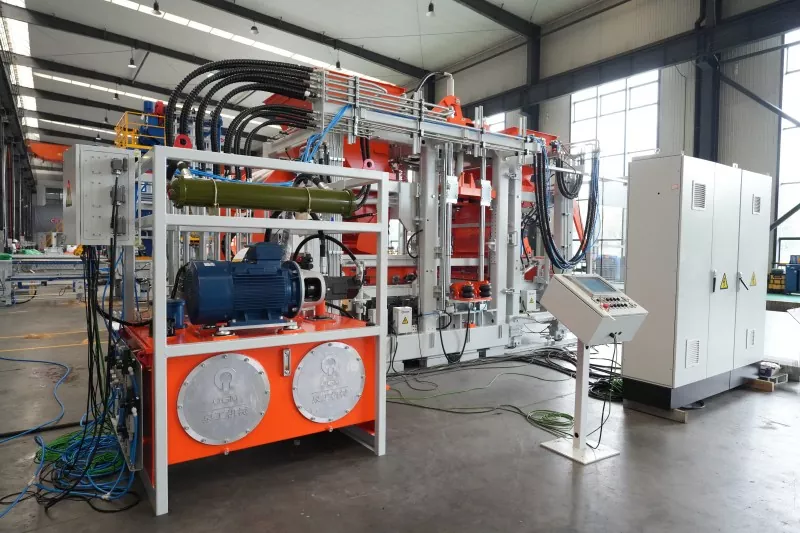
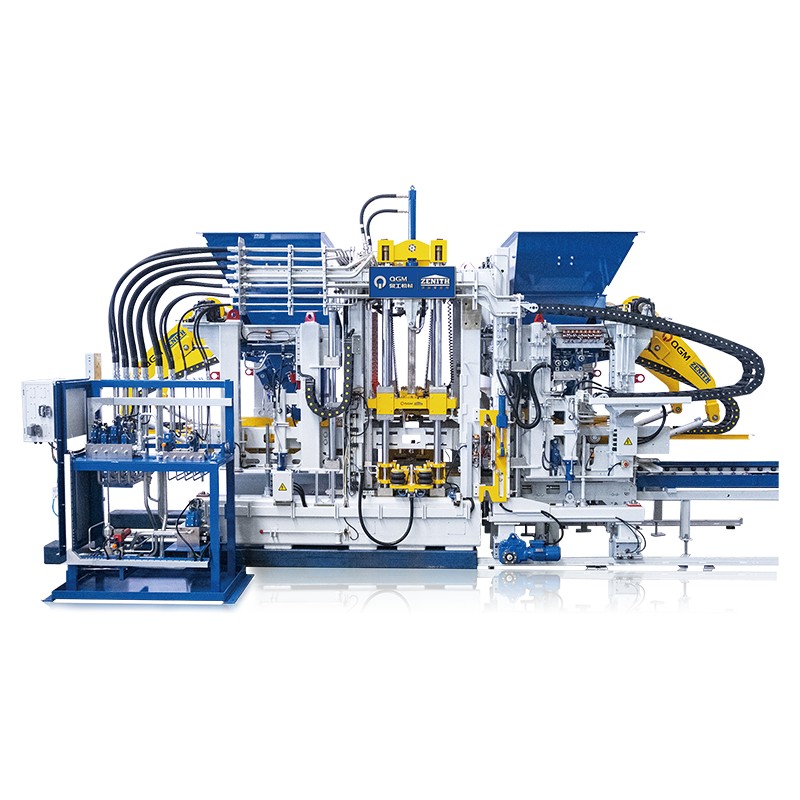
QGM T10 Block Making Machine

△QGM T10 Block Making Machine for High-Efficiency Concrete Block Production


For a factory operating a modern automatic block making machine, this type of control capability can become an important part of day-to-day production management.


Efficiency Is Also About How the Machine Uses Energy

Production efficiency is not determined by output alone.Energy consumption is another part of the operating equation.

The T10 uses an optimized variable-frequency control approach to regulate equipment operation according to production requirements. This helps maintain smoother operation and supports better control of energy consumption.

For manufacturers operating a production line over the long term, improvements in equipment control can contribute to better cost management.This is why modern block production equipment needs to be evaluated beyond its purchase price.

The more useful question is:How efficiently can the equipment support production throughout its operating life?


Production Flexibility Starts With Material Distribution

Even with a high-performance molding system, the quality of the final product depends heavily on what happens before molding.Material distribution needs to be consistent.

The T10 production line incorporates an optimized material feeding system designed to provide more uniform discharge and reduce problems associated with insufficient or uneven filling.This helps create more consistent material distribution inside the mold before vibration molding takes place.

The hydraulic system is also designed for smooth response and precise pressure adjustment, supporting accurate mold movement and positioning.

For manufacturers producing multiple concrete products, this becomes particularly valuable when changing molds and production configurations.The production line can therefore support a more flexible manufacturing strategy instead of locking the factory into one product specification.


When Raw Materials Change, Production Equipment Must Adapt

Another issue facing concrete products manufacturers is the growing interest in resource recycling.

Construction waste, slag, and other solid waste materials can potentially become alternative sources of recycled aggregates when they meet the requirements for concrete products manufacturing.

The T10 production line can accommodate suitable recycled aggregates derived from construction waste, slag, and other solid waste materials. This gives manufacturers greater flexibility in raw material utilization while creating opportunities to increase the resource value of solid waste.

It reflects a broader shift in concrete products manufacturing: production equipment increasingly needs to accommodate not only conventional raw materials but also changing approaches to resource utilization and sustainable manufacturing.


From a Block Machine to a Factory-Level Production Solution

At this point, the difference between buying a machine and building a production system becomes clear. A block machine is responsible for the core molding process.

A complete concrete block production line, however, needs to connect the entire manufacturing workflow. That includes:

●Raw material handling

●Aggregate batching

●Mixing

●Material feeding

●Vibration molding

●Pallet transfer

●Product stacking

●Equipment monitoring

●Production management

The T10 integrates these stages into an automated production configuration, allowing manufacturers to move from individual machine operation toward coordinated plant production. This approach is particularly relevant for manufacturers that are no longer looking for a single-purpose machine but are planning a complete modernization of their concrete products factory.


A Flexible Solution for Different Concrete Products

Not every block plant serves the same market. Some manufacturers focus on masonry blocks. Others supply paving products, municipal projects, landscaping applications, or ecological construction materials.

The T10 can be configured for different production requirements.

1. Municipal and Infrastructure Projects

Concrete paving blocks, permeable paving blocks, and curbstones can support urban road and infrastructure applications.


2. Landscaping and Urban Development

Different molds and product configurations allow manufacturers to produce concrete products for landscape pathways, paving, and related projects.


3. Water Conservancy and Ecological Protection

Ecological retaining blocks can support suitable slope protection and ecological engineering applications.


4. Multi-Product Manufacturing

Manufacturers can change molds to produce different concrete product types and specifications, allowing the factory to respond to changing project requirements and market demand.


A manufacturer does not have to treat every new product opportunity as a reason to build an entirely separate production system.


Block Sample


New Factory or Existing Plant? The Equipment Strategy Can Be Different

A new factory has the opportunity to design the production process from the ground up. For an existing concrete products manufacturer, the challenge is different.

The company may already have a plant, existing equipment, established production processes, and an existing product portfolio. In this situation, equipment modernization needs to work within the realities of the existing factory.

The T10 can be applied both to new concrete block plants and to automation upgrades for existing production facilities. Equipment configuration can be matched to plant layout, product requirements, and target production capacity.


That means the right equipment decision should begin with the factory rather than the machine catalog. Before selecting a production line, manufacturers should evaluate:

●What products need to be manufactured?

●What production capacity is required?

●What raw materials are available?

●How much space is available?

●What level of automation is required?

●How many product specifications need to be produced?

●What future capacity expansion is expected?

●What level of maintenance and technical support will be required?

These questions help determine whether a specific equipment configuration can deliver value in the actual production environment.


The Value of an Automatic Block Making Machine Goes Beyond Automation

A modern automatic block making machine should not be evaluated simply by counting how many processes are automated.The more important consideration is how those processes work together.

For the T10, automated batching, mixing, material feeding, molding, transfer, and stacking form one coordinated production workflow.

Intelligent control adds equipment monitoring and fault diagnosis. Flexible molding supports multiple product types. Recycled-material compatibility creates additional raw material options. And the ability to configure the system for new plants or existing factory upgrades provides greater flexibility for different investment scenarios.


What Should Manufacturers Look for in a Modern Block Production Line?

The T10 experience also points to a broader equipment-selection principle. When evaluating a new concrete block production line, manufacturers should look beyond individual machine specifications. A more complete evaluation should include:

1. Production Performance

Can the molding system consistently deliver the required product quality?


2. Product Flexibility

Can the equipment manufacture different products through appropriate mold configurations?


3. Automation

Can production processes operate in a coordinated manner with less manual intervention?


4. Equipment Management

Can operators monitor machine status and identify faults efficiently?


5. Raw Material Adaptability

Can the production system accommodate suitable recycled aggregates and alternative material sources?


6. Upgrade Potential

Can the equipment support both new factory construction and existing plant modernization?


7. Long-Term Support

Can maintenance and technical support requirements be addressed throughout the equipment lifecycle?


This broader approach changes how manufacturers should evaluate the value of a block-making machine.


The Next Step Is Not Simply a New Machine

For a concrete products manufacturer, a production upgrade should have a clear purpose.

It may be to introduce new product categories.

It may be to reduce manual handling.

It may be to improve production consistency.

It may be to modernize an existing factory.

Or it may be to build a new automated concrete block production system from the beginning.

The equipment should be selected according to that objective.


The QGM T10 is designed to serve as the core of such a system, combining high-strength machine construction, coordinated vibration molding, automated material handling, intelligent control, flexible mold configurations, and compatibility with suitable recycled aggregates.

Backed by QGM's construction machinery manufacturing experience, T10 production lines have been applied in projects in China and international markets and tested under different operating conditions.

For manufacturers planning a new factory, expanding capacity, or upgrading an existing production line, the next investment does not have to be viewed as simply replacing equipment.

It can be an opportunity to redesign how the factory produces concrete products.


Build the Production System Around Your Next Manufacturing Goal

The right block production equipment starts with the production requirement.

Whether the objective is to manufacture hollow blocks, standard blocks, concrete paving blocks, permeable paving blocks, curbstones, or ecological retaining blocks, the T10 can be configured according to product type, target capacity, raw materials, plant layout, and automation requirements.

From a single block machine to a complete concrete block production line, QGM provides equipment configurations designed around the actual needs of concrete products manufacturers.

If you are planning a new concrete block plant or considering an automation upgrade for an existing facility, contact QGM to discuss your production requirements and develop a tailored block manufacturing solution.


FAQ

1. What products can the QGM T10 block making machine produce?

With suitable molds, the T10 can produce hollow concrete blocks, standard blocks, concrete paving blocks, permeable paving blocks, curbstones, ecological retaining blocks, and decorative surface-finished products.


2. Can the QGM T10 be integrated into an automatic block production line?

Yes. The T10 can integrate batching, mixing, material feeding, vibration molding, pallet transfer, and finished-product stacking into a coordinated automated production workflow.


3. Can the T10 block machine use recycled aggregates?

Yes. The T10 production line can accommodate suitable recycled aggregates derived from construction waste, slag, and other solid waste materials.


4. Is the T10 suitable for upgrading an existing concrete block plant?

Yes. The T10 can be used for new concrete block plants as well as automation upgrades and modernization projects for existing production facilities.


5. What should manufacturers consider when choosing a concrete block production line?

Key considerations include product types, target production capacity, raw material conditions, plant layout, automation requirements, mold configurations, future expansion, equipment maintenance, and technical support.

Related News
Leave me a message
X
We use cookies to offer you a better browsing experience, analyze site traffic and personalize content. By using this site, you agree to our use of cookies.Privacy Policy
RejectAccept