No matter whether you operate a block machine, a paving block machine, or a complete concrete block manufacturing plant, product consistency determines your competitiveness.
Many factories focus on increasing daily output, but overlook a more important indicator—whether every block leaving the production line meets the same quality standard.
When compressive strength, dimensions, or surface appearance vary from batch to batch, the problem is rarely accidental. In most cases, production instability is caused by multiple process variables acting together, from raw materials to equipment performance and automation control.
Understanding these factors is the first step toward building a stable, efficient and profitable production line.
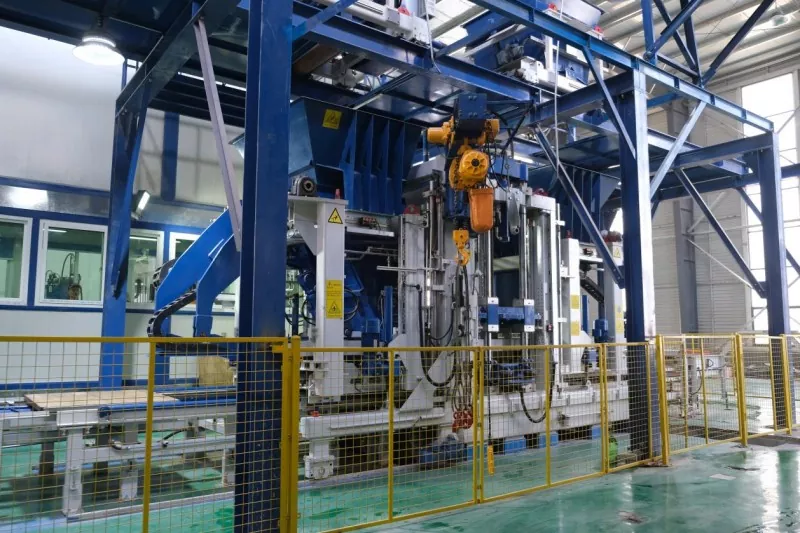
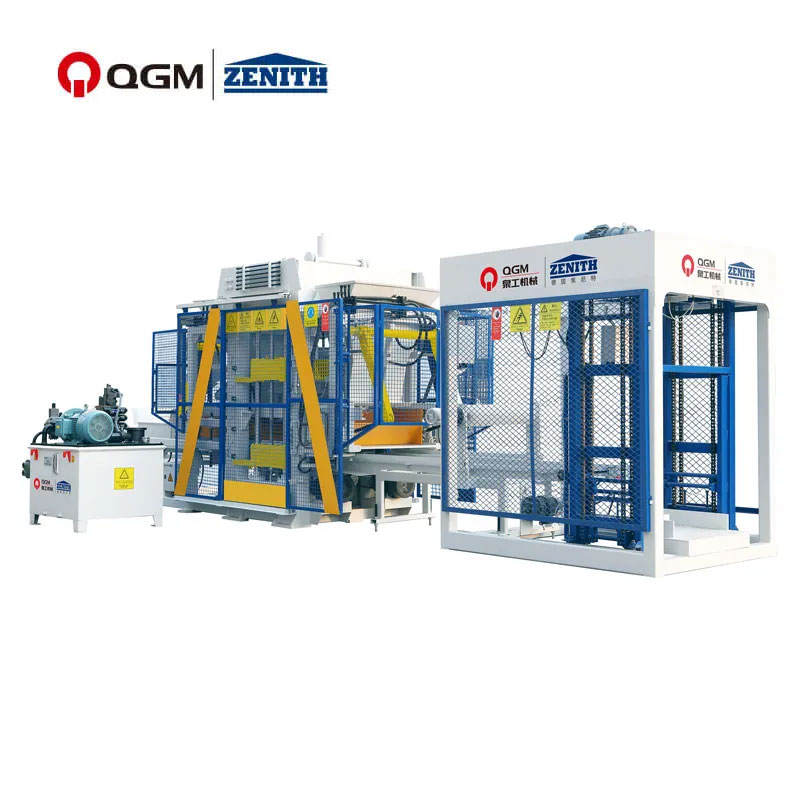
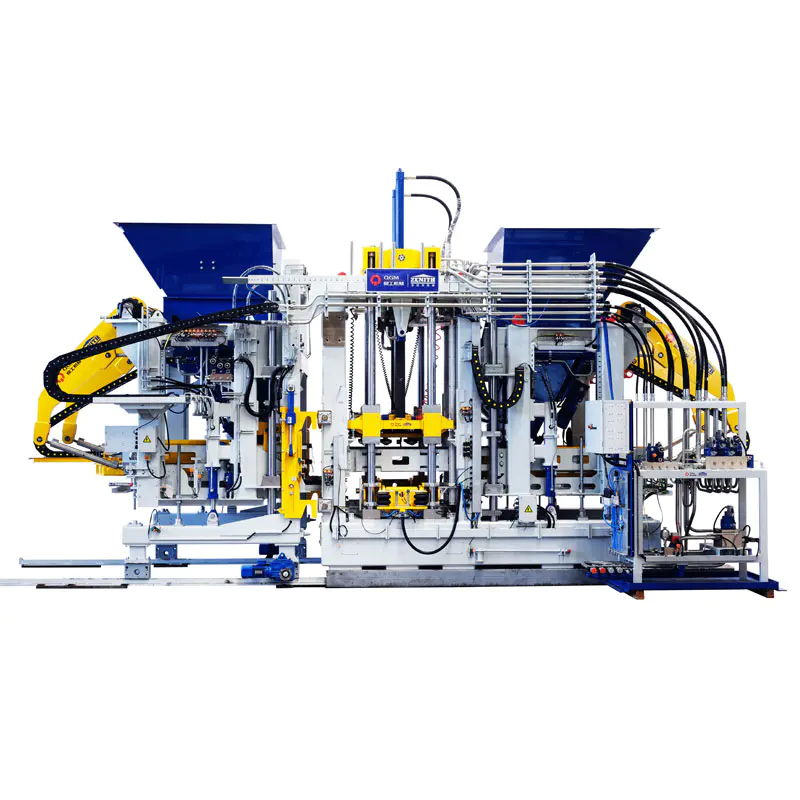
△QGM Automatic Block Machines
Even the most advanced cement paving block machine cannot compensate for inconsistent raw materials.
Fluctuations in aggregate grading, excessive moisture, or inconsistent cement quality directly affect concrete density and compaction performance. As these variables accumulate throughout production, the finished blocks may show differences in strength, weight and appearance.
Typical causes include
●Inconsistent aggregate particle size
●Uncontrolled moisture content
●Poor batching accuracy
●Changing cement quality between suppliers
Manufacturers should establish a standardized inspection procedure before raw materials enter production.
Key measures include:
✔ Moisture testing before batching
✔ Regular aggregate grading analysis
✔ Fixed mix design based on product specifications
✔ Real-time adjustment of the water-cement ratio
By controlling material consistency at the source, manufacturers create a much more stable foundation for every concrete paving block making machine production cycle.
Small variations in water content often create larger differences in block strength than changes in vibration settings.
Compaction is the heart of every paving block making machine.
If vibration energy cannot be distributed evenly throughout the mold cavity, internal air pockets remain inside the concrete mix. These hidden voids reduce compressive strength, increase water absorption and shorten product service life.
Instead of relying solely on higher vibration intensity, modern production emphasizes vibration efficiency.
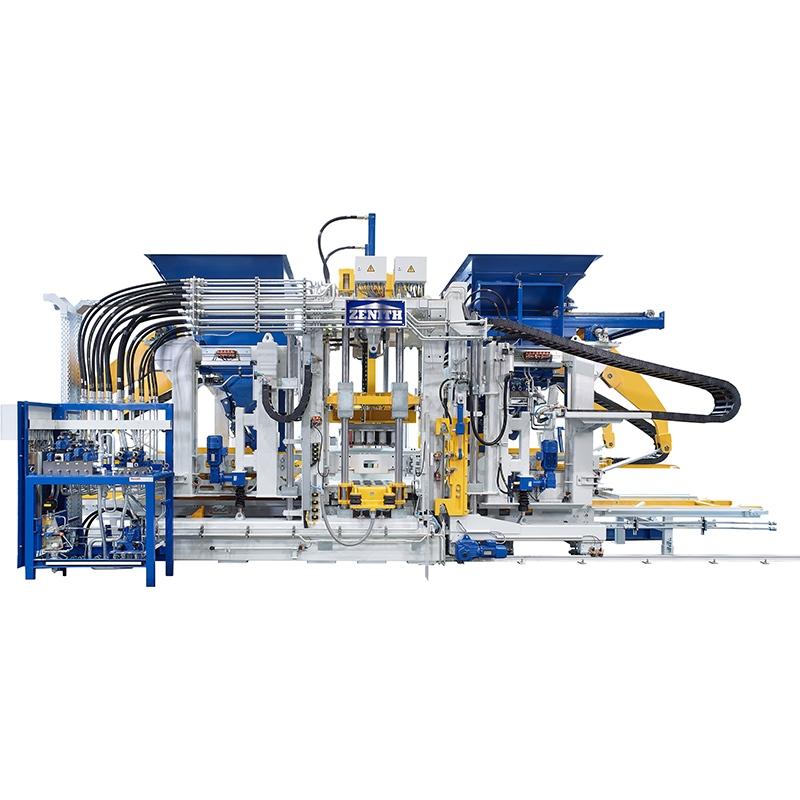
QGM equips its production systems with the Zenith ultra dynamic vibration system, engineered to maximize energy transmission while minimizing unnecessary mechanical resistance.
Its optimized vibration structure provides:
●More uniform concrete distribution
●Improved block density
●Lower cement consumption
●Smoother product surfaces
●Higher production efficiency
Manufacturers should regularly verify:
●Vibration frequency
●Vibration amplitude
●Synchronization between feeder and vibration cycle
●Wear condition of vibration components
Consistent vibration performance enables a concrete paving block machine to produce blocks with reliable quality throughout continuous operation.
Hydraulic performance directly affects mold movement, feeding accuracy and forming pressure.
When pressure fluctuates during production, block dimensions become inconsistent and cycle stability decreases, particularly during high-capacity manufacturing.
For a modern cement paving block making machine, hydraulic precision is just as important as vibration performance.
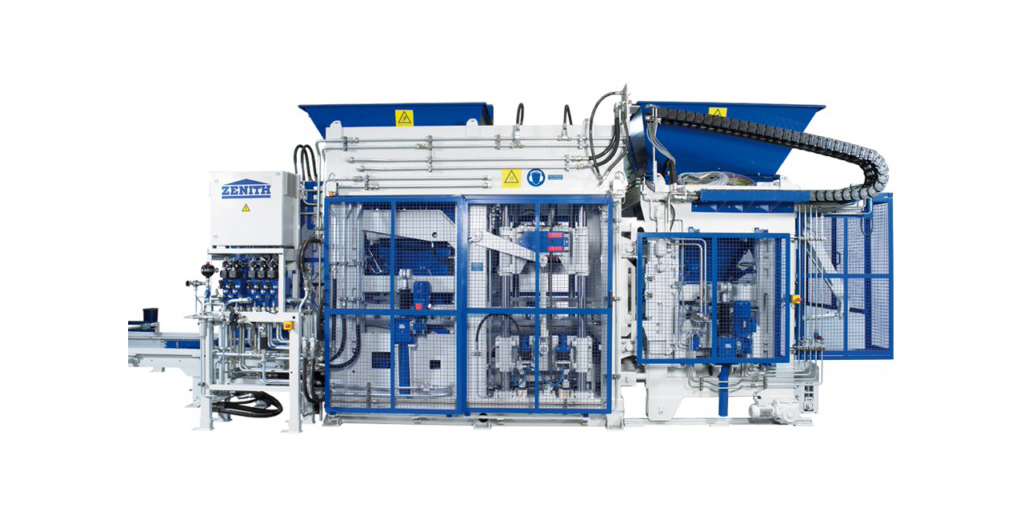
QGM integrates a high-response hydraulic system using premium proportional valves and internationally recognized hydraulic components to deliver:
●Accurate pressure regulation
●Rapid response speed
●Stable mold movement
●Reliable long-term operation
To maintain forming consistency, manufacturers should:
✔ Monitor hydraulic pressure continuously
✔ Replace seals before leakage develops
✔ Inspect filters and hydraulic oil regularly
✔ Schedule preventive maintenance instead of reactive repairs
A stable hydraulic system helps ensure every production cycle performs exactly as programmed.
Many factories still rely heavily on operator experience.
Although experienced personnel remain valuable, manual parameter adjustment often creates production differences between work shifts.
Modern block machine production increasingly depends on digital process management rather than individual judgement.
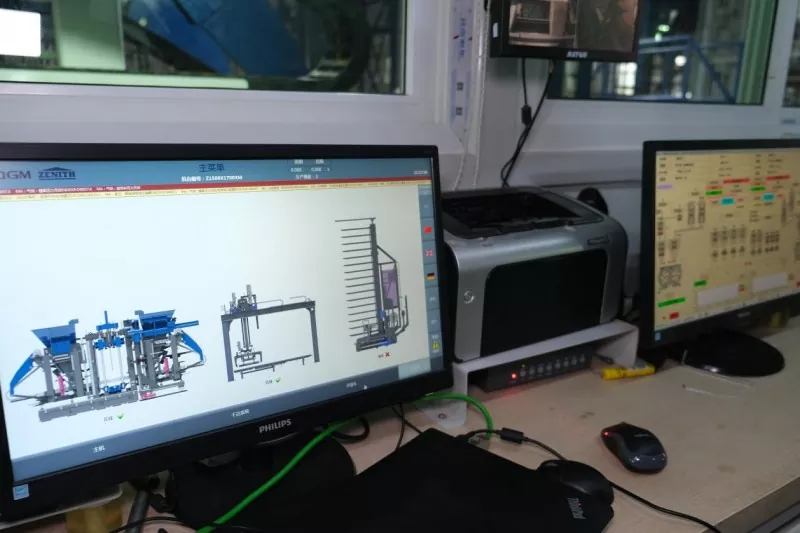
QGM integrates the SIEMENS S7-1500 PLC together with an intelligent HMI interface, creating a centralized control platform capable of monitoring the entire production process in real time.
The system enables operators to:
●Monitor equipment operating status
●Adjust production parameters precisely
●Record production data automatically
●Identify abnormalities before product quality is affected
Combined with the QGM Intelligent Cloud Service Platform, production data can be remotely analyzed, allowing technical engineers to assist customers with parameter optimization, fault diagnosis and preventive maintenance recommendations.
|
Benefits of intelligent process control |
|
|
Conventional Operation |
Intelligent QGM Control |
|
Manual parameter adjustment |
Automatic parameter management |
|
Reactive troubleshooting |
Predictive fault diagnosis |
|
Limited production records |
Real-time production data |
|
On-site service only |
Remote cloud-based technical support |
Digital management significantly reduces production variability while improving operational efficiency across the entire concrete block manufacturing process.
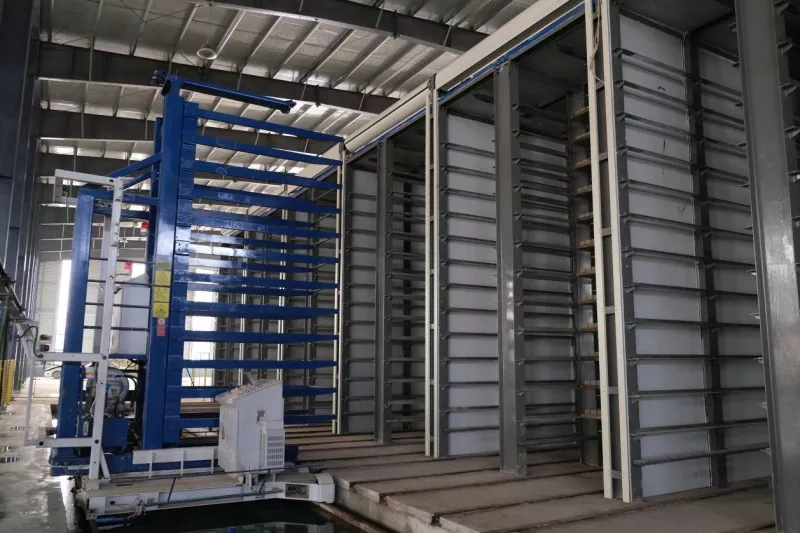
Many manufacturers invest heavily in a high-performance block machine, yet overlook one of the most important production stages—curing. Regardless of how accurately a block is molded, inadequate curing can significantly reduce compressive strength and long-term durability.
Temperature fluctuations, insufficient humidity, or premature handling interrupt the cement hydration process, resulting in inconsistent product quality and increased rejection rates.
Typical curing problems include:
●Premature pallet removal before sufficient strength develops
●Uneven humidity across curing areas
●Temperature changes that slow hydration
●Random curing schedules caused by production bottlenecks
To maintain consistent quality throughout concrete block manufacturing, manufacturers should:
✔ Maintain stable temperature and humidity throughout the curing cycle
✔ Establish standardized curing times according to different block specifications
✔ Optimize curing capacity to match production output
✔ Minimize unnecessary product movement before curing is complete
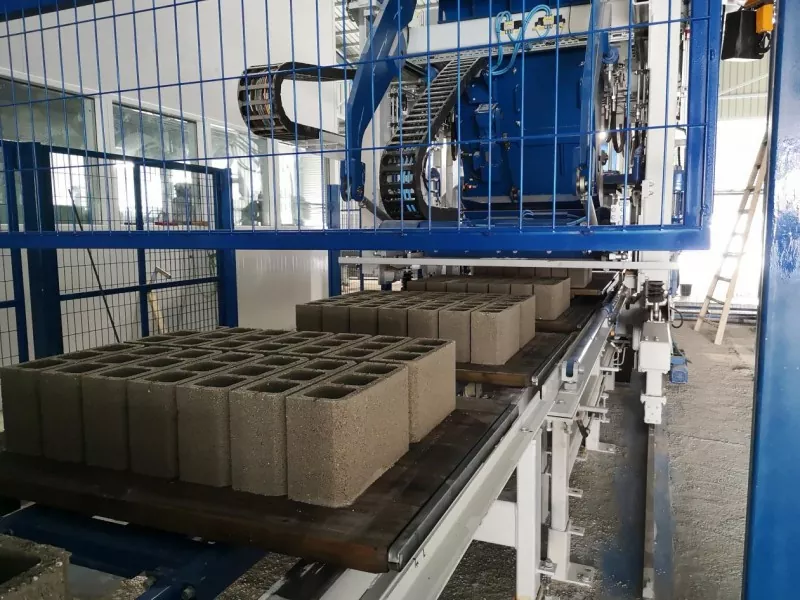
A controlled curing process ensures every block leaves the production line with consistent mechanical performance and appearance.
Many production issues are incorrectly attributed to individual machines. In reality, inconsistent products are often the result of poor synchronization between different production stages.
Even an advanced concrete paving block making machine cannot perform efficiently if batching, feeding, molding, curing and pallet handling operate independently rather than as one coordinated system.
Typical coordination issues include:
●Uneven material feeding into molds
●Unsynchronized vibration and hydraulic movements
●Delays between production and curing
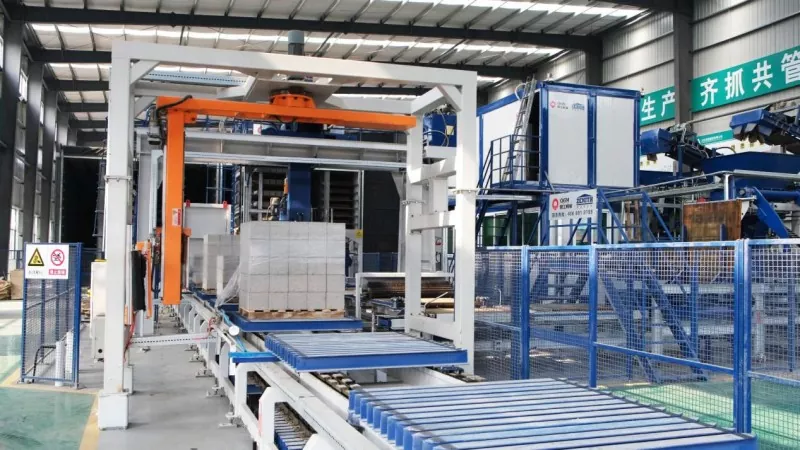
●Bottlenecks during stacking or packaging
Instead of optimizing isolated equipment, successful manufacturers focus on balancing the entire production workflow.
A fully integrated production line allows every process—from batching to finished product handling—to operate at the same production rhythm, improving efficiency while reducing waste.
As production capacity increases, manual supervision becomes increasingly difficult. Human experience alone is no longer sufficient to guarantee stable product quality throughout continuous operation.
QGM addresses this challenge by combining automation, digital monitoring and equipment intelligence into one integrated production platform.
Core technologies include:
●Zenith ultra dynamic vibration system for highly uniform concrete compaction
●Stable hydraulic control for repeatable molding pressure
●SIEMENS S7-1500 PLC intelligent control architecture with real-time parameter management
●Remote equipment diagnostics and production monitoring
●QGM Intelligent Cloud Service Platform for production data analysis, preventive maintenance alerts and remote technical support
Instead of relying solely on operator judgment, manufacturers can monitor production performance through data-driven management, reducing downtime while improving consistency.
This digital production philosophy is particularly valuable for medium and large-scale factories operating multiple production shifts.
Whether producing standard concrete blocks or premium paving products, stable equipment performance directly determines production efficiency and finished product quality.
A modern paving block making machine should not simply deliver high output. It must also maintain consistent vibration, accurate pressure control and precise mold movement throughout thousands of production cycles.
Likewise, a professional cement paving block machine should enable manufacturers to reduce raw material consumption while maintaining dimensional accuracy and compressive strength.
These capabilities become increasingly important as infrastructure projects demand stricter quality standards and tighter delivery schedules.
Today's market no longer rewards manufacturers solely for producing more blocks. Success increasingly depends on producing every block to the same quality standard, day after day.
From raw material preparation to curing management, every stage contributes to the stability of the final product. When equipment, process control and production management operate together, manufacturers can significantly reduce defects, improve production efficiency and lower overall operating costs.
Whether your business focuses on standard masonry units or operates a high-capacity concrete paving block machine, investing in reliable production technology creates long-term competitive value.
QGM provides complete solutions covering block machine, paver block machine, cement paving block making machine, concrete paving block making machine, intelligent production lines, mold solutions and digital factory management systems. Backed by the Zenith ultra dynamic vibration system, SIEMENS S7-1500 PLC control architecture, QGM Intelligent Cloud Service Platform and global after-sales support, we help manufacturers achieve higher productivity, more consistent product quality and sustainable production performance.
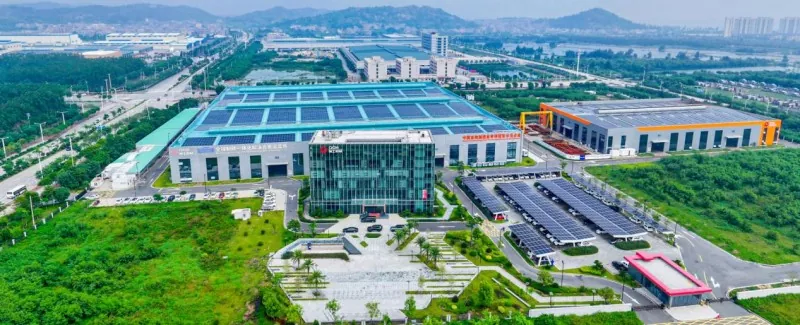
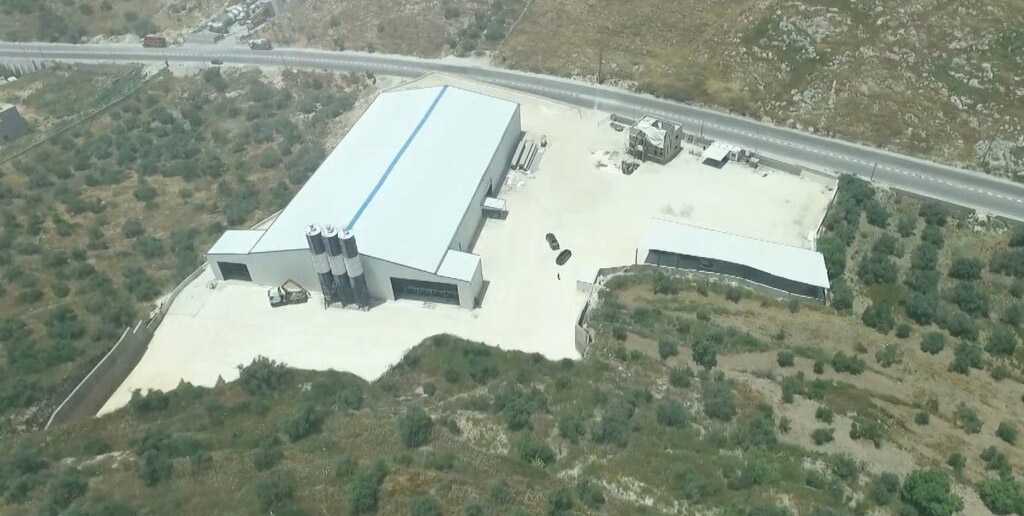
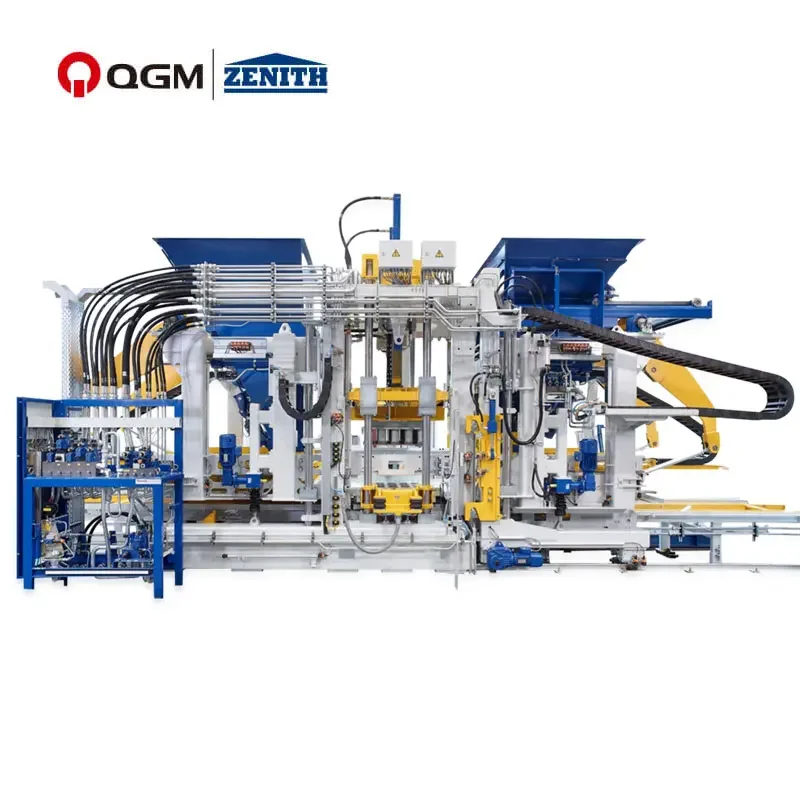
△Welcome to QGM: Global Leader in Automatic Block Machine Solutions
If you are planning to upgrade your existing production line or invest in new equipment for concrete block manufacturing, contact QGM today. Our engineering team can recommend the most suitable solution based on your product requirements, production capacity and local market needs.
Several factors can affect product consistency, even when the same block machine is used. Variations in raw material quality, moisture content, vibration performance, hydraulic pressure, mold condition, curing environment, and operator settings can all lead to differences in block strength, density, and dimensions. Maintaining standardized production procedures and using intelligent process control are essential for stable concrete block manufacturing.
The Zenith ultra dynamic vibration system is designed to deliver more uniform vibration energy throughout the molding process. Compared with conventional vibration systems, it improves concrete compaction, reduces internal air voids, enhances compressive strength, and minimizes cement consumption. This technology is widely applied in high-performance paving block machine and concrete paving block machine production lines where dimensional accuracy and surface quality are critical.
When selecting a paving block making machine, manufacturers should evaluate more than production capacity. Important considerations include vibration technology, hydraulic stability, PLC control system, mold quality, automation level, energy efficiency, after-sales support, and compatibility with future production expansion. A reliable concrete paving block making machine should deliver consistent product quality while minimizing operating costs over the long term.
Modern automation helps reduce human error while improving production consistency. QGM machines equipped with SIEMENS S7-1500 PLC, the QGM Intelligent Cloud Service Platform, and remote monitoring capabilities enable operators to monitor production data in real time, optimize machine parameters, diagnose faults remotely, and perform preventive maintenance. This intelligent management approach significantly improves efficiency in concrete block manufacturing and reduces unexpected downtime.
QGM provides complete production solutions for manufacturers producing concrete blocks, hollow blocks, curbstones, and paving products. Its equipment portfolio includes block machine, paver block machine, cement paving block machine, and cement paving block making machine solutions, supported by the Zenith ultra dynamic vibration system, SIEMENS S7-1500 PLC, precision mold technology, the QGM Intelligent Cloud Service Platform, and comprehensive global after-sales service. From equipment selection and factory planning to installation, commissioning, operator training, and lifecycle support, QGM helps customers achieve stable production, higher productivity, and long-term operational value.