ZENITH Maschinenfabrik GmbH

High-Quality Concrete Block Molds: Manufacturing and Selection Guide

2026-10-23 0 Leave me a message
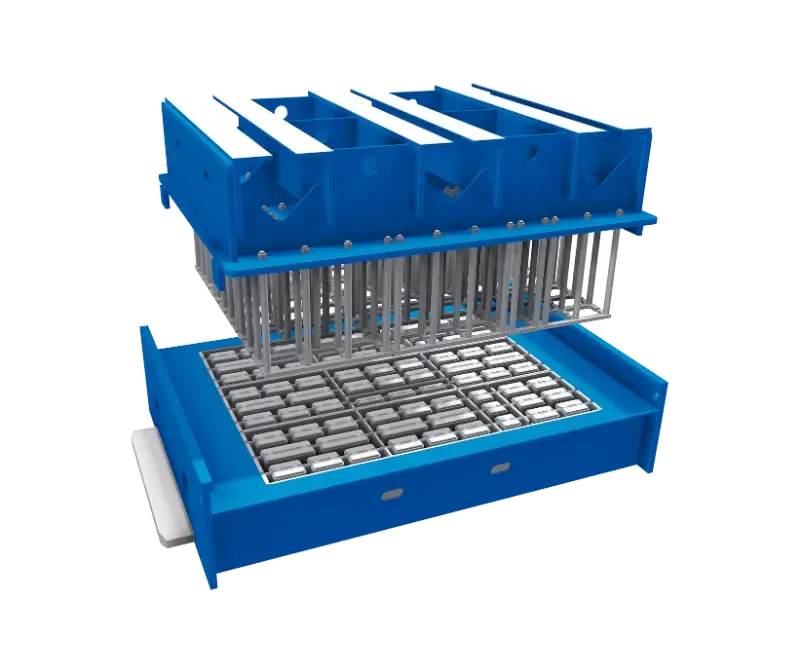
A concrete block mold may look like a relatively simple component of a block making machine, but its role in the production process is far more important than its appearance suggests. While manufacturers often pay close attention to vibration systems, hydraulic systems, and automation technologies, the mold is the component that directly defines the shape and dimensions of the finished concrete product.  


The quality of a concrete block mold can influence dimensional accuracy, cavity consistency, edge quality, and surface finish. In continuous production, its wear resistance and service life can also affect production efficiency, mold replacement frequency, and overall manufacturing costs.

 concrete block mold

For this reason, a high-quality mold should be viewed as a precision production component rather than simply an accessory for a block making machine.


The Role of a Concrete Block Mold in Block Production

During production, the mold is repeatedly exposed to vibration, compression, demolding forces, and aggregate abrasion. It must maintain its shape and dimensional stability while working under these demanding conditions.


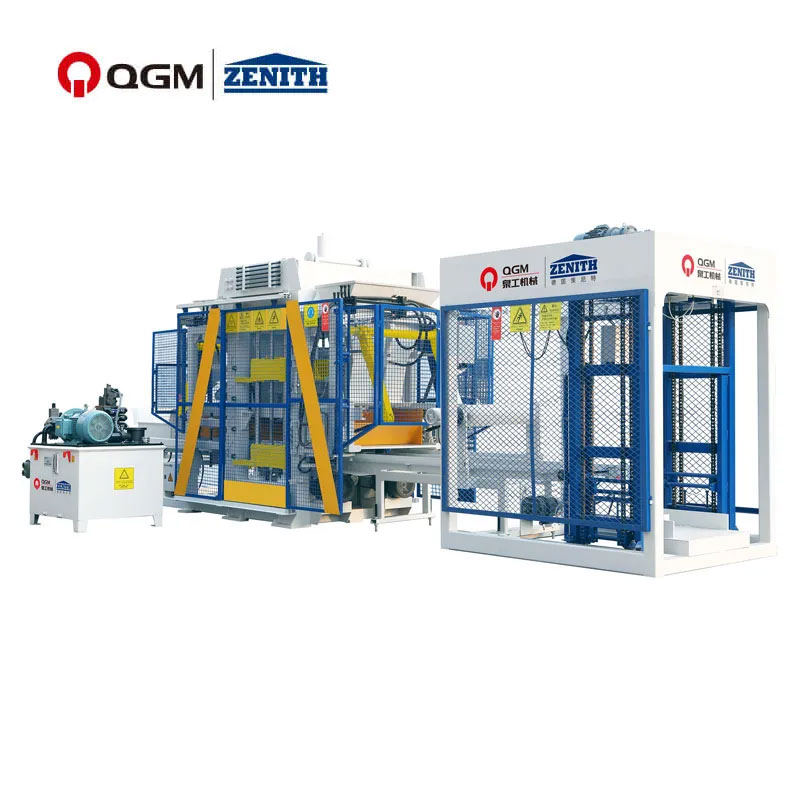
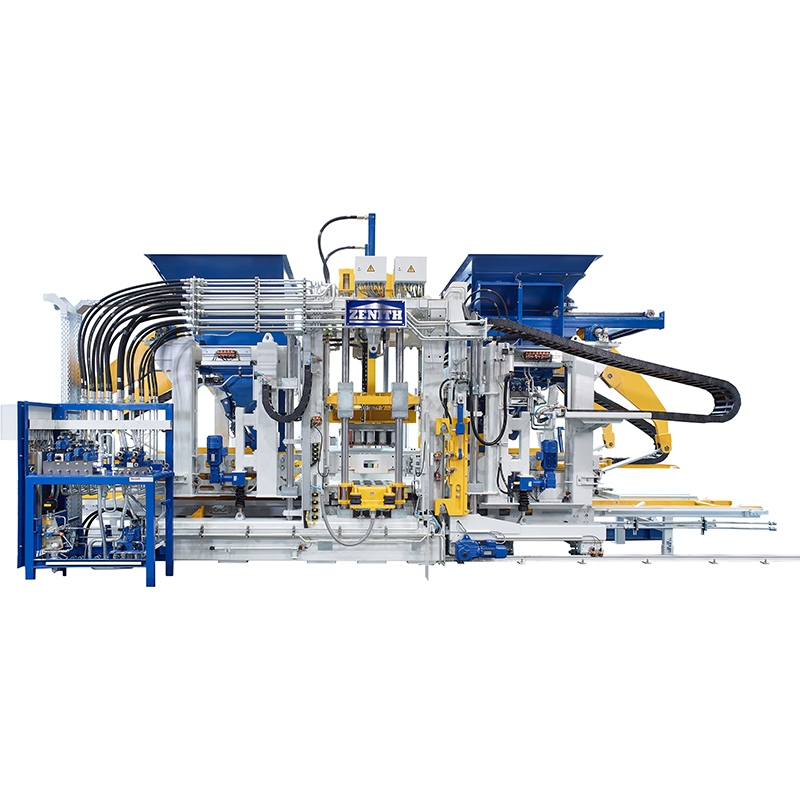
This makes mold quality particularly important for automatic block making machines and concrete block production lines, where repeated forming cycles require a high level of consistency.


A well-manufactured mold helps maintain stable cavity dimensions and supports consistent forming throughout production. When mold wear becomes significant, dimensional deviations and changes in product appearance can gradually affect the quality of the finished concrete blocks.


The requirements can become even more demanding when manufacturers use hard or highly abrasive aggregates. In such applications, the mold must have sufficient strength and wear resistance to withstand prolonged production.


How Mold Construction Affects Accuracy and Durability

The performance of a concrete block mold begins with the material selected for its construction. High-quality molds generally use alloy steel with the strength, hardness, and wear resistance required for continuous production.


However, material selection alone does not determine the final performance of the mold. The material must be processed through a controlled manufacturing sequence that establishes both dimensional accuracy and structural performance.


Precision machining is particularly important for the mold cavities, cores, frames, and other critical fitting areas. Processes such as CNC milling and wire cutting allow key dimensions and tolerances to be controlled accurately.


For high-precision concrete block molds, critical areas can be controlled within±0.3 mm. Maintaining this level of consistency helps ensure that individual cavities produce blocks with uniform dimensions and appearance.


This accuracy also supports the operation of other stages in an automated production line, including material feeding, vibration compaction, demolding, and stacking.


Surface Treatment for Long-Term Mold Performance

Precision machining establishes the required geometry, but the mold must also withstand repeated wear during actual production.


Every production cycle exposes the mold to aggregate friction, machine vibration, impact, and demolding. Appropriate heat treatment is therefore an important part of manufacturing a durable concrete block mold.


Depending on the material and mold structure, processes such as carburizing and nitriding can be used to improve surface hardness and wear resistance while maintaining the required toughness of the overall structure.


This combination is important for continuous production. A mold needs to resist surface wear without losing its dimensional stability, helping reduce changes in block dimensions and product quality as operating time increases.


Surface finishing provides another important layer of performance. Grinding and polishing remove machining marks, burrs, and uneven areas from critical surfaces, creating a more consistent mold cavity and supporting smoother demolding.


For products where appearance is particularly important—including paving blocks, stone-look blocks, and grass pavers—the condition of the mold surface can have a noticeable effect on product texture and visual consistency.


Different Concrete Products Require Consistent Mold Performance

Concrete block molds are used to produce a range of concrete products, including hollow blocks, solid blocks, paving blocks, stone-look blocks, and grass pavers.


Although the final products may differ in shape and application, the mold must consistently reproduce the required geometry during repeated production cycles.


For multi-cavity molds, consistency between individual cavities is especially important. Differences in cavity dimensions or assembly accuracy can result in variations between blocks produced by different cavities within the same mold.


This is why mold manufacturing involves more than machining individual components. During assembly, connection points, cavities, and fitting surfaces must be accurately aligned so that the complete mold operates as an integrated unit.


Quality Inspection Before the Mold Enters Production

Manufacturing a mold does not end when machining and assembly are complete. Before a concrete block mold is put into service, its key characteristics need to be checked.


Dimensional inspection verifies that critical cavities and machined areas meet the required specifications. Hardness testing provides an indication of whether the heat treatment has achieved the intended result.


Where conditions permit, trial molding provides an additional way to verify the mold in actual forming conditions. The mold can be matched with the block making machine to check the resulting block dimensions, cavity geometry, edge integrity, and surface condition.


This final validation helps identify potential issues before the mold enters continuous production.


How Mold Quality Influences Production Efficiency

The value of a high-quality concrete block mold ultimately becomes visible in the finished product and the stability of the production process.


A mold with consistent machining accuracy and good wear resistance can help manufacturers maintain:

* Consistent block dimensions

* Accurate cavity and wall thickness

* Good edge integrity

* Stable surface quality

* Reliable forming performance

* Longer mold service life


For a concrete products manufacturer operating a continuous production line, these factors are closely connected to production efficiency. Excessive mold wear can lead to product quality fluctuations, higher scrap rates, more frequent mold replacement, and additional maintenance costs.


In this sense, the mold is not simply a replaceable component of a block making machine. It is an important link between the machine's forming capability and the quality of the concrete products it produces.


What to Look for in a High-Quality Concrete Block Mold

A reliable mold is the result of several manufacturing factors working together. High-strength alloy steel provides the material foundation, while precision machining establishes the required dimensions. Heat treatment improves hardness and wear resistance, surface finishing supports forming and demolding performance, and accurate assembly ensures that the complete mold maintains the required geometry.


The manufacturing process is then completed through dimensional inspection, hardness testing, and, where appropriate, trial molding.


Therefore, evaluating a concrete block mold should go beyond its external appearance. Material quality, machining accuracy, heat treatment, assembly precision, and inspection procedures all contribute to the mold's ability to perform consistently in long-term production.


For manufacturers producing different types of concrete products, choosing a mold that matches the block making machine, product requirements, and production conditions provides a more reliable foundation for stable forming and continuous operation.


FAQs About Concrete Block Molds

1. How does a concrete block mold affect the performance of an automatic block making machine?

The mold directly determines the geometry of the concrete products during forming. Accurate and properly aligned mold cavities help the machine maintain consistent block dimensions, cavity geometry, edge quality, and forming results throughout repeated production cycles.


2. Why is cavity consistency important in a multi-cavity concrete block mold?

Consistent cavities help ensure that blocks produced from different positions within the same mold have uniform dimensions and appearance. Poor cavity consistency can lead to variations in block size, wall thickness, or overall product quality.


3. Can one concrete block mold be used for different types of concrete products?

Concrete block molds are designed according to specific product shapes and production requirements. Different products, such as hollow blocks, solid blocks, paving blocks, stone-look blocks, and grass pavers, require mold configurations that match their respective geometries and forming requirements.


4. How can mold wear affect continuous concrete block production?

As a mold wears, its cavity dimensions and forming performance may gradually change. This can contribute to variations in block dimensions and surface quality, while also increasing scrap, mold replacement frequency, and maintenance requirements.


5. What should manufacturers consider when evaluating a concrete block mold?

Manufacturers should look beyond the mold's appearance and consider factors such as material quality, dimensional accuracy, cavity consistency, wear resistance, assembly precision, surface finish, and quality inspection. The mold should also be compatible with the block making machine and the specific concrete products being manufactured.

Related News
Leave me a message
X
We use cookies to offer you a better browsing experience, analyze site traffic and personalize content. By using this site, you agree to our use of cookies. Privacy Policy
RejectAccept