ZENITH Maschinenfabrik GmbH

What I Learned After a Year of Using Block Making Machines

2026-11-06 0 Leave me a message
The block making machine industry is currently undergoing a major transition from traditional manufacturing toward intelligent and sustainable production. With stricter environmental requirements, changing demand for building materials, and rising production costs, both block machine manufacturers and concrete products manufacturers are facing new challenges.

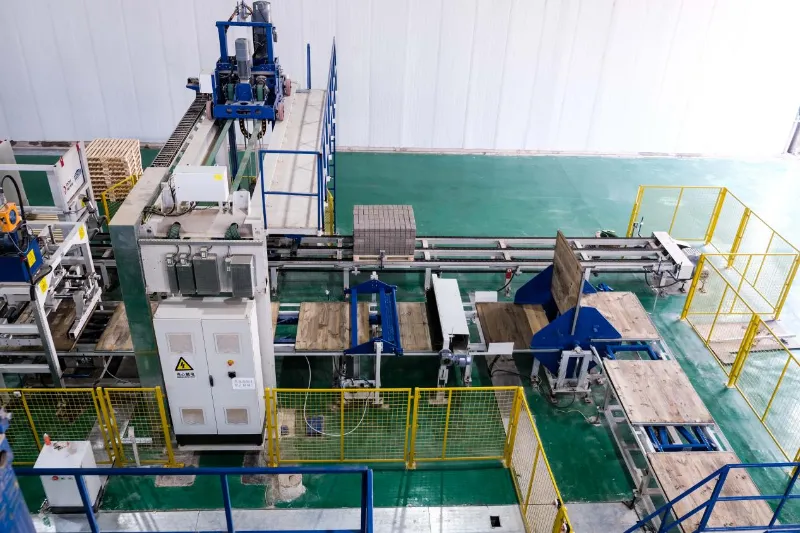
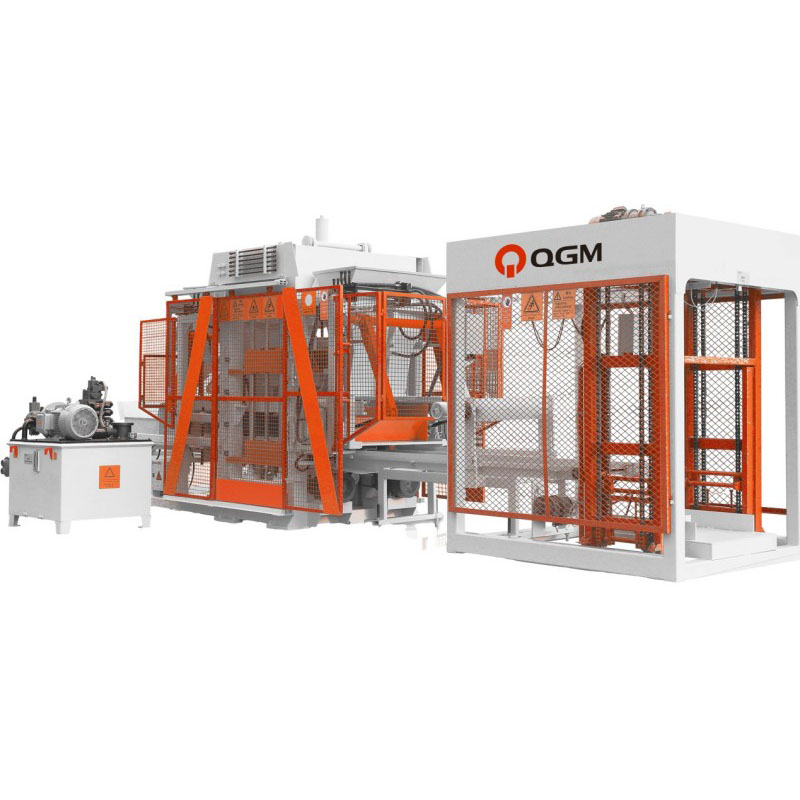
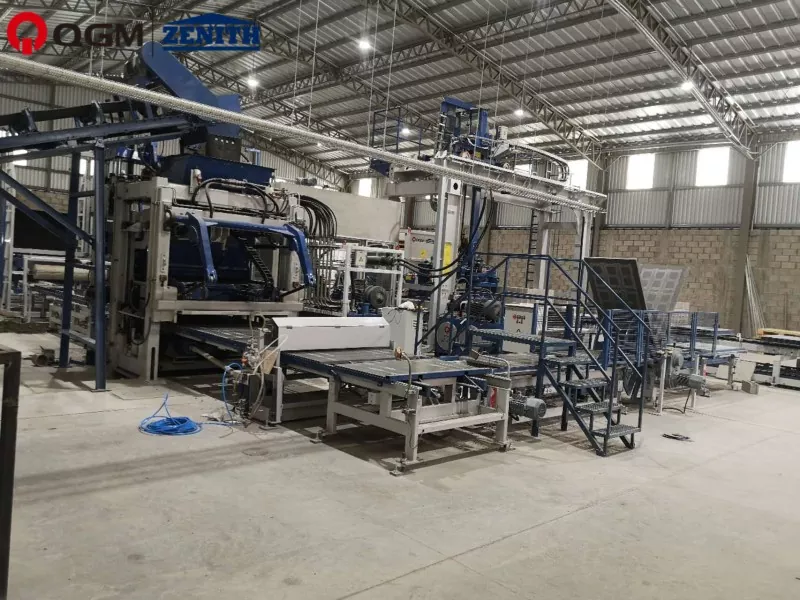
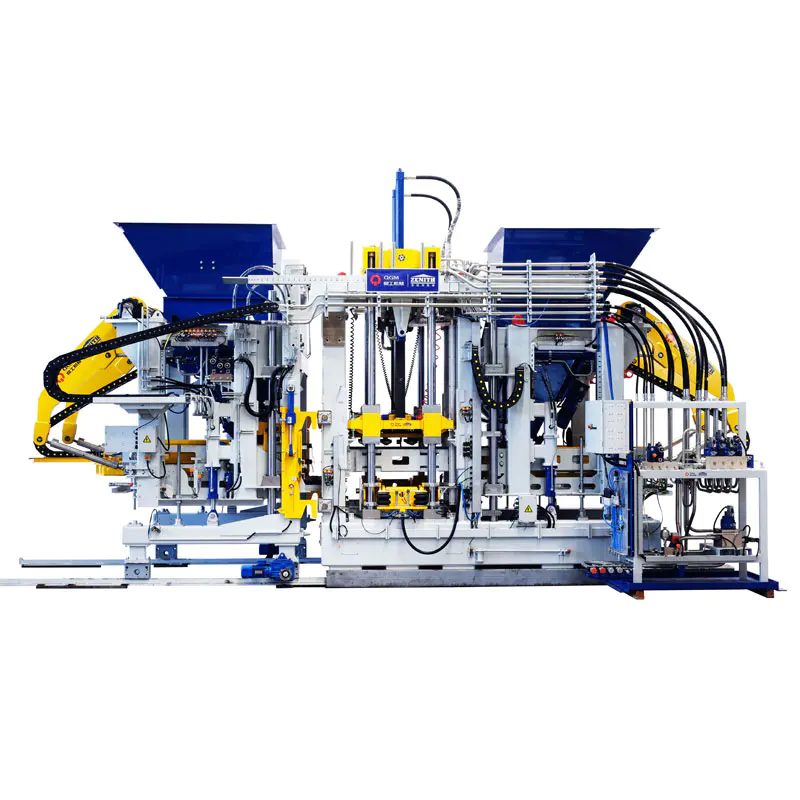
 QGM Automatic Block Making Machine for Concrete Block Production

△QGM Automatic Block Making Machine for Concrete Block Production


Looking at the industry from both the equipment manufacturer's and concrete products manufacturer's perspectives, it becomes clear that the challenges go far beyond the purchase price of a machine. They involve supply chains, environmental compliance, production capacity, equipment reliability, automation, and total cost of ownership.


1. What Are the Key Challenges Facing Block Making Machine Manufacturers?

One of the first challenges is the availability and localization of critical components.The localization rate of key components such as high-pressure hydraulic systems and PLC controllers remains below 30%, while around 35% of high-end equipment still relies on imported components. This increases manufacturing costs and supply chain uncertainty, while making technological self-reliance more difficult for some manufacturers.


Environmental requirements are also accelerating industry restructuring.

As environmental regulations become more stringent, outdated production capacity is gradually being phased out. However, many block machine manufacturers have yet to complete the necessary upgrades, with only 37% currently meeting the relevant environmental requirements. At the same time, industry standards have not fully kept pace with the development of intelligent and sustainable equipment, resulting in higher system integration costs. For example, integrating an MES system can require an additional investment of around RMB 180,000 for a single project.


An imbalance between production capacity and market demand is another major challenge.

Traditional low-end block making machine capacity is relatively oversupplied, with overall capacity utilization at only 71.7%, while high-end intelligent equipment still faces a supply gap of around 15%. Under these conditions, some manufacturers have been forced into price-based competition, further squeezing profit margins.


Small and medium-sized manufacturers face even greater pressure. With limited R&D investment, some companies allocate only 1.8% of their resources to research and development, below the industry average. This limits their ability to invest in intelligent manufacturing and green production technologies, resulting in slower technological development and significant product homogenization.


Supply chain coordination is another area that requires improvement. Inefficient information and logistics flows between upstream and downstream companies can lead to longer delivery times, quality fluctuations, and slower responses to customized requirements. In some cases, equipment delivery in China can take around 75 days, compared with approximately 45 days for similar equipment in Germany.


2. What Do Concrete Products Manufacturers Really Care About?

For block plants and building materials manufacturers, purchasing equipment is only the beginning. Long-term profitability depends more on whether the equipment can operate reliably, adapt to variations in raw materials, and control overall production costs.


1) Equipment Selection Directly Affects Production Stability

Some small block plants prioritize lower-priced equipment to reduce their initial investment. However, a lower purchase price does not necessarily translate into a lower overall production cost.


When equipment reliability is poor, issues such as material blockage and unexpected downtime can occur frequently, potentially reducing output by around 3,000 blocks per day. At the same time, inadequate raw material proportioning can result in finished products failing to meet the required strength standards.


Therefore, selecting a block making machine should not be based solely on purchase price. Equipment reliability, forming accuracy, raw material adaptability, and long-term maintenance costs should also be considered.


2)Production Line Layout Affects Overall Efficiency

An inefficient production line layout can increase material handling distances and disrupt coordination between different stages of production. For example, an unsuitable U-shaped production line layout may reduce overall production efficiency by 20%.


For modern block production lines, simply connecting different machines is not enough. The layout needs to be planned according to the raw materials, product types, production cycle, and available plant space.


3)Equipment Reliability Determines Actual Production Capacity

For a concrete products manufacturer running continuous production, theoretical machine capacity does not necessarily represent actual output.


When traditional equipment has poor reliability or relies heavily on non-standard components, equipment failures and unplanned downtime can directly reduce production. Some traditional equipment operates with an OEE (Overall Equipment Effectiveness) of only 65%. Extended unplanned downtime can therefore result in significant production losses and increased pressure on order fulfillment.


A truly efficient automatic block making machine production line needs to deliver more than high forming speed. Long-term operational stability is equally important.


3. Intelligent Manufacturing Is Changing Block Production

As the block making industry moves toward intelligent manufacturing, PLC control, remote monitoring, and production status management are becoming increasingly important components of modern block making machines.


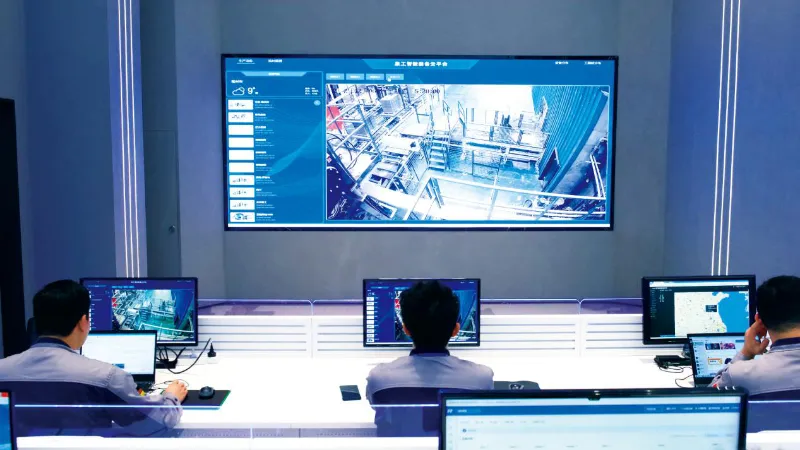
For example, intelligent equipment solutions from QGM can provide remote monitoring of production status through the machine's core control system, allowing operators to understand equipment operating conditions even when they are away from the production site.

 QGM Intelligent Cloud Platform for Equipment Monitoring and Remote Service

△QGM Intelligent Cloud Platform for Equipment Monitoring and Remote Service

When operating parameters become abnormal, the system can issue alerts and provide information for on-site adjustments. Compared with traditional equipment that relies primarily on manual inspection, digital management can help manufacturers identify potential issues earlier and reduce the risk of downtime caused by delayed intervention.


However, intelligent equipment does not eliminate the need for operators. Even with an intelligent control system, personnel still require professional training to correctly understand equipment status, respond to abnormalities, and make full use of the machine's capabilities.


4. Precision Forming Is Key to Controlling Production Costs

In addition to machine control systems, accurate material proportioning and stable forming performance also have a direct impact on production costs.


Precise batching and consistent forming can reduce the impact of raw material fluctuations on product quality while minimizing material waste.


For standard block production, traditional equipment may generate around five defective products out of every 100 units. With more precise batching and forming technologies, the defective rate can be reduced to below 1%.


For block plants operating high-volume production, even a few percentage points of improvement in the reject rate can make a meaningful difference to raw material consumption, effective output, and overall production costs over time.


5. Solid Waste Recycling Is Creating New Applications for Block Making Machines

As sustainable building materials and solid waste recycling receive increasing attention, the application of block making machines is expanding beyond conventional concrete product manufacturing toward solid waste recycling and block production.


Materials such as coal gangue, fly ash, steel slag, and certain types of construction waste can be processed and proportioned appropriately for use as raw materials in block production.


For mines, steel mills, and construction waste processing facilities, converting solid waste that would otherwise require large storage areas into useful building materials can address both waste management and resource recovery requirements.


Certain solid waste block production processes require only a relatively small amount of cement and environmentally friendly binders to form the products. In relevant applications, cement consumption can be reduced by 20%–30% compared with conventional processes, while the solid waste utilization rate can exceed 90%.


For example, in fly ash block production, cement consumption per block can be reduced by approximately 20%–30%. This can lower material costs while also helping reduce carbon emissions during production.


6. Customized Solutions Are Becoming an Important Competitive Advantage

Customers with different production scales, raw materials, and business objectives may not be able to rely on a single standardized equipment configuration.


Small block plants may prioritize return on investment and ease of operation, while steel mills, coal yards, and construction waste processing companies may place greater emphasis on large-scale solid waste processing capacity.


As a result, a block machine manufacturer's ability to develop solutions based on actual customer requirements has become an important consideration when selecting equipment.


Some professional block machine manufacturers are moving beyond simply supplying individual machines and are providing integrated services covering solution design, equipment installation, commissioning, and operator training.


For companies processing large volumes of solid waste, this type of integrated solution can reduce coordination between different suppliers and improve compatibility between the equipment, production process, and overall production line.


7. After-Sales Service Is an Important Part of Equipment Value

For a block production line designed for long-term operation, equipment delivery is not the end of the relationship.


When equipment problems occur, the speed of after-sales support can directly affect production recovery time. Some small and medium-sized equipment brands have limited service networks, making it difficult to provide timely on-site support. Maintenance costs and repair cycles can also be higher for imported equipment.


When selecting a block making machine manufacturer, companies should therefore evaluate not only the equipment itself, but also the supplier's service network, spare parts availability, technical support, and on-site service capabilities.


QGM has established a service system for international markets, with its equipment supplied to more than 150 countries and regions and extensive experience in equipment operation and maintenance. For overseas block plants requiring long-term production, comprehensive service support can help reduce operational risks throughout the equipment lifecycle.


8. Total Cost of Ownership Matters More Than the Initial Price

The purchase price of a block making machine represents only one part of its overall cost.


If equipment consumes more energy, requires more operators, or experiences frequent failures, a lower initial purchase price may ultimately result in higher operating costs over the long term.


Traditional equipment may consume up to 60% more electricity than intelligent equipment. In terms of labor requirements, an automated production line typically requires around 5–8 operators, while traditional equipment may require 15–20 workers, along with additional personnel for routine maintenance.


For this reason, block machine selection should be evaluated from a Total Cost of Ownership (TCO) perspective. Purchase cost, energy consumption, labor requirements, maintenance expenses, downtime losses, and equipment service life should all be considered rather than comparing equipment quotations alone.


9. What Type of Block Making Machine Is Suitable for Modern Block Plants?

The right block making machine should be selected according to the manufacturer's production conditions and long-term development objectives.


For steel mills, coal yards, construction waste processing plants, and other businesses with significant solid waste resources, block making equipment capable of solid waste recycling can help convert waste materials into valuable building products.


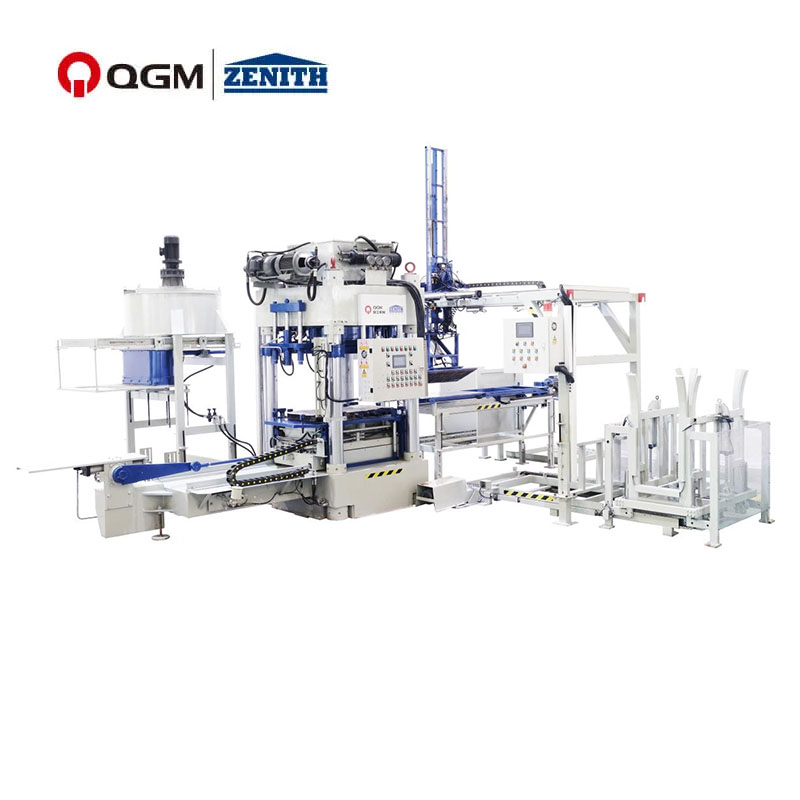
For traditional block plants looking to improve production efficiency, reduce labor costs, and minimize material waste, a highly automated automatic block making machine with stable batching and forming accuracy can offer greater value.


However, a high-specification machine is not necessarily suitable for every customer. For small operators with extremely limited budgets and a primary focus on the lowest possible purchase price, the initial investment required for advanced intelligent equipment may be a significant consideration.


Regardless of the equipment selected, proper installation, operator training, and regular maintenance remain essential. A well-planned production line layout, properly trained operators, and routine inspection and maintenance are all necessary to maximize equipment performance and extend service life.


Conclusion: Block Machine Competition Is Shifting from Equipment Sales to Overall Value

From supply chains, environmental compliance, and technological development on the manufacturing side to equipment reliability, production efficiency, raw material adaptability, and Total Cost of Ownership on the customer side, competition in the block making machine industry is no longer simply about price.


For equipment manufacturers, intelligent manufacturing, sustainable production, core technologies, and service capabilities are becoming important foundations for long-term competitiveness.


Only equipment that effectively combines production efficiency, product quality, energy consumption, labor requirements, solid waste utilization, and after-sales support can better meet the industry's continued shift toward intelligent and sustainable building materials manufacturing.


FAQs About Block Making Machines

1. What should manufacturers consider when choosing a block making machine?

Manufacturers should consider more than the initial purchase price. Equipment reliability, forming accuracy, raw material adaptability, production line layout, automation level, maintenance requirements, energy consumption, and after-sales support should all be evaluated to determine the machine’s long-term value.


2. How can an automatic block making machine improve production efficiency?

Automation can improve material batching and forming accuracy, reduce manual intervention, minimize material waste, and help maintain stable production. Intelligent control and remote monitoring can also help operators identify abnormal equipment conditions more quickly and reduce the risk of unplanned downtime.


3. Can block making machines be used for solid waste recycling?

Yes. Depending on the production process and material characteristics, materials such as coal gangue, fly ash, steel slag, and certain construction waste can be processed and used as raw materials for block production. This allows manufacturers to convert suitable solid waste into usable concrete products.


4. Why is Total Cost of Ownership important when buying a block making machine?

The purchase price represents only part of the actual equipment cost. Energy consumption, labor requirements, maintenance expenses, downtime losses, and service life can significantly affect long-term operating costs. Evaluating Total Cost of Ownership (TCO) provides a more comprehensive basis for equipment selection.


5. Why is after-sales service important when purchasing a block making machine?

Block making machines are typically used for continuous production, so equipment downtime can directly affect output and order delivery. A reliable service network, spare parts availability, technical support, and timely maintenance can help manufacturers reduce downtime and operational risks throughout the equipment lifecycle.


Related News
Leave me a message
X
We use cookies to offer you a better browsing experience, analyze site traffic and personalize content. By using this site, you agree to our use of cookies. Privacy Policy
RejectAccept