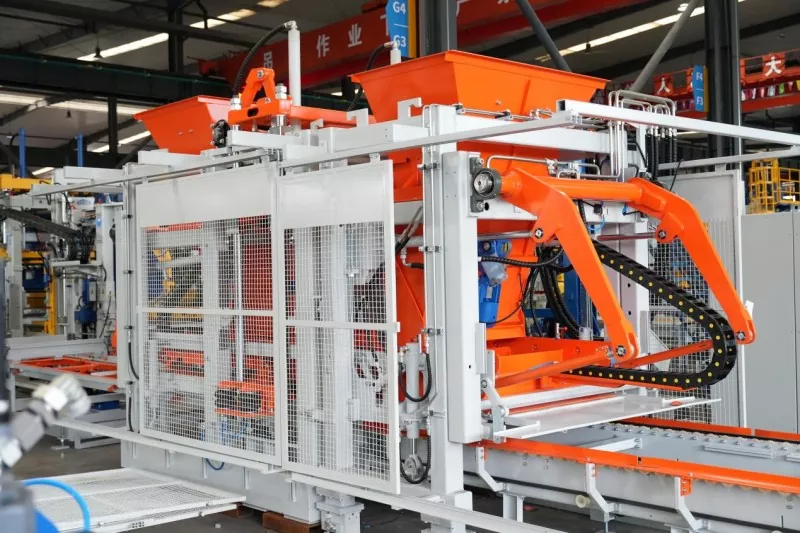
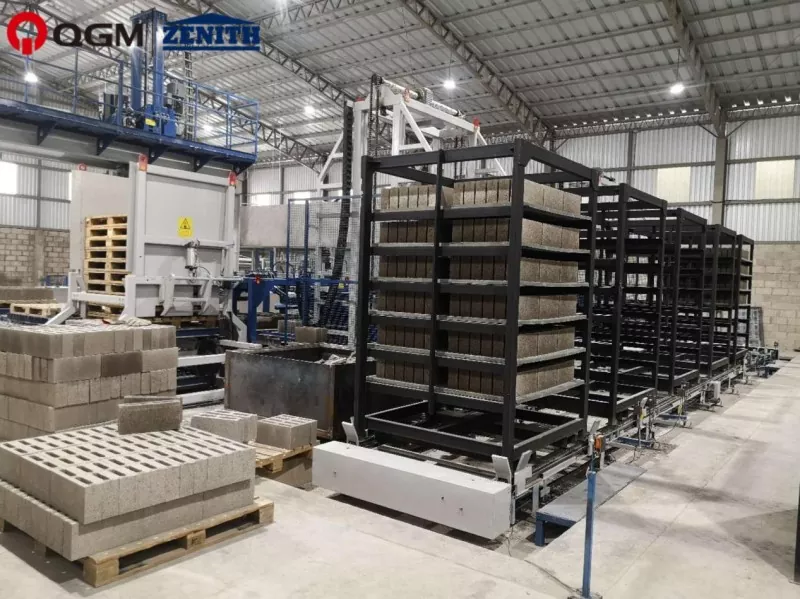
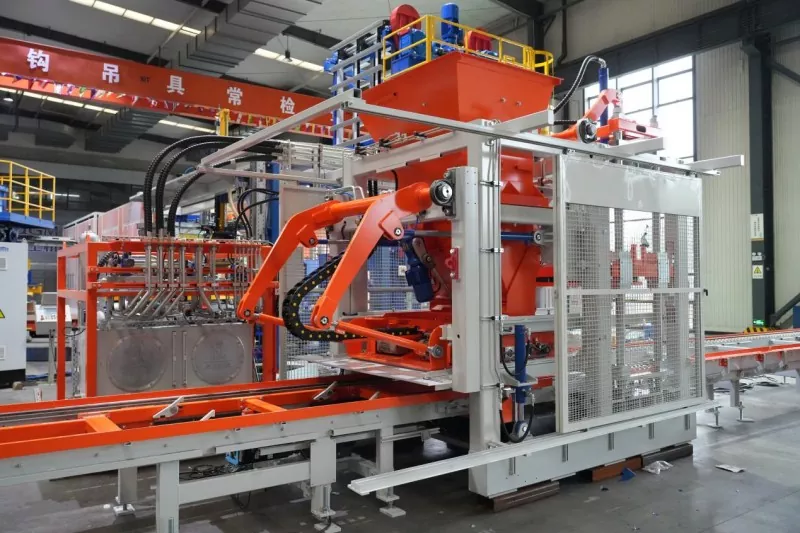
In the realm of concrete block manufacturing, machinery like those from QGM sets the standard for production efficiency, but the true foundation of product excellence lies in the precise balance of cement and aggregate.
In the concrete block manufacturing industry, searching for a single "best mix design" is often a misguided pursuit. The reality is that no universal formula exists. Every production environment is unique, shaped by distinct local raw materials, specific equipment capabilities, and varying end-product specifications.
For many small concrete block producers across the U.S., increasing output doesn't necessarily mean purchasing a larger machine or investing in a fully automated production line. More often, productivity losses come from inefficient workflows, inconsistent operating practices, avoidable downtime, and equipment that isn't being utilized to its full potential.
When planning a new concrete products factory, many investors focus on selecting the right block making machine. In reality, even the most advanced equipment cannot achieve maximum productivity without being integrated into a complete production line.
A common misconception in the construction material industry is that elevating concrete block quality necessitates heavy financial investment. In reality, the root causes of quality inconsistencies—such as low strength, surface defects, or dimensional inaccuracies—rarely stem from a lack of spending. Instead, they are typically the result of inefficient production workflows, unstable process parameters, and the suboptimal utilization of existing equipment.
At first glance, concrete block manufacturing appears straightforward. Raw materials enter a machine, blocks are formed, cured, and delivered to customers. This simplified view often attracts new investors into the industry.
Small-scale block manufacturing is commonly mistaken for a stripped-down, low-sophistication operation. The truth is quite the opposite. It is a concentrated production ecosystem that must obey the same physical and engineering laws governing massive industrial plants.
In the economics of concrete block production, the word "cheap" is frequently conflated with slashing upfront capital outlay. The reality is more nuanced. The genuinely lowest-cost manufacturing model is one that drives down per-unit expenditure across the entire asset lifecycle while preserving quality benchmarks that the market demands. This distinction cannot be overstated. A process that looks inexpensive on paper — yet triggers elevated scrap rates, burns through excess cement, or suffers chronic downtime — will inevitably destroy profitability.
In today's concrete products industry, block quality is far more than a visual assessment. It is a critical performance benchmark that directly affects structural reliability, service life, and compliance with construction standards. Whether blocks are used in residential developments, commercial projects, or infrastructure applications, consistent quality control is essential for achieving dependable results.
In the modern landscape of automated concrete block production, achieving true precision extends far beyond robust mechanical engineering or manual operator expertise. Instead, QGM emphasizes that accuracy is driven by data acquisition and instantaneous real-time feedback—capabilities that are fundamentally powered by advanced sensor technology.
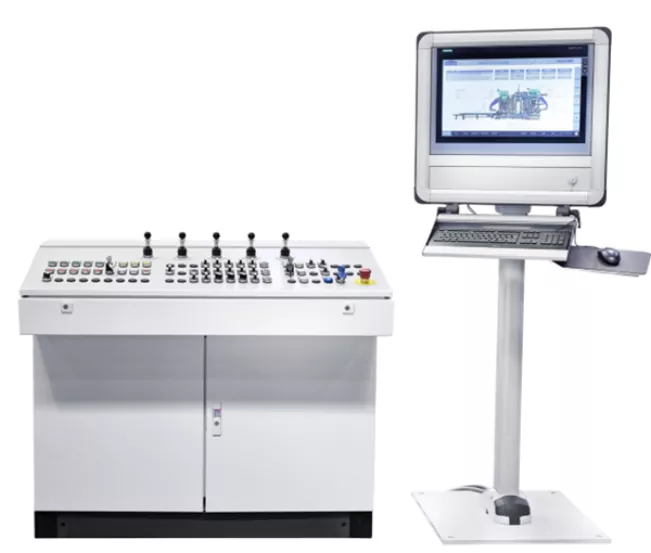
In the modern concrete block manufacturing sector, relying solely on machine durability is no longer sufficient to guarantee efficient and stable production. The defining factor that sets a traditional block machine apart from a state-of-the-art QGM block making machine is the intelligence embedded in its control system—specifically, the integration of cutting-edge PLC automation technology.
In today’s concrete block manufacturing industry, the hydraulic system serves as the core power unit of the entire production line. Every key movement inside a QGM block machine — including mould pressing, feeder operation, pallet transfer, and synchronization between mechanical components — relies on stable hydraulic performance.
Cracking is one of the most common and costly problems in concrete block manufacturing. Whether a factory operates a semi-automatic brick machine or a fully automatic block making machine, cracked concrete blocks can seriously affect product strength, appearance, customer satisfaction, and long-term profitability.
In the concrete products industry, color consistency is often underestimated. However, for architectural blocks, paving stones, decorative concrete products, and premium masonry applications, uneven color can seriously affect customer confidence and market acceptance.
We use cookies to offer you a better browsing experience, analyze site traffic and personalize content. By using this site, you agree to our use of cookies.Privacy Policy